Table of Contents
Understanding the Importance of Water Storage for a Single Person
Water is life, and for a single person, having a personal water storage plan can be the difference between comfort and crisis. Emergencies like power outages, natural disasters, or water supply interruptions can strike without warning. Unlike families or groups, a single person’s water needs are smaller but equally critical, which allows for more flexible storage solutions. Planning ensures you always have access to safe, clean water when it matters most.
How Much Water Does One Person Need?
An adult typically requires about one gallon of water per day for drinking, cooking, and basic hygiene during emergencies. Climate, physical activity, and health conditions can increase this requirement, especially in hot or humid areas. Planning for at least two weeks of water is recommended, equating to 14 gallons for a single person. By knowing your daily needs, you can avoid both under- and overstocking.
Top Water Storage Solutions for Single-Person Prepping
There’s no one-size-fits-all solution when it comes to storing water for one person. Options range from small portable bottles to large long-term tanks. Each method has pros and cons depending on space, mobility, and the duration of storage. Understanding these choices helps you select the most practical and efficient approach for your situation.
Water Storage Containers
Water containers are the backbone of any single-person storage plan. Durable jugs, barrels, and BPA-free bottles provide safe, long-lasting solutions. Space-saving containers are ideal for apartments or small homes where floor space is limited. Prioritizing quality and safety ensures your stored water remains drinkable for months or even years.
The Reliance Aqua-Tainer 7-Gallon Rigid Water Container is a durable, stackable option with a built-in spigot, making it ideal for long-term single-person storage.

Portable Water Storage
Portable storage is essential for emergencies where mobility matters. Hydration packs, collapsible bottles, and small jugs allow you to carry water without hassle. These options are perfect for bug-out bags, road trips, or short-term outages. Lightweight and compact, portable solutions make sure water is always within reach.
The BPA Free Collapsible Water Container folds flat when empty, is lightweight and portable—perfect for bug-out bags or emergency grab-and-go.

Long-Term Water Storage
For extended emergencies, long-term water storage is crucial. Large drums and tanks can supply months of drinking water for a single person. Gravity-fed systems and filtration setups improve convenience and safety. Regular monitoring and maintenance keep the water fresh and safe over time.
The Stackable Water Storage Container is modular, food-grade safe, and built for both long-term storage and easy transport.

Water Filtration and Purification Methods
Even stored water may need treatment before drinking. Filtration systems, purification tablets, and boiling are reliable ways to remove bacteria and contaminants. Each method has trade-offs in cost, convenience, and effectiveness. Combining storage with purification ensures maximum safety in any scenario.
The LifeStraw Personal Water Filter removes 99.999% of bacteria and parasites, giving you safe water on the go or as a backup to stored supplies.

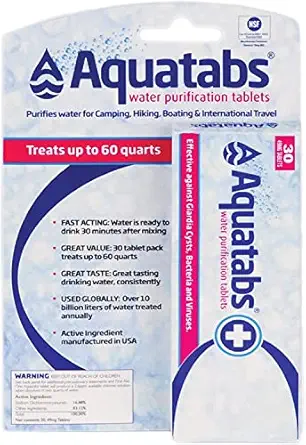
The Potable Aqua Water Purification Tablets are a lightweight, affordable solution for emergencies when boiling isn’t possible.
DIY Water Storage Solutions
Creating your water storage options can save money and space. Household items like clean soda bottles, large jugs, or food-grade buckets work well when prepped properly. Sterilization and careful handling are key to preventing contamination. DIY solutions offer flexibility for those on a budget or with limited storage space.
The Scepter 5-Gallon Military Water Can is rugged, affordable, and versatile—perfect for DIY setups or budget-conscious preppers.

Storing Water in Small Spaces
Limited living space doesn’t mean compromising your water supply. Stackable containers, hidden corners, and under-bed storage can maximize efficiency. Accessibility is important, so keep frequently used water within easy reach. Clever planning allows a single person to maintain a robust supply without clutter.
The Arrow Home Stackable Water Dispenser (2.5 Gallon) is slim and fits in a fridge or under a counter, making it great for apartments.

Maintaining Water Quality Over Time
Water can degrade if left unchecked, leading to algae, bacteria, or chemical changes. Regularly rotate your supply and treat water with approved methods to keep it safe. Labeling containers with storage dates helps you track freshness. Maintaining water quality ensures it remains potable when emergencies strike.
Emergency Water Storage Tips
Always have quick-access water ready for sudden disruptions. Keep bottles or jugs near exits, high-traffic areas, or in your car. A small, portable emergency stash can provide peace of mind. Combining immediate access with long-term storage ensures you’re covered for every scenario.
Water Storage for Different Seasons
Seasonal changes affect both water needs and storage strategies. Hot summers may require more daily intake and shaded storage, while winter risks freezing in pipes or containers. Adjust storage methods and locations to match the season. Seasonal planning ensures reliable hydration year-round.
Cost-Effective Water Storage Solutions
You don’t need to spend a fortune to prepare properly. Affordable jugs, collapsible bottles, and DIY containers can build a substantial water supply. Focus on safety and durability, rather than brand name alone. Smart budgeting allows single-person prepping without financial strain.
How to Test Your Stored Water
Testing water ensures it’s safe and potable. Simple home tests check clarity, odor, and taste, while advanced kits detect bacteria or chemicals. Test your supply periodically and rotate old water for daily use. Regular testing reduces health risks and keeps your system reliable.
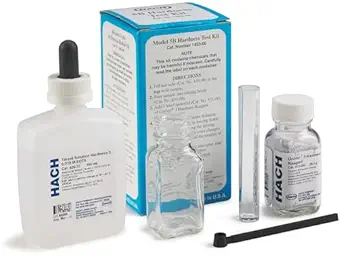
The Hach Drinking Water Test Kit provides reliable results for bacteria, chlorine, and pH levels, ensuring your stored water remains safe.
Common Mistakes in Single-Person Water Storage
Many preppers underestimate their actual water needs. Choosing inappropriate containers or neglecting maintenance can compromise safety. Forgetting portable options or purification tools limits emergency readiness. Awareness and planning help avoid these costly mistakes.
Water Storage Safety and Regulations
Some urban areas restrict large water tanks or containers due to fire or building codes. It’s important to comply while maintaining a functional supply. Consider chemical safety, container placement, and emergency access. Knowing regulations prevents legal trouble and keeps your storage safe.
Step-by-Step Water Storage Plan for One Person
Start by calculating daily and emergency water needs. Choose storage solutions that fit your living space and lifestyle. Incorporate filtration and rotation schedules to maintain freshness. A clear, actionable plan makes water preparedness manageable and stress-free.
Conclusion: Staying Hydrated, Safe, and Ready
Water storage for a single person is both achievable and essential. By selecting the right containers, maintaining quality, and planning for emergencies, you ensure continuous access to safe water. Start small, expand gradually, and stay consistent with testing and rotation. With preparation, you can stay hydrated, confident, and ready for whatever life throws your way.
FAQs
1. Can I store flavored drinks or electrolyte water instead of plain water for emergencies?
Flavored drinks, sports drinks, or electrolyte-enhanced waters may seem like a smart alternative, but they are not ideal for long-term emergency storage. Sugars, flavorings, and additives break down faster than plain water, increasing the risk of spoilage, bacterial growth, and container degradation. For preparedness, plain potable water should always be your primary stored supply. Electrolyte powders or tablets can be stored separately and added only when needed, giving you flexibility without compromising shelf life.
2. How do I safely store water if I live in a hot climate or a non-air-conditioned home?
Heat accelerates plastic breakdown and encourages bacterial growth if water is stored improperly. In warm climates, containers should be kept out of direct sunlight and away from appliances that generate heat. Food-grade containers designed for water storage handle temperature changes better than reused bottles. Rotating stored water more frequently—every 3–6 months instead of annually—helps ensure freshness when ambient temperatures are high year-round.
3. Should I keep a separate water supply specifically for medical or hygiene needs?
Yes. Many single-person preppers focus only on drinking water and overlook sanitation and minor medical needs. Having a dedicated small supply for wound cleaning, brushing teeth, or washing hands prevents dipping into your drinking reserves unnecessarily. Even a few extra gallons set aside for hygiene can extend your primary drinking supply significantly during longer emergencies.
4. Can I rely on my home’s water heater tank as emergency water storage?
A household water heater can serve as a backup emergency water source if needed, but it should never replace dedicated storage. Sediment buildup and temperature fluctuations can affect water taste and safety over time. If using a water heater in an emergency, ensure power or gas is turned off before draining, and always filter or boil the water before drinking. It’s best viewed as an emergency bonus supply, not your primary plan.
5. How can I discreetly store water without making my home look like a prepper setup?
For single-person urban dwellers, discretion matters. Water can be stored in everyday-looking containers such as under-bed boxes, decorative furniture benches with hidden storage, or stackable containers tucked in closets. Clear labeling can be placed on the bottom or inside lids instead of visible sides. This keeps your preparedness private while still maintaining easy access when needed.
Other Useful Resources Related To Water Storage For A Single Person
- CDC – How to Create and Store an Emergency Water Supply (official health guidance on storing water, container choice, and sanitation)
- Ready.gov – Water (U.S. government preparedness site with recommended storage amounts and safety tips)
- FEMA – Water Safety Reminder Dos and Don’ts (PDF) (official preparedness tips on treating and storing safe water)
- New Jersey Office of Emergency Management – Emergency Food and Water Supplies (practical water storage recommendations and container guidance)
- Emergency Safe Water – Emergency Water Storage Best Practices (clear tips on storing, labeling, rotating, and using stored water)