
Some of the links in this post are affiliate links. As an Amazon Associate, we earn a referral fee from qualifying purchases—at no extra cost to you.
In the middle of a bustling city, disaster can strike faster than a New York minute. Are you ready if power cuts, riots, or supply shortages hit your apartment? That’s where a rock-solid urban prepping plan 7 days comes in.
This isn’t about going full doomsday. It’s about calmly preparing to protect yourself and your loved ones—even in a high-rise. Over the next few minutes, you’ll learn exactly how to get urban-prep ready in just a week. Let’s dive into survival, city-style.
Table of Contents
What Is an Urban Prepping Plan and Why You Need One?
An urban prepping plan is a strategy for surviving emergencies in a densely populated area. Unlike rural preppers, city folks don’t have barns or bug-out cabins. You’re working with limited space, stricter laws, and more people competing for the same resources.
Why is this vital?
Because in urban disasters, chaos spreads fast. Stores run out of essentials in hours. Water lines get cut. Elevators stop. The unprepared are left vulnerable.
With the right urban prepping plan 7 days long, you can get a solid base of readiness that could literally save lives.
Why Focus on a 7-Day Timeframe?
Seven days is that sweet spot.
Most major urban disruptions—blackouts, storms, civil unrest—get semi-resolved within a week. Aid might arrive. Utilities get restored. But you must be self-reliant during those first brutal days.
This plan gives you breathing room. And if the disaster lasts longer? You’ll have a foundation to build on.
Day 1: Assess Risks and Build a Mindset
Know Your Urban Threats
Start by identifying what’s most likely to happen in your city. Earthquakes in L.A.? Flooding in Bangkok? Riots in Chicago?
Make a list. Follow local emergency sites. Subscribe to city alerts. Knowledge is your first weapon.
FEMA Emergency Preparedness Handbook
Want a deep dive into common urban threats? This FEMA preparedness guide is packed with tips tailored for city dwellers.

Mental Toughness: The Real Survival Tool
Prepping isn’t just gear—it’s grit.
Practice staying calm under pressure—Role-play with your family. Visualize being stuck in an elevator, without power. That mental rehearsal builds readiness faster than any gadget.
Day 2: Water Is Life – Secure Your Urban Supply
Storing Water Safely in Small Spaces
Aim for 1 gallon per person per day, minimum.
Got no storage space? Try stackable containers, collapsible jugs, or even refillable water bricks that fit under beds or behind sofas.
WaterBrick Stackable Water Container (3.5 gal)
Stackable WaterBricks make smart use of apartment space, storing gallons without taking up space.

Urban-Friendly Water Filters and Purifiers
Tap water may get shut off—or worse, contaminated.
Stock up on:
- LifeStraw Personal Filters
- Sawyer Mini (compact and effective)
- Water purification tablets (great backup)
These take up little space and can filter gallons in a pinch.
The Sawyer Mini is a no-brainer for urban preppers. It’s tiny but can filter up to 100,000 gallons.

Potable Aqua Water Purification Tablets
Always have a backup—these water purification tablets work when filters fail or in tight spots.

Day 3: Build Your Emergency Food Kit
No-Cook and Shelf-Stable Urban Food Options
Forget freeze-dried astronaut meals. Urban prepping is about simple, no-fuss nutrition.
Stock these:
- Canned beans, tuna, and soups
- Peanut butter, granola bars
- Instant oats and ramen
- Powdered milk
Focus on food that doesn’t need cooking. Bonus if it’s comfort food—you’ll need morale boosts.
CLIF BAR Energy Bars Variety Pack
CLIF Bars are tasty, shelf-stable, and fuel you fast when cooking isn’t an option.

Augason Farms 72-Hour Emergency Food Supply
For a compact food stash, Augason Farms kits pack calories, simplicity, and long shelf life in one bucket.

Storage Hacks for Tiny Apartments
Use:
- Under-bed bins
- Hanging closet shelves
- Top-of-fridge space
Vacuum-seal bulk items to save room.
Day 4: Urban Bug-Out and Bug-In Strategies
When to Stay vs When to Go
Bugging in means staying put. That’s often safer in urban zones—unless the building’s unsafe or there’s civil chaos.
Bugging out? Only if:
- Fire or floods threaten your shelter
- Local violence escalates
- Government orders evacuation
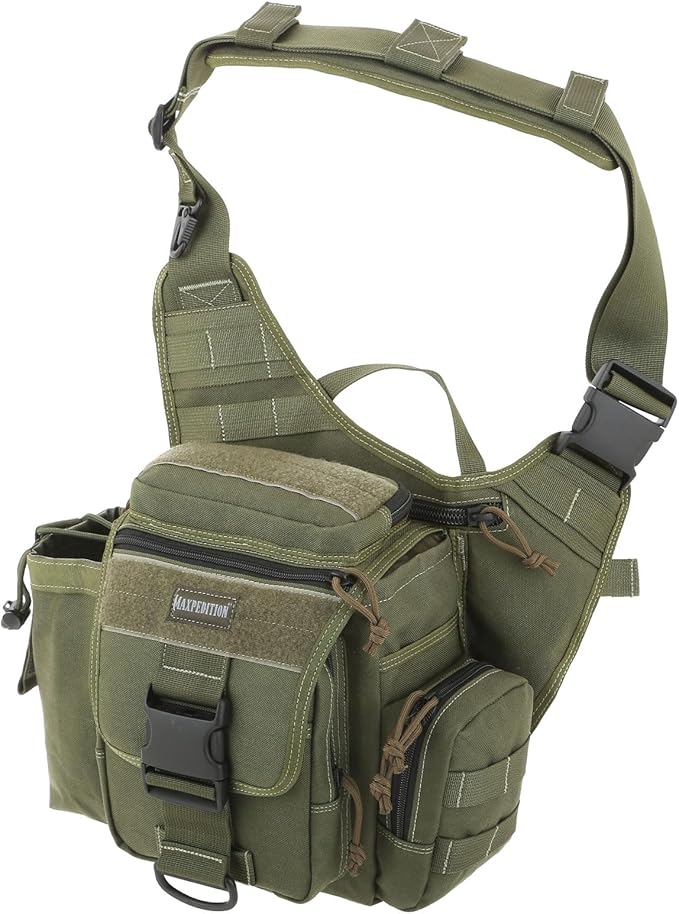
Maxpedition Versipack Tactical Bag
Need a compact bug-out option? The Maxpedition Versipack fits essential gear and stays agile in crowds.
Mapping Out Escape Routes and Safe Zones
Map at least three exits from your home, including stairwells.
Identify:
- Nearby safe houses (friends, family, trusted locations)
- Hospitals
- Community shelters
Keep a city map (yes, paper!) in your go-bag. GPS may fail.
Day 5: Security and Self-Defense in the City
DIY Fortifications for Urban Homes
Make your apartment harder to enter:
- Use door braces and window locks
- Install a peephole camera
- Block entry points with furniture if needed
Noise is a major giveaway. Practice moving quietly and staying out of sight if threats roam nearby.
Legal Self-Defense Tools and Tactics
Know your local laws. Many cities restrict weapons.
Consider:
- Tactical flashlights (blinding and legal)
- Pepper spray or gel
- Stun guns (where legal)
Train in self-defense. Awareness is your first layer of protection.
GearLight Tactical Flashlight Pack (2-Pack)
Don’t underestimate a tactical flashlight—GearLight’s models are blinding and built tough.

SABRE Pepper Gel with Belt Holster
SABRE’s pepper gel stays on target—perfect for self-defense in stairwells or hallways.

Day 6: Power, Light, and Communication Gear
Backup Power Options for Apartment Dwellers
Without power, city life grinds to a halt.
Use:
- Solar phone chargers
- Power banks
- Hand-crank generators
These help you keep phones, radios, and flashlights running.
Anker PowerCore Portable Charger (20,000mAh)
This Anker power bank keeps your essentials charged for days—don’t get caught in the dark.

Stay Connected: Radios and Emergency Alerts
Internet might go down.
Get an emergency NOAA radio with:
- Hand crank and solar charging
- Weather alerts
- Local updates
Communication is survival. Don’t go dark.
RunningSnail Emergency Hand Crank Radio
Stay connected with weather alerts and emergency broadcasts—RunningSnail’s radio does it all.

Day 7: Final Check and Realistic Drills
Urban Emergency Drill Ideas
Set a timer: 5 minutes to leave home with only your go-bag.
Or do a 12-hour power-out simulation.
These drills reveal what’s missing or needs improvement. You can’t fix what you don’t test.
Prepping with Family or Roommates
Everyone should know:
- Escape routes
- Where supplies are stored
- Emergency contact plans
Assign roles. Who gets the pet? Who grabs the water stash?
Essential Supplies Checklist for Your 7-Day Urban Prepping Plan
- 7 gallons of water per person
- 7 days of no-cook food
- Water filter + purification tablets
- Flashlights + batteries
- Solar charger or power bank
- First aid kit
- Multi-tool or utility knife
- Copies of ID and cash
- Emergency radio
- Personal hygiene items
- Face masks and gloves
- Legal self-defense tool
Mistakes to Avoid During Urban Emergencies
- Relying only on tech (apps fail)
- Not rotating food and water
- Ignoring local threat research
- Forgetting about mental health
- Overloading your bug-out bag
Survival is about smart planning, not just hoarding gear.
Long-Term Prepping Beyond 7 Days
Once your 7-day kit is solid, consider:
- Bartering items
- Growing herbs indoors
- Forming mutual aid groups
- Learning first aid and survival skills
Prepping is a lifestyle, not a one-time project.
Final Thoughts on Your Urban Prepping Plan 7-Day Strategy
You don’t need acres of land to be prepared. With a smart urban prepping plan 7 days long, you’ll build confidence, independence, and a real safety net.
Remember, survival isn’t luck—it’s preparation. And it starts now.
FAQs – Urban Prepping Plan 7 Days
1. What should I do if I live on a high floor during a power outage?
Prepare by keeping essential supplies like water, snacks, a flashlight, and a power bank handy. Plan for stair access since elevators won’t work and pack light to make movement easier.
2. How can I prep if my landlord won’t allow permanent changes to my apartment?
Use non-permanent prepping tools like removable door braces, portable alarms, and storage solutions that don’t damage walls or doors.
3. Is it safe to store fuel or gas in an apartment for emergencies?
Storing flammable fuels in apartments is unsafe and often illegal. Instead, rely on solar chargers, power banks, or safe fuel alternatives designed for indoor use.
4. How do I involve children in prepping without causing fear?
Make prepping a fun and educational activity by assigning simple roles, using games, and focusing on empowerment rather than fear.
5. Can I create an effective urban prepping plan without spending a lot of money?
Yes. Focus on low-cost items, repurpose what you have, and prioritize versatile gear to build your plan on a budget.
Other Useful Resources Related To Urban Prepping Plan 7 Days
- Ready.gov – Make a Plan for Emergencies
Official U.S. government resource with step-by-step guides for emergency planning in urban environments. - Centers for Disease Control and Prevention – Emergency Preparedness and Response
Health-focused prepping tips and resources for city dwellers. - Urban Survival Site
Dedicated website offering practical advice tailored to urban prepping and survival strategies. - American Red Cross – Prepare for Disasters
Comprehensive preparedness tips, including checklists and emergency kit essentials. - National Oceanic and Atmospheric Administration (NOAA) Weather Radio
Official source for weather alerts and emergency radio information essential for city prepping.