
Some of the links in this post are affiliate links. As an Amazon Associate, we earn a referral fee from qualifying purchases—at no extra cost to you.
When disaster strikes in the city, will you be ready—or just another face in the chaos? Urban prepping is no longer a fringe activity; it’s a smart, proactive lifestyle shift that can help city dwellers survive power outages, civil unrest, economic collapse, or natural disasters. If you’re just getting started, don’t worry. This guide breaks down urban prepping for beginners into bite-sized, practical steps. Let’s dive in!
Table of Contents
What Is Urban Prepping and Why Should You Care?
Understanding the Urban Jungle
Unlike rural prepping, urban prepping is all about adapting to dense populations, limited space, and public infrastructure. City environments offer unique advantages—like access to resources—but also major vulnerabilities. Think about it: What happens when the power goes out in a 30-story apartment building? Or when tap water becomes contaminated?
Why Prepping Isn’t Just for Rural Folks
There’s a dangerous myth that prepping is only for people with cabins in the woods. But emergencies don’t discriminate. If you live in a city, you’re more likely to face supply chain disruptions, power outages, and civil unrest. Urban prepping for beginners means being ready to handle all that, without becoming a hermit or going broke.
The Core Principles of Urban Prepping for Beginners
Self-Reliance in a City Setting
In urban prepping, the goal is to depend less on external systems. That means having a plan for food, water, security, and communication—even if you’re surrounded by a million people.
Situational Awareness: Your Urban Superpower
Prepping isn’t just about supplies. It’s about mindset. Keep your head on a swivel. Observe your surroundings. Know your neighbors, exits, and blind spots. That awareness can save your life faster than any gadget.
The Unique Challenges of Urban Prepping
Space Limitations and How to Work Around Them
Let’s face it—most of us don’t have basements or garages in the city. So we get creative. Slide water containers under the bed. Use vertical shelving for food storage. Buy multi-use tools.
Noise, Neighbors, and Navigating Crowds
In a crisis, city noise becomes chaos. Neighbors might panic or compete for limited resources. One rule of thumb? Stay low-profile. Don’t broadcast your prepper lifestyle. It’s better to blend in than become a target.
How to Start Urban Prepping with Zero Experience
Start Small: Build Daily Habits First
You don’t need to drop hundreds of dollars on gear right away. Begin by storing an extra gallon of water each week. Keep a flashlight in your bag. Cook from your pantry once a week to rotate supplies. Think baby steps.
The Rule of 3s: Air, Water, Food
You can survive 3 minutes without air, 3 days without water, and 3 weeks without food. Keep this in mind as you prioritize prepping. Air isn’t usually an issue in urban scenarios, but water and food are.
Water Storage in Apartments and Small Spaces
Best Practices for Indoor Water Storage
Water is life. Keep at least one gallon per person per day. Use stackable water bricks or store clean soda bottles filled with water. Rotate every 6 months. Label them with a marker.
WaterBrick Stackable Water Container (3.5 Gallon)
Compact, stackable, and food-grade, these 3.5-gallon WaterBricks are ideal for storing water in small spaces like closets or under beds.

Water Filtration Systems for City Use
City water can become unsafe fast. Invest in a gravity-fed filter like a Berkey or portable straw filters like the LifeStraw. These are compact, effective, and ideal for apartment prepping.
LifeStraw Personal Water Filter
Filter water instantly anywhere with the lightweight, portable LifeStraw—removes 99.999% of bacteria and parasites.

Food Prepping for Urban Dwellers
Easy-to-Store Foods for Tight Spaces
Canned goods, rice, beans, peanut butter, and pasta are your new best friends. They store well and don’t need refrigeration. Go for high-calorie, long-shelf-life items.
ReadyWise Emergency Food Supply
This 30-day food supply includes breakfasts, lunches, and dinners—all in a single, easy-to-store tub with a 25-year shelf life.

Creative Places to Stash Emergency Food
Hide food in bins under beds, in unused suitcases, or inside furniture with drawers. Just make sure to rotate your stock every 6–12 months so it doesn’t go bad.
Vtopmart 6 Pack Clear Stackable Storage Bins
Organize and hide your emergency food in these sleek, stackable bins—perfect for under-bed or closet storage

Urban Bug Out vs Bug In: What’s the Difference?
When to Stay Put and When to Leave
If it’s safer inside your home, stay put (bug in). But if your building’s burning, flooding, or overrun, it’s time to bug out. The key is planning for both.
Planning Multiple Escape Routes
You should have at least 2–3 escape plans. Don’t rely on highways—think alleys, subways, and bike routes. Practice them occasionally. Know where public shelters are or have a trusted out-of-town location.
Building Your First Urban Bug Out Bag
Essential Items You Can’t Afford to Forget
- Water bottle and filter
- Multi-tool
- First aid kit
- Flashlight
- Phone charger and battery bank
- Lightweight food
- Emergency cash
- Copies of IDs
REEBOW GEAR Military Tactical Backpack (Urban Style)
Tactical inside, neutral outside—this 40L backpack holds all your essentials without screaming ‘prepper.

Multitool – 26 in 1 Multi Tool Pliers
This rugged multi-tool includes 14 functions in one compact design—ideal for any urban crisis.

Compact, Lightweight Gear for the City
Think “stealth mode.” Avoid big military bags. A sleek backpack with hidden compartments keeps you prepped without drawing attention.
Home Security Tips for Urban Preppers
Reinforcing Entry Points Without Raising Eyebrows
Install a door security bar or strike plate reinforcement. Use window locks. Keep your door and window treatments closed. Discretion is your ally.
SECURITYMAN 2-in-1 Door Security Bar
Add an extra layer of home defense with this adjustable door security bar—no drilling required, lease-friendly.

Discreet DIY Security Tools
Door jammers, hidden safes, and motion sensor lights can be added without altering your lease or attracting attention. Always balance security with subtlety.
Communication During an Urban Crisis
What to Do When Cell Towers Go Down
Have a battery-powered AM/FM radio. Consider walkie-talkies for close-range contact. Apps like Bridgefy can work off-grid using Bluetooth mesh networks.
FosPower Emergency Weather Radio
This NOAA emergency radio has AM/FM channels, a hand crank, solar charging, and even a built-in flashlight.

Low-Tech Tools That Still Work
Maps. Yes, paper ones. A whistle can also signal for help. Keep important phone numbers written down—you’ll thank yourself when your phone dies.
BAOFENG UV-5R Dual Band Two-Way Radio
Stay connected in emergencies with this reliable, budget-friendly HAM radio—compact and rechargeable.

Power Solutions for City Dwellers
Solar Options That Work in Apartments
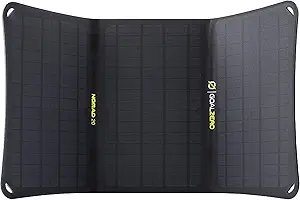
Use compact solar panels like the Jackery SolarSaga or Goal Zero Nomad that can charge phones and small devices via windowsills or balconies.
Charger for Jackery Charger
Charge phones, radios, and even small appliances with this silent, solar-compatible power station.

Battery Packs and Charging Tricks
Keep a few fully charged power banks on hand. Use solar chargers to top them off during the day. Some models now hold enough juice to run mini fridges for a few hours.
Goal Zero Nomad 20
Harness solar power from your window or rooftop with this ultra-portable, high-efficiency 10W solar panel.
Community Connections: The Overlooked Prepper Resource
How to Build Trust Without Oversharing
Get to know your neighbors without saying “I’m a prepper.” Offer to help. Share gardening tips. Over time, you’ll find allies. In a crisis, a small group is stronger than going solo.
Mutual Aid in Urban Neighborhoods
Look into local mutual aid networks. These groups often come together during crises to share food, medicine, and information. Don’t underestimate the power of community.
Everyday Carry (EDC) for Urban Environments
Small Tools, Big Impact
Your EDC might include:
- A folding knife
- Flashlight
- Mini first aid kit
- Cash
- Emergency contacts card
- USB charger cable
Gerber Gear Dime 12-in-1 Mini EDC Multitool
A pocket-sized powerhouse with 10 essential tools—perfect for daily urban carry.

What to Keep on You Daily
A multitool can fix a gear or open cans. A scarf can be a mask or a sling. A small flashlight helps in blackouts. Compact is key—think utility, not overload.
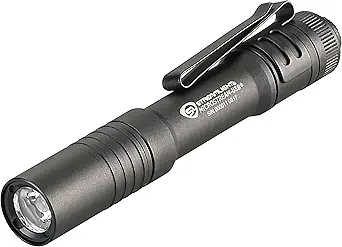
Streamlight 66604 MicroStream
Bright, compact, and USB-rechargeable—this flashlight fits right in your EDC kit or bag.
Practicing Urban Prepping Skills
Weekend Drills and Real-Life Simulations
Run blackout weekends—no lights, no internet. Practice evacuating with your bug-out bag. Try cooking only from storage foods for 72 hours.
Skills That Matter Most in a City Collapse
- Navigation without GPS
- Basic first aid
- Lockpicking (legal for emergencies)
- Situational awareness
- Fire-starting with minimal tools
Common Mistakes New Urban Preppers Make
Overpacking and Underplanning
Don’t fill your bag with gear you can’t carry. Focus on multi-purpose items and make a plan for staying or leaving. Test everything.
Thinking Gear Solves Everything
Prepping is 20% gear and 80% knowledge. A knife won’t help if you don’t know how to use it. Skills beat tools when it counts.
Conclusion: Your First Steps into Urban Prepping
Prepping doesn’t mean being paranoid—it means being prepared. In an urban environment, that preparation needs to be compact, clever, and discreet. The more you know and plan ahead, the less you’ll fear when something goes wrong.
Start with water. Add food. Learn the skills. And most of all, remember: the best urban preppers aren’t loud—they’re ready.
FAQs – Urban Prepping For Beginners
1. Can I start prepping on a tight budget?
Absolutely. You don’t need a lot of money to begin. Start with a few extra gallons of water, canned goods, and a flashlight. Focus on affordable essentials and add more over time as your budget allows.
2. I live with roommates. Can I still prep?
Yes, you can. Use personal bins, under-bed storage, or closet space to keep your supplies private and organized. There’s no need to involve others unless you trust them and want to collaborate.
3. I don’t have a car. How would I evacuate in an emergency?
If you rely on public transportation, plan walking routes and safe places you can reach on foot. Keep your bug out bag lightweight and easy to carry. A foldable bike or compact scooter can also be useful alternatives.
4. Should I tell friends I’m prepping?
Only if you trust them. It’s smart to keep your plans private to avoid becoming a resource for others during a crisis. If you do share, frame it as general emergency preparedness, not hardcore prepping.
5. Are there any good apps for urban prepping?
Yes. Apps like Zello for communication, MAPS.ME for offline navigation, Bridgefy for texting without signal, and the Red Cross First Aid app are great tools. A flashlight app and weather alerts are also useful.
Other Useful Resources Related To Urban Prepping For Beginners
Ready.gov – Disasters & Emergencies Guide
Comprehensive preparedness strategies, free materials from FEMA, and hazard-specific advice. A must-have reference for any urban prepper.
NYC Emergency Management – “Ready New York” Guides
Detailed workbooks and planning tools for city dwellers, including evacuation checklists and resource mapping.
Planet Natural – “City Living, City Prepping” Guide
Practical tips on achieving self-reliance in tight city spaces, with creative storage solutions and real-world examples.
Wired – “7 Emergency Preparedness Apps to Keep on Your Phone”
A curated list of essential apps for offline maps, communication, alerts, and first‐aid instructions during urban crises.
American Red Cross – “Make a Plan”
Step-by-step instructions for creating evacuation routes, emergency contact cards, and adapting plans for different living situations.