Some of the links in this post are affiliate links. As an Amazon Associate, we earn a referral fee from qualifying purchases—at no extra cost to you.
In a world that feels more uncertain by the day, having an urban prepper kit isn’t just smart—it’s empowering. Whether you’re worried about power outages, civil unrest, or natural disasters, being prepared gives you peace of mind in the chaos. This isn’t paranoia. It’s practicality.
And guess what? You don’t need to be living off-grid to prep. You can live on the 15th floor of a city apartment and still build a rock-solid kit that could save your life.
Table of Contents
What Is an Urban Prepper Kit?
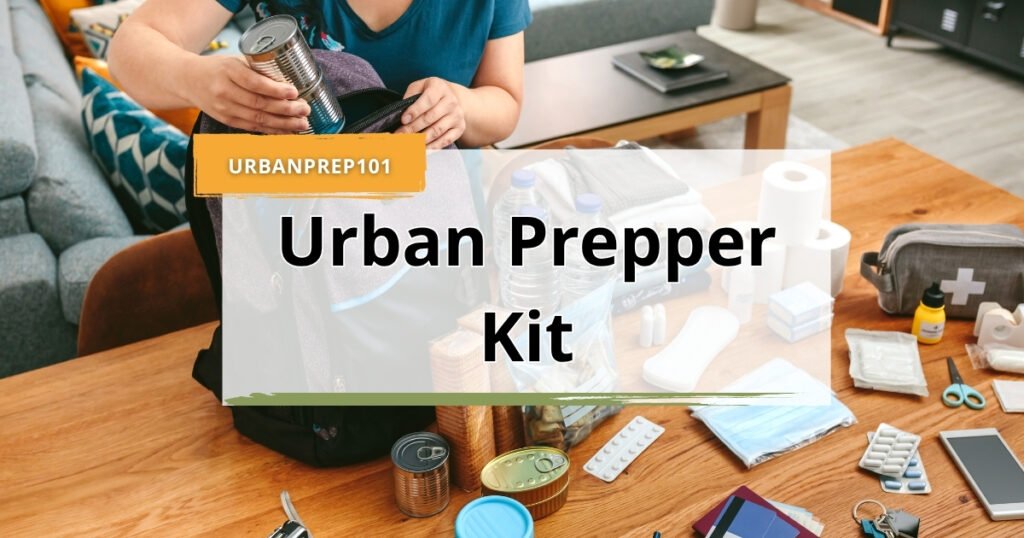
An urban prepper kit is a carefully designed bag filled with essentials to help you survive emergencies in city environments. Think earthquakes, blackouts, riots, or even being stuck in your office during a lockdown. Unlike rural bug-out bags, these kits are compact, discreet, and tailored for urban terrain—where concrete and chaos reign.
It’s not just about survival gear; it’s about having the right urban-specific tools that blend into your lifestyle while being life-saving when you need them.
Why You Need an Urban Prepper Kit Right Now
Let’s be real: cities are vulnerable. One power grid failure and everything can spiral. Public transport stops. Water becomes undrinkable. Law enforcement gets overwhelmed. In situations like that, you don’t want to be the one googling “how to purify water” with 2% battery left.
Having a well-packed urban prepper kit isn’t fear-driven—it’s future-proofing. Think of it like insurance, but it fits in a backpack.
Key Features of a Reliable Urban Prepper Kit
Not all gear is created equal. Your urban prepper kit should be:
- Compact: It needs to fit in a tight space like a locker, closet, or car trunk.
- Discreet: No loud colors or tactical looks—blend into the city crowd.
- Multi-functional: One tool should do five jobs.
- Lightweight: You might be carrying it up flights of stairs or running with it.
Everyday Carry (EDC) vs. Urban Prepper Kit
You may already have an EDC setup. That’s great. But here’s the deal:
- EDC is your daily gear: keys, wallet, pocketknife, maybe a flashlight.
- Urban prepper kit is your emergency gear: food, water filter, medical kit.
Think of EDC as your front line, and your prepper kit as your backup plan.
Urban Prepper Kit Essentials: What to Include
Let’s break it down into critical categories. These are non-negotiables if you want a kit that works when everything else breaks down.
Water and Purification
City water is usually safe—until the system crashes. You’ll need:
- Lifestraw or Sawyer Mini Filter – Compact and can filter over 100,000 gallons.
- Water purification tablets – Lightweight and fast-acting.
Emergency Food Supplies
Go for food that:
- Doesn’t need cooking
- Has a long shelf life
- Is high in calories
Options include energy bars, MREs, trail mix, or freeze-dried meals.
Shelter and Warmth
Even in the city, you might end up outdoors. Always include:
- Mylar space blanket – Retains body heat.
- Tarp or emergency bivvy – Lightweight protection against wind and rain.
First Aid Supplies
Urban environments come with glass, steel, and concrete—aka injury risks.
Your kit should include:
- Trauma supplies (gauze, tourniquet)
- Band-aids, antiseptic wipes
- OTC meds like antihistamines, aspirin
Lighting and Power
Blackouts are common in urban disasters. Always carry:
- Compact flashlight (preferably rechargeable)
- Hand-crank or solar power bank
Tools and Multi-Tools
Don’t underestimate a good tool in a jam:
- Multi-tool (with pliers, screwdriver, blade)
- Mini pry bar – For opening locked doors or removing debris
Self-Defense Gear
City emergencies often attract the worst kind of people. Consider:
- Pepper spray – Legal in most cities and effective.
- Tactical pen – Doubles as a weapon and writing tool.
Communication Tools
When cell towers fail, go analog.
- Hand-crank NOAA radio
- Cheap burner phone with prepaid SIM
Cash and ID Copies
Digital wallets won’t help if the grid is down.
- Keep $100–$300 in small bills
- Copies of your ID and medical info
Important Documents
Back up your vital documents on:
- Encrypted USB drive
- Laminated paper copies in a ziplock
Hygiene and Sanitation
Disease spreads fast when sanitation is poor.
Include:
- Travel-size wipes
- Face masks
- Disposable gloves
- Mini toothbrush and toothpaste
Tailoring Your Urban Prepper Kit to Your City
Live in NYC? Earthquake risk is low but blackouts are common. LA? Think wildfires and riots. Tailor your kit to local threats.
Also consider:
- Apartment dwellers may want collapsible water containers.
- Commuters might keep kits in cars or desk drawers.
How to Store and Carry Your Urban Prepper Kit
Go for something low-profile:
- Plain backpack in neutral colors
- Sling bag if you travel light
Stash one at home, one at work, and one in your car if possible.
Maintaining and Rotating Your Urban Prepper Kit
Set a reminder every 6 months to:
- Check expiration dates
- Charge devices or replace batteries
- Update seasonal gear (add warm gloves in winter, etc.)
Top Mistakes to Avoid When Building an Urban Prepper Kit
- Overpacking: You don’t need a machete downtown.
- Ignoring mobility: You must be able to carry it comfortably.
- Skipping personal needs: Medications, glasses, pet items matter.
Affordable Urban Prepper Kit for Beginners
On a budget? No problem. Start with:
- Reusable water bottle and filter straw
- Granola bars
- Basic first aid kit
- Cheap flashlight
- A $20 multi-tool
You can upgrade over time. Starting is what matters.
Amazon Picks for a Compact Urban Prepper Kit
LifeStraw Personal Water Filter – Ultra-light and filters up to 1,000 gallons without chemicals or batteries.

Swiss Safe Emergency Thermal Blankets (4-pack) – Compact Mylar blankets that retain 90% of body heat.

Gerber Suspension Multi-Plier Tool – 12-in-1 multitool with strong locking blades and spring-loaded pliers.

Energizer LED Tactical Flashlight – Rugged, bright, and runs on AA batteries with long runtime.

Welly Human Repair First Aid Kit – Stylish, compact kit with high-quality bandages and ointments.

Urban Prepper Kit for Families
If you have kids or older parents, your kit needs to change.
- Add comfort snacks and calming items for children.
- Include medications for elderly’s needs.
- Diapers, wipes, or even pet food for furry family members.
Conclusion
Urban life comes with unique risks—but also amazing resilience. The key to surviving chaos is preparation. With a solid urban prepper kit, you’re not just reacting to emergencies, you’re ahead of them.
Start small, stay consistent, and adapt your gear to your life. Because in the city, the calmest person is often the most prepared one.
FAQs – Urban Prepper Kit
1. What’s the difference between an urban prepper kit and a bug-in kit?
While both are essential in emergency preparedness, a bug-in kit is meant for staying put—typically at home during events like lockdowns, severe weather, or long-term power outages. It includes bulkier supplies like food, water, and home-based tools. An urban prepper kit, on the other hand, is designed for mobility. It’s a grab-and-go solution you’d rely on when your home is no longer safe and you need to navigate through city streets or evacuate quickly.
2. How heavy should my urban prepper kit be?
A well-balanced urban prepper kit should ideally weigh no more than 15–20% of your body weight. For most adults, that falls somewhere between 15 to 25 pounds. The goal is to keep it light enough for you to carry comfortably through crowded streets, stairwells, or even during a sprint—because emergencies rarely wait for you to catch your breath.
3. Can I build an effective kit using items I already have?
Yes! A lot of what you need might already be sitting around your home—like a sturdy backpack, flashlight, reusable water bottle, or even extra hygiene supplies. The smart move is to gather what you have first, see what’s missing, and then invest in a few key items to round out your kit. You don’t have to start from scratch.
4. Where can I store my kit in a small apartment?
Living in tight quarters doesn’t mean you can’t prep smartly. Tuck your kit under the bed, behind the couch, or in an entryway closet. Use a neutral-looking backpack or tote to keep it low-profile and unobtrusive. Some even disguise theirs inside bins labeled as “seasonal items” or “cleaning supplies” to avoid drawing attention.
5. How often should I test or update the contents of my kit?
At a minimum, check your kit every six months. Look for expired food or medications, dead batteries, or seasonal gear that needs swapping (like trading out winter gloves for sunscreen). And don’t forget to test your tools—practice using your multitool, assembling shelter gear, or even filtering water. Skills are just as important as supplies when it comes to survival.
Other Useful Resources Related To Urban Prepper Kit
1. FEMA – Emergency Supply List
FEMA’s official supply checklist offers foundational advice on what should go into an emergency preparedness kit, applicable to urban and suburban environments alike.
2. American Red Cross – Emergency Preparedness Resources
This page includes detailed guides for preparing for different emergencies, from earthquakes to civil unrest—great for tailoring your urban prepper kit to specific risks.
3. CDC – Emergency Water Storage and Purification
The CDC provides best practices on storing and purifying water in emergencies, an essential component of any urban survival kit.
4. NYC Emergency Management – Ready New York Guides
Specifically focused on urban preparedness, these downloadable PDFs help New Yorkers—and people in any large city—build smarter, localized kits.
5. Survival Dispatch – Urban Preparedness Tips
Survival Dispatch offers practical and tactical strategies for urban environments, including gear recommendations and real-world survival scenarios.