Some of the links in this post are affiliate links. As an Amazon Associate, we earn a referral fee from qualifying purchases—at no extra cost to you.
Power outages can strike without warning, especially in dense urban environments where the stakes feel even higher. If you live in a city, being caught off guard by a blackout can quickly turn into a stressful or even dangerous situation. But don’t panic! With the right urban power outage prep, you can protect yourself, your family, and your home while staying comfortable and secure, even when the lights go out.
Table of Contents
Understanding Urban Power Outages: Why Preparation Is Crucial
What Causes Power Outages in Cities?
Urban power outages happen for a variety of reasons. Sometimes it’s extreme weather like storms, heat waves, or heavy snowfall that damages power lines. Other times, it’s equipment failure, maintenance issues, or even cyberattacks targeting the grid. City infrastructure is complex, and when one part fails, cascading blackouts can occur. Knowing these causes helps you anticipate and prepare for outages.
How Urban Settings Make Outages More Challenging
City life comes with unique challenges during a blackout. Unlike rural areas, you likely live in apartments or multi-unit buildings where you can’t easily hook up a massive generator. Traffic lights stop working, public transportation may stall, and neighbors are all competing for limited resources. Plus, higher population density means a bigger risk of crime or accidents during outages. All these factors raise the stakes and require specialized prep strategies.
The Real Risks of Being Unprepared in an Urban Power Outage
Without power, modern urban life grinds to a halt—no elevators, no refrigeration, no heating or cooling. This puts people at risk of food spoilage, dehydration, injury, or medical emergencies. If you rely on electric medical devices, the risk is even more acute. An unplanned blackout can lead to panic, accidents, and costly damage. That’s why thorough urban power outage prep isn’t just smart—it’s essential.
Essential Urban Power Outage Prep Strategies
Building a Customized Emergency Kit for Urban Living
Your first step is assembling an emergency kit tailored to your urban lifestyle. This isn’t a one-size-fits-all situation—think compact, portable, and multipurpose. Include essentials like flashlights, batteries, a portable phone charger, first aid supplies, cash, and non-perishable snacks. Don’t forget personal hygiene items and important documents stored in a waterproof bag.
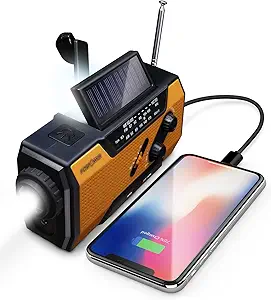
Consider adding the FosPower Emergency Weather Radio. It’s a crank/solar/battery-powered radio that also works as a flashlight and phone charger — perfect for staying informed during outages.
Must-Have Supplies for Surviving Urban Blackouts
Stockpile water—aim for at least one gallon per person per day for drinking and hygiene. Pack canned foods, dried fruits, nuts, and ready-to-eat meals that don’t require cooking. Include manual can openers and lightweight cookware if you plan to use alternative cooking methods. Also, battery-powered or crank radios keep you informed about emergency updates.
A good lighting option is the GearLight LED Lantern Pack. These lanterns are compact, very bright, and run on AA batteries, making them great for apartment use.

The Role of Water Storage and Purification in the City
In a city, tap water may become unreliable during prolonged outages. Store bottled water and consider water purification tablets or portable filters to ensure safety. If you have access to a bathtub or sink, fill it with clean water as an emergency reserve. Urban living often means limited space, so choose stackable or collapsible containers.
Add the LifeStraw Personal Water Filter. It’s lightweight, compact, and perfect for filtering questionable tap water or stored water during prolonged outages.

Backup Power Options for Urban Dwellers
Portable Generators: Pros and Cons in Urban Areas
Portable generators are popular but can be tricky in the city. Noise restrictions, fuel storage, and ventilation issues make their use more complicated. If you do get a generator, position it safely outside your building to prevent carbon monoxide poisoning and ensure compliance with local regulations.
Solar Chargers and Battery Packs for City Living
Solar-powered battery packs and chargers are quiet, safe, and eco-friendly options. They can keep your phones, tablets, and small devices powered for days. Invest in high-capacity power banks and foldable solar panels designed for portability. They’re ideal for apartments where space and noise are concerns.
Recommend the BLAVOR Solar Power Bank. It has solar recharging, dual USB ports, and even a built-in flashlight, making it perfect for apartment dwellers who need silent, fuel-free power backup.

Food Storage and Cooking Solutions Without Electricity
Without power, your fridge and freezer won’t work, so plan meals around non-perishable foods. Use coolers with ice packs to extend perishables temporarily. Consider small butane or propane stoves for cooking, but only use them outdoors or in well-ventilated areas. Remember, safety first.
Include the GasOne Portable Butane Stove. It’s compact, easy to use, and perfect for emergency cooking — just remind readers to use it outdoors or in well-ventilated spaces.

Staying Safe and Connected During Urban Blackouts
Communication Plans and Backup Devices
Cell towers may be overloaded, so having alternative communication is vital. Walkie-talkies or FRS radios help you stay in touch with family or neighbors. Prepare a contact list written down in case your phone battery dies. Establish meeting points and check-in routines to maintain connection.
Security Measures for Protecting Your Home in the Dark
Power outages can increase crime rates, so enhance your home security. Install battery-powered or solar motion-sensor lights around entrances. Keep doors and windows locked and avoid unnecessary trips outside after dark. Consider a personal alarm or pepper spray for added protection.
A great option is the AmeriTop Solar Motion Sensor Lights. They automatically turn on when motion is detected, deterring intruders and improving visibility around entryways.

Managing Heat and Cold Without Power in an Apartment
Heating or cooling systems go offline during outages, making temperature control tricky. Layer clothing, use thermal blankets, and seal drafts to keep warm in winter. In summer, close curtains during the day and open windows at night to promote airflow. Never use gas ovens or grills indoors for heat.
Medical Preparedness: Medicines and First Aid Essentials
If you or family members rely on refrigerated medications, plan for alternative storage options. Have a cooler ready and a power bank for medical devices if needed. Stock a first aid kit with bandages, antiseptics, pain relievers, and any prescription medications you may require.
Smart Urban Power Outage Prep Tips for Modern City Living
Using Smart Tech Wisely When the Grid Goes Down
Smart home devices can be a blessing and a curse during outages. Devices that rely heavily on Wi-Fi may become useless, so know how to operate important systems manually. Use apps that work offline to access stored emergency info. Prioritize keeping your smartphone charged for critical alerts.
Creating a Community Network for Mutual Assistance
Neighbors can be a lifeline. Organize or join local community groups to share resources, information, and support. A well-connected neighborhood can help spot security threats, share food or water, and assist vulnerable residents during outages.
Practical Tips for Keeping Kids and Pets Safe and Calm
Power outages can be scary for children and pets. Prepare comfort items like favorite toys, books, or snacks. Plan simple indoor games and keep a calm demeanor to reduce anxiety. Have extra pet food and water stored. Keeping routines as normal as possible helps everyone cope better.
Long-Term Urban Power Outage Survival Planning
Developing an Evacuation and Shelter Strategy
Sometimes staying put isn’t the safest option. Have a clear evacuation plan including transport, routes, and alternative shelter locations. Pack a “go bag” with essentials ready to grab. Know where local shelters or community centers are set up during emergencies.
Maintaining Hygiene and Sanitation in a Power Outage
Without running water or electricity, hygiene can become a challenge. Store hand sanitizers, wet wipes, and biodegradable soap. Plan for waste disposal by using sealed trash bags and designated containers. Maintaining cleanliness prevents illness, especially in cramped urban spaces.
Suggest the Dude Wipes Flushable Wipes. They’re convenient, space-saving, and perfect for staying clean when running water is unavailable.

Mental Health and Stress Management During Extended Outages
Blackouts can cause anxiety and frustration. Practice breathing exercises, meditation, or journaling to stay grounded. Stay connected with friends and family for emotional support. Remember, preparation reduces panic—being ready means being empowered.
Bonus Tips: Common Mistakes to Avoid in Urban Power Outage Prep
Overreliance on Single Power Sources
Don’t count on just one backup power method. Combine solar chargers, power banks, and maybe a small generator to ensure flexibility. Redundancy can be a lifesaver during extended outages.
Ignoring Local Emergency Services and Alerts
Stay informed through official channels. Sign up for local emergency notifications via text or apps. Knowing what’s going on outside your building can help you make better decisions.
Underestimating the Duration and Impact of Outages
Power outages can last hours or even weeks. Prepare for worst-case scenarios rather than just short-term inconveniences. The more prepared you are, the more comfortable and safe you will be.
Conclusion: Taking Control of Your Urban Power Outage Prep Today
Living in the city means you’re more vulnerable to the disruptive effects of power outages, but it also means you have resources and community around you to tap into. By building a thoughtful, practical urban power outage prep plan, you turn uncertainty into confidence. Don’t wait for the next blackout to catch you off guard—start preparing today, so when the lights go out, you’ll be ready to shine.
FAQs – Urban Power Outage Prep
1. How can I safely store fuel for backup generators in an urban setting?
In cities, fuel storage is heavily regulated due to fire safety laws. If you need to store gasoline or propane, check your building rules and local fire codes. Use only approved fuel containers, store them in a well-ventilated outdoor space, and keep them away from heat sources. For many apartment dwellers, it’s safer to rely on battery-based systems instead of fuel-powered generators.
2. What’s the best way to keep refrigerated medications safe during a long blackout?
If you rely on medications that need refrigeration, prepare an insulated cooler with multiple ice packs and keep it ready for emergencies. Consider investing in a small portable battery-powered medical fridge. Notify your pharmacist in advance about your power outage plan, as some pharmacies have backup generators and may store your medication temporarily.
3. Can I use my car as a power source during an outage?
Yes, your car can serve as a temporary power source using a power inverter to run small devices or charge electronics. However, never run your car in an enclosed garage, as this creates a deadly carbon monoxide risk. Keep it outside with the exhaust facing away from living spaces.
4. How do I keep food safe if my fridge is off for more than a day?
Keep refrigerator and freezer doors closed as much as possible to maintain temperature. A full freezer can keep food safe for about 48 hours (24 if half-full). Use a fridge/freezer thermometer to monitor temperatures—discard perishable items if they reach above 40°F (4°C) for more than 2 hours.
5. What legal or building restrictions should I check before buying backup power devices?
Before investing in generators, large batteries, or even certain solar panels, check with your landlord, condo board, or local government. Many urban areas have restrictions on noise levels, exhaust emissions, and equipment placement. Violating these rules could result in fines or confiscation of your gear.
Other Useful Resources Related To Urban Power Outage Prep
- Ready.gov – Power Outages
A U.S. government source providing practical, reliable guidance: how to protect perishable items, use generators safely, avoid carbon monoxide risks, and maintain essentials during outages. - Ready.gov PDF: “Be Prepared for a Power Outage”
This downloadable fact sheet covers key safety protocols—keeping freezers closed, using generators outdoors, unplugging electronics to avoid surges—all in a concise, printable format. - OPEI (Outdoor Power Equipment Institute) Generator Safety Tips — News Article
Highlights expert advice on generator placement, ventilation, carbon monoxide detectors, fuel handling, and preventing backfeeding—all critical for urban dwellers. - How to Store Fuel Safely for Generators
A detailed guide covering best practices for fuel storage: choosing proper containers, selecting secure and ventilated locations, regular maintenance, labeling, and rotation. - Extension Usu – Safely Use Alternative Heating and Lighting During Power Outages
Offers practical, safe alternatives like battery-operated lights, propane lanterns, and safe heating options when electricity fails. Great for an urban preparedness toolkit.