

Table of Contents
Understanding Emergency Waste Disposal: Why It Matters More Than You Think
Picture this: a storm hits, power lines are down, and waste collection is suspended indefinitely. Suddenly, your usual waste management system vanishes overnight. The question isn’t just about where to throw your trash — it’s about how to keep disease and contamination at bay while preserving your dignity and comfort.
Emergency waste disposal is critical for maintaining sanitation when the usual infrastructure is gone. Without proper waste management, you risk outbreaks of illness, foul odors that attract pests, and contamination of vital water sources. Whether you’re prepping for natural disasters, off-grid living, or unexpected city blackouts, mastering emergency waste disposal strategies can make a profound difference in your safety and well-being.
What Is Emergency Waste Disposal? A Clear Definition
At its core, emergency waste disposal encompasses the temporary techniques used to manage all kinds of waste—human, household, hazardous—during times when normal waste systems are down or inaccessible. This includes human excreta, food scraps, garbage, and even hazardous materials.
The goal? To prevent health hazards, minimize environmental impact, and keep living spaces livable until regular waste services are restored.
The Hidden Dangers of Ignoring Waste Disposal in Emergencies
You might think, “It’s just trash, right?” Wrong. When waste piles up unchecked, it becomes a hotbed for pathogens that cause serious diseases. Contaminated water sources lead to outbreaks of cholera and dysentery, while flies and rodents spread illnesses further. In worst cases, ignoring waste disposal can turn your shelter into a health nightmare.
Effective emergency waste disposal is a frontline defense to protect you and your loved ones from these risks.
Types of Waste to Manage in an Emergency
Knowing what you’re dealing with helps you plan better. Waste generally falls into these categories:
- Human waste: Urine and feces require special handling to avoid disease.
- Food scraps and organic waste: Can rot quickly and attract pests.
- Household garbage: Packaging, plastics, and general trash.
- Hazardous waste: Batteries, chemicals, expired medications, and medical waste.
- Recyclables and compostables: When possible, sorting these can reduce overall waste.
Each type demands different disposal techniques, especially during emergencies.
Quick Assessment: Evaluating Your Waste Disposal Needs in an Emergency
Before rushing to solutions, assess your unique situation:
- How many people are in your group?
- What’s the expected duration without regular waste services?
- What resources—tools, space, supplies—do you have?
- Are you in an urban apartment or a rural off-grid setting?
This helps determine if you need short-term fixes or more sustainable systems.
11 Effective Emergency Waste Disposal Methods You Need to Know
Using Portable Toilets: The First Line of Defense
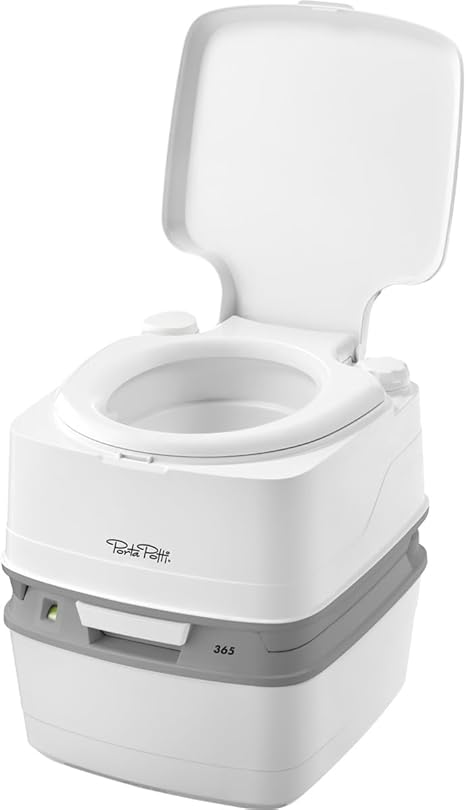
Portable or chemical toilets are designed specifically for emergencies and camping. They contain waste in sealed tanks and use chemicals to reduce odor and bacterial growth. These units are compact, relatively affordable, and easy to maintain. For anyone expecting a short-term outage, investing in a portable toilet is a game-changer.
The Thetford Porta Potti 365 Portable Toilet is a compact, durable unit with separate fresh-water and waste tanks, making it an ideal choice for short-term emergencies or camping.
Tips:
- Use proper chemicals to neutralize waste.
- Regularly empty tanks in approved dump stations or latrines.
- Keep toilet seats clean and covered to reduce smells.
Creating a DIY Latrine: Safe and Sanitary Pit Toilets
If a portable toilet isn’t an option, a DIY latrine or pit toilet can serve as a lifesaver. Select a spot at least 200 feet away from water sources. Dig a hole about 2-3 feet deep and cover waste after each use with dirt or ash to limit odor and flies.
Pro tips:
- Mark the latrine.
- Rotate locations if possible to avoid overuse.
- Wash your hands thoroughly after use.
Waste Bag Systems: The Ultimate No-Fuss Solution
Emergency waste bags lined with absorbent powder or gel packets can quickly contain human waste. These “wag bags” are especially handy for apartment dwellers or people on the go. Simply seal the bag after use and store it safely until disposal.
The Cleanwaste Go Anywhere Waste Bags (12 Pack) come with gelling powder to solidify waste, keeping things hygienic and odor-free until proper disposal.

Composting Toilets: Turning Waste into a Resource
For longer-term emergencies or off-grid living, composting toilets use aerobic decomposition to transform human waste into safe compost. This requires a well-ventilated container and careful management of moisture and carbon-rich materials like sawdust.
While more complex, composting toilets reduce environmental impact and eliminate the need for water.
The BOXIO Toilet is a long-term, eco-friendly solution that transforms human waste into compost, perfect for off-grid or extended emergency use.

Managing Gray Water: What You Should Do
Gray water includes wastewater from sinks, showers, and laundry. It can carry pathogens and soap residues, so never dump it near water sources or food gardens. Collect gray water in containers and dispose of it by soaking into the soil away from wells or streams.
Reuse for irrigation is possible, but only with biodegradable soap and in small amounts.
Handling Household Garbage: Temporary Storage and Disposal
Keep household garbage in sealed bins or heavy-duty bags. Avoid letting trash pile up inside your living space. Store containers outdoors away from your home, ideally in rodent-proof containers. When possible, burn or bury waste, but be cautious of toxic fumes.
Hazardous Waste Disposal: Don’t Let It Harm You
Batteries, expired medications, and chemicals require special handling. Store these separately in labeled, leak-proof containers. If community hazardous waste collection is unavailable, hold onto them until services resume.
Never burn hazardous waste, as it releases toxic fumes.
Using Incinerators and Burn Pits: Pros and Cons
Burning waste reduces volume but can harm air quality and health. If you must use a burn pit:
- Choose a safe, open area far from homes.
- Burn only dry, non-toxic waste.
- Avoid plastics and chemicals.
Smoke can carry harmful pollutants, so weigh the risks.
DIY Ash Disposal and Sanitation
Wood ash from fires can be mixed with human waste in latrines to neutralize pathogens and reduce odors. It’s a natural disinfectant and pest deterrent. Keep ash dry and apply after each use.
Dealing With Animal Waste and Dead Animals
Animal waste needs to be isolated from human living areas. Use separate pits or bury deep with lime to prevent smells and disease. Dead animals require careful disposal — bury at least 3 feet deep and away from water sources to stop contamination.
Working with the Community for Waste Management
In a group or community setting, coordinate waste management efforts. Shared latrines, compost piles, and garbage pits make disposal easier and more hygienic. Rotate responsibilities and ensure everyone follows sanitation protocols.
Essential Supplies for Emergency Waste Disposal You Should Always Have
Be proactive. Keep these on hand:
- Heavy-duty trash bags
- Disposable gloves
- Disinfectants and bleach
- Shovel and digging tools
- Lime or wood ash
- Sealable containers
- Portable toilet or waste bags
These items help manage waste safely and comfortably.
The Hefty Ultra Strong Tall Kitchen Trash Bags are heavy-duty with leak-resistant drawstrings, making them perfect for safely storing waste and controlling odors during emergencies.

DIY Emergency Waste Disposal Kits: What to Include and Why
Creating a kit ensures readiness. Include gloves, waste bags, disinfectants, toilet paper, a small trowel, and instructions. Store the kit in a waterproof container accessible to all household members.
The Survival Kit is a compact, waterproof kit with gloves, tools, and essentials you can combine with waste bags for a ready-to-go emergency sanitation setup.

How to Prevent Disease Transmission Through Waste During Emergencies
Waste is a vector for disease, but simple habits break the chain:
- Wash your hands thoroughly after any waste handling.
- Use gloves when cleaning or disposing of waste.
- Keep waste containers covered.
- Use disinfectants regularly.
- Educate family or group members on sanitation importance.
Environmental Impact of Poor Emergency Waste Disposal and How to Minimize It
Improper disposal contaminates soil and water, harming plants and animals. Avoid dumping waste in streams or fields. Use natural absorbents and bury waste deep to protect ecosystems. Prioritize composting and recycling whenever possible.
Legal and Regulatory Considerations in Emergency Waste Disposal
Check local laws about waste disposal during emergencies. Some areas have specific regulations about burying waste or burning garbage. Following guidelines prevents legal trouble and ensures community safety.
Conclusion: Taking Charge of Your Sanitation When It Matters Most
Emergency waste disposal might not be glamorous, but it’s essential. It’s about dignity, health, and survival. When the world turns upside down, having clear, actionable strategies for managing waste keeps you safe and your environment livable.
Start preparing now. With the right tools and knowledge, you can face any emergency with confidence, knowing that you’ve mastered the art of emergency waste disposal.
FAQs
1. Can I safely reuse gray water for cleaning or irrigation during an emergency?
While your post mentions collecting gray water, it doesn’t explain safe reuse in detail. Gray water can be reused for flushing toilets, cleaning, or irrigating plants—but only if it’s free of harmful chemicals, soaps, or contaminants. Always avoid using gray water on edible plants unless it has been properly treated.
2. How do I safely dispose of pharmaceutical waste in an emergency?
Your post briefly mentions expired medications under hazardous waste, but doesn’t give disposal guidance. Medications should never be flushed or thrown in regular trash. Store them in a sealed, labeled container until you can reach a pharmacy take-back program or approved hazardous waste facility.
3. What’s the best way to minimize odors in a long-term emergency latrine?
You cover latrines and ash use, but readers may want extra odor-control tips. Beyond covering waste with soil or ash, adding biochar, sawdust, or lime can reduce smell and deter flies. Ventilation and a small DIY vent pipe also significantly improve odor management.
4. Are there safe ways to incinerate hazardous or chemical waste if no collection is available?
Burn pits are discussed, but the post doesn’t address chemicals specifically. It’s critical to never burn plastics, batteries, or chemicals, as they release toxic fumes. Instead, store these safely in sealed, labeled containers until proper disposal is possible.
5. How can I protect children and pets during emergency waste disposal?
The post talks about hygiene but doesn’t give child- and pet-specific precautions. Keep waste areas secure, use childproof containers, supervise any participation in waste handling, and educate older children about handwashing and avoiding contamination.
Other Useful Resources Related To Emergency Waste Disposal
- U.S. EPA – Material and Waste Management Planning Activities
Guidance from the U.S. Environmental Protection Agency on planning for waste management in disaster scenarios. - U.S. EPA – All‑Hazards Waste Management Planning Tool
A planning tool from the EPA to help communities prepare comprehensive waste management plans for emergencies. - UNHCR – WASH in Emergencies (Water, Sanitation & Hygiene)
United Nations High Commissioner for Refugees (UNHCR) guidance on managing sanitation and solid waste in emergency settings. - Solid Waste Management in Emergencies – WHO/WEDC Technical Note
A technical note on the safe disposal of solid waste during emergencies, emphasizing public health considerations. - CDC – Emergency WASH Planning, Training, and Response Resources
Centers for Disease Control and Prevention (CDC) resources on planning and training for water, sanitation, and hygiene emergencies, including waste considerations.