
Table of Contents
Why Every College Student Should Care About Prepping
College life is exciting, but it’s also unpredictable. Whether it’s a sudden storm, power outage, or even a larger emergency, being prepared can make all the difference. The truth is, prepping isn’t just for survivalists—it’s for anyone who wants peace of mind and control in uncertain situations. As a college student, prepping means setting yourself up to handle everyday challenges and unexpected crises with confidence.
Understanding College Student Prepping: What Does It Mean?
Prepping for college students is about practical readiness tailored to your unique lifestyle. You’re balancing academics, social life, and often living away from home for the first time. It means having essentials ready, learning crucial survival skills, and being smart about limited space and budget. It’s less about stockpiling endless supplies and more about strategic planning.
Building Your College Student Emergency Kit: What You Need and Why
A solid emergency kit is your first line of defense. Think compact but comprehensive. Include basics like water, non-perishable snacks, a flashlight, batteries, and a first aid kit. Don’t forget personal items—medications, hygiene products, and copies of important documents. The key is to build a kit that fits your dorm or apartment space without being bulky.
Ready America 72-Hour Emergency Kit – A compact, all-in-one starter kit designed for small spaces.

Water Storage and Filtration: Staying Hydrated On and Off Campus
Water is life. Having a reusable water bottle is a given, but also consider water purification tablets or a portable filter. You never know when tap water might not be safe or accessible, especially during natural disasters or campus emergencies.
LifeStraw Personal Water Filter – Portable, lightweight, and perfect for emergencies.

Sawyer Mini Water Filtration System – Another budget-friendly option that works well for daily carry.

Food Prepping for College Students: Easy, Nutritious, and Long-Lasting
Stock up on high-calorie, non-perishable foods that require minimal prep—think protein bars, nuts, canned beans, and instant oatmeal. Having these on hand ensures you can keep your energy up during power outages or when campus dining is closed.
Augason Farms 72 Hour Emergency Food Supply – Stackable bucket, great for dorm/apartment storage.

Clif Bars Variety Pack – Compact high-calorie snacks for energy when dining halls are closed.

The Importance of Financial Preparedness: Budgeting for Prepping on a Student’s Income
Money is tight for most students, so prepping smart means prioritizing. Start small—buy essentials gradually instead of all at once. Use student discounts, buy in bulk where possible, and focus on multi-use items. Prepping doesn’t have to break the bank; it’s about strategic purchases.
Safety and Security Tips for College Students: Personal Safety in Emergencies
Knowing how to stay safe is as crucial as having supplies. Learn campus emergency protocols, identify safe spots in your dorm, and have a plan for communicating with friends and family. Consider investing in a personal alarm or pepper spray if allowed.
SABRE Pepper Spray Keychain – Legal in most states, discreet, and effective.

Self-Defense Basics Every College Student Should Know
Self-defense isn’t about fighting; it’s about staying aware and confident. Simple moves, situational awareness, and carrying small defensive tools can boost your security and peace of mind.
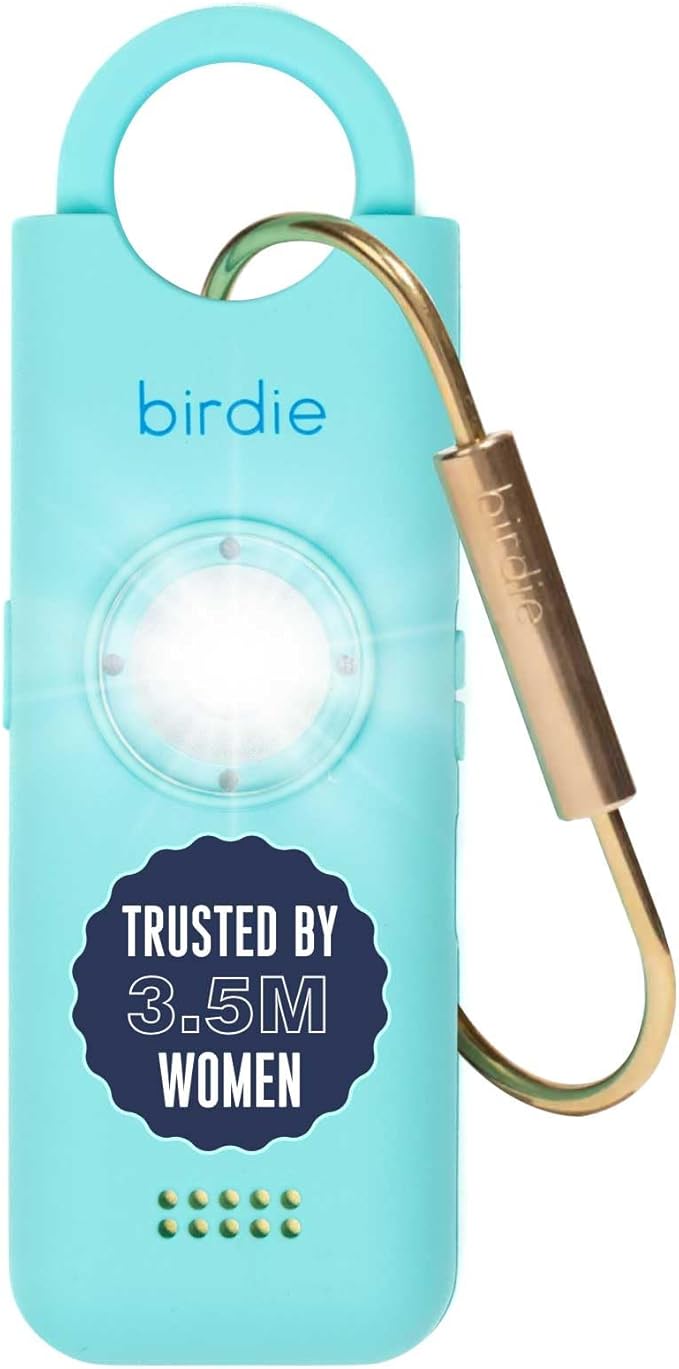
She’s Birdie Personal Safety Alarm – Loud alarm with light to draw attention instantly.
Tactical Flashlight (2 Pack) – Doubles as a self-defense tool and reliable light source.

Essential Survival Skills for College Students: Beyond the Kit
Prepping isn’t just about stuff—it’s about skills. Learn how to administer basic first aid, perform CPR, and read a map. These skills make you a valuable asset in emergencies and increase your chances of staying safe.
First Aid Only 350-Piece Kit – Affordable, well-stocked, and perfect for student use.

Fire Safety and Prevention in Dorms and Apartments
College dorms have rules, but fires can still happen. Know how to safely use candles, cooking appliances, and be familiar with fire exits. Keep a small fire extinguisher handy if allowed.
First Alert EZ Fire Spray – Compact and dorm-safe fire extinguisher alternative.

Kidde Smoke & Carbon Monoxide Detector – Easy add-on for extra safety in older apartments.

Mental and Emotional Preparedness: Staying Calm When It Counts
Emergencies are stressful. Building mental toughness through mindfulness, meditation, or even just having a positive mindset helps you stay calm and think clearly. Being prepared mentally is as important as having physical supplies.
Navigating Limited Space: Smart Storage Solutions for College Prepping
Dorm rooms aren’t known for space. Use under-bed storage, vacuum-seal bags, and multi-functional items. Think vertically—shelves and hooks maximize your limited room. Being organized means you can access your supplies quickly when needed.
Vacuum Storage Bags – Compress clothing or blankets to free up dorm space.

Sterilite Underbed Storage Bin – Perfect for stashing emergency gear out of sight.

Technology and Communication: Staying Connected During Emergencies
Keep your phone charged with a portable power bank. Download emergency apps, save important contacts offline, and have a backup way to communicate if cell service goes down. Knowledge is power, and information saves lives.
Anker PowerCore Portable Charger – Reliable power bank for phones and small devices.

Midland ER310 Emergency Crank Radio – Combines weather alerts, charging, and a flashlight.

Building a Support Network: Why Community Matters in College Prepping
Prepping alone is tough. Connect with roommates, classmates, or local prepper groups. Share resources and plans. Together, you’re stronger and can respond better to any crisis.
Common Prepping Mistakes College Students Make (And How to Avoid Them)
Avoid overbuying bulky supplies you won’t use or ignoring basic skills. Don’t stash expired food or forget to update your kit seasonally. Planning realistically for your campus lifestyle will keep your prepping effective and stress-free.
Staying Ready Year-Round: Seasonal and Campus-Specific Prepping Tips
Prepare for different scenarios—winter storms, summer heat, or campus closures. Adjust your kit and plans accordingly. Keeping your prepping flexible ensures you’re ready no matter the season.
How to Balance Prepping with Busy College Life
You’ve got classes, jobs, and social events. Make prepping part of your routine by dedicating a few minutes weekly to checking supplies or learn a new skill. Small, consistent steps are the secret to staying prepared without feeling overwhelmed.
The Best Prepping Resources and Tools for College Students
Books, websites, and apps tailored for beginner preppers are gold mines of information. Choose resources that fit your learning style and keep you motivated. Consider affordable prepping tools designed for compact living.
The Pocket Guide to Emergency Preparedness – A small, beginner-friendly book written for tight budgets.

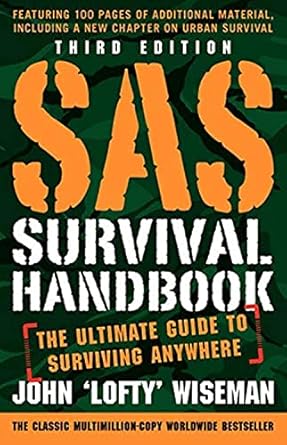
SAS Survival Handbook (Compact Edition) – Classic, skill-based resource in a student-friendly size.
Conclusion: Empower Your College Journey with Smart Prepping
College student prepping isn’t about paranoia—it’s about empowerment. By building a practical emergency kit, mastering essential survival skills, and creating a solid plan, you’re investing in your safety and peace of mind. Campus life can throw curveballs, but with prepping, you’ll be ready to catch them confidently. Start small, stay consistent, and remember: preparedness is a superpower anyone can develop.
FAQs
1. Should college students have a bug-out plan if they live in dorms?
Yes. Even though dorm residents don’t control the building, having a simple bug-out plan is smart. Know evacuation routes, campus assembly points, and alternate shelter locations. Keep a lightweight grab-and-go bag ready in case you must leave quickly during fires, gas leaks, or severe weather.
2. How can international students prepare for emergencies far from home?
International students should store copies of passports and visas digitally and physically, keep embassy contact information accessible, and have a small emergency fund in local currency. It’s also helpful to learn local emergency numbers and campus safety procedures ahead of time.
3. What legal restrictions should students know about emergency gear on campus?
Many campuses have rules regarding pepper spray, knives, candles, or fuel storage. Students should review campus housing policies to avoid confiscation or disciplinary action. Choosing campus-approved safety tools ensures preparedness without rule violations.
4. How often should a college emergency kit be updated?
A good rule is to review kits at the start of each semester. Replace expired food, medications, and batteries. Seasonal changes, room moves, or new class schedules may also require adjusting your plan.
5. What should students do if their roommate isn’t interested in prepping?
Respect shared space while keeping personal supplies compact and organized. Communicate calmly about basic safety plans like evacuation routes. Leading by example often encourages roommates to adopt simple preparedness habits over time.
Other Useful Resources Related To College Student Prepping
- Ready Campus – Emergency Preparedness for Students — FEMA’s Ready.gov guide specifically for campuses, with planning tools, evacuation tips, and preparedness checklists.
- Ready.gov – National Preparedness Resources — The official U.S. site for building an emergency kit, making a plan, getting alerts, and general disaster prep steps.
- American Red Cross – How to Prepare for Emergencies — Practical tips on building kits, making family/group plans, and learning life-saving skills like CPR.
- Emergency Preparedness – UCLA Student Affairs — A campus-oriented preparedness site with concrete steps students can follow for kits, plans, and info sources.
- Online Emergency Preparedness Guides – UMD Office of Emergency Management — A curated set of preparedness plans, print materials, apps, and videos useful for students and individuals.