
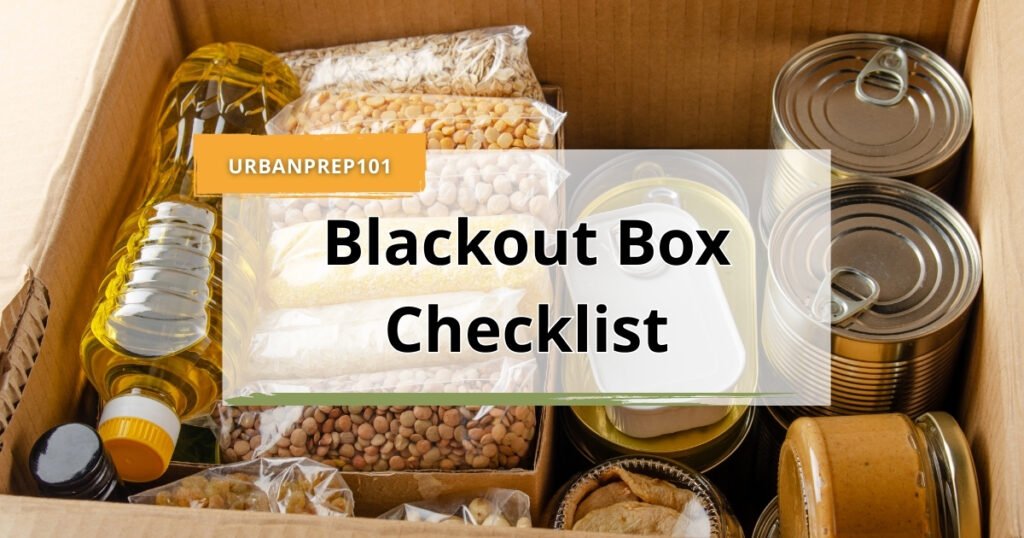
Power outages can strike without warning, leaving you in darkness and stress. The best way to face these situations calmly is to have a blackout box ready. This comprehensive guide covers a complete blackout box checklist, including essentials for survival, safety, and comfort. By preparing ahead, you can protect your family, save time, and stay stress-free during unexpected emergencies.
Why Every Home Needs a Blackout Box
The Hidden Risks of Power Outages
Even a short blackout can disrupt daily life and create serious risks. Refrigerated food spoils quickly, electronic devices die, and communication can be lost. Extended outages increase the danger of accidents and stress for the entire household. A well-stocked blackout box reduces these risks and keeps your family safe.
Peace of Mind Through Preparedness
Knowing you have the right supplies gives a sense of security few other measures can. It’s not just about survival—it’s about comfort and calm. A blackout box acts as a ready-to-go kit that helps you manage stress effectively. Being prepared transforms uncertainty into confidence.
How a Blackout Box Saves Time and Stress
Without a plan, searching for candles, batteries, or water during a blackout can waste precious time. A blackout box puts all essentials in one place for quick access. You can focus on family safety rather than scrambling for supplies. This saves both time and unnecessary anxiety.
What is a Blackout Box?
Definition and Purpose
A blackout box is a compact emergency kit designed for power outages. It contains everything you need to survive and stay comfortable until electricity returns. Its main purpose is quick access and preparedness during unexpected events. Think of it as your personal power outage survival toolkit.
How It Differs from a Bug-Out Bag or Emergency Kit
Unlike a bug-out bag meant for evacuation, a blackout box stays at home. It focuses on sustaining your household in place during outages. It emphasizes tools, food, and comfort rather than mobility. This distinction ensures your preparation is location-specific and practical.
Key Benefits of a Ready-to-Go Box
A well-stocked blackout box minimizes panic and uncertainty. It provides all essentials in a single container, eliminating frantic searches. It can be customized to family size, pets, and climate needs. Overall, it turns a disruptive blackout into a manageable situation.
How to Build a Blackout Box Checklist
Step 1: Choosing the Right Container
The container should be durable, waterproof, and easy to carry. Plastic totes with secure lids or sturdy backpacks are popular choices. Choose a size that fits your family’s needs but remains portable. Labeling it clearly ensures everyone can access it quickly.
The Plano Storage Trunk with Wheels is a durable, portable, and waterproof container perfect for organizing and storing your blackout box essentials.

Step 2: Identifying Your Needs
List your family’s essential items first: water, food, medicine, and tools. Consider special requirements for children, elderly family members, or pets. This personalized approach ensures the blackout box checklist is practical. Tailoring your box saves frustration during emergencies.
Step 3: Organizing by Priority
Place critical items on top for immediate access. Group similar items together—food, water, tools, and medical supplies. Keeping it organized reduces confusion during stressful situations. A logical layout makes your blackout box efficient and easy to use.
Essentials for Survival
Water Storage and Filtration
Water is the most crucial item during outages. Include at least one gallon per person per day for drinking and hygiene. Portable water filters or purification tablets ensure safe drinking water. Staying hydrated keeps everyone healthy and alert.
Non-Perishable Food Items
Choose foods that don’t require refrigeration, like canned goods, granola, or dried fruits. Include high-protein snacks like nuts or jerky for sustained energy. Ensure you have enough for at least three days. Variety also keeps morale high during prolonged outages.
Manual Cooking and Heating Tools
Portable stoves, hand-crank cookers, or charcoal grills are ideal for blackout situations. Make sure to have fuel stored safely and away from flammable areas. Even a small manual cooking setup can make meals possible. Heat and cooked food bring comfort and survival security.
Tools and Equipment You Can’t Forget
Flashlights, Headlamps, and Batteries
Lighting is essential for safety and convenience during blackouts. Headlamps keep hands free, while flashlights provide mobility. Include extra batteries or rechargeable options. Proper lighting prevents accidents and maintains order.
The Eveready LED Headlamp provides hands-free lighting with long battery life, perfect for safely moving around in the dark.

Multi-Tools and Hand-Crank Devices
Multi-tools are versatile, serving cutting, opening, and repair functions. Hand-crank radios and chargers provide access to news and communication without electricity. These tools are compact yet invaluable. They turn your blackout box into a full survival toolkit.
The Leatherman Wingman Multi-Tool offers 14 functions in one compact design, ideal for repairs, food prep, and emergencies.

The FosPower Emergency Hand Crank Radio not only lets you listen to weather alerts but also works as a flashlight and phone charger.

Communication Devices for Emergencies
Stay informed with battery-powered or hand-crank radios. A backup smartphone charger ensures you can call for help if needed. Walkie-talkies can help coordinate family members. Effective communication is a cornerstone of blackout preparedness.
Health and Safety Must-Haves
First Aid Kit Essentials
Include bandages, antiseptics, pain relievers, and personal prescriptions. Minor injuries can become major without proper care. A well-stocked first aid kit ensures prompt treatment. Health is your first priority during any emergency.
The Adventure Medical Kits Ultralight/Watertight First Aid Kit includes bandages, antiseptics, and essential supplies in a compact waterproof pouch.

Hygiene and Sanitation Supplies
Toilet paper, hand sanitizer, wet wipes, and garbage bags maintain hygiene. Proper sanitation prevents illness during extended blackouts. Include items for both personal and pet hygiene. Cleanliness contributes to overall well-being and morale.
The Dude Wipes Flushable Wipes are portable, unscented, and ideal for maintaining hygiene during prolonged outages.

Personal Protective Gear
Gloves, masks, and safety goggles protect against debris or accidents. In dark or hazardous conditions, protective gear is critical. Even simple items reduce injury risks. Safety should never be overlooked in blackout planning.
Comfort and Practical Items
Blankets and Clothing for Cold Nights
Warm clothing and thermal blankets keep body temperature regulated. Layered clothing works well for fluctuating temperatures. Comfort reduces stress during long outages. Think of it as emotional and physical insurance.
The Swiss Safe Emergency Mylar Thermal Blankets retain up to 90% body heat, keeping you warm during cold nights without power.

Entertainment and Stress Relief Items
Books, cards, or puzzles keep family morale high. Light entertainment alleviates boredom and tension. Include items suitable for all age groups. Mental wellness is just as important as physical preparedness.
Cash, Important Documents, and Backup Power
Store emergency cash in small denominations for utility or food purchases. Keep copies of ID, insurance, and medical documents. Portable power banks support essential electronics. Together, these items ensure continuity during times of crisis.
The Anker PowerCore Portable Power Bank offers reliable backup power for charging smartphones and small devices.

Tips for Maintaining Your Blackout Box
Regularly Checking Expiration Dates
Food and medical supplies expire, so inspect them monthly. Replace or rotate items as needed. Staying proactive prevents wasted resources. Routine checks keep your blackout box reliable.
Seasonal Adjustments for Different Climates
Adjust clothing, blankets, or water needs according to the season. Hot summers and cold winters demand different items. Tailoring your box ensures comfort and efficiency. Seasonal planning maximizes preparedness.
Rotating Items for Maximum Efficiency
Use or replace items periodically to maintain freshness. This includes food, batteries, and medications. Rotation prevents surprises during an emergency. A dynamic blackout box is always ready to perform.
How to Use Your Blackout Box During an Outage
Quick Access and Placement in Your Home
Place the box in an easily accessible area. Avoid cluttered storage spaces. Everyone should know its location. Quick access ensures smooth operation when the lights go out.
Prioritizing Items During a Crisis
Start with essentials: water, food, and lighting. Then move to tools, hygiene, and comfort items. Prioritization reduces chaos. A stepwise approach keeps the household calm.
Sharing Your Blackout Box With Family
Teach family members how to use and manage the box. Assign roles for meals, lighting, or sanitation. Teamwork makes outages manageable. Familiarity reduces panic and confusion.
Advanced Additions for Long-Term Blackouts
Solar Chargers and Power Banks
Solar-powered devices provide renewable energy during prolonged outages. Power banks store essential energy for devices. These items extend survival capabilities. Investing in renewable options is smart planning.
The BigBlue Solar Charger is a foldable solar panel with USB ports, giving you renewable power during long-term outages.

Portable Water Containers and Filters
Large water containers ensure a supply for multiple days. Filters and purification tablets allow safe consumption. These items prevent dehydration and maintain hygiene. Water independence is critical.
The Reliance Aqua-Tainer 7-Gallon Water Container is rugged, stackable, and includes a spigot for easy dispensing.

The LifeStraw Personal Water Filter removes bacteria and parasites, making it a must-have for safe drinking water when supplies are limited.

Emergency Cooking Equipment
Portable stoves, fire starters, and compact grills support long-term food preparation. Fuel should be stored safely in ventilated areas. Proper cooking equipment maintains nutrition and morale. Meals become a stabilizing force during crises.
The GasOne Portable Butane Camp Stove is compact and safe for indoor/outdoor use, ensuring you can still cook meals without electricity.

Common Mistakes to Avoid With Your Blackout Box
Overpacking or Underpacking
Too much makes the box cumbersome, too little leaves gaps in preparedness. Balance is essential. Stick to essentials first, then add optional items. Efficiency matters in emergencies.
Ignoring Family or Pet Needs
Neglecting pets or family members’ specific needs creates vulnerabilities. Include food, medicine, and comfort items for everyone. Planning for all household members is non-negotiable. Preparedness is about inclusivity.
Forgetting to Maintain or Rotate Items
A neglected blackout box loses its value quickly. Check expiration dates, battery life, and functionality. Active maintenance ensures readiness. An outdated box is a false sense of security.
DIY vs. Pre-Made Blackout Boxes
Pros and Cons of Building Your Own
Custom boxes fit your exact needs and preferences. However, sourcing items individually takes time. DIY boxes allow personalization but require commitment. Tailoring pays off if done right.
Benefits of Buying a Ready-Made Kit
Pre-made kits save time and are convenient. They include tested essentials for typical blackouts. However, customization may be limited. They’re ideal for beginners or busy families.
How to Customize a Pre-Made Kit
Add personal items like medications, family comfort items, or pet supplies. Replace low-quality items with higher-grade alternatives. Customization bridges convenience and personal needs. The result is a fully functional, ready-to-go blackout box.
Conclusion
A blackout box checklist ensures your home is ready for unexpected power outages. By combining essentials for survival, comfort, and safety, you can protect your family while reducing stress. Regular maintenance and seasonal adjustments keep the box functional year-round. Preparedness is more than a task—it’s peace of mind, confidence, and resilience when the lights go out.
FAQs
1. How long should a blackout box realistically sustain a household?
Most basic blackout boxes are designed for short-term outages lasting 24–72 hours. However, real-world blackouts caused by storms, grid failures, or infrastructure damage can last a week or more. Ideally, a blackout box should sustain your household for at least three days, with a plan to expand supplies for longer disruptions. Readers benefit from understanding that a blackout box is the first layer of preparedness, not the entire solution.
2. Should I store my blackout box in one large container or several smaller ones?
While a single large container keeps everything centralized, multiple smaller boxes can improve accessibility. For example, keeping one lighting-and-tools box in the living room and another food-and-water box in the kitchen prevents bottlenecks during an outage. This modular approach also makes it easier to grab essentials quickly if parts of the home become inaccessible.
3. How can I make my blackout box safe for small children to access?
Families with young children should childproof the contents of blackout boxes. Items like matches, knives, medications, or fuel should be stored in sealed secondary containers or placed in upper compartments. At the same time, children should know where safe items, such as flashlights or blankets, are located so they can feel involved without being exposed to hazards.
4. What items in a blackout box should never be stored long-term?
Some items degrade or become unsafe over time, including butane fuel canisters, alkaline batteries in devices (due to leakage risk), and certain medications sensitive to heat. Readers often overlook that not everything belongs in long-term storage. This FAQ reinforces maintenance awareness beyond just checking expiration dates.
5. How do I test my blackout box before a real emergency happens?
A practical way to validate readiness is to run a “power-off drill” once or twice a year. Turning off household power for an hour or evening lets families identify missing items, poor organization, or forgotten skills. This transforms the blackout box from a theoretical kit into a proven emergency system.
Other Useful Resources Related To Blackout Box Checklist
- Power Outage Safety & Preparedness (American Red Cross) – Official guidance on how to prepare for and stay safe during power outages, including downloadable checklists in multiple languages
- Build a Basic Emergency Kit (Ready.gov) — Official U.S. government page with a printable emergency kit checklist that applies to blackouts and other emergencies
- Checklist: Items & Equipment for Blackout Preparedness (Blackout Guide) – A detailed list of essential items to include in a blackout kit
- Emergency Outage Kit PDF (Edison Electric Institute) – A downloadable emergency kit checklist designed for power outages
- Power Outage Preparedness Checklist (Peds Pandemic Network) – A planning guide with recommendations for before, during, and after a power outage