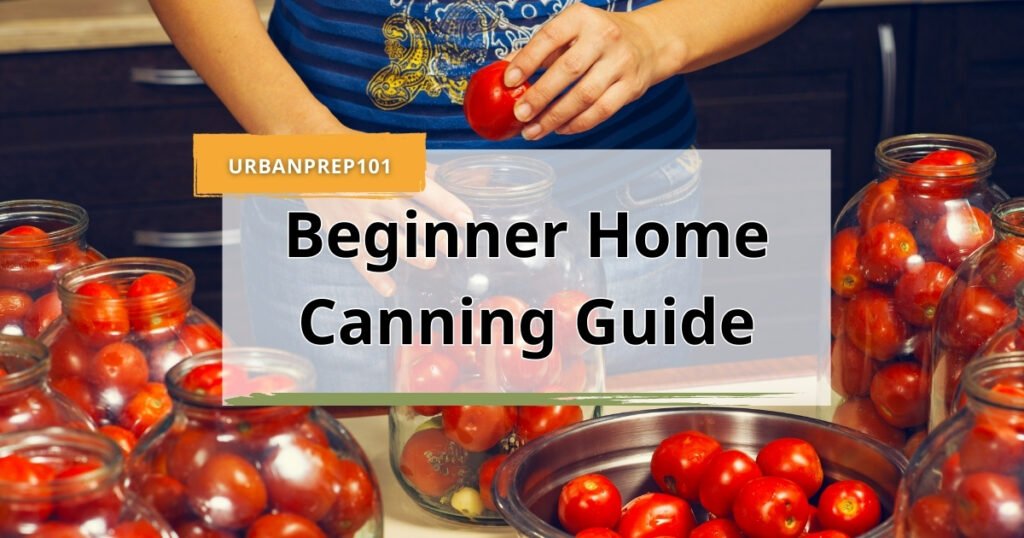
Unlock the joy of preserving your fresh fruits and veggies with this comprehensive beginner home canning guide. From prepping your jars to storing your bounty, learn everything you need to confidently start canning today.
Table of Contents
Why Every Beginner Needs a Home Canning Guide to Start Preserving Food
Home canning is more than just a hobby; it’s a life skill that lets you capture the flavors of the season and enjoy fresh food all year round. This beginner home canning guide will walk you through the essential steps and safety tips so you never feel overwhelmed. Imagine opening a jar in the dead of winter and tasting summer’s sunshine—home canning makes that magic happen.
What Exactly Is Home Canning and Why Is It So Popular?
Home canning is the process of sealing food in airtight jars to preserve it. This simple technique prevents spoilage and keeps food safe for months or even years. Whether you’re preserving homemade jams, pickles, or garden vegetables, canning helps reduce waste and saves money. Plus, it gives you control over ingredients—no preservatives or hidden sugars.
Essential Tools Every Beginner Should Have for Home Canning
To get started, you’ll need the right gear. A quality water bath canner or pressure canner is the heart of your setup, depending on what foods you plan to preserve. Glass mason jars with two-piece lids, jar lifters, a funnel, and a magnetic lid lifter make the process safer and easier. Don’t forget kitchen towels, a timer, and a large pot for sterilizing jars.
The Complete Canning Kit includes a water bath canner, rack, jar lifter, funnel, and more — perfect for beginners starting from scratch.

Durable, reusable Ball Mason Jars are the standard for safe, reliable food storage.

Step-by-Step Guide to Preparing Your Kitchen and Workspace for Canning
A clean, organized workspace minimizes risks and keeps your canning experience enjoyable. Clear your countertops, sanitize jars and lids by boiling them or running them through the dishwasher, and have all your tools within arm’s reach. Fresh produce should be washed and prepped before you begin.
Understanding the Types of Foods You Can Preserve at Home
Not all foods can be canned the same way. High-acid foods like fruits, tomatoes, and pickles are safe for water bath canning. Low-acid foods such as vegetables, meats, and soups require pressure canning to prevent bacterial growth. Knowing this distinction is vital for safe preservation.
How to Choose the Right Canning Method: Water Bath vs Pressure Canning
Choosing the correct method depends on your food’s acidity level. Water bath canning is perfect for jams, jellies, and pickled vegetables, using boiling water to seal jars. Pressure canning is essential for low-acid foods and uses steam pressure to reach higher temperatures, killing harmful bacteria.
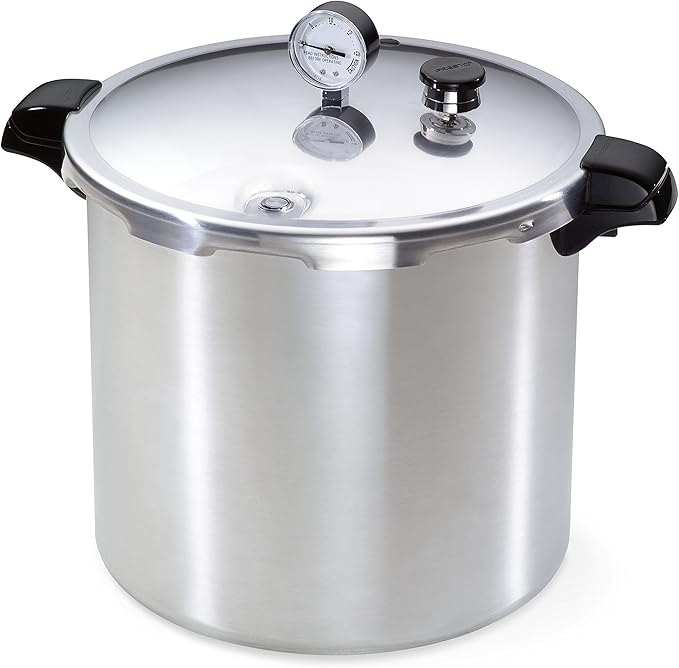
The Presto 23-Quart Pressure Canner is a USDA-approved tool for safely canning low-acid foods like vegetables and meats.
The Granite Ware Canner is lightweight, affordable, and ideal for high-acid foods such as jams, jellies, and pickles.

Preparing Your Food: Cleaning, Cutting, and Pre-Cooking Basics
Proper preparation ensures your canned food tastes great and stays safe. Wash produce thoroughly, peel or cut as needed, and in some cases, blanch or pre-cook before packing into jars. These steps help preserve color, flavor, and texture during the canning process.
Filling and Sealing Jars Correctly: Tips for a Tight, Safe Seal
Leaving the right amount of headspace in jars allows for food expansion during processing. Use a funnel to avoid spills and wipe rims clean before placing lids. Tighten screw bands just until fingertip tight — overtightening can prevent sealing, while being too loose can cause leaks.
The Ball SureTight Lids provide airtight seals every time, reducing the risk of spoilage and ensuring freshness.

The Critical Importance of Processing Time and Temperature
Processing time varies by food type, jar size, and altitude. Following tested recipes ensures you heat jars long enough to destroy bacteria but not so long you ruin your food’s quality. Use a reliable timer and thermometer to maintain correct temperatures.
A reliable digital timer and thermometer ensure your jars process for the right amount of time at the correct temperature.

How to Safely Cool, Test, and Store Your Canned Goods
After processing, cool jars undisturbed for 12-24 hours. You’ll hear the satisfying “pop” of lids sealing. Test seals by pressing lids; sealed lids won’t flex. Remove screw bands, label your jars with contents and date, and store them in a cool, dark place to maximize shelf life.
Keep jars organized and safe with stackable storage racks that prevent tipping and maximize pantry space.

Troubleshooting Common Beginner Home Canning Mistakes
From jars not sealing to cloudy liquid or siphoning (food leaking out during processing), common errors happen. Understanding these issues helps you avoid wasting food and stay safe. Always follow trusted recipes and double-check procedures.
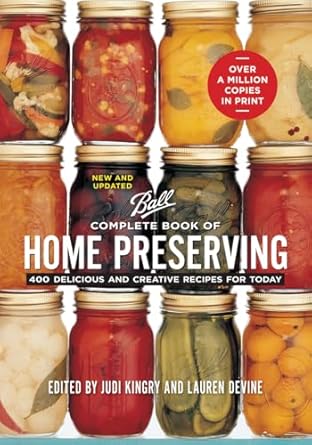
The Ball Blue Book is the gold standard reference with tested recipes and troubleshooting guidance for beginners.
How to Safely Reuse Mason Jars and Canning Lids Without Risk
While mason jars can be reused multiple times if intact, canning lids must be replaced with each batch to ensure proper seals. Inspect jars for cracks or chips. Using new lids every time prevents spoilage and contamination.
Trusted Le Parfait Super Terrine is designed for reuse, as long as it remains chip- and crack-free.

Safety Tips: How to Prevent Botulism and Other Risks
Botulism is a rare but serious risk with improper canning. Always follow tested recipes from reputable sources like the USDA or university extension programs. Use a pressure canner for low-acid foods and never taste or use food from jars with broken seals, bulging lids, or off smells.
Creative Beginner Home Canning Recipes to Try Today
Start simple with strawberry jam, dill pickles, or apple sauce. These beginner-friendly recipes build confidence and help you understand the basics. Gradually try salsas, sauces, or pressure-canned beans once you’re comfortable.
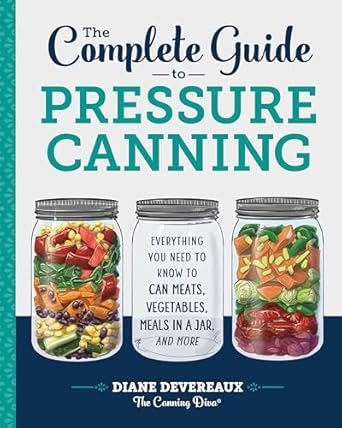
Packed with beginner-friendly recipes, the Complete Guide to Pressure Canning is a must-have for learning safe, tasty recipes.
Storing and Using Your Canned Goods: Shelf Life and Best Practices
Properly canned foods can last 1-2 years if stored correctly. Keep jars in a cool, dark spot away from heat or sunlight. Rotate older jars to the front, use the FIFO (first-in, first-out) system, and inspect jars before use.
Label jars with Shuttle Art 30 Colors Permanent Markers for easy tracking of dates and contents to keep your pantry organized.

Conclusion: Start Your Home Canning Journey with Confidence and Joy
Mastering home canning is an empowering skill that brings delicious, fresh flavors into your kitchen year-round. With the right tools, trusted techniques, and safety precautions outlined in this beginner home canning guide, you’re ready to preserve your bounty and create tasty treasures. So why wait? Grab your jars and start your canning adventure today!
FAQs
1. Can I do home canning on an induction cooktop or glass-top stove?
Yes, but you must check your canner’s compatibility. Many pressure canners and water bath canners require a flat, stable base to work correctly. Some lightweight aluminum canners don’t heat evenly on induction stoves. Always confirm that your canner is rated for your stove type to ensure safe, consistent processing temperatures.
2. Is it safe to can dairy-based or creamy foods at home?
No. Dairy products, cream soups, and milk-based sauces are not recommended for home canning because they heat unevenly and create a high risk of bacterial survival. These foods should be frozen instead of canned for long-term storage.
3. Why do my canned fruits sometimes turn brown over time?
Browning usually happens due to oxidation or enzyme activity before processing. Using an ascorbic acid solution (like lemon juice or vitamin C powder) before packing fruits helps preserve color. Proper headspace and airtight sealing also reduce discoloration during storage.
4. Can I double or halve canning recipes safely?
You can scale ingredient quantities, but you must never change processing time, pressure, or jar size from a tested recipe. Altering these factors can lead to unsafe internal temperatures. Stick to approved guidelines even when adjusting batch sizes.
5. How do I safely transport home-canned food for gifts or travel?
Remove screw bands, cushion jars with towels or cardboard dividers, and keep them upright. Sudden impacts can break seals even if lids look intact. For gifting, include labels with contents and the canning date so recipients know how long the food will stay fresh.
Other Useful Resources Related To a Beginner Home Canning Guide
- CDC: Home-Canned Foods & Botulism Prevention — Official guidance on safely canning and preventing botulism with tips and risks.
- National Center for Home Food Preservation (NCHFP) — Comprehensive resource with tested recipes and safety protocols (hosted by University of Georgia).
- USDA: Enjoy Your Garden Year-Round — Try Home Canning — USDA overview of the Complete Guide to Home Canning and food preservation basics.
- Clemson Extension: Canning Foods at Home — Extension service page with safe canning methods explained (water bath, steam, pressure).
- UMN Extension: Food Preservation FAQs — Answers to common preservation questions and safe practices from a university extension program.