

Table of Contents
Understanding the Challenge of Bugging Out Without a Car
Bugging out without a car is a daunting scenario for many preppers and survival enthusiasts. Cars provide speed, cargo capacity, and comfort, but what happens when you can’t rely on one? Whether you’re living in a city, a dense suburb, or simply don’t own a vehicle, mastering how to bug out without a car is essential. This guide dives deep into effective strategies, practical gear, and mindset shifts needed to execute a successful evacuation on foot or via alternative transport.
Bugging out on foot or using non-motorized transport requires careful planning. Your pack must be lighter, your route safer, and your skills sharper. But don’t let the lack of a car intimidate you — many have survived and thrived escaping without wheels, and you can too. Let’s explore how to prepare for this challenge with confidence.
Why You Might Need to Bug Out Without a Car
You may ask, “Why even consider bugging out without a car?” There are many reasons. Natural disasters often cripple roadways and fuel supplies. Urban evacuations might force you to leave your vehicle behind. Or maybe you don’t own a car at all. Understanding these scenarios will help you appreciate why having a car-free bug-out plan is a crucial part of any preparedness strategy.
Sometimes, vehicles get stuck in traffic jams or become targets during chaotic evacuations. Walking or using alternative transport can be faster and safer in dense urban environments. Plus, traveling light reduces noise and improves your ability to adapt quickly.
Choosing the Right Bug Out Location When You Don’t Have a Car
Without a vehicle, selecting a bug-out location close enough to reach on foot or by bike is critical. Ideally, your destination should be within 20 miles or less, depending on your fitness level. Identify safe routes that avoid dangerous areas, highways, or flood zones.
Consider multiple fallback locations to increase your options. Urban parks, nearby forests, or even friends’ homes a few miles away can serve as effective bug-out spots. Mapping these out beforehand prevents panic and poor decisions during an emergency.
How to Pack Smart for a Bug Out Without a Car
Packing for a car-free bug out means prioritizing essentials and drastically reducing weight. A well-packed bug-out bag (BOB) must contain multipurpose gear, emergency food and water, shelter, and first aid, all while minimizing the need to carry heavy loads.
Use lightweight backpacking gear, opt for dehydrated foods, and select versatile clothing layers. Every ounce counts, so ditch non-essential items. Remember, your pack is your lifeline, and you need to carry it comfortably for hours or days.
Osprey Atmos AG 65 Backpack
A top-rated ultralight, ergonomic backpack with excellent weight distribution — perfect for carrying your essentials on long treks.

Essential Gear for Bugging Out Without a Car
When you’re bugging out without a car, every piece of gear must earn its place. Here are the essentials to include:
- Durable Backpack: Comfortable with good support and adjustable straps.
- Water Filtration System: Lightweight filters or purification tablets.
- Compact Shelter: Ultralight tent or tarp.
- First Aid Kit: Comprehensive but minimal.
- Multi-tool and Firestarter: For repairs and warmth.
- Food Supplies: High-calorie, lightweight meals.
- Navigation Tools: Map, compass, and GPS device.
- Protective Clothing: Weather-appropriate, moisture-wicking, and sturdy footwear.
Choosing multi-functional gear will keep your load manageable and your options open.
Sawyer MINI Water Filtration System
Compact, reliable, and good for up to 100,000 gallons — a must-have for hydration on the move.

ALPS Mountaineering Lynx 2-Person Tent
Lightweight and easy to set up, this solo tent strikes a balance between portability and comfort.

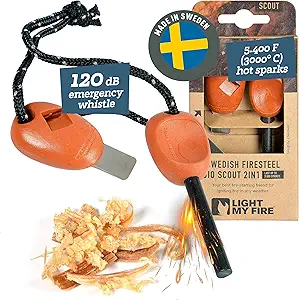
Light My Fire Swedish FireSteel 2.0
Durable ferro rod firestarter that works in all weather conditions.
Alternative Transportation Methods for Bugging Out
If you can’t use a car, what other ways can you get around? Consider these alternatives:
- Bicycles: Provide speed and carry moderate cargo loads.
- Electric Scooters or Skateboards: Good for urban areas with smooth roads.
- Public Transit: Use only if safe and operational.
- Horses or Animal Transport: Rare but possible in rural areas.
- Carpool or Ride-sharing: If available, coordinate with trusted contacts.
Each option comes with its pros and cons, but bicycles often strike the best balance of speed, range, and cargo capacity for bugging out without a car.
Schwinn Loop Folding Bike
Folds for compact storage and gives you reliable, fuel-free transportation for medium distances.

Planning Your Bug Out Route on Foot or Bike
Route planning is key when you don’t have the luxury of a car’s speed. Choose routes that prioritize safety, accessibility, and concealment. Avoid highways and busy streets, and opt for trails, backroads, or pedestrian paths.
Using a detailed map and GPS, plan multiple escape routes and safe spots for rest or shelter along the way. Factor in terrain, elevation changes, and water sources to avoid unnecessary exhaustion.
Garmin eTrex 22x Handheld GPS
Rugged, easy to use, and loaded with maps — far more reliable than a smartphone when the grid is down.

Physical Conditioning for Bugging Out Without a Car
Walking or biking long distances with a loaded pack demands physical fitness. Build your endurance gradually through regular walking or biking with weight. Incorporate strength and flexibility training to reduce injury risk.
Mental toughness is just as important — stay calm, focus on your goal, and keep your pace steady. Remember, it’s better to maintain a consistent, moderate pace than to sprint and burn out early.
Weighted Training Vest
Train with a weighted vest to simulate the load of your bug-out bag and build real endurance.

Food and Water Management on the Go
Carrying enough food and water is a challenge when bugging out without a car. Prioritize lightweight, nutrient-dense foods such as nuts, dried fruits, energy bars, and freeze-dried meals. Use water purification tablets or portable filters to refill safely from natural sources.
Plan your route to pass reliable water sources, and ration your supplies wisely. Remember, hydration is vital for maintaining energy and focus.
Mountain House Freeze-Dried Meals
Lightweight, calorie-dense meals with long shelf life — ideal for keeping energy up while mobile.

Security Considerations When Bugging Out Without a Car
Without a vehicle, you may be more vulnerable to threats, so security is paramount. Stay aware of your surroundings and avoid high-risk areas. Use stealth techniques to minimize noise and visibility.
Travel in pairs or groups if possible, and carry self-defense tools suitable to your skill level. Establish communication plans and keep your phone or radio charged for emergencies.
SABRE Advanced Pepper Spray
Compact, powerful, and easy to carry — a non-lethal defense tool for self-protection on the move.

Communication and Signaling Without a Vehicle
Communication tools can keep you connected to your group and alert others to your location. Consider lightweight walkie-talkies, a whistle, or a mirror for signaling. Keep your phone charged with a portable solar charger or power bank.
Know when and how to use signals effectively—too much noise can attract danger, too little may leave you isolated.
Midland GXT1000VP4 GMRS Two-Way Radios
Long-range radios for reliable group communication when cell towers are down.

Anker 21W Solar Panel Charger
Lightweight solar charger to keep your phone, GPS, or radio powered in the field.

Bug Out Without a Car in Urban Environments
Cities pose unique challenges — crowded streets, limited open space, and unpredictable crowds. When bugging out without a car in urban areas, leverage public transit routes, bike lanes, and pedestrian shortcuts.
Avoid main roads clogged with traffic and look for green spaces, parks, or abandoned buildings as temporary safe zones. Blend in with the environment to avoid unwanted attention.
Bug Out Without a Car in Rural Areas
Rural bug-outs offer more open space and natural cover but may lack infrastructure. Plan routes along trails and farm roads. Water sources may be plentiful, but watch for wildlife or isolated homes that could be risky.
Animal transport or bicycles can be especially effective in rural settings, offering mobility without the need for fuel.
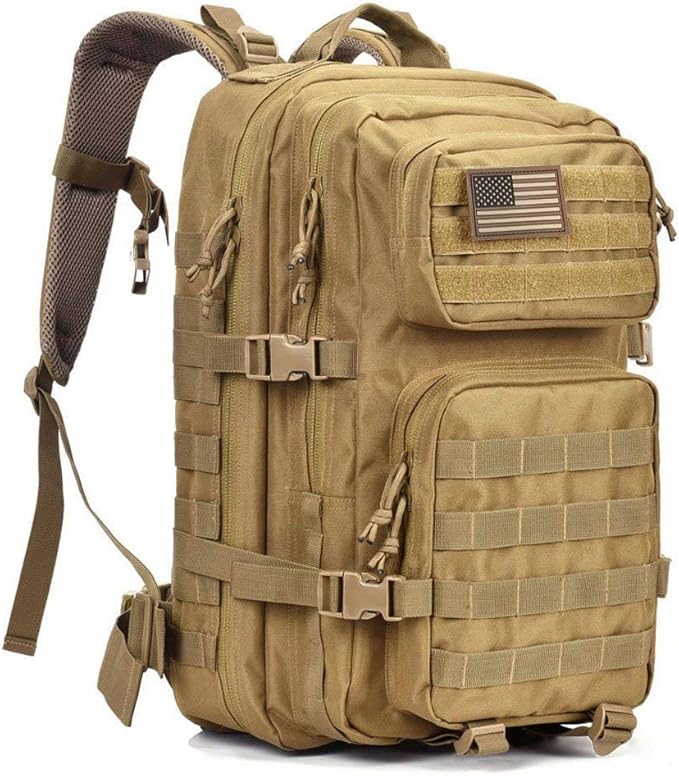
Condor Outdoor Compact Assault Pack
Durable tactical pack suited for rugged rural terrain where carrying capacity matters.
Psychological Preparation for Bugging Out on Foot
Bugging out without a car can be mentally taxing. You might face exhaustion, uncertainty, and fear. Prepare yourself by visualizing success, practicing your plan, and staying positive.
Mental resilience can be the difference between giving up and pushing forward when conditions get tough.
Common Mistakes to Avoid When Bugging Out Without a Car
- Overpacking: Carrying too much slows you down and drains energy.
- Ignoring Route Planning: Leads to dangerous or impassable paths.
- Neglecting Physical Fitness: Results in fatigue and injury.
- Poor Water Management Causes dehydration.
- Skipping Security Measures: Increases vulnerability.
Avoid these pitfalls by thorough preparation and practice.
How to Practice Bugging Out Without a Car
Practice makes perfect. Conduct regular drills walking or biking your planned routes with your bug-out gear. Test different packing methods, gear combinations, and pace yourself. This builds muscle memory and confidence so you’re ready when it counts.
Merrell Moab 3 Hiking Shoes
Comfortable, durable hiking shoes that will save your feet during practice drills and real bug-outs alike.

Creating a Community Bug Out Plan Without Vehicles
Consider coordinating with neighbors, friends, or local prepping groups to create a shared bug-out plan that doesn’t rely on cars. Shared resources, skills, and mutual support improve your chances of success and safety.
Conclusion: Taking Control of Your Bug Out Without a Car
Bugging out without a car may seem intimidating, but with smart preparation and mindset, it’s completely achievable. Focus on packing light, choosing your routes carefully, and training your body and mind. Remember, flexibility and calm will carry you through even the toughest situations. Whether you’re in a city or the countryside, mastering this skill can be your ultimate survival edge.
FAQs
1. How often should I rotate my emergency supplies to avoid waste?
Even long-lasting survival supplies need rotation. A smart system is the “first in, first out” method, where you use older items in daily life and replace them with fresh stock. Most dry goods should be checked every 6–12 months, while canned goods and water storage benefit from an annual inspection to ensure seals, containers, and packaging remain intact.
2. What’s the best way to prep if I move frequently or rent?
Mobile preppers should focus on compact, modular storage. Stackable bins, portable water containers, collapsible gear, and lightweight food storage options make it easy to relocate quickly. A well-organized bug-out bag paired with a small rolling supply tote keeps preparedness flexible without requiring permanent installations.
3. How do I prevent pests from destroying stored food supplies?
Pests are a major but overlooked threat to food storage. Using airtight containers, food-grade buckets with gamma lids, and oxygen absorbers dramatically reduces risk. Keeping supplies elevated off the floor and adding bay leaves or diatomaceous earth around storage areas also discourages infestations.
4. What’s the minimum water storage goal for someone living in a hot climate?
Hot climates increase daily water needs. While the standard rule is one gallon per person per day, people in tropical or high-heat environments should aim closer to 1.5–2 gallons per day to account for sweating, cooking, and hygiene. Planning for at least a two-week reserve provides a strong baseline.
5. Can prepping cause legal or insurance issues in apartments or rentals?
Yes, certain stored items like fuel, large battery banks, or propane tanks may violate building codes or lease agreements. It’s important to review rental policies and local fire regulations. Focusing on food, water, medical kits, and small-scale power banks keeps preparedness effective while staying compliant.
Other Useful Resources Related To Bug Out Without A Car
- Ready.gov – Low and No Cost Preparedness Tips – Practical preparedness guidance from the U.S. government to build emergency plans and kits on a budget.
- FEMA – Planning Guides for Emergency Preparedness – Official planning and readiness resources from the Federal Emergency Management Agency.
- Emergency Supplies Storage Guide (Building America Solution Center) – A detailed compendium of emergency supplies and storage considerations, including food and water prepping plans.
- UGA FACS – Preparing an Emergency Food Supply & Storage Tips – An extension guide on planning, storing, and managing emergency food supplies.
- CDC — Emergency Preparedness for People with Disabilities – A dedicated resource from the U.S. Centers for Disease Control and Prevention offering guidance on how individuals with disabilities can prepare for emergencies and stay safe.