
Some of the links in this post are affiliate links. As an Amazon Associate, we earn a referral fee from qualifying purchases—at no extra cost to you.
Imagine being caught in a natural disaster, hiking a remote trail, or even facing a tap water crisis in the city. What do all these situations have in common? You need clean water—and fast. That’s where a compact water filter becomes your unsung hero.
This guide dives deep into everything you need to know about compact water filters. Whether you’re a prepper, camper, traveler, or just someone who likes being ready for the unexpected, you’ll find real value here.
Table of Contents
Why a Compact Water Filter Is a Must-Have Today
Water is Life: The Harsh Truth About Contaminated Sources
More than 2 billion people globally lack access to safe drinking water. That’s not just a stat—it’s a wake-up call. Rivers, lakes, and even treated municipal supplies can be contaminated with harmful bacteria, parasites, and chemicals.
Disasters Don’t Knock—They Strike
When hurricanes hit or the power grid fails, municipal water systems are among the first to go. Having a compact water filter on hand means you’re not standing in line for bottled water or, worse, drinking unsafe water.
A Filter in Your Pocket: Big Impact, Small Package
Unlike bulky purifiers, a compact water filter fits in your pocket or backpack. It’s lightweight, discreet, and always ready to provide safe hydration—anytime, anywhere.
What Is a Compact Water Filter?
Breaking It Down: Definition & Purpose
A compact water filter is a portable device that removes contaminants from untreated water sources. It filters out bacteria, protozoa, and debris, making dirty water safe to drink on the go. These filters are essential for emergency preparedness, travel, and outdoor activities. Their convenience ensures access to clean water anywhere.
Compact vs Full-Size Filters: Key Differences
Full-sized filters are great for home or base camps but are heavy and bulky. Compact filters prioritize mobility and quick use, making them ideal for emergencies and backpacking. They fit easily into bug-out bags or glove compartments. Choosing the right size depends on your needs and space.
Who Needs One? (Spoiler: Probably You)
If you ever leave your house—whether hiking, traveling, or commuting—you should have a compact water filter. Emergency kits, bug-out bags, and everyday carry items benefit from including one. It’s a simple, lightweight safety net against unsafe water. Being prepared means never being thirsty.
Top Benefits of Using a Compact Water Filter
Lightweight & Travel-Friendly
Most compact filters weigh less than a chocolate bar and fit easily in your pack or pocket. This makes them perfect for long hikes or daily carry without added burden. You might not notice it until you need it most. Portability is a major advantage.
Instant Access to Safe Drinking Water
No boiling or chemical additives are required; just scoop, filter, and drink. Many models even screw onto standard water bottles or hydration pouches for convenience. This immediate access saves time and effort in emergencies. Clean water becomes hassle-free.
Eco-Friendly & Cost-Effective
Compact filters reduce the need for disposable plastic bottles, cutting waste significantly. Over time, one filter can replace hundreds or thousands of single-use bottles. This saves money and helps the environment. Choosing a reusable filter is both practical and green.
Common Contaminants These Filters Remove
Bacteria (Like E. coli)
Untreated water often contains bacteria that cause severe stomach illnesses. Most compact filters eliminate over 99.9999% of these harmful bacteria. This drastically lowers your risk of waterborne diseases. Clean water means safer hydration.
Protozoa & Parasites (Like Giardia)
Water sources may harbor protozoa such as giardia and cryptosporidium, which cause digestive problems. Compact filters are designed to block these parasites effectively. Avoiding infection helps maintain health on the trail or in emergencies. Filtering protects your gut.
Sediments, Microplastics & Chemicals
Advanced filters can also reduce sediment, chlorine, pesticides, and heavy metals like lead. Effectiveness varies by model, so check product specs carefully. Some filters target chemical contaminants while others focus on physical particles. Knowing your filter’s capabilities is important.
Types of Compact Water Filters You Should Know
Straw Filters (e.g., LifeStraw)
Straw filters let you sip directly from a water source or bottle with no moving parts. They’re lightweight and easy to use, perfect for bug-out bags and hiking. Their simplicity reduces points of failure. Ideal for quick, individual hydration.
Pump Filters
Pump filters use a manual pump to pull water through a hose into a container. They work well for groups but are bulkier than straw filters. Their higher capacity suits camp setups or shared use. Pumps balance portability with volume.
Gravity Bags
Gravity filters hang from a tree or structure, letting water flow through by gravity. This hands-free setup is great for camps and off-grid living. They require space and time but can filter large amounts at once. Gravity bags simplify group hydration.
Bottle Filters
These water bottles have built-in filters allowing you to sip or pour clean water directly. Perfect for travel or daily use, they combine hydration and filtration in one. Bottle filters are convenient and reduce extra gear. They fit easily in backpacks or purses.
UV Purifiers
UV purifiers use ultraviolet light to neutralize viruses and microbes but don’t remove particles. They rely on batteries and are more technical than mechanical filters. UV devices excel in viral outbreak zones and certain travel settings. They complement, but don’t replace, physical filters.
How to Choose the Right Compact Water Filter
Consider Your Use Case: Backpacking, Urban Prep, Car Kit?
A backpacker might prefer ultralight straw filters, while urban preppers might want bottle filters with chemical removal. Your lifestyle and environment shape your best choice. Match your filter to your daily and emergency scenarios. Practicality ensures you use it when needed.
Filter Life & Maintenance
Filter lifespan varies from about 100 gallons to over 100,000 gallons with proper care. Products like the Sawyer MINI offer long durability if maintained correctly. Regular cleaning extends functionality and safety. Consider filter longevity before buying.
Filtration Speed & Flow Rate
Slow filters can be frustrating and inefficient in emergencies. Look for models with decent flow rates, typically around 1 to 2 liters per minute. Faster filtration saves time and increases water availability. Balance speed with effectiveness.
Weight, Size, and Ease of Use
If you can’t figure out how to use the filter quickly, it’s too complicated for emergencies. Simple, intuitive operation is critical under stress. Compact size and light weight make carrying easier. Choose gear you can operate confidently and swiftly.
Certifications & Testing Standards
Always check for NSF/ANSI certifications to ensure the filter performs as advertised. Independent testing verifies the removal rates of contaminants. Certified filters offer peace of mind in critical situations. Don’t rely solely on marketing claims.
Best Compact Water Filter Brands (2025 Recommendations)
LifeStraw Personal Water Filter
A true survival classic, the LifeStraw filters up to 1,000 gallons of contaminated water—no batteries, chemicals, or moving parts needed. Lightweight and ultracompact, it’s ideal for bug-out bags, emergency kits, and minimalist hikers.

Sawyer MINI Water Filtration System
Tiny but mighty! The Sawyer MINI weighs only 2 ounces yet filters up to 100,000 gallons. Includes a drinking pouch, straw, and adapters to use with bottles or hydration packs. An ultra-reliable tool for preppers and travelers alike.

Perfect for global travel and serious emergencies, the GRAYL GeoPress removes bacteria, protozoa, and viruses—rare in portable filters. Just fill, press, and drink. No need for batteries or pumps.

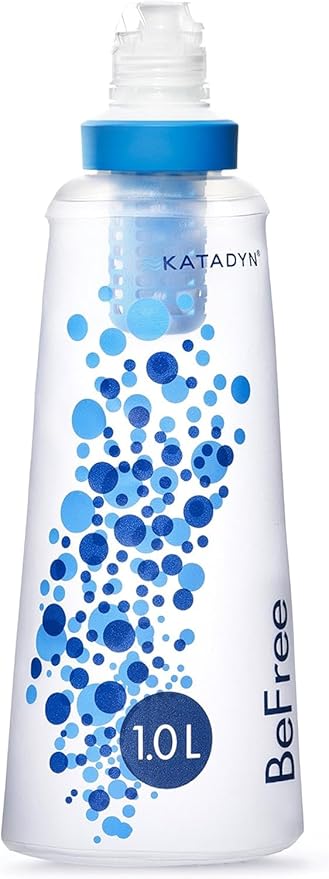
Katadyn BeFree Collapsible Filter
This flexible bottle-and-filter combo is built for speed. Its 0.1-micron filter cleans water fast, and the collapsible design saves precious space. Great for bug-out kits and off-grid excursions.
HydroBlu Versa Flow Water Filter
Modular and budget-friendly, the HydroBlu Versa Flow connects easily to bottles, bladders, or gravity systems. Filters up to 100,000 gallons and rivals pricier filters in performance. A hidden gem for any prepper.

Real-Life Scenarios Where a Compact Water Filter Saved the Day
Hiking Mishaps
Running out of water miles from the trailhead can be dangerous. A compact filter lets you refill from streams and stay hydrated. This simple tool can keep your hike safe and enjoyable. Always having a filter means you’re never stranded without water.
Natural Disasters
After hurricanes or earthquakes, tap water often becomes unsafe to drink. Compact filters turn murky or contaminated water into lifesaving hydration. They provide peace of mind when municipal supplies are compromised. Keeping one handy is essential for emergency preparedness.
Everyday Urban Use (Yes, Even Tap Water!)
Worried about funky-tasting or questionable city tap water? A bottle filter can clean your water at work, hotels, or anywhere you go. It improves taste and removes contaminants easily. This adds a layer of safety in urban environments.
Maintenance Tips to Extend Filter Life
Cleaning After Each Use
Backflush your filter regularly to clear out debris and prevent clogging. Many filters include a syringe or tool for this process. Proper cleaning keeps your filter working efficiently longer. Neglecting maintenance can shorten its lifespan.
Proper Storage
Let your filter dry completely before sealing or storing it. Moisture encourages mold and bacterial growth inside the unit. Dry storage helps maintain hygiene and function. Always follow manufacturer guidelines for best results.
Knowing When to Replace
Watch for signs like slowed flow rate, visible damage, or odd tastes. These indicate your filter may no longer be effective. Timely replacement prevents health risks from contaminated water. Don’t wait until failure to swap it out.
Compact Water Filter vs. Water Purifier: What’s the Difference?
Mechanical Filtration vs. Chemical & UV Treatment
Water filters trap particles, bacteria, and protozoa mechanically. Purifiers neutralize viruses using UV light or chemical disinfectants. Each method targets different threats to your water supply. Knowing the difference helps you choose the right tool.
When to Choose One Over the Other
For travel in developing countries or viral outbreaks, water purifiers are the safer choice. For most outdoor or urban uses, compact filters provide effective protection. Understanding your environment guides the best option. Carry the right device for your specific needs.
DIY vs Store-Bought: Should You Make Your Own Compact Filter?
Pros & Cons of DIY Filters
DIY filters using sand, charcoal, and cloth can work in emergencies but aren’t reliable long-term. They often miss dangerous microbes and don’t guarantee safe drinking water. These filters are better as temporary solutions than everyday use. Knowing their limits is key to staying safe.
Emergency-Only or Everyday Use?
Use DIY filters only as a last resort when no commercial options are available. For daily or field use, certified commercial filters are more dependable. They undergo rigorous testing to ensure water safety. Relying on proven gear reduces health risks.
How to Test If Your Filter Works
Look for NSF/ANSI Standards
Filters certified to NSF/ANSI standards have been independently tested and verified. This certification assures that the filter performs as claimed. Choosing certified products increases your confidence in water safety. Always check for these labels before purchasing.
Field Tests You Can Do
Test your filter by checking flow rate and water clarity after filtration. Watch for lingering smells or cloudiness, which can indicate contamination. Trust both your senses and scientific certifications when evaluating filters. Proper testing helps avoid dangerous surprises.
Where to Keep a Compact Water Filter
Bug-Out Bags
Every emergency go-bag needs a compact water filter since water is the top survival priority. Having reliable filtration ensures you can safely drink from unknown sources. Choose lightweight, durable filters that fit easily in your pack. This simple tool greatly increases your chances during emergencies.
Glove Compartments
Keeping a water filter in your car’s glove compartment prepares you for breakdowns, road trips, or sudden disasters. It’s a convenient spot that’s easy to remember and access quickly. Being ready on the road reduces panic and helps maintain hydration. Don’t overlook vehicle storage for survival essentials.
Emergency Drawers at Work or School
Store a compact water filter in your emergency drawer at work or school to stay prepared throughout the day. Clean drinking water should never be out of reach, no matter your location. This small addition can make a big difference during extended disruptions. Always have essentials ready wherever you spend time.
Final Thoughts: Don’t Wait for a Crisis to Get One
If you’re serious about being prepared, a compact water filter is non-negotiable. It’s small, affordable, and could save your life. Don’t wait until the shelves are empty and the taps are dry. Get yours today—and sleep easier tonight.
FAQs – Compact Water Filter
1. How long does it take for a compact water filter to filter one liter of water?
The filtration time varies by model and type. On average, most compact filters take between 1 to 5 minutes per liter. Straw filters tend to be faster, while pump filters might take a bit longer depending on how hard you pump.
2. Can compact water filters remove viruses completely?
Most compact water filters cannot remove viruses because viruses are much smaller than bacteria and protozoa. To remove viruses, you usually need a water purifier that uses chemical treatment, UV light, or specialized filters designed for viruses.
3. Are compact water filters safe to use with saltwater or seawater?
No, compact water filters are not designed to remove salt from seawater. Drinking saltwater can cause dehydration and health problems. For desalination, you need a specialized reverse osmosis system, which is usually large and not portable.
4. What materials are commonly used in compact water filter membranes?
Common materials include hollow fiber membranes made of ultra-thin fibers with microscopic pores, ceramic filters, activated carbon, and sometimes a combination of these. These materials physically block contaminants and improve taste by reducing chemicals.
5. How do extreme temperatures affect the performance of compact water filters?
Extreme cold can cause water to freeze inside the filter, damaging the membrane. High heat can degrade filter materials and reduce effectiveness. It’s best to store filters within recommended temperature ranges and avoid exposure to freezing or boiling conditions.
Other Useful Resources Related To the Compact Water Filter
- CDC – Water Treatment Methods for Travelers
This official guide from the Centers for Disease Control and Prevention explains effective water treatment methods for outdoor adventurers and travelers. It covers different types of filtration, disinfection, and safety tips to help you stay hydrated and healthy. - EPA – Drinking Water Treatment Technologies
The Environmental Protection Agency provides a comprehensive overview of various water treatment technologies used for drinking water. This resource is valuable for understanding how filtration works and the standards filters must meet to ensure safety. - REI Expert Guide: How to Choose a Water Filter
REI’s expert advice breaks down the best water filtration options for outdoor enthusiasts. It covers different filter types, features to look for, and practical tips for choosing the right filter based on your adventure style. - NSF International – Water Filter Certification
NSF International is a trusted organization that certifies water filters for safety and performance. This page explains what certifications mean, why they matter, and how to identify filters that meet rigorous testing standards. - Outdoor Gear Lab – Best Water Filters & Purifiers Reviewed
Outdoor Gear Lab offers in-depth, unbiased reviews of the top water filters and purifiers on the market. Their detailed comparisons help you find the best compact water filter based on real-world testing and user feedback.