
When it comes to preparedness, you probably see the world through a different lens than most people. You know that natural disasters, economic collapses, or even small-scale emergencies can happen anytime. But here’s the challenge: most people around you don’t think like that. Talking to non-preppers can feel like trying to explain fire safety to someone holding a lit match over a gas can—they just don’t see the urgency.
So how do you get through without sounding like a conspiracy theorist or a doomsday prophet? Let’s break it down into practical, proven strategies you can use today.
Table of Contents
Why Talking to Non-Preppers Is So Difficult Yet Important
Understanding the Psychology Behind Non-Prepping
The first step to having any productive conversation about preparedness is understanding why some people resist it. Many folks operate under normalcy bias—the belief that because something hasn’t happened before, it won’t happen in the future. Others simply feel that preparing for disaster is pessimistic or unnecessary.
When you know the mental roadblocks they’re dealing with, you can tailor your message to fit their perspective instead of overwhelming them with information they’re not ready to hear.
How Denial and Normalcy Bias Keep People Unprepared
Denial is a comfortable place to live. It’s easier to believe that “things will work themselves out” than to confront the uncomfortable truth that disasters can and do happen. Unfortunately, that mindset leaves people vulnerable. Your role isn’t to scare them—it’s to help them see the benefits of preparedness in a way that doesn’t trigger their defenses.
The Dangers of Avoiding the Conversation
Why Silence Could Put Them—and You—at Risk
If your loved ones are unprepared, it doesn’t just affect them—it affects you. In a crisis, they might turn to you for help, draining your supplies and energy. Worse, their lack of readiness could put you directly in harm’s way. By avoiding the conversation entirely, you’re essentially gambling that nothing bad will happen.
And we both know that’s a bet worth avoiding.
Missed Opportunities to Build a Support Network
Preparedness works best in communities. The more people around you who can take care of themselves, the less pressure you’ll feel when trouble strikes. Talking to non-preppers isn’t just about convincing them—it’s about creating allies who can contribute to a survival network when you need it most.
Preparing Yourself Before Talking to Non-Preppers
Knowing Your Motivations and Boundaries
Before you dive into the conversation, ask yourself: Why do I want to talk to them about prepping? Is it to protect them? To protect yourself? Or to recruit them into your survival circle? Knowing your “why” helps you stay focused and keeps the discussion on track.
Also, set boundaries. You don’t have to share every detail of your supplies or plans. Maintain some operational security while still encouraging them to prepare.
Avoiding the “Doomsday Prophet” Stereotype
Nothing shuts down a conversation faster than sounding like the world is ending next Tuesday. People tune out when they feel like they’re being preached to about catastrophic events. Instead, focus on practical, everyday emergencies—power outages, storms, job loss—things they can relate to without feeling like you’re pulling them into an extreme ideology.
Proven Strategies for Talking to Non-Preppers
Start with Shared Concerns, Not Extreme Scenarios
If they live in an area prone to hurricanes, start with hurricane preparedness. If layoffs are common in their industry, talk about the importance of having extra food and savings. Meeting them where they are builds trust and makes them more receptive.
Use Real-Life Examples Instead of Abstract Theories
Instead of saying, “One day society might collapse,” say, “Remember the last time the grocery store shelves were empty before that storm? Imagine if you had two weeks of food already at home—you wouldn’t have to fight the crowds.” Real examples stick.
Focus on Small, Practical Steps They Can Take Today
Tell them they don’t need to build a bunker. Just suggest starting with a simple 72-hour kit. Baby steps are less intimidating and more likely to lead to long-term changes.
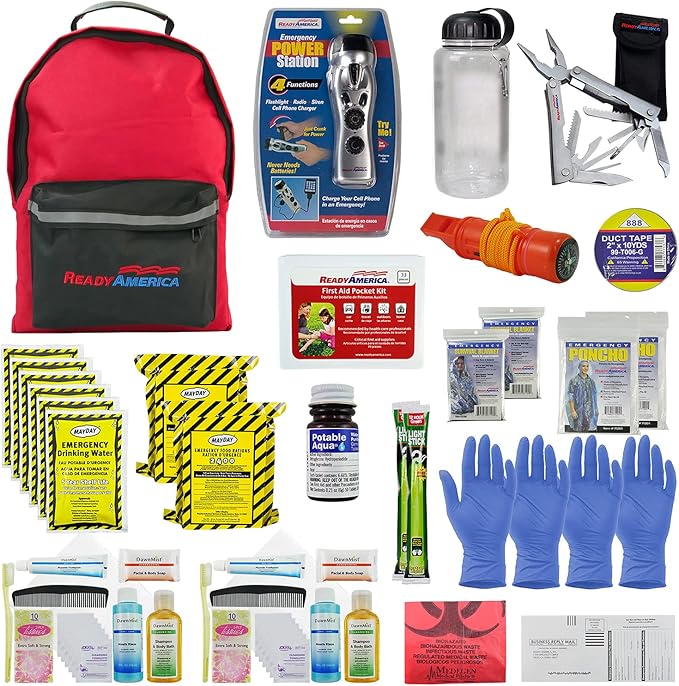
Ready America 72-Hour Emergency Kit – A beginner-friendly survival kit with food, water, first aid, and basic tools to cover three days.
Show, Don’t Tell – Demonstrating Prepping in Everyday Life
Actions speak louder than lectures. Invite them over for dinner and casually mention that the meal came entirely from your long-term pantry. Or show them your camping gear as part of a weekend trip, subtly linking it to emergency readiness.
Coleman Sundome Camping Tent – Affordable, easy to set up, and doubles as a great way to introduce friends to off-grid living during casual camping trips.

Use Humor to Lower Resistance and Keep It Light
A little humor goes a long way. Jokingly refer to your pantry as your “indoor grocery store.” Laugh about your “overpacking” for a trip and how it always comes in handy. Humor disarms people and keeps the conversation enjoyable.
Avoid Arguments and Stay Calm When Challenged
Some people will push back. They might say prepping is pointless or paranoid. Instead of debating, acknowledge their perspective and redirect: “I get why you’d think that. I used to feel the same way until I saw how often small emergencies happen.”
Recognizing When They’re Not Ready
Signs You Should Step Back
If they keep changing the subject, mock your suggestions, or get visibly uncomfortable, it might be time to pause. Pushing too hard can create resistance that’s hard to reverse. Plant the seed and give it time.
How to Keep the Door Open for Future Conversations
Leave the conversation on a positive note. Send them a news article about a local power outage or a video about storm preparedness. It’s a way to keep the idea alive without making them feel pressured.
Turning Conversations into Action
Introducing Them to Simple Prepping Skills
Hands-on activities work wonders. Teach them how to purify water, cook over a camp stove, or create a basic first aid kit. Skills often feel less overwhelming than stockpiling supplies.
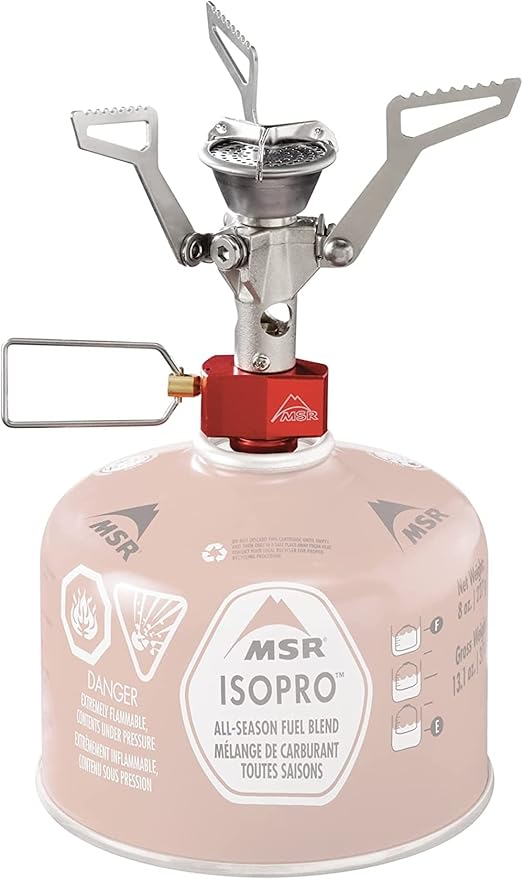
MSR PocketRocket Stove Kit – Compact, beginner-friendly stove that makes off-grid cooking easy.
First Aid Only 275-Piece Kit – Affordable, well-organized kit that covers most household and outdoor emergencies.

Suggesting Easy, Low-Cost Prepping Gear
Recommend budget-friendly items like a flashlight, battery bank, or portable water filter. The lower the entry cost, the more likely they’ll take the first step.
Anker PowerCore Portable Charger – Compact and reliable backup power for phones during outages.
$28.95
$35.99

LifeStraw Personal Water Filter – A lightweight, affordable survival essential that makes unsafe water drinkable.
$36.97
$39.95

Fenix E12 V3.0 LED Flashlight – Durable, pocket-sized flashlight with long battery life, perfect for everyday carry and emergencies.
$29.95

Building Group Activities That Naturally Teach Preparedness
Organize a camping trip, fishing weekend, or backyard barbecue where you use off-grid cooking. These activities are fun, non-threatening, and teach valuable survival skills without anyone realizing they’re “training.”
Final Thoughts on Talking to Non-Preppers
Why Patience Is Your Strongest Tool
Changing someone’s mindset isn’t an overnight task. It’s a process of planting seeds, nurturing curiosity, and leading by example. If they’re not ready today, they might be ready next month—or next year.
The Long Game – Building Trust Over Time
Consistency matters. The more they see you living a prepared, capable life, the more they’ll realize the value in it. One day, they might come to you asking for advice—and when they do, you’ll be ready to help them start their journey.
FAQs
1. Should I tell non-preppers how much food or gear I have?
No. While transparency can build trust, revealing the size of your supplies can create security risks later. If a crisis happens, people who know you’re well-stocked may expect support. It’s better to talk about the concept of preparedness rather than giving inventory details.
2. What if a non-prepper agrees with me but never actually takes action?
This is common. Agreement doesn’t always translate into behavior. The best approach is a gentle follow-up—invite them to activities that naturally involve preparedness, or send occasional helpful resources. Consistent exposure works better than repeated lectures.
3. How do I handle a spouse or family member who refuses to prep?
Focus on shared goals like safety, comfort, and financial stability instead of “survival.” Start with items that benefit everyday life—extra groceries, flashlights, power banks. Over time, these small steps often open the door to deeper preparedness.
4. Is it better to talk about prepping one-on-one or in groups?
One-on-one conversations usually work best. Group discussions can trigger embarrassment or defensiveness, especially if someone feels singled out. Private conversations allow you to adapt your tone and examples to the individual.
5. How do I explain prepping without sounding political or extreme?
Keep the conversation focused on practical life skills and emergency readiness, not ideology or worst-case-collapse scenarios. Framing preparedness as self-reliance, responsibility, and common sense keeps the topic neutral and approachable.
Other Useful Resources Related To Talking To Non-Preppers
- FEMA PrepTalks – Emergency Management Training & Communication Resources — A collection of expert talks and discussion guides focused on emergency preparedness, leadership, and communication strategies.
- CDC Emergency Preparedness Communication Resources — Ready-to-download materials for talking about preparedness, planning, and staying safe (including guides and activity sheets).
- CDC Plan Ahead – Health and Emergency Preparedness Planning Guide — Tips on how to plan, stay connected, and prioritize health in emergencies for you and your family.
- Ready.gov Preparedness Guides (PDF resources) — A downloadable preparedness guide that links to basic planning resources like building kits and plans.
- Beginner Emergency Preparedness Checklist — The Prepared
A practical, modern beginner’s guide to emergency supplies, checklists, and essential prepping steps.