Table of Contents
Self-Defense Strategies for Urban Renters
Understanding the Unique Risks of City Living
City living offers excitement and convenience, but it also comes with risks that suburban or rural residents rarely encounter. Urban renters face higher population density, more foot traffic, and closer proximity to strangers, which can complicate personal safety. Even in neighborhoods that feel safe, theft, harassment, and break-ins remain real threats. Understanding these unique risks is essential for developing an effective self-defense plan.
Common Threats Renters Face in Urban Environments
Urban renters encounter a range of threats, from minor theft to serious physical confrontation. Apartment buildings can be attractive targets for burglars, while streets, parking lots, and public transport hubs carry risks of mugging or harassment. Even everyday distractions like deliveries or social gatherings can leave renters vulnerable. Knowing these threats helps you stay proactive rather than reactive.
Apartment Break-Ins
Break-ins often happen when renters are at work or asleep. Many intruders exploit weaknesses like poorly secured doors or unlocked windows. Installing deadbolts, window locks, and security cameras significantly reduces your vulnerability. Awareness and preventative action are key to avoiding becoming a victim.
Street Harassment and Mugging
City streets can be unpredictable, especially after dark or in less populated areas. Aggressors look for distracted or unaware individuals to target. Carrying basic self-defense tools and practicing situational awareness can prevent many attacks before they escalate. Being prepared turns fear into confidence.
Assessing Your Personal Safety Needs
Conducting a Risk Assessment in Your Apartment
Start by examining your apartment for vulnerabilities such as weak doors, windows, or poorly lit areas. Take note of points of entry that may be easy for an intruder to exploit. Identify high-traffic areas in your building that could pose threats. This thorough assessment allows you to prioritize security improvements and preventive measures.
Identifying Vulnerable Areas in and Around Your Home
Check stairwells, parking areas, hallways, and shared spaces in your building for potential dangers. Poor lighting, blind spots, and unsecured entrances increase your risk of assault or theft. Document these vulnerabilities and plan strategies to mitigate them. Regularly reviewing your environment keeps you ahead of potential threats.
Essential Self-Defense Tools for Urban Renters
Choosing the Right Pepper Spray or Personal Alarm
Pepper spray and personal alarms are highly effective, non-lethal tools for urban renters. Pepper spray can temporarily disable an aggressor, while alarms draw attention and deter attacks. Choose compact, easy-to-use devices that you can carry daily. Make sure you understand local regulations before use.
SABRE Pepper Spray with Quick Release Keychain – Compact and reliable, this pepper spray is easy to carry and deploy in emergencies, offering renters fast non-lethal protection.

KOSIN Personal Safety Alarm Keychain – Emits a 140dB siren to draw attention instantly. Small, discreet, and renter-friendly, ideal for city living.

Non-Lethal Weapons That Work
Other non-lethal options include stun guns, tactical flashlights, and collapsible batons. These tools provide an added layer of protection without resorting to deadly force. Learning how to use them effectively ensures maximum safety in emergencies. Pair tools with awareness training for best results.
Home Security Devices Every Renter Should Consider
Consider installing motion-sensor lights, security cameras, and reinforced locks to enhance your home’s security. Smart locks or video doorbells can alert you to potential threats in real time. Even inexpensive devices, like door wedges or window alarms, add a strong layer of defense. Combining multiple devices creates a safer environment.
Strengthening Your Apartment Security
Door Locks and Reinforcements
High-quality deadbolts, reinforced strike plates, and door jammers significantly improve entry security. Ensure all doors are solid and difficult to force open. Don’t forget secondary access points, such as balcony doors. Proper reinforcement gives you time to react in case of an attempted break-in.
DoorJammer Portable Door Lock Brace – Installs in seconds to stop forced entry, perfect for renters who can’t replace hardware.

Window Security Tips for Renters
Windows are often overlooked, but can be a common entry point for burglars. Install window locks or security bars, and consider shatterproof film for added protection. Keep blinds or curtains closed at night to obscure interior views. Simple changes can make a huge difference in safety.
GE Personal Security Window & Door Alarm (4-Pack) – Affordable, renter-friendly alarms that sound loudly when tampered with, deterring intruders.

Smart Home Gadgets for Real-Time Protection
Smart home devices like motion detectors, cameras, and smart locks provide real-time alerts on your phone. Some systems integrate with local authorities for faster emergency response. They allow renters to monitor their home from anywhere, increasing peace of mind. Technology can act as a virtual security guard.
WYZE Cam v3 Indoor/Outdoor Security Camera – Budget-friendly smart camera with night vision, motion detection, and mobile alerts for peace of mind.

Practical Self-Defense Techniques
Basic Hand-to-Hand Techniques Anyone Can Learn
Even basic techniques like wrist releases, strikes to vulnerable areas, and breakaway maneuvers can help you escape dangerous situations. Simple moves performed correctly are often more effective than complicated martial arts routines. Practice regularly to build confidence and muscle memory. Knowing how to defend yourself is empowering.
Situational Awareness: Seeing Danger Before It Happens
Being aware of your surroundings can prevent many dangerous encounters. Notice exits, potential hiding spots, and suspicious behavior. Trust your instincts and take preemptive action if something feels off. Awareness often gives you the upper hand before a threat escalates.
Using Everyday Items as Self-Defense Weapons
Pens, keys, umbrellas, and even a sturdy backpack can become improvised weapons. These items are easy to carry and always accessible. Learning how to use them effectively increases your options during an attack. Creativity in self-defense can save lives.
Tactical Pen with Glass Breaker – A discreet everyday carry tool that doubles as a writing pen and a powerful improvised weapon.

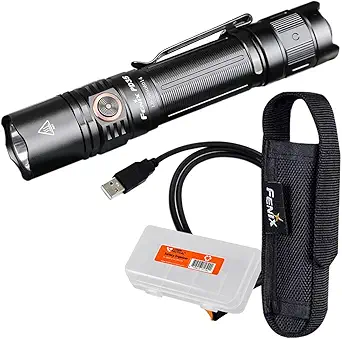
Fenix PD35 Tactical Flashlight – Blinding brightness for disorienting attackers, with added utility as an everyday carry light.
Training for Confidence and Readiness
Martial Arts for Self-Defense in Urban Areas
Martial arts like Krav Maga, Brazilian Jiu-Jitsu, or Muay Thai teach practical techniques for real-world encounters. Focus on moves that allow you to escape and create distance rather than purely offensive strategies. Regular training increases both confidence and physical readiness. Self-defense isn’t just about strength—it’s about strategy.
Un-Filled Grappling Dummy – Realistic training dummy that allows renters to practice strikes and self-defense moves safely at home.

Online vs In-Person Self-Defense Classes
Online classes offer convenience and flexibility, while in-person instruction provides hands-on practice and feedback. Many renters benefit from a hybrid approach. Choose the method that allows you to practice consistently and safely. Training frequency matters more than style.
Mastering Krav Maga DVD Set – Instructional series teaching practical, street-ready defense techniques you can train with at home.

Drills and Practice Scenarios
Simulate real-life scenarios like break-ins, street confrontations, or elevator encounters. Practicing with partners or instructors builds reaction speed and confidence. Repetition helps instincts kick in during actual emergencies. Preparedness reduces fear and hesitation.
Safety When Walking in the City
Best Practices for Nighttime Safety
Avoid poorly lit streets, stay in groups when possible, and keep personal items secure. Carry a personal alarm or whistle to draw attention if needed. Trust your instincts and leave situations that feel unsafe. Simple precautions reduce risk dramatically.
Phone Holder Running Belt with Reflective Strip – Keeps belongings secure and hands free, while reflective strips add nighttime visibility.

Navigating Public Transportation Safely
Keep belongings close and avoid isolated stations or stops. Stay alert and avoid distractions like headphones or excessive phone use. Identify exits and emergency buttons in advance. Being mindful in transit is a critical component of urban safety.
Buddy Systems and Safety Apps
Walking with friends or using apps that share your location can deter attacks. Many apps notify trusted contacts if you feel unsafe. Combining technology with social awareness enhances security. Even small measures can prevent serious incidents.
She’s Birdie Personal Safety Alarm – Designed for women but effective for anyone, this stylish alarm device combines loud alerts with flashing lights.

Dealing With Intruders in Your Apartment
Immediate Steps During a Break-In
If you encounter an intruder, prioritize escape over confrontation when possible. Lock yourself in a secure room and call 911. Avoid sudden movements that could escalate the situation. Preparation and clear thinking save lives.
Master Lock Portable Door Security Bar – Adjustable bar that braces against your floor and doorknob, giving you critical time to react.

Staying Calm Under Pressure
Panic can cloud judgment and slow reaction time. Take deep breaths, focus on actionable steps, and remember your training. Mental composure is just as important as physical tools. Calm decision-making can prevent injuries.
Escape Routes and Safe Zones
Plan multiple escape routes in your apartment and building. Identify safe rooms or areas where you can barricade yourself. Practicing these routes regularly ensures you can act instinctively. Preparation turns fear into actionable confidence.
Honeywell Steel Security Safe – A small, renter-friendly safe to secure valuables and critical documents in case of a break-in.

Legal Considerations for Self-Defense in Urban Areas
Understanding Your Rights as a Renter
Know local laws regarding self-defense, use of force, and permissible weapons. Awareness prevents legal trouble in emergencies. Consult local authorities or legal resources for clarity. Being informed empowers your decisions.
Legal Use of Pepper Spray and Other Tools
Pepper spray, stun guns, and other non-lethal tools are regulated differently in each city. Check restrictions on possession, storage, and usage. Using them legally keeps you protected without violating the law. Compliance is part of smart self-defense.
Documenting Incidents for Maximum Protection
After any threatening encounter, document details, photos, and witness accounts. This can help in legal proceedings or insurance claims. Keeping organized records enhances your credibility. Preparation extends beyond physical safety.
Building a Self-Defense Mindset
Overcoming Fear and Anxiety in the City
Fear is natural, but excessive anxiety can reduce confidence and awareness. Mental training, visualization, and practice help manage stress. Confidence itself acts as a deterrent to potential attackers. Mindset is the first line of defense.
Mental Preparedness: The Key to Staying Safe
Being mentally ready allows you to act decisively in emergencies. Anticipate scenarios and plan responses. Mental rehearsal reduces panic and improves reaction time. A prepared mind often makes physical defense easier.
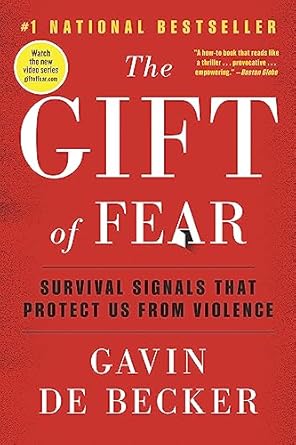
The Gift of Fear by Gavin de Becker (Book) – A must-read on intuition and personal safety, teaching you how to trust your instincts in urban environments.
Confidence as Your First Line of Defense
People who project awareness and confidence are less likely to be targeted. Body language, posture, and assertiveness matter. Even without weapons, confidence can discourage aggressors. It’s a psychological tool that complements physical self-defense.
Community Safety for Urban Renters
Connecting With Neighbors for Mutual Protection
Strong relationships with neighbors create informal safety networks. Look out for each other, share alerts, and report suspicious activity. Community vigilance amplifies personal safety. You’re never truly alone when your network is alert.
Participating in Local Safety Programs
Neighborhood watch programs and city safety initiatives offer training and resources. Joining provides knowledge, support, and access to local authorities. Engagement strengthens your safety plan and creates accountability. Being active in your community pays dividends in security.
Using Social Media for Safety Alerts
Social media groups and apps provide real-time alerts for local crimes or suspicious activity. Share and receive tips quickly to stay informed. Combining tech and community enhances awareness. Knowledge is a powerful protective tool.
Creating a Self-Defense Plan That Works
Step-by-Step Guide to a Personal Safety Plan
Identify vulnerabilities, select tools, set routines, and plan escape routes. Assign priorities for home, transit, and public areas. Combine training, technology, and awareness to create a cohesive plan. Actionable steps make theory practical.
Reviewing and Updating Your Plan Regularly
Safety needs change with environment, lifestyle, and experience. Review your plan every few months and after major changes. Update tools, training, and procedures to stay effective. A living plan adapts to keep you secure.
Integrating Technology and Physical Security Measures
Smart devices, cameras, alarms, and locks should complement physical strategies. Use multiple layers of security rather than relying on one measure. Integration ensures comprehensive protection. Redundancy enhances your resilience.
Mistakes Urban Renters Make in Self-Defense
Over-Reliance on Technology
Tech can fail due to power outages, hacking, or delays. Physical preparedness and situational awareness are essential backups. Don’t let devices create a false sense of security. Balance tech with traditional safety measures.
Ignoring Situational Awareness
Many renters walk through the city distracted by phones or headphones. This makes them easy targets. Staying alert and observant is critical for preventing danger. Awareness is your cheapest and most effective defense.
Failing to Train Consistently
Occasional practice won’t build confidence or reaction skills. Regular drills, exercises, and scenario simulations are necessary. Consistent training ensures instincts kick in when needed. Practice transforms fear into action.
Inspiring Stories of Urban Renters Protecting Themselves
Real-Life Examples of Self-Defense Success
Many renters have avoided attacks thanks to situational awareness and preparation. Stories include thwarted muggings, prevented break-ins, and strategic escapes. Real-life examples illustrate practical lessons. Learning from others’ experiences can inspire action.
Lessons Learned From Close Calls
Close calls highlight weaknesses in security, awareness, or training. They reinforce the importance of planning, tools, and mindset. Reflecting on near-misses improves future safety. Mistakes become opportunities to strengthen defenses.
How Awareness and Preparation Made a Difference
Prepared renters often avoid harm entirely. Simple actions like carrying a personal alarm, walking confidently, or securing windows make a significant difference. Being proactive prevents incidents rather than reacting afterward. Awareness truly saves lives.
Conclusion: Empower Yourself as an Urban Renter
Taking Action Today for a Safer Tomorrow
Self-defense isn’t optional for urban renters—it’s essential. Start small: assess risks, choose tools, practice awareness, and train regularly. Each step adds a layer of protection that compounds over time. Safety is an investment, not a luxury.
Combining Tools, Training, and Mindset for Maximum Safety
Real security comes from blending physical tools, practiced skills, and a confident mindset. No single measure is enough on its own. When integrated thoughtfully, you create an environment that is safer, more secure, and empowering. Urban living can be enjoyable when you take control of your safety.
FAQs
1. How can urban renters practice self-defense without disturbing neighbors?
Many renters worry about practicing drills, striking, or scenario training in apartments where noise travels easily. Quiet training methods like shadowboxing, slow-motion technique practice, grip-strength exercises, balance drills, and visualization routines allow skill-building without disturbing others. Using padded flooring, soft training equipment, or scheduling practice during daytime hours can also help. Consistency matters more than intensity, and silent practice still builds reflexes and confidence.
2. What should I do if my building prohibits certain security modifications or devices?
Some rental agreements restrict drilling, permanent locks, or camera installations. In these cases, renters can rely on non-permanent security options like door wedges, portable door braces, adhesive window alarms, tension-based security bars, and battery-powered cameras with no wiring. Reading lease agreements carefully and choosing renter-friendly solutions ensures safety improvements without risking lease violations.
3. How do I create a self-defense plan if I live with roommates?
Roommates add complexity to safety planning. A shared plan should include agreed escape routes, safe rooms, emergency communication methods, and responsibilities during a crisis. Establishing signals for danger, deciding who calls emergency services, and practicing basic drills together prevent confusion during real incidents. Coordination transforms multiple individuals into a unified safety team.
4. What role does physical fitness play in self-defense for urban renters?
While technique and awareness are essential, basic fitness greatly improves real-world self-defense effectiveness. Cardio endurance helps escape danger, strength aids in breaking free from grabs, and flexibility reduces injury risk. Simple home workouts — bodyweight exercises, jump rope, resistance bands — help renters stay prepared without needing a gym membership.
5. How can I stay safe when letting in deliveries or service workers?
Urban renters frequently open doors to delivery drivers, maintenance staff, or strangers claiming official business. Best practices include using peepholes or video doorbells, confirming worker identities with building management, never opening the door fully until verification, and keeping door braces ready. Many home invasions begin with forced trust at the doorway, so controlled entry procedures are a critical but often overlooked defense layer.
Other Useful Resources Related To Self-defense Strategies For Urban Renters
- Public Safety & Awareness Training — EncryptHer
Practical personal safety and situational awareness training online, with tools and threat avoidance strategies. - Free Personal Safety & Situational Awareness Guide (PDF)
A downloadable guide with actionable awareness and protection tips for everyday life. - Situational Awareness & Violence Prevention Training — ThinkSafe Seminars
Workshops and seminar info for improving personal safety skills and awareness. - Neighborhood Safety Tips for Renters — HexaPM
Practical neighborhood and community safety strategies tailored to renters. - Pepper Spray and Self-Defense Resources — On Her Own
A curated self-defense resource center focused on pepper spray and related safety topics.