
If you’ve ever wanted to prepare for emergencies but thought, “I can’t afford it right now,” you’re not alone. Prepping is often portrayed as a hobby for people with deep pockets and spacious gear rooms. But the truth? Survival isn’t about how much money you have—it’s about how well you use what you’ve got.
Let’s dive into smart, cost-cutting strategies so you can start prepping when broke, without sacrificing your safety or peace of mind.
Table of Contents
Why Prepping When Broke is More Important Than Ever
Rising Costs and Economic Uncertainty
The cost of living is rising faster than many paychecks can keep up. Groceries, fuel, rent, and basic supplies are all eating away at household budgets, leaving little room for extras. But emergencies don’t wait until you’re financially comfortable—they hit when they hit. Prepping when broke is about protecting yourself, regardless of the economy, not because you can afford to ignore it.
Why Emergencies Don’t Wait for Your Wallet
Natural disasters, blackouts, and other crises rarely come with warnings long enough to “get ready” in time. If you wait until an event is already happening, stores will be picked clean and prices will spike. Even a modest stash of essentials can help you ride out those first few critical days without panic spending. Starting now, with whatever you can, is the smartest insurance you’ll ever have.
The Mindset Shift – Survival Isn’t About Spending Big
Resourcefulness Over Resources
Having a big budget makes prepping easier, but resourcefulness makes it possible no matter your finances. This means thinking creatively, finding new uses for old items, and adapting to what you have instead of wishing for what you don’t have. A tarp, rope, and a few sticks can become shelter if you know how to use them. In survival, ingenuity often beats expensive gear.
Skills Trump Gear Every Time
Gear is only as useful as the skills you have to operate it. You can own the best water filter, but if you don’t know how to boil or distill water, you’re vulnerable. Skills are portable, can’t be stolen, and cost little to nothing to learn. The more you know, the less money you need to spend on tools and equipment.
Start With What You Already Have
Home Inventory – Turning Forgotten Items Into Lifesavers
Before buying anything new, take a complete inventory of what’s already in your home. An unused backpack can be a bug-out bag, old blankets can be emergency insulation, and spare candles can light your way during blackouts. You might discover you already own half the things you thought you needed to buy. This process also highlights the real gaps you should focus your money on.
Everyday Household Items With Survival Uses
Many ordinary items have multiple survival applications. Aluminum foil can cook food over a fire, duct tape can repair gear or seal leaks, and a simple bucket can collect rainwater. A bed sheet can double as a shelter or a water filter. Seeing your possessions through a survival lens can save you hundreds of dollars.
Budget-Friendly Food Prepping
The Best Cheap Staples for Long-Term Storage
Oats, rice, beans, pasta, and flour are affordable, long-lasting, and versatile. They can be turned into countless meals, keeping you fed during extended emergencies. These staples are widely available and easy to store in bulk containers. Slowly building a stash of them ensures steady progress without overwhelming your budget.
The Augason Farms Regular Rolled Oats 4-Gallon Pail is an affordable bulk staple with a 30-year shelf life, perfect for starting your food storage without overspending.

Using the Gamma2 Vittles Vault helps keep your rice, beans, and oats fresh for years—preventing waste and protecting your investment.

Bulk Buying Without Wasting Money
Bulk buying can save a fortune, but only if you store food correctly and use it before it expires. If large purchases are too costly, split them with friends or family. Always label storage containers with purchase dates to track freshness. This approach keeps your pantry stocked and your budget intact.
How to Rotate Stock Without Losing Food
The “first in, first out” rule is the cornerstone of efficient food prepping. Place older items at the front of shelves so they’re used first, replacing them with fresh stock in the back. This prevents food waste and avoids unpleasant surprises during an emergency. Consistent rotation makes your stash reliable year-round.
Affordable Water Storage and Purification
Free and Low-Cost Water Storage Solutions
You don’t need expensive tanks to store water—reusing clean soda bottles, juice jugs, and milk containers works well. Just ensure they’re thoroughly washed and sanitized before filling. Store them in a cool, dark place to preserve quality. Even a small weekly habit of filling containers can build a life-saving supply.
The HAIGE Gallon Water Container is a low-cost, reusable water container that’s perfect for safely storing a few days’ worth of water on a tight budget.

The Sawyer MINI is one of the cheapest yet most reliable portable water filters, ideal for purifying water in emergencies without breaking the bank.

DIY Water Filtration Hacks
In a pinch, a clean cloth, coffee filter, or T-shirt can remove debris before boiling water. Homemade charcoal filters, made with crushed charcoal, sand, and gravel, can improve taste and clarity. These methods aren’t fancy, but they’re effective for basic purification. Learning them costs nothing but time and could be critical in an emergency.
Shelter and Warmth Without the Price Tag
Repurposing Old Bedding and Clothing
Layers of blankets, quilts, and even old coats can trap body heat in cold weather. Rolled-up clothing can work as makeshift insulation in windows or door gaps. Extra sweaters or flannel shirts can be converted into sleeping bag liners. Repurposing what you already own means staying warm without spending money.
A pack of Swiss Safe Emergency Mylar Blankets is an inexpensive way to stay warm and reflect heat to your body during cold nights.

The Coghlan’s Tube Tent is a super-budget shelter option that keeps rain and wind off you for less than the cost of a takeout meal.

Inexpensive Heating Alternatives
Simple solutions like tea light candles in a terracotta pot can generate surprising warmth for a small area. Draft stoppers made from rolled towels keep heat from escaping under doors. Reflective emergency blankets can bounce heat back toward you. These low-cost tricks can make a cold night far more bearable.
Low-Cost First Aid and Health Prepping
Stocking a First Aid Kit From the Dollar Store
Dollar stores often carry bandages, antiseptic wipes, pain relievers, and basic medical tools. Buying one or two items each trip quickly builds a complete kit. You can also find storage containers to keep supplies organized. This method keeps costs low while covering essential medical needs.
The Johnson & Johnson All-Purpose First Aid Kit is a low-cost, ready-to-use kit you can build upon with dollar-store supplies.
$19.99
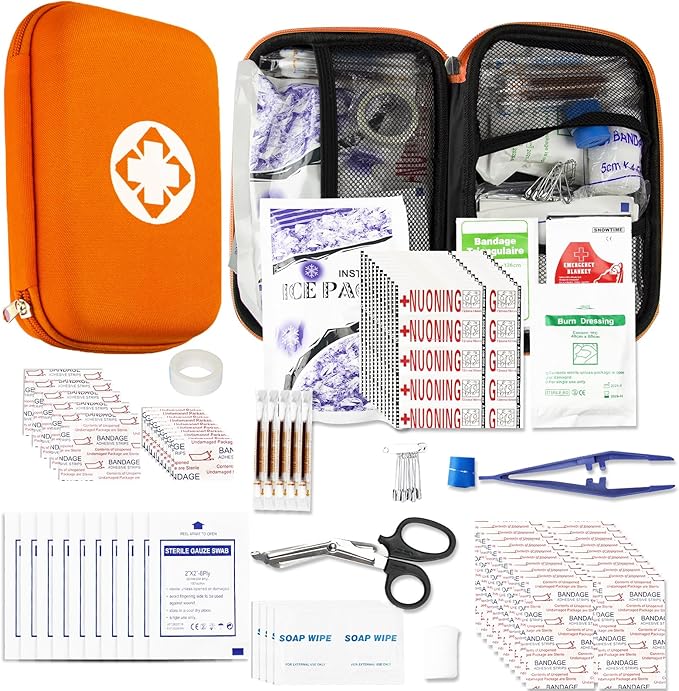
Having a simple digital thermometer and basic health kit is a cheap way to track fevers and treat minor issues before they escalate.
$7.99

Learning Basic First Aid Skills for Free
Many organizations, including the Red Cross, offer free online first aid and CPR courses. YouTube is full of reputable instructional videos from medical professionals. Practicing skills at home ensures you’re ready when needed. Knowledge is the most valuable part of any first aid kit—and it’s free.
Skills You Can Learn Without Spending a Dime
Free Online Survival Courses and Resources
The internet is a goldmine for free survival training. Websites, forums, and government agencies offer downloadable guides and videos on everything from fire-starting to gardening. These resources are updated regularly and cost nothing but your time. With consistent learning, you can build a strong skill set without spending a cent.
Practicing Self-Reliance Skills at Home
Start by cooking meals from scratch, sewing small repairs, or growing herbs in containers. Practice building makeshift shelters or purifying water in your backyard. These exercises build confidence and muscle memory. Over time, they reduce your dependency on store-bought solutions.
Community-Based Prepping When Broke
Bartering and Skill Trading
Bartering allows you to exchange what you have or can do for what you need. For example, trade gardening help for home repairs or baked goods for fresh produce. This strengthens community ties while saving money. In tough times, a strong barter network can be just as valuable as cash.
Joining Local Prepper Groups
Local prepper groups often share bulk purchases, trade surplus supplies, and pool skills. Many organize training days or skill-sharing sessions at no cost. Joining a group expands your resources and support network. It also keeps you motivated and learning from others.
Thrifty Gear and Equipment Strategies
How to Find Survival Gear at Thrift Shops
Thrift stores can be treasure troves for durable, affordable gear. Look for camping supplies, tools, backpacks, and kitchen equipment. Inspect items for quality and functionality before buying. With patience, you can outfit yourself for a fraction of retail prices.
Repairing and Upcycling Old Equipment
Before throwing anything away, ask if it can be repaired or repurposed. A torn backpack can be sewn, and broken tools can often be fixed with basic parts. Upcycling keeps gear in use and money in your wallet. It also teaches problem-solving and adaptability.
The Stanley Camp Cook Set is durable, budget-friendly cookware that works on a stove, over a fire, or even in a survival situation.

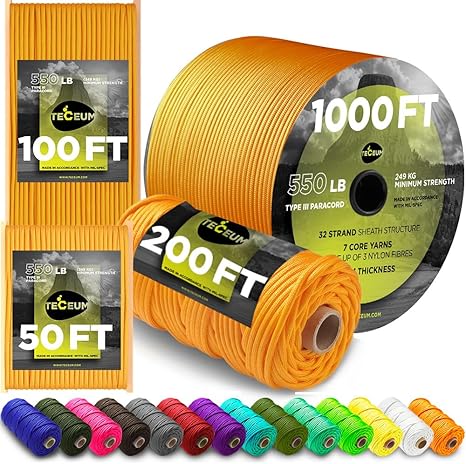
A roll of Paracord is cheap, versatile, and perfect for repairs, shelters, and countless DIY survival hacks.
The Eveready LED Flashlight 4-Pack gives you multiple light sources for a very low cost, so you can stash one in every room or bag.

Avoiding Costly Prepper Mistakes
Why Buying the Shiniest Gear Can Backfire
High-end gear isn’t always better—sometimes it’s just more expensive. Complex equipment can break more easily or require costly maintenance. Simple, sturdy tools often outlast their premium counterparts. Focus on reliability, not brand names.
How to Avoid Duplication and Waste
Keep an updated list of your supplies to prevent buying the same thing twice. Duplication wastes space and money that could be spent on missing essentials. Regularly reviewing your inventory helps you stay organized and focused. This habit makes your prepping far more efficient.
Turning Prepping Into a Lifestyle
Making Everyday Habits Survival-Friendly
Incorporate prepping into daily routines so it becomes second nature. Cook at home to build food skills, walk for fitness, and practice gardening for food security. Small daily actions add up over time. By making preparedness a habit, you save money and increase resilience.
Keeping Prepping Sustainable Over Time
Set a small, realistic budget for prepping each month—$5 to $20 can go a long way over a year. Focus on gradual, consistent progress rather than big purchases. Review and adjust your plans as your skills and needs evolve. This approach keeps prepping stress-free and financially manageable.
Final Thoughts on Prepping When Broke
Prepping when broke isn’t about having less—it’s about making more of what you already have. By focusing on skills, resourcefulness, and community, you can build a strong safety net without going into debt. Emergencies may come without warning, but your preparation will give you an edge. Start small, start now, and build a resilient future step by step.
FAQs
1. How much money should I realistically spend each month if I’m broke but want to prep?
There’s no fixed amount, but even $5–$10 a month can make a difference when spent consistently. The key is focusing on essentials first and building slowly rather than trying to prepare everything at once.
2. Is it better to prep food or water first when money is extremely tight?
Water should usually come first because you can survive longer without food than without clean drinking water. Even a small water supply provides immediate protection during short-term emergencies.
3. How do I prep discreetly if I live with roommates or family who don’t support prepping?
Start with low-profile items like extra pantry food, reusable water bottles, flashlights, and basic first aid supplies. Skills-based prepping, such as learning first aid or cooking from scratch, is also invisible but valuable.
4. What should I avoid buying when I’m new to prepping on a budget?
Avoid specialty survival gadgets, single-use tools, and expensive “tactical” gear that doesn’t serve multiple purposes. Stick to simple, durable items you’ll actually use in everyday life.
5. Can prepping when broke still help in non-disaster situations?
Yes. Budget prepping often improves daily life by reducing food waste, lowering grocery bills, improving self-reliance, and helping you handle common problems like power outages or temporary income loss.
Other Useful Resources Related To Prepping When Broke
- Ready.gov – Build a Kit on a Budget
Official U.S. government guidance on building an emergency kit using affordable, everyday items. - CDC – Emergency Water Storage and Treatment
Authoritative information on storing and purifying water safely without expensive equipment. - American Red Cross – Free Online First Aid & CPR Resources
Free and low-cost education that supports your section in learning lifesaving skills without spending money. - USDA – Thrifty Food Plan & Budget Meal Guidance
Excellent resource for budget-friendly food planning that aligns with affordable food prepping. - FEMA – Emergency Preparedness Guides & Downloads
Free PDFs and guides covering disasters, sheltering, and preparedness fundamentals.