
Have you ever wondered where the line is between being prepared and just plain panic-buying? You’re not alone. In a world that seems to spin a little faster every year—between natural disasters, pandemics, and global tensions—it’s no surprise that more people are looking into prepping. But there’s a dark side to prepping that often gets misunderstood… and that’s hoarding.
So what’s the difference? Why does it matter? And how do you make sure you’re preparing smart, not selfish?
Let’s break it all down in this no-BS guide to prepping vs hoarding.
Table of Contents
Understanding the Basics of Prepping vs Hoarding
What is Prepping?
Prepping is the act of planning and gathering resources in advance to survive a potential emergency—whether it’s a hurricane, power outage, or food shortage. It’s all about being proactive, not reactive.
Preppers usually focus on essentials: water, food, first-aid, tools, and shelter. They often have detailed emergency plans, including escape routes, communication plans, and even skills training.
In other words, prepping is intentional, strategic, and responsible.
What is Hoarding?
Hoarding, on the other hand, is the compulsive accumulation of items—often without any clear plan or reason. It’s usually triggered by fear or anxiety and lacks structure or purpose.
Think back to the toilet paper shortages of 2020. That wasn’t prepping. That was panic hoarding. Hoarders tend to stockpile irrational amounts of goods, creating shortages for everyone else.
Why People Confuse the Two
The media often lumps preppers and hoarders into the same category. If you’ve got a pantry full of canned food and stacks of water jugs, people might call you a hoarder—even if you’re just being smart.
But the difference is clear: Preppers plan. Hoarders panic.
The Psychology Behind Prepping vs Hoarding
Fear vs Foresight
At the heart of hoarding is fear—raw, reactive, and often impulsive. Hoarding gives people a false sense of control during uncertain times.
Prepping, however, is powered by foresight. Preppers don’t fear the future—they prepare for it. That difference in mindset makes all the difference.
The Role of Media in Misconceptions
News headlines love extremes. Hoarders make for sensational stories, while smart, level-headed prepping rarely gets airtime. That skews public perception and lumps both groups into the same box.
Mental Health Impacts of Each
Hoarding is linked to obsessive-compulsive disorder (OCD) and anxiety. It can create unsafe living conditions and emotional stress.
Prepping, on the other hand, often promotes peace of mind. Knowing you’re ready for the unexpected? That’s empowering.
Key Differences Between Prepping and Hoarding
Purpose and Planning
Prepping has a purpose. Every item has a reason. You build a kit for 72-hour survival or a month-long supply based on potential risks.
Hoarding is reactive. It’s driven by “what if” panic, often with no clear plan or end goal.
Organization and Sustainability
Preppers rotate food, check expiration dates, and track supplies. Hoarders? Not so much. Their stash may expire, rot, or go unused.
Community vs Isolation
Preppers often share resources and knowledge with others. Hoarders tend to isolate and guard their stash with a “mine, not yours” mentality.
The Dangers of Hoarding Disguised as Prepping
When “Preparedness” Goes Too Far
Sometimes, a prepper crosses the line into hoarding without even realizing it. If your garage is overflowing and you don’t even know what you have, it might be time to reassess.
Legal and Safety Risks of Hoarding
Excessive hoarding—especially of fuel, medication, or firearms—can become a safety risk and even a legal issue. Not to mention, improperly stored supplies can attract pests or cause mold and fire hazards.
How to Spot Dangerous Hoarding Behaviors
- Buying more than you can store safely
- Refusing to share or donate expired items
- Panic buying without a list or plan
- Feeling anxious when you don’t have “enough”
Responsible Prepping in Today’s World
How Much is Too Much?
Here’s a good rule of thumb: prep for what’s likely, not just what’s possible. One month of food and water is enough for most people. Ten years of spaghetti? That’s excessive.
Building a Strategic Prepper Inventory
Stick to the basics:
- 1 gallon of water per person per day
- Non-perishable, high-calorie foods
- First aid kits
- Tools and hygiene items
- Flashlights, radios, and batteries
The Augason Farms 72-Hour Food Supply provides 42 easy-to-prepare servings with a 25-year shelf life. It’s a smart, minimal way to begin prepping without slipping into hoarding behavior—perfect for maintaining a practical emergency food reserve.

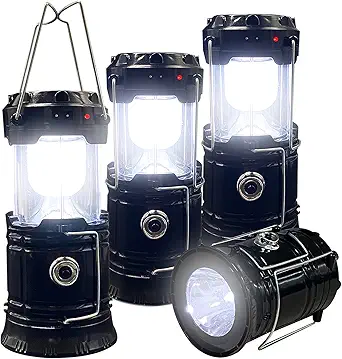
The Vont 4-Pack Camping Lantern offers bright, 360-degree lighting in a compact, collapsible design. With over 90 hours of battery life, it’s a minimalist-friendly lighting solution for power outages that avoids the excessiveness of hoarding.
Ethical Guidelines for Prepping
Don’t buy out entire store shelves. Take what you need and leave some for others. The world doesn’t end just because you ran out of peanut butter.
Checklist: Healthy Prepper Habits
- ✅ Rotate stock regularly
- ✅ Track inventory
- ✅ Share with community
- ✅ Prep with intention
- ✅ Stay educated
The Waterproof Prepper Supply Logbook is a simple but powerful tool for keeping tabs on your supplies. Track expiration dates, inventory levels, and rotation cycles so you never buy more than you need—and always know what you have.

How Prepping vs Hoarding Affects the Community
Social Responsibility in Emergencies
Prepping can actually help stabilize communities. A prepared individual won’t drain emergency resources. Hoarders, on the other hand, often create scarcity where none existed.
Supporting vs Stripping Local Supply Chains
Buy consistently, not all at once. Prepping is about long-term thinking. Hoarding causes empty shelves and broken systems.
Community-Based Prepping Tips
- Host local preparedness meetups
- Share resources and checklists
- Start a neighborhood emergency plan
- Build group supply caches
Economic Impacts of Prepping vs Hoarding
Market Disruptions and Shortages
Hoarding wipes out shelves. Prepping doesn’t. When people panic-buy, prices spike, and availability plummets.
Prepping That Supports Local Economies
Buy from local farms. Use small businesses. Sustainable prepping boosts the economy—it doesn’t drain it.
Hoarding That Harms
Bulk-buying during a crisis means someone else goes without. That’s not smart. That’s selfish.
Prepping vs Hoarding During a Crisis
Real-Life Examples: Who Fares Better?
In recent disasters—like hurricanes or pandemics—those who prepped in advance were calm and safe. Hoarders? They panicked, overbought, and wasted resources.
Emergency Resource Management
Preppers manage food, fuel, and supplies carefully. Hoarders often don’t know what they have—or where it is.
Group Preparedness vs Individual Panic
Prepping thrives in community. Hoarding thrives in isolation. You decide what kind of survivor you want to be.
Debunking Myths About Prepping and Hoarding
Common Stereotypes of Preppers
Not every prepper is a tinfoil-hat-wearing bunker-dweller. Many are parents, teachers, and professionals who just want peace of mind.
Why Hoarding Isn’t Just About “Stuff”
It’s about fear, trauma, and loss of control. Hoarding is more psychological than practical.
The Truth About “Doomsday” Culture
Doomsday prepping gets the spotlight, but most prepping is far more realistic. It’s about resilience, not the apocalypse.
How to Start Prepping Without Becoming a Hoarder
Step-by-Step Guide for Beginners
- Assess your risks (natural disasters, job loss, etc.)
- Build a basic 72-hour emergency kit
- Expand to 1–2 weeks of food and water
- Learn essential skills (first aid, fire-starting, etc.)
- Stay organized and update supplies regularly
Creating a Balanced Emergency Plan
Write it down. Make lists. Know your local shelters, routes, and emergency contacts.
Knowing When to Stop
Prepping should feel complete, not compulsive. If prepping becomes an obsession, take a step back.
The Role of Minimalism in Prepping
Prepping Doesn’t Mean Stockpiling Everything
You don’t need 1,000 cans of beans. You need enough, and that’s it.
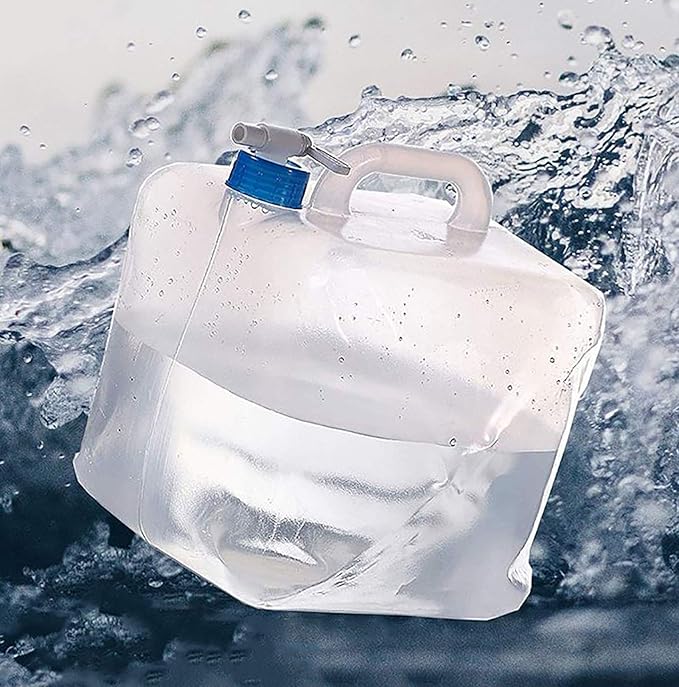
The WaterBrick Stackable Containers (3.5 Gallon) are durable, BPA-free, and designed for space-saving water storage. They help you responsibly prep for water needs without filling every corner of your home with jugs or barrels.
How to Prep Like a Minimalist
Focus on quality over quantity. Multi-use tools. Stackable food. Space-efficient storage.
The Swiss Safe 5-in-1 Paracord Bracelet combines a fire starter, compass, emergency whistle, mini knife, and military-grade paracord into a compact wearable tool. It’s the epitome of minimalist prepping—no excess, just essentials.

Finding the Balance
Minimalist prepping is sustainable, simple, and just as effective—if not more.
Prepping vs Hoarding: A Moral Dilemma?
The Ethics of Stockpiling
If your prepping takes from others during a crisis, it’s hoarding. Prep before the crisis, not during it.
Prepping for Self vs Prepping for Others
Smart prepping includes helping loved ones, neighbors, and even strangers when possible.
When Survival Gets Selfish
There’s a fine line between survival and selfishness. Don’t cross it.
What Experts Say About Prepping vs Hoarding
Insights from Emergency Planners
Emergency managers stress the importance of prepping with lists, goals, and a cool head. Panic gets people hurt.
Advice from Psychologists
Prepping can reduce anxiety. Hoarding feeds it. Know the difference for your own mental health.
What Experienced Preppers Recommend
Start small. Stay focused. Help others. Always keep learning.
Tools and Resources to Help You Prep Responsibly
Apps, Checklists, and Gear
- FEMA Prep App
- Red Cross Emergency Alerts
- Evernote or Notion for tracking supplies
The Jackery Portable Power Station Explorer 240 provides clean, quiet backup power for essential devices. It’s solar-compatible, portable, and great for urban preppers who want reliability without relying on stockpiling batteries or fuel.

Online Communities Worth Joining
- Reddit: r/preppers
- The Survival Podcast forums
- Local Facebook groups
Books to Guide Your Journey
- “Emergency” by Neil Strauss
- “Prepper’s Long-Term Survival Guide” by Jim Cobb
- “When All Hell Breaks Loose” by Cody Lundin
The Prepper’s Long-Term Survival Guide by Jim Cobb teaches sustainable prepping techniques without promoting panic or excess. It’s a responsible, expert-led roadmap that helps you prep with confidence and intention.

Final Thoughts: Prepping vs Hoarding – Choose Wisely
In the battle of prepping vs hoarding, the difference comes down to mindset. Prepping is strategic, community-minded, and empowering. Hoarding is reactive, selfish, and harmful.
You don’t have to build a bunker to be prepared. Just think ahead, stay calm, and prep smart—not scared.
FAQs – Prepping Vs Hoarding
1. How can I help others without encouraging hoarding during a crisis?
Focus on sharing knowledge, encouraging responsible prepping, and donating or lending supplies when possible. Promote community preparedness plans instead of bulk buying. Emphasize the importance of buying what you need and leaving enough for others.
2. What are some signs that my prepping habits are becoming unhealthy or compulsive?
Signs include feeling anxious if you don’t constantly add to your supplies, neglecting other life areas, ignoring expiration dates, and hoarding items without a clear plan or use. If prepping causes stress or isolation, it might be time to reassess your approach.
3. How do cultural differences affect perceptions of prepping and hoarding?
Different cultures have varied attitudes toward preparedness, with some viewing prepping as prudent and others as excessive or selfish. Media portrayal and local experiences with disasters can shape these views, influencing what behaviors are socially accepted or stigmatized.
4. Are there legal limits or regulations on how much emergency supplies one can store?
While there are generally no laws limiting basic food and water storage, hoarding certain items like fuel, firearms, or prescription medications may be regulated. It’s important to know local laws to avoid legal trouble and to store items safely.
5. How can technology help me organize and track my prepping inventory responsibly?
Apps and software like Evernote, Notion, or dedicated prepping apps allow you to catalog supplies, set reminders for rotation, and maintain digital copies of plans. This keeps your stock organized, helps avoid waste, and ensures you stay within reasonable prepping limits.
Other Useful Resources Related To Prepping Vs Hoarding
Got it! Here are 5 working external links related specifically to Prepping vs Hoarding:
- Psychology Today: Understanding Hoarding Disorder
A detailed look at the psychological aspects of hoarding and how it differs from prepping. - CDC: Emergency Preparedness – Planning vs Panic Buying
Official advice on distinguishing responsible prepping from panic-driven hoarding. - National Hoarding Association
Resources and support for hoarding disorder, helping to understand its impact versus prepping. - The Conversation: When does prepping cross the line into hoarding?
An article exploring the ethical and psychological differences between prepping and hoarding. - American Psychological Association: Prepping vs Hoarding During COVID-19
Insights from psychologists on behaviors during crises and how to prepare without hoarding.