
Let’s face it: prepping has a reputation for being expensive. People imagine underground bunkers, year-long food supplies, and gear that costs thousands. But here’s the truth—prepping on a budget is not only possible, it’s smart.
You don’t need to drain your bank account to be ready for emergencies. You just need the right mindset, a plan, and some creativity. Whether you’re prepping for a power outage, job loss, or natural disaster, this guide will help you do it without going broke.
Table of Contents
Why Prepping on a Budget Matters
Disasters don’t care about your income bracket.
Whether you’re rich or just getting by, emergencies strike the same. Prepping on a budget ensures you’re not just safe—you’re not buried in debt afterward. A tight budget shouldn’t be a barrier to basic survival and comfort.
In fact, prepping with limited resources teaches you to be resourceful, smart, and resilient—traits that matter more in a crisis than any fancy gear ever will.
Mindset First: Budget Prepping Starts with Smart Thinking
Before you buy anything, stop and think. Budget prepping begins in your head, not your wallet.
Start by asking: What are the actual threats I’m preparing for?
Then break those down into needs. When you stay focused on real risks (power outages, bad weather, food shortages), you avoid falling into the trap of spending on things you’ll never use.
Start with a Budget-Friendly Plan
No plan = wasted money.
Track what you already have. Then set aside a small amount each week—even just $5–$10—to slowly build your supplies.
Here’s the key: prepping is not a race. It’s about consistent steps forward, no matter how small.
Prepping on a Budget: Focus on the Essentials
Let’s be real—do you need 50 gadgets? No.
Start with five core categories:
- Food
- Water
- Shelter
- First aid
- Security
These are your non-negotiables. Once you’ve built a foundation in each, then you can expand.
Food Prepping on a Budget
You don’t need expensive freeze-dried meals. Stock up on:
- Rice
- Beans
- Pasta
- Lentils
- Oats
- Canned veggies & meat
Look for buy-one-get-one-free sales or bulk bins at discount stores.
Canning and Preserving for Pennies
Learn to can seasonal fruits and veggies. It’s easier than you think—and costs way less than store-bought long-term food.
Water Storage Solutions That Don’t Drain Your Wallet
Water is life. Store it wisely.
DIY idea: Clean and reuse 2-liter soda bottles or juice jugs. Fill them with clean tap water.
Cheap Water Filtration Options
- Boiling (free)
- Lifestraw or Sawyer Mini (~$20)
- DIY sand and charcoal filters (YouTube has tons of tutorials)
The Sawyer Mini is a compact, budget-friendly filtration option that removes 99.999% of bacteria and protozoa.

Shelter and Warmth: Low-Cost Survival Solutions
If your power goes out in winter, warmth is everything.
Stock up on:
- Wool blankets from thrift stores
- Emergency mylar blankets (under $2)
- Tarp + paracord = DIY shelter
Tip: Sleeping bags are often found at garage sales for a few bucks.
These Swiss Safe Mylar Blankets are under $10 for a 4-pack and offer vital warmth in emergencies.

The REDCAMP Tarp is versatile, budget-friendly, and great for makeshift shelters using rope or paracord.

Inexpensive First Aid Prepping
You can build a legit first aid kit for under $20.
The First Aid Only Kit offers comprehensive supplies under $20—ideal for a budget-conscious prepper.

- Don’t forget pain relievers, antihistamines, and disinfectants.
Frugal Tools and Gear for Budget Preppers
Some gear is worth every penny—even cheap ones:
- LED flashlights
- Bic lighters (buy in bulk)
- Folding knives
- Multi-tools (check Amazon or Harbor Freight sales)
- Duct tape (fixes everything)
Look for tools that do more than one job.
The Swiss Safe Fire Starter includes a ferro rod, compass, whistle, and striker—multi-functional and under $10.

The Morakniv Companion is a reliable, budget-friendly fixed-blade knife ideal for outdoor and emergency use.

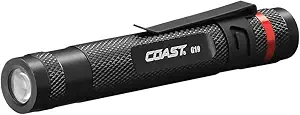
The Coast G19 Flashlight is compact, bright, and affordable—perfect for a bug-out bag or blackout kit.
BIC Classic Lighters are dependable, cheap, and great for bulk buying—ideal for fire-starting backups.
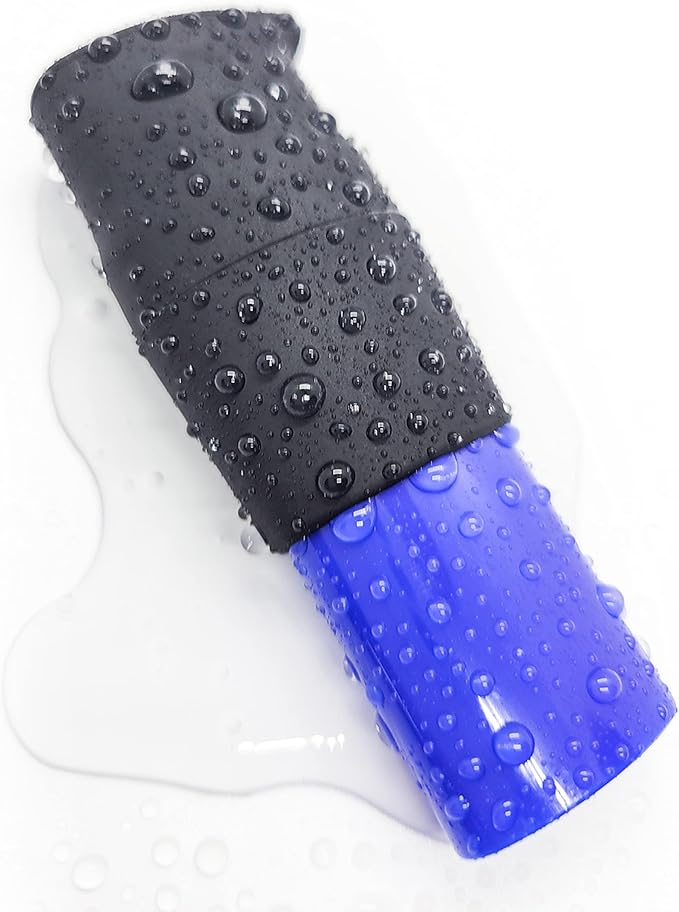
The Gorilla Tape To-Go mini roll is durable and easy to stash in any kit—great for emergency repairs.

DIY Prepping: Build It Yourself and Save
Some of the best prepper gear is homemade:
- Soda can alcohol stove
- Plastic bottle lanterns
- DIY fire starters from cotton + petroleum jelly
Got old clothes? Cut them up for rags or bandages. Got a broken umbrella? Use the metal ribs for traps or rods.
The Coghlan’s Match Case is a budget waterproof container that fits DIY fire starters or matches perfectly.

Bug Out Bag on a Budget
You don’t need a military rucksack to bug out.
Use any backpack you already own. Focus on:
- 1 change of clothes
- Water + filter
- Protein bars
- Flashlight
- Knife
- Emergency blanket
- Basic first aid
Buy used or trade for gear you’re missing.
The Emergency Zone Kit includes essentials like a blanket, food bar, flashlight, and first aid for a low price—great starter for a budget bug out bag.

Where to Find Prepping Supplies for Cheap
The best preppers are treasure hunters.
Shop here:
- Thrift stores
- Dollar stores
- Clearance sections
- Online marketplaces (Amazon, eBay, Facebook Marketplace, Craigslist)
- Barter groups and community swaps
Tip: Set alerts on local listings for free or cheap gear.
Skills Over Stuff: The Prepper’s Cheapest Advantage
You can lose gear. But you can’t lose knowledge.
Skills like:
- Starting a fire
- Purifying water
- Growing food
- First aid
- Self-defense
…are free to learn online and can save your life. Invest in yourself—it’s the best budget prep there is.
The SAS Survival Handbook is one of the best low-cost investments in survival knowledge—practical skills over gear.

Create a Community Network for Budget Prepping
You’re not alone in this.
Find like-minded people in your area—online forums, social media groups, and local meetups.
Share:
- Skills
- Gear
- Bulk purchases
- Ideas
Prepping together costs less—and builds a stronger support system.
Common Mistakes in Budget Prepping (and How to Avoid Them)
- Buying cheap junk that breaks fast
- Ignoring the value of training
- Stocking food you don’t eat
- Skipping water prep
- Going too fast, too hard
Solution: Slow, thoughtful choices make your prepping sustainable and smart.
Staying Consistent: How to Prep on a Budget Month by Month
Consistency beats intensity.
Try this:
- January: Buy a water filter
- February: Add canned goods
- March: Learn first aid online
- April: Get a flashlight and extra batteries
Little by little, you’ll build a solid prep without wrecking your wallet.
Conclusion
Prepping on a budget is not only possible—it’s powerful. You don’t need a pile of money to protect your family. You just need determination, resourcefulness, and a bit of creativity.
Start small. Stay focused. Be consistent. And remember: every step you take now brings you closer to peace of mind when things go sideways.
FAQs – Prepping On A Budget
1. What are the best long-term food storage options for budget preppers?
Budget preppers often rely on dry goods like rice, beans, and oats because they last long and are inexpensive. Other affordable long-term options include dehydrated vegetables, powdered milk, and homemade canned goods.
2. How can I safely rotate my budget prepping supplies without wasting food or resources?
Use a “first in, first out” method: consume older items regularly and replace them with fresh stock. Keep a simple inventory list to track expiration dates and avoid overbuying.
3. Are there any free or low-cost apps or tools that help with prepping on a budget?
Yes, several apps help with inventory management, emergency alerts, and survival skills training. Examples include “PrepMate” for inventory and “FEMA” app for emergency updates.
4. How can I include pets in my budget prepping plan?
Start by stocking affordable pet food and water. Buy in bulk when possible and include basic pet first aid supplies. Consider homemade pet treats or meals to save money.
5. Is it worth investing in prepping insurance or warranty plans for gear on a budget?
For budget preppers, investing heavily in insurance or warranties might not be cost-effective. Instead, focus on durable, multipurpose gear and maintain items properly to extend their lifespan.
Other Useful Resources Related To Prepping On A Budget
- Ready.gov: Build a Kit
Official government guide to assembling emergency kits, including budget-friendly tips. - The Prepared: Budget Prepping Tips
A detailed article on how to prep smartly without overspending. - The Survival Mom: Prepping on a Budget
Practical advice and strategies for prepping when money is tight. - Backdoor Survival: Affordable Food Storage Ideas
Tips for creating long-term food storage without breaking the bank. - Instructables: DIY Survival Gear
Step-by-step DIY projects for making your own prepping gear at low cost.