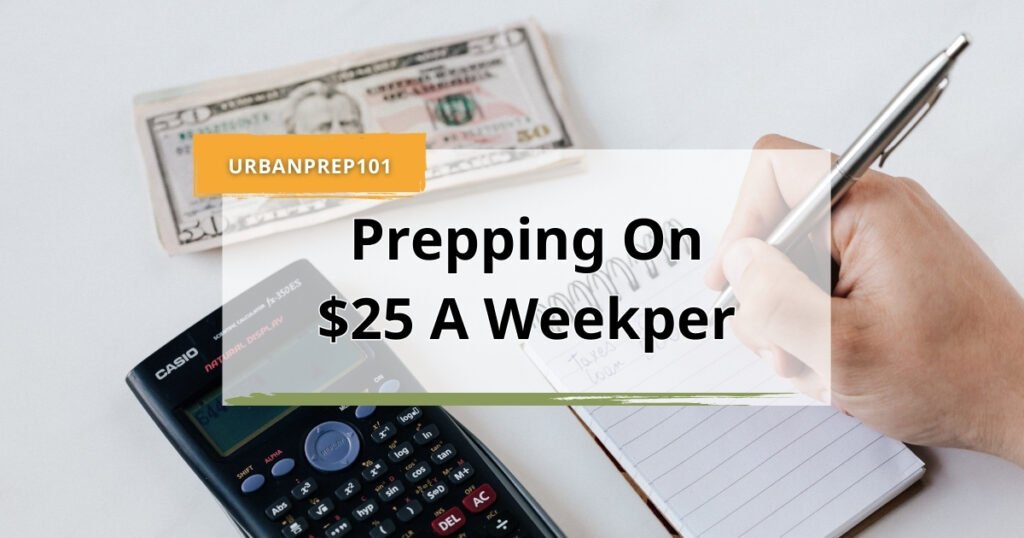
Prepping doesn’t have to be a rich man’s game. The idea that you need thousands of dollars to be ready for an emergency is simply wrong. By committing to prepping on $25 a week, you can slowly but surely build a life-saving stockpile without going broke. The secret is consistency, strategy, and knowing where to get the most value for your money.
Why Prepping on $25 a Week is More Than Possible
The myth that prepping is only for the wealthy
Many people believe that prepping requires massive upfront spending, fancy gear, and bulk warehouse purchases. This belief stops beginners before they even start. In truth, prepping on $25 a week is not only possible but surprisingly effective if done consistently. With the right plan, you can grow your supplies steadily without financial stress.
Mahatma Long Grain White Rice (5 lb) provides thousands of calories for under $10 and lasts up to 30 years when stored properly, making it a top choice for budget preppers.

Hormel Premium Canned Chicken Breast is a ready-to-eat protein source that adds variety and nutrition to rice, beans, or pasta meals without breaking your $25 budget.

How small weekly investments add up over time
It’s easy to underestimate the power of small, consistent investments. Twenty-five dollars might not seem like much in a single week, but over a year, it’s $1,300 worth of supplies. That’s enough to build a serious stash of food, water, and gear. By thinking long-term, you turn small actions into massive preparedness gains.
Mindset Shift – Thinking Like a Budget Prepper
Adopting a long-term survival mindset
Prepping isn’t a one-time shopping trip; it’s a lifestyle. When you commit to prepping on $25 a week, you’re making a habit of prioritizing security and resilience. This mindset ensures you stay consistent even when life gets busy. Over time, the habit becomes second nature.
Avoiding common budget-prepping mistakes
The most common trap is spending money on “cool” gear before covering the basics. Another mistake is buying in random bursts instead of sticking to a plan. Prepping on $25 a week works best when purchases are intentional and strategic. Avoid impulse buying and focus on the essentials first.
Creating Your $25-a-Week Prepping Plan
Assessing your needs before spending a cent
Before you buy anything, take stock of what you already own. Many people discover they have survival essentials like flashlights, blankets, or basic tools. This step prevents you from wasting money on duplicates. Once you know your gaps, your $25 weekly budget becomes far more powerful.
The importance of prioritizing essentials
When funds are limited, every dollar must go toward items that truly matter. Food, water, first aid, and basic tools should always come before luxuries. Prepping on $25 a week forces you to focus on high-impact purchases. This approach ensures your supplies are both practical and life-saving.
Balancing food, water, and gear purchases
One of the keys to success is dividing your budget across categories. If you spend all your money on food, you might neglect tools and water storage. Instead, aim for a balanced rotation—one week on food, the next on water, then gear. This keeps your prepping well-rounded and disaster-ready.
Food Prepping on $25 a Week
Best cheap, shelf-stable foods for beginners
Dry goods like rice, beans, pasta, and oats stretch your dollar while lasting for years. Canned goods are another budget-friendly powerhouse, offering ready-to-eat nutrition. Prepping on $25 a week means choosing calorie-dense items with long shelf lives. Focus on foods that are versatile and require minimal cooking.
How to shop sales and use coupons effectively
Sales and coupons are a budget prepper’s best friend. Combine store discounts with manufacturer coupons to maximize savings. Some stores even offer double-coupon days, which can drastically cut costs. Prepping on $25 a week works best when you hunt for these opportunities consistently.
Combining discounts with bulk buys
Bulk purchases don’t always require hundreds of dollars upfront. You can still buy bulk-sized rice or beans if you plan your purchases around store specials. Splitting costs with friends or family is another clever way to get bulk pricing without overspending. This tactic multiplies the value of your $25.
Building variety without overspending
Eating the same thing daily gets old fast. Rotate your purchases to build a variety of flavors and textures. For example, one week you might get pasta and sauce, the next canned chicken and vegetables. This keeps morale high and prevents “food fatigue” during long-term emergencies.
Water Storage Without Blowing Your Budget
Affordable water containers and purification methods
You don’t need expensive tanks to store water. Reusing clean soda bottles or food-grade buckets is a cheap starting point. Basic water filters like LifeStraw or Sawyer Mini often cost under $25 and can purify thousands of gallons. These low-cost tools are essential for budget preppers.
Sawyer MINI Water Filtration System is lightweight, affordable, and can filter up to 100,000 gallons of water, making it one of the best starter filters for under $25.

How to store water safely in small spaces
Not everyone has a basement for water barrels. If space is limited, store water in stackable containers that fit under beds or in closets. Keep containers away from direct sunlight and chemicals to prevent contamination. Prepping on $25 a week means making the most of every inch you have.
Reliance Aqua-Tainer 7 Gallon Rigid Water Container is a durable, reusable container designed for emergency water storage that fits within a weekly budget while offering long-term reliability.

Essential Survival Gear for Under $25
The tools you should buy first
Start with multipurpose tools that can serve several functions. A good knife, compact flashlight, and basic first aid kit all fit within the $25 limit. These items cover shelter, light, and medical needs, which are critical in any crisis. Build from this foundation as your budget allows.
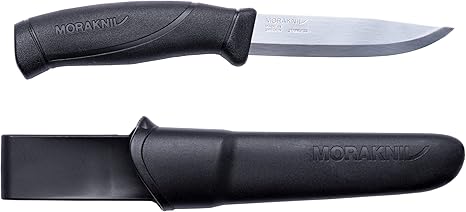
Morakniv Companion Fixed Blade Outdoor Knife is a dependable, budget-friendly knife that covers everything from food prep to outdoor survival tasks.
Eveready LED Flashlight (4-Pack) offers reliable lighting with batteries included, giving you redundancy for home or bug-out kits without going over budget.

Johnson & Johnson All-Purpose First Aid Kit provides over 100 essential medical items in a compact case, perfect for starting your emergency medical stash under $25.

Affordable alternatives to expensive gear
You don’t need to spend hundreds on name-brand camping gear. Discount stores, thrift shops, and online marketplaces often have quality used items for a fraction of the price. Prepping on $25 a week becomes easier when you embrace second-hand bargains. The goal is function, not fashion.
DIY Solutions That Save Big Money
Homemade survival tools and equipment
Many preppers make their fire starters, water filters, and storage racks. These DIY projects often cost a fraction of store-bought versions. Learning these skills not only saves money but boosts self-reliance. Every dollar saved can go toward other crucial supplies.
UCO Stormproof Matches (50 Count) are inexpensive but invaluable for fire-starting, waterproof, and windproof—ideal for preppers who want reliability without overspending.

Repurposing everyday items for prepping
A plastic soda bottle can become a water container, and old sheets can be turned into bandages. Cardboard boxes make excellent storage dividers. Prepping on $25 a week thrives on creativity and resourcefulness. Look around your home—you might already have survival gear hiding in plain sight.
Weekly Prepping Schedule Example
A realistic 12-week $25-a-week prepping plan
A structured plan ensures you build balanced supplies over time. Start with food and water, then move on to gear and medical supplies. Each week’s $25 is allocated with specific goals in mind. By week 12, you’ll have a solid emergency foundation.
Weeks 1–4: Food and water basics
Focus on staples like rice, beans, pasta, canned meats, and water storage containers. This phase builds your core survival resources. Avoid luxury foods for now—stick to items that keep you alive. You’ll thank yourself later.
Weeks 5–8: Gear and tools
Add essentials like a quality knife, flashlight, and basic first aid. Pick up matches, lighters, or a small camping stove if the budget allows. This gear makes your food and water supplies far more useful. It’s about building capability alongside storage.
Weeks 9–12: Expanding and rotating supplies
Now you can add variety to your food and upgrade gear as needed. Begin rotating your stock to keep it fresh. Keep looking for sales to stretch your $25 further. This stage strengthens your preparedness long-term.
Storing Your Preps Efficiently
Maximizing small space storage
Use vertical shelves, under-bed containers, and closet organizers to save space. Stackable bins make it easy to store large amounts in tight areas. Even a small apartment can hold months of supplies with the right organization. Prepping on $25 a week often means working with limited space.
Rotation methods to prevent waste
The “first in, first out” (FIFO) method ensures nothing expires before use. Place newer items behind older ones so you naturally use the oldest first. Keep an inventory list to track expiration dates. This habit protects your investment and keeps your stash fresh.
Tracking Progress and Staying Motivated
How to know you’re building real resilience
A good sign is when you can go weeks without shopping and still meet your needs. Your supplies should cover food, water, light, and basic medical care. Tracking what you have helps you see your growth clearly. Each purchase is a step toward true independence.
Celebrating milestones without overspending
Set mini-goals like “one month of food stored” or “complete water filtration setup.” When you hit them, celebrate in small, budget-friendly ways. This keeps morale high and reinforces your commitment. Prepping on $25 a week is a marathon, not a sprint.
Mistakes to Avoid When Prepping on a Tight Budget
Buying flashy gear before essentials
It’s tempting to buy high-tech gadgets first, but this drains your budget fast. Essentials like food, water, and first aid always come first. Gadgets can wait until your foundation is solid. This order of priorities ensures real survival readiness.
Ignoring expiration dates
Some preppers pile up supplies without checking dates, only to find them spoiled when needed. Always check before buying and monitor your storage regularly. Prepping on $25 a week makes every item count, so nothing should go to waste. A good rotation system prevents this costly mistake.
How Prepping on $25 a Week Prepares You for Any Crisis
The compounding effect of consistency
Week after week, your stockpile grows without financial strain. This slow, steady approach is more sustainable than big spending sprees. By sticking to the plan, you’ll be better prepared than many who start big and burn out. Small steps create huge results over time.
Real-life examples of budget preppers succeeding
Countless preppers have built a year’s worth of supplies one small purchase at a time. Some started with nothing but determination and a $25 weekly budget. They now have enough food, water, and gear to outlast major disruptions. If they can do it, so can you.
Conclusion – Small Steps, Big Preparedness
Prepping on $25 a week proves that survival readiness isn’t reserved for the rich. By staying consistent, prioritizing essentials, and thinking creatively, you can protect yourself and your loved ones without debt. Every small purchase is a brick in your wall of security. Start today, and in a year, you’ll be amazed at how far you’ve come.
FAQs
1. Can I prep on $25 a Week If I Already Have Debt or Tight Bills?
Yes — and in many cases, prepping on a small budget is especially valuable if finances are tight. The key is treating your $25 as a firm upper limit, not an obligation. Some weeks you may only spend $10–$15, and that’s fine. Focus first on ultra-low-cost preparedness steps like saving containers, learning skills, and organizing what you already own. Even minimal weekly progress builds resilience without adding financial stress. Prepping should reduce anxiety — not create more.
2. What If Prices Rise and $25 Doesn’t Buy as Much as It Used To?
Inflation happens, but strategy beats price swings. If food prices rise, pivot to store brands, clearance racks, or alternative staples. If gear prices climb, buy used or trade with other preppers. The power of the $25-a-week method isn’t the exact dollar amount — it’s the habit of steady accumulation. Even when prices change, consistency keeps your preparedness growing.
3. How Do I Prep on $25 a Week If I Have Dietary Restrictions?
Special diets (gluten-free, low-sodium, vegetarian, etc.) do require more planning, but they are absolutely manageable on a budget. Focus on shelf-stable whole foods that meet your needs — like rice, lentils, canned vegetables, or powdered milk alternatives. Buy in rotation when sales appear. Building a custom stockpile slowly prevents expensive last-minute specialty purchases during emergencies.
4. Is Prepping on $25 a Week Still Worth It If I Rent or Might Move Soon?
Yes — small-budget prepping actually pairs perfectly with renting. Choose compact, portable supplies: stackable food bins, collapsible water containers, and lightweight gear. Avoid heavy permanent storage until you have a long-term home. If you move, your supplies move with you. Prepping isn’t tied to a house — it’s tied to readiness.
5. How Long Does It Take Before My $25-a-Week Stockpile Becomes “Emergency Ready”?
Most beginners reach basic short-term readiness (3–7 days of food, water, and essentials) in about 8–12 weeks. By six months, you can comfortably reach several weeks of coverage. By one year, you’re ahead of the vast majority of households. The timeline depends on consistency — but every week adds another layer of protection.
Other Useful Resources Related To Prepping On $25 A Week
- Prepping on a Budget – 9 Practical Steps (SurvivalStoic)
A comprehensive guide with actionable steps for prepping without overspending. - Last-Minute Preps on a Shoestring Budget (The Organic Prepper)
Tips for expanding and rounding out your stockpile even when money is tight. - Food & Water Storage Basics (Survival Prepper 101)
Detailed introductory resource on storing food and water effectively. - Survival World – Prepping on a Budget Guide
A detailed overview of how to start prepping affordably, including inventorying what you already have, prioritizing essentials, and practical tips for food, water, tools, and skills. - Beginner Emergency Preparedness Checklist (The Prepared)
Expert-verified checklist covering essential supplies every prepper should consider.