Some of the links in this post are affiliate links. As an Amazon Associate, we earn a referral fee from qualifying purchases—at no extra cost to you.
Prepping in a rental might sound tricky. You don’t own the place, space is limited, and lease rules can feel like a straitjacket. But guess what? Being a renter doesn’t mean you have to skip out on prepping or survival readiness. In fact, prepping in a rental can be smart, effective, and downright empowering — if you know the right moves.
In this guide, we’ll unpack everything renters need to know to prep like a pro without breaking your lease or cluttering your life. Ready to turn your rental into a safe, smart, and resilient haven? Let’s dive in.
Table of Contents
Why Prepping in a Rental Is Different — And Why It Matters
Prepping in a rental is a unique challenge because you’re working within constraints. Unlike a homeowner, renters can’t just drill holes, build shelves, or stash supplies wherever they want. Space tends to be smaller, and landlords can have strict rules about what you can and cannot do.
But here’s the silver lining: renters are often more flexible and mobile. If disaster strikes, a renter’s bug-out plan might be quicker and easier than a homeowner’s. Plus, smart prepping can protect your safety and peace of mind without risking your security deposit.
Understanding the Challenges of Prepping in a Rental
One of the first things renters face is limited storage space. Maybe you have a tiny closet, a cramped kitchen, or no basement. Then there’s the lease agreement — many forbid permanent changes like drilling or mounting.
You might also lack outdoor storage like sheds or garages, so everything has to fit indoors and be easy to move if needed. Understanding these hurdles is key to crafting a prepping plan that works.
Building an Emergency Plan Tailored for Renters
Every prepping journey starts with a solid emergency plan. For renters, that means identifying evacuation routes, safe meeting spots, and a bug-out strategy that accounts for your mobility.
Think about how you’ll communicate with family or friends if power goes out. Do you have transportation? Where will you go if your rental becomes unsafe? Planning ahead means you won’t scramble when a crisis hits.
Smart Storage Solutions for Limited Space
Limited space demands creative storage. Use stackable plastic bins, under-bed storage bags, and vacuum-sealed bags to maximize every inch. Clear containers let you see what’s inside without digging.
Think vertical — install tension rods inside closets to hang bags, or use hanging shoe organizers for small items like first aid kits or snacks. Remember, your goal is accessibility and organization without clutter.
Reliance Aqua‑Stack Water Container – 5 Gallon
Glug, glug, no muss—these stackable 5‑gallon water containers fit neatly under beds or in corners, giving renters a clean, efficient way to store water without permanent shelving.

Essential Prepping Gear That Works Perfectly in Rentals
Choose gear that’s compact, lightweight, and multi-functional. Portable water filters, collapsible cookware, and compact first aid kits fit the bill.
Avoid bulky items that require installation or take up too much room. Instead, focus on essentials like a reliable flashlight, a hand-crank radio, and durable backpacks for quick grabs.
How to Store Food Safely Without Permanent Modifications
Storing food in a rental demands flexibility. Use airtight containers and rotate your stock regularly to avoid waste. Opt for shelf-stable items like canned goods, freeze-dried meals, and MREs (Meals Ready to Eat).
Consider small, portable coolers or insulated bags for perishables in the short term. If you have a balcony or window ledge, a small solar-powered dehydrator can boost your food storage game without violating rules.
Water Storage and Purification Tips for Renters
Water is survival’s non-negotiable. Renters should store water in stackable, sealed containers — think gallon jugs or collapsible bladders.
Invest in compact water purification methods like portable filters, purification tablets, or UV sterilizers. These tools are easy to store and essential for emergencies where municipal water might fail.
Power Backup Options Without Altering the Property
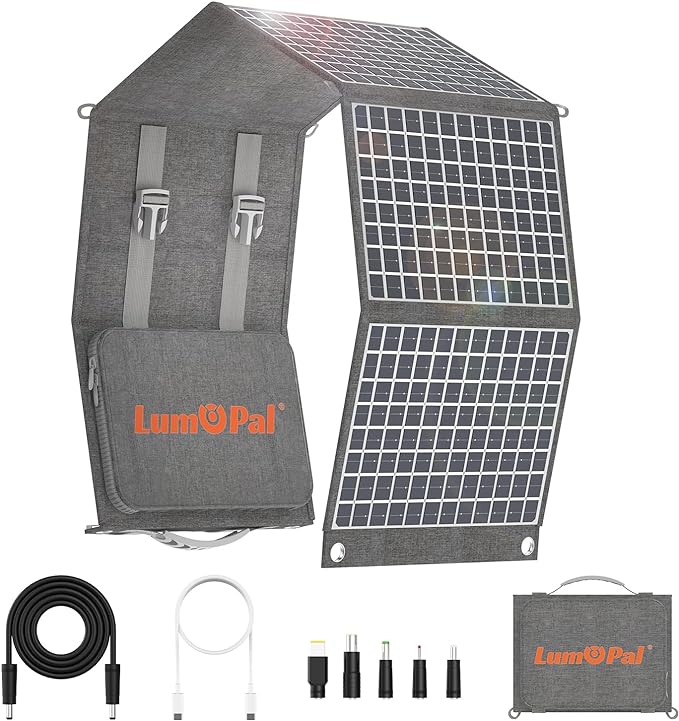
Electricity can vanish without warning. Since renters usually can’t install permanent generators or solar panels, portable power banks and solar chargers are lifesavers.
Look for foldable solar panels and multi-port power stations that charge phones, lights, and small devices. These keep your devices alive without drilling holes or rewiring anything.
Foldable Solar Panel 60 W – Portable USB Charger
Compact and powerful, this 60 W foldable solar panel charges phones and small gadgets via USB — no drilling, no wiring, just sun-powered resilience.
Securing Your Rental Without Violating Lease Agreements
Safety is critical, but renters must avoid permanent fixtures that breach lease rules. Instead, focus on non-invasive security tools.
Door alarms, window sensors that stick on with adhesive strips, and motion-activated lights powered by batteries or USB are all renter-friendly options. Also, practice good habits like locking doors and windows consistently.
Stick-on alarms that chime at 130 dB when doors or windows open unexpectedly. They’re fully removable and require no drilling, ideal for renter-safe security.

Creating a Bug-Out Plan When You Can’t Modify Your Home
Bugging out quickly means having a grab-and-go bag ready and knowing your escape routes. Prepping in a rental makes this even more vital.
Keep your bug-out bag in an accessible spot and include essentials like water, food, clothes, and important documents. Map multiple routes and consider where you’d head if your rental suddenly became unsafe.
Using Multi-Purpose Tools to Maximize Efficiency
Multi-tools and gear with several functions save space and weight. Swiss Army knives, survival bracelets with built-in fire starters, and compact cooking systems let you carry less but do more.
These versatile items keep your prepping lean and efficient — perfect for renters juggling space constraints.
How to Involve Your Neighbors in Your Prepping Plan
Neighbors can be your best allies. Building a prepping community can boost safety, share resources, and offer backup during emergencies.
Start conversations, organize small prepper meetups, or join local groups online. Mutual aid makes prepping less lonely and more effective.
Managing Legal and Lease Restrictions on Prepping in a Rental
Always review your lease and local laws before making prepping moves. Some landlords may have strict prohibitions on storing certain items or making modifications.
Keep communication open with your landlord, and document any agreements. Avoid anything that might jeopardize your tenancy, such as storing hazardous materials.
The Mental Game: Staying Prepared and Calm in Temporary Housing
Prepping in a rental isn’t just about gear — it’s about mindset. Living in temporary housing can feel unstable, but prepping can give you control and confidence.
Practice mindfulness, stay informed, and build routines that reinforce readiness. This mental resilience is just as critical as physical supplies.
Tips for Prepping on a Budget in a Rental Property
Prepping doesn’t have to drain your wallet. Prioritize essentials, buy in bulk when possible, and scout thrift stores or online marketplaces for bargains.
DIY solutions, like homemade first aid kits or repurposed storage containers, also stretch your budget. Focus on gradual prepping rather than overwhelming yourself all at once.
Final Thoughts on Mastering Prepping in a Rental
Prepping in a rental might feel like walking a tightrope, but it’s absolutely doable. With smart planning, creativity, and a renter’s flexibility, you can build a strong, ready lifestyle.
Remember, it’s about making the most of what you have — not what you don’t. Your safety and peace of mind are worth every bit of effort.
FAQs – Prepping In A Rental
1. What are some renter-friendly ways to store emergency supplies without attracting attention?
You can use everyday containers like suitcases, decorative baskets, or furniture with hidden compartments to discreetly store prepping supplies. This keeps your stockpile subtle and doesn’t raise concerns with landlords or neighbors.
2. Can renters legally store firearms or self-defense tools for prepping purposes?
Laws vary widely by location, so it’s important to check your local regulations and lease agreements. Some landlords prohibit firearms on their property, while others may allow them if stored safely and legally.
3. How can renters prep for emergencies if they don’t have reliable vehicle access?
Focus on building a robust “shelter-in-place” kit and plan for extended stays indoors. Include extra water, food, and communication tools. Also, identify nearby safe locations accessible by public transit or on foot.
4. Are there insurance considerations renters should keep in mind when prepping?
Yes. Renters insurance policies often don’t cover all types of emergency supplies or losses due to disasters. Review your policy and consider supplemental coverage or storing valuable prepping gear in secure locations.
5. How can renters keep prepping gear organized when frequently moving between rental units?
Use modular, portable storage solutions like stackable bins with handles or backpacks. Label everything clearly and keep an inventory list. This makes packing, unpacking, and transitioning between homes easier and stress-free.
Other Useful Resources Related To Prepping In A Rental
- FEMA: Emergency Preparedness for Renters
Official guidance from FEMA tailored to renters on how to prepare for emergencies effectively. - American Red Cross: How to Prepare Your Rental for Emergencies
Tips on emergency preparedness that are renter-friendly, including safety checklists and supply recommendations. - The Prepared: Prepping in Small Spaces and Apartments
A detailed article covering practical prepping strategies specifically for renters and those with limited space. - Survival Sullivan: Renter’s Guide to Emergency Preparedness
Insights and tips about prepping in rental units without violating lease terms. - Ready Nutrition: Prepping Tips for Renters
A helpful resource providing budgeting and prepping advice designed for renters.