
Some of the links in this post are affiliate links. As an Amazon Associate, we earn a referral fee from qualifying purchases—at no extra cost to you.
Table of Contents
Life with Off-Grid Power Solutions For Beginners
Have you ever wondered what it would be like to break free from electric bills? To generate your own power and never worry about outages again? That dream is real—and more achievable than you think. This guide dives deep into off-grid power solutions for beginners, crafted specifically for those taking their first steps into energy independence.
What Does Off-Grid Power Really Mean?
Going off-grid means you’re no longer dependent on the public utility system for electricity. You create, store, and manage your own power. Whether you’re in a remote cabin or a city apartment prepping for emergencies, the principle is the same: power on your terms.
Being off-grid doesn’t mean going primitive—it means being smart, efficient, and self-reliant.
Why Go Off-Grid?
For some, it’s about survival. For others, it’s about freedom or saving money. Off-grid living means:
- Self-reliance: No more power company outages ruining your plans.
- Disaster preparedness: Perfect for storms, blackouts, and uncertain times.
- Eco-conscious living: Renewable energy is cleaner and more sustainable.
- Savings: While setup costs exist, your electric bills vanish over time.
Key Elements of Off-Grid Power Systems
A successful off-grid setup includes:
- Power Generation: Where your energy comes from—sun, wind, water, or fuel.
- Power Storage: Batteries that store energy for when you need it.
- Power Regulation: Devices like inverters and controllers that make everything work safely.
- Usage Optimization: Efficient appliances and mindful consumption complete the picture.
Choosing the Right Off-Grid Power Source
Solar Power
Solar is by far the most beginner-friendly. It’s quiet, scalable, and modular. You can start with one panel and expand as needed.
Wind Power
Great for open spaces with strong, steady winds. Less predictable than solar but works well in stormy areas.
Micro-Hydro
If you have a stream or river, hydro can generate consistent power day and night.
Generators
Good as backup. Not eco-friendly long term, but handy when sunlight or wind fails.
Solar Power: The Gateway for Beginners
Solar panels are the MVP of off-grid power solutions for beginners. They’re plug-and-play friendly, especially with portable solar generators.
You’ll need:
- Solar panels (monocrystalline recommended for efficiency)
- Charge controller
- Battery storage
- Inverter
You can get beginner kits on Amazon with everything bundled—super convenient for your first install.
Quick Tip:
Start with a 100W panel and a small battery to power phones, lights, and a laptop.
The Renogy 100-Watt 12-Volt Solar Starter Kit is a beginner-friendly option that includes a monocrystalline panel, charge controller, cables, and mounts—perfect for learning the ropes of solar power without getting overwhelmed.

Wind Power Basics for Newcomers
Wind turbines convert kinetic energy into electricity. You’ll need a consistent breeze and open space. Most beginner kits include:
- Small turbine (400–1500W)
- Controller
- Pole/tower
- Battery system
While not ideal for city dwellers, they shine in rural or coastal areas.
The Pikasola 400W Wind Turbine Generator Kit is compact and designed for off-grid newcomers. It includes a charge controller and works well in open, windy areas, especially in rural or coastal zones.

Micro-Hydro: The Hidden Gem of Off-Grid Living
If you’re near flowing water with a decent elevation drop, micro-hydro is a goldmine. It provides consistent power 24/7. But it does need:
- Water rights
- Pipe systems (penstocks)
- Turbine generator
- Control electronics
It’s not as portable, but it’s a powerhouse for cabins or mountain homes.
The Hydro Generator Micro Water Turbine Generator Kit is a great intro to water-based energy, offering a compact design that generates continuous power if you have access to flowing water.

Battery Storage: Power When the Sun or Wind Isn’t There
Batteries are the heart of any off-grid system. Choose between:
- Lead-acid: Cheaper but heavier and shorter lifespan.
- Lithium (LiFePO4): More expensive, but lighter, longer-lasting, and faster charging.
The bigger your battery bank, the more power you can store. Always protect them from temperature extremes.
The Renogy 12V 100Ah LiFePO4 Lithium Battery offers lightweight, long-lasting, and fast-charging energy storage—making it ideal for efficient off-grid living.

Inverters and Charge Controllers Demystified
Your panels produce DC power—but most appliances use AC. That’s where inverters come in.
- Pure sine wave inverters are best for sensitive electronics.
- Modified sine wave units are cheaper but rougher on gear.
Charge controllers regulate power going into your batteries. Choose:
- PWM (Pulse Width Modulation): Budget-friendly
- MPPT (Maximum Power Point Tracking): More efficient and beginner-friendly in the long run
The Renogy 1000W Pure Sine Wave Inverter converts DC battery power into clean AC electricity, making it safe for sensitive electronics like laptops and LED lighting.

The Victron SmartSolar MPPT Charge Controller 100/30 maximizes the energy you get from your solar panels, even on cloudy days—great for beginners looking to boost efficiency.

DIY vs Professional Off-Grid Installations
DIY Pros:
- Lower cost
- Learn valuable skills
- More control
DIY Cons:
- Mistakes can be dangerous
- Troubleshooting can be tough
Pro Install Pros:
- Done right the first time
- Permits handled
- Faster setup
Start with a plug-and-play solar generator if you’re unsure.
Portable Off-Grid Power Solutions for Starters
Not ready to rewire your whole home? Try these beginner options:
- Jackery Explorer series
- EcoFlow Delta
- Bluetti power stations
They’re quiet, compact, and perfect for powering essentials like phones, fans, and medical gear.
The Jackery Explorer 300 Portable Power Station is lightweight, easy to use, and can power essentials like phones, laptops, and lights—ideal for apartment preppers or those just getting started.

You can also grab foldable panels to keep them charged on the go.
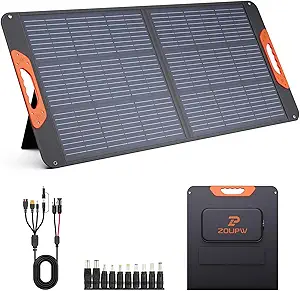
The Jackery SolarSaga 100W Foldable Solar Panel is a perfect on-the-go solution that pairs with portable stations, folds for travel, and keeps your power flowing when off-grid.
Common Mistakes Beginners Make (And How to Avoid Them)
- Overestimating output: A single panel won’t run your fridge.
- Neglecting battery sizing: Running out of juice halfway through the night? Bad planning.
- Ignoring wire gauges: Undersized wires waste power—and can overheat.
- Skipping a fuse box: That’s just asking for a meltdown.
Start small. Expand slowly.
Realistic Budgeting for Your First Off-Grid Setup
Here’s a rough idea for a starter solar setup:
| Component | Estimated Cost |
|---|---|
| 100W Panel | $100 |
| Charge Controller | $30 |
| 100Ah LiFePO4 Battery | $300 |
| Pure Sine Inverter | $150 |
| Wires, Mounts, Fuses | $100 |
| Total | ~$680 |
Not bad for your first step into energy freedom.
Maintenance and Troubleshooting Basics
Check your system monthly. Look for:
- Dirty panels
- Loose wires
- Corroded terminals
- Battery health
Every 6–12 months, do a deeper inspection. Replace worn parts before they fail.
The AstroAI Digital Multimeter is a must-have tool to safely check voltage, identify system faults, and ensure all components of your off-grid setup are functioning correctly.

Is Going Off-Grid Right for You?
Going off grid isn’t just technical—it’s a mindset. You’ll need:
- Patience to learn the systems
- Flexibility to adapt energy use
- Commitment to keep it running
But the reward? Total independence. And it feels incredible.
Conclusion
You don’t have to be an engineer to embrace off-grid power solutions for beginners. With a little know-how and a starter kit, you can take your first step toward energy independence. Whether you want full autonomy or just a backup for emergencies, going off-grid is empowering, rewarding, and more accessible than ever. The key is to start small, learn as you go, and never stop improving.
FAQs – Off-Grid Power Solutions For Beginners
1. What is the average lifespan of an off-grid power system?
Off grid systems typically last between 10 and 25 years. Solar panels often last over 25 years, while batteries usually need replacing every 5 to 15 years, depending on the type and maintenance.
2. Can I power my entire home using an off-grid solar system?
Yes, you can, but it depends on your energy consumption, the size of your system, and your location. Careful calculation of your daily energy needs is essential to design the right system.
3. Do I need special appliances for off-grid living?
Not necessarily, but using energy-efficient appliances can reduce your power demand and help your system run smoothly, especially if you have limited energy production.
4. Are permits required for installing off-grid power systems?
Permit requirements vary by location. Some places require electrical permits or inspections, so it’s important to check your local regulations before installation.
5. How do off-grid systems handle cloudy or low-wind days?
Systems rely on battery storage to keep power available during periods without sun or wind. Some setups also include backup generators for additional security.
Other Useful Resources Related To Off-Grid Power Solutions For Beginners
- Energy.gov – Off-Grid Renewable Energy Systems
A comprehensive guide by the U.S. Department of Energy covering various off-grid renewable energy options, perfect for beginners looking for trusted information. - The Solar Power Authority – Beginner’s Guide to Off-Grid Solar Power
Detailed explanations and practical tips on setting up off-grid solar power systems tailored for those just starting out. - Backwoods Home Magazine – Off-Grid Power for Beginners
A hands-on article focused on off-grid power basics and real-life applications for homesteaders and preppers. - Home Power Magazine – Off-Grid Solar Basics
Step-by-step guidance on designing and installing off-grid solar systems, ideal for DIY enthusiasts. - Renogy – How to Build an Off-Grid Solar Power System
A beginner-friendly tutorial from a leading solar equipment manufacturer covering the essentials of building an off-grid solar setup.