
Some of the links in this post are affiliate links. As an Amazon Associate, we earn a referral fee from qualifying purchases—at no extra cost to you.
When disaster strikes, chaos often follows — especially in the hustle and bustle of urban life. But what if you had a powerful urban evacuation plan that could turn panic into calm and confusion into clear action? This guide dives deep into creating an urban evacuation plan that’s tailored, practical, and downright lifesaving.
Table of Contents
Why You Need an Urban Evacuation Plan
City living comes with perks — culture, convenience, endless energy. But it also means being vulnerable to disasters unique to urban areas: earthquakes shaking skyscrapers, floods washing through streets, fires in tight spaces, or even sudden blackouts. Without a clear evacuation plan, the sheer density and pace of city life can turn an emergency into chaos.
An urban evacuation plan isn’t just about escaping—it’s about making informed, quick decisions under pressure. The last thing you want is to freeze or waste precious minutes figuring out what to do. A plan reduces stress, guides action, and could very well save your life. Think of it as your blueprint for safety when the unexpected hits.
Understanding the Unique Challenges of Urban Evacuations
Urban environments pose challenges unlike rural or suburban areas. The crowded streets, towering buildings, and dense population create obstacles. Roads can jam quickly, public transit can shut down, and emergency responders may be overwhelmed.
Imagine trying to funnel thousands of people through a few narrow exits—bottlenecks happen fast. Add the risks of infrastructure failures—power outages, downed communication lines, or blocked roads—and you get a perfect storm for confusion. Your evacuation plan must account for these hurdles, making flexibility and clear information your top priorities.
Key Components of a Successful Urban Evacuation Plan
A good plan combines preparation and adaptability. Safe evacuation routes: Know multiple ways out, whether by car, bike, or on foot. Meeting points: Designate places where everyone can regroup if separated. Emergency supplies: Have a grab-and-go kit stocked with essentials. Communication strategy: Prepare alternative ways to stay in touch when networks fail. Special needs: Account for children, seniors, pets, or anyone requiring extra care.
Each piece is vital for a plan that works under pressure and uncertainty.
How to Assess Your Urban Environment for Evacuation Risks
Not all parts of a city are equal when disaster strikes. Spend time understanding your local risks. Is your neighborhood prone to flooding or landslides? Are there nearby industrial zones with hazardous materials? What about earthquake fault lines or wildfire risks? How safe are the streets at night or in an emergency?
Mapping these hazards helps you avoid trouble spots when evacuating. It’s like scouting a battlefield before the fight.
Crafting Multiple Evacuation Routes for Flexibility
The best-laid plans fail if your route is blocked. So, design at least two or three escape paths.
Don’t rely solely on driving. Consider walking routes through parks or alleyways. Public transit options like subways or buses that might remain open. Cycling paths or bike-share programs for nimble movement.
Diversifying your routes increases your odds of finding a clear path when it matters most.
Preparing a Grab-and-Go Urban Evacuation Kit
When seconds count, you won’t have time to gather supplies. Your kit should be ready to grab in an instant.
Essentials include bottled water and non-perishable snacks. Basic first aid supplies. Flashlight and extra batteries. Copies of IDs and important documents in a waterproof pouch. Face masks and hand sanitizer. Portable phone charger or power bank.
Keep the kit compact but comprehensive enough to support you for at least 72 hours.
Staying hydrated is critical during evacuation. The LifeStraw lets you safely drink from questionable water sources on the go, making it ideal for urban emergencies when bottled water runs out. It’s compact and lightweight—perfect for your grab-and-go kit.

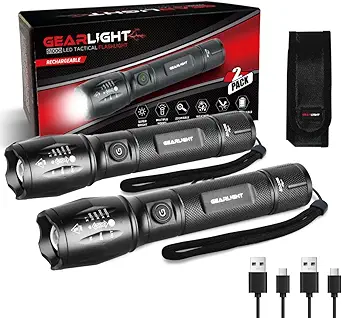
GearLight S1000 LED Tactical Flashlight
Urban blackouts and power failures can strike without warning. A durable, bright tactical flashlight helps navigate dark streets or find items in your kit quickly. Many models come with rechargeable batteries, saving cost and waste.
SealLine E-Case Waterproof Document Bag
Keeping copies of IDs, insurance papers, and important documents dry and safe is essential. A waterproof pouch designed for documents protects these from water damage during floods or heavy rain.

Setting Up Reliable Communication Channels During an Urban Evacuation
Cell phones might fail or networks can get overwhelmed in emergencies. Backup communication methods are critical.
Options include walkie-talkies for short-range, no-network-needed communication. Agreed on check-in times and places in case devices die. Emergency alert apps with offline functionality. Written contact lists for quick reference.
Establishing these before a crisis keeps everyone connected and reduces panic.
Cell phone networks may overload or fail during emergencies. These compact, affordable walkie-talkies offer reliable short-range communication, helping families or groups stay connected without cell service.

How to Include Family, Roommates, and Neighbors in Your Plan
No one should face an urban evacuation alone. Collaboration improves safety and resource sharing.
Share your plan clearly with everyone involved. Practice drills together to build confidence. Assign roles—who carries supplies, who checks on pets, who helps elderly neighbors. Exchange contact details and meeting points.
A prepared group moves more smoothly and supports each other under stress.
Special Considerations for Urban Pets During Evacuation
Pets depend entirely on you during emergencies. Including them in your plan is crucial.
Make sure you have proper carriers or leashes ready. Food, water, and medications are stocked for several days. Copies of vaccination records. Knowledge of local pet-friendly shelters or hotels. Practice evacuating with your pet so they stay calm.
Caring for pets in an evacuation protects your whole family’s well-being.
Evacuating with pets can be tricky. A sturdy, breathable pet carrier backpack makes transport easier and keeps pets safe and calm while on the move through crowded urban areas.

Highwave AutoDogMug Portable Pet Water Bottle
Keep your pets hydrated during evacuations with a portable water bottle designed for easy dispensing on the go. It’s lightweight and spill-proof, perfect for travel.

Navigating Public Transportation and Urban Infrastructure in Emergencies
Cars aren’t always the answer in crowded cities. Knowing your public transit options can be a game-changer.
Research which subway or train lines operate during emergencies. Know bus routes and alternate stops. Consider bike-share availability or safe pedestrian pathways. Keep updated via official city websites or apps.
Having multiple transit plans can get you out faster when roads are gridlocked.
Legal Rights and Restrictions When Evacuating Cities
Cities often impose curfews, roadblocks, and evacuation orders in emergencies. Understanding these helps you avoid trouble.
Know if evacuation is mandatory or voluntary. Carry ID and proof of residence at all times. Respect curfews and avoid restricted zones. Stay informed via trusted local sources.
Following legal requirements ensures your evacuation goes smoothly and safely.
Mental Preparation: Staying Calm When the Urban Evacuation Plan Kicks In
Your mindset can make or break your response.
To stay calm, practice your plan often so it becomes second nature. Focus on deep breathing and positive thinking. Avoid rumors and sensational news that fuel anxiety. Remember you’re prepared and capable. Lean on your support network for reassurance.
Confidence and calmness keep you sharp and in control.
S.O.S. Emergency Mylar Thermal Blanket
These ultra-lightweight thermal blankets provide warmth and comfort, helping reduce stress and hypothermia risk after evacuation. They’re a small addition to your kit that can boost morale and physical well-being.

How Technology Can Boost Your Urban Evacuation Plan
Technology enhances planning, but shouldn’t be your only lifeline.
Use tech to receive real-time alerts and updates. Navigate traffic with GPS apps. Communicate via social media or messaging apps. Download offline maps for no-signal zones. Charge devices with portable power banks.
Always have analog backups like paper maps and physical contact lists.
Anker PowerCore Portable Charger (Power Bank)
Keeping your phone and GPS devices charged during an evacuation is crucial. This power bank is compact with high capacity and fast charging, ensuring your essential devices stay powered when you need them most.

Common Mistakes to Avoid When Planning Your Urban Evacuation
Avoid these pitfalls: Relying on a single evacuation route. Forgetting to communicate your plan. Neglecting to include pets or those with special needs. Overpacking your kit and slowing yourself down. Failing to practice and update the plan regularly.
A plan that’s too rigid or incomplete can fail when you need it most.
Practicing and Updating Your Urban Evacuation Plan Regularly
A plan on paper isn’t enough.
Schedule drills every six months. Update emergency contacts and meeting points. Replace expired supplies in your kit. Adjust for neighborhood changes like new construction or hazards. Learn from past drills and refine your approach.
Ongoing practice turns preparedness into a habit and ensures your plan remains effective.
What to Do Immediately After an Urban Evacuation
Reaching safety doesn’t mean the ordeal is over.
Contact family and authorities to report your status. Seek medical help if needed. Avoid returning until officials declare it safe. Locate emergency shelters or temporary housing. Document damage for insurance or aid. Take care of your mental health with rest and support.
Post-evacuation steps are vital for recovery and peace of mind.
Conclusion: Your Urban Evacuation Plan Is Your Lifeline
Urban living comes with risks, but being prepared flips the odds in your favor. A thorough, well-rehearsed urban evacuation plan doesn’t just protect your life — it empowers you with peace of mind. You deserve to walk the city streets knowing you’re ready for whatever comes your way. So, why wait? Start crafting your plan today. Your future self will thank you.
FAQs – Urban Evacuation Plan
1. What should I do if I’m at work or school when an urban evacuation is announced?
Have a secondary plan for evacuating from locations other than your home. Know emergency exits, local assembly points, and alternate transportation options from your workplace or school. Share this plan with your family so they know where you’ll go if separated.
2. How do I prepare for an urban evacuation if I don’t own a car?
Plan to use public transportation, ride-sharing with neighbors, or walking routes. Keep a foldable map and preloaded offline transit apps. In some cities, local authorities offer emergency shuttles or buses during evacuations—research ahead of time.
3. Is it safe to use elevators during an emergency evacuation in high-rise buildings?
Generally, no. In most emergencies—especially fires or power outages—elevators are unsafe. Always use stairwells and know multiple stair exits in any high-rise building you frequent.
4. How can I prepare my children for an urban evacuation without scaring them?
Use simple, reassuring language and make planning a family activity. Practice drills in a calm, playful way. Teach kids how to identify emergency personnel, remember key phone numbers, and recognize safe meeting places.
5. What if I get stuck in traffic during an evacuation?
Stay calm, keep windows rolled up, and conserve fuel. Listen to emergency radio updates. If movement stops for an extended time, consider safer alternatives on foot or using a bike. Avoid shortcuts through unfamiliar or dangerous neighborhoods.
Other Useful Resources Related To Urban Evacuation Plan
1. Ready.gov – Make a Plan
A comprehensive guide from the U.S. Department of Homeland Security on how to build a family emergency plan, including evacuation strategies.
🔗 https://www.ready.gov/plan
2. American Red Cross – Emergency Preparedness Checklist
A detailed checklist covering urban evacuation kits, family communication plans, and evacuation procedures.
🔗 https://www.redcross.org/get-help/how-to-prepare-for-emergencies/make-a-plan.html
3. FEMA – Evacuation Planning and Disaster Preparedness
FEMA’s portal provides official resources for local urban evacuation planning, maps, and disaster declarations.
🔗 https://www.fema.gov/emergency-managers/practitioners/evacuation-planning
4. CDC – Emergency Preparedness for Urban Residents
Tips and guidance from the Centers for Disease Control and Prevention tailored for people living in urban areas.
🔗 https://www.cdc.gov/prepyourhealth/index.htm
5. National Association for City Transportation Officials (NACTO) – Urban Street Design in Emergencies
Outlines how urban infrastructure impacts evacuation and emergency responses. A valuable resource for planning around city layouts.
🔗 https://nacto.org/publication/urban-street-design-guide/street-design-elements/emergency-response/