
Table of Contents
Understanding Urban Survival Skills: Why They Matter More Than Ever
Urban survival skills are not just for adventurers or preppers anymore—they are essential life skills for anyone living in a city. Whether it’s navigating natural disasters, power outages, or civil unrest, mastering these skills ensures you can protect yourself, your family, and your community when chaos strikes. Cities might seem safe with their infrastructure and resources, but the dense population and unique challenges make urban survival a complex puzzle that requires smart strategies.
The Core Principles of Urban Survival Skills
Survival in an urban environment revolves around preparation, awareness, and adaptability. Unlike wilderness survival, urban survival demands understanding the environment—crowds, buildings, limited natural resources—and learning how to use or avoid these elements wisely. It’s about blending in while being alert, knowing escape routes, managing scarce supplies, and making fast, smart decisions under pressure.
Situational Awareness: The Foundation of Urban Survival
The first step in urban survival is developing razor-sharp situational awareness. This means being alert to your surroundings at all times—recognizing exits, spotting potential threats, and noticing unusual activity. It’s not about paranoia but about cultivating a mindful presence. Train yourself to observe details: sounds, smells, people’s behaviors. This awareness can give you critical seconds to act in emergencies.
Building a Reliable Urban Survival Kit
Your survival kit should reflect the realities of city life. Unlike rural kits loaded with wilderness gear, an urban survival kit focuses on essentials like first aid, water purification, multi-tools, personal defense items, and communication devices. Compactness and portability are key—think backpack or sling bag that you can carry all day if needed.
The EVERLIT Emergency Survival Kit is a compact backpack stocked with first aid, tools, and survival gear, designed specifically for urban and disaster situations.

Securing Safe Shelter in Urban Settings
In a crisis, knowing where and how to find safe shelter is vital. Urban survival skills teach you to identify secure buildings, recognize structural risks, and create makeshift shelters if necessary. Sometimes, shelter means staying indoors away from hazards; other times, it means moving quickly to safer zones.
Water and Food: Managing Scarce Urban Resources
Access to clean water and food can quickly become a challenge during urban emergencies. Learn techniques for finding, purifying, and storing water within the city environment. Familiarize yourself with non-perishable, space-saving food options that provide maximum nutrition. Stockpiling smartly is a game-changer.
The LifeStraw Personal Water Filter lets you safely drink from contaminated water sources, making it essential for staying hydrated during urban emergencies.

The Augason Farms 72-Hour Emergency Food Supply provides shelf-stable meals that are lightweight and easy to store in apartments or bug-out bags.

Self-Defense Techniques for Urban Environments
Personal safety is paramount. Urban survival skills include basic self-defense strategies that anyone can learn to protect themselves without weapons. Also, understanding when and how to use non-lethal defense tools—like pepper spray or tactical flashlights—can deter attackers and increase your confidence in dangerous situations.
The Sabre Red Pepper Spray Keychain is compact, powerful, and easy to carry discreetly, giving you non-lethal protection in crowded city situations.

Navigating and Evacuating Urban Areas Under Stress
Crowds, blocked roads, and confusion often accompany urban emergencies. Mastering evacuation routes, alternative pathways, and even using urban terrain to your advantage can mean the difference between safety and harm. Map out escape routes beforehand and practice mental drills for quick decision-making.
Communication and Information Gathering When Networks Fail
In disasters, mobile networks might fail or become overloaded. Urban survival skills teach you to have backup communication plans like radios, messaging apps that work offline, or prearranged signals with trusted contacts. Staying informed through multiple channels helps you adapt as situations evolve.
The Midland GXT1000VP4 Two-Way Radios offer reliable communication when cell towers are down, with a range of up to 36 miles in open areas.

First Aid Essentials for Urban Survivors
Medical emergencies don’t wait for help to arrive. Basic first aid knowledge, including CPR, wound care, and treating fractures, is a must-have skill. Urban areas might have quicker access to hospitals, but delays can happen. Being able to stabilize injuries on your own can save lives.
The Swiss Safe First Aid Kit (200 Piece) is lightweight, portable, and packed with medical supplies to handle cuts, burns, and other urban injuries.

Mental Resilience: Staying Calm in Urban Chaos
Survival is as much mental as it is physical. Urban environments can be overwhelming during crises. Developing mental resilience—staying calm, focused, and optimistic—allows you to make better decisions and avoid panic. Techniques like controlled breathing and positive visualization are practical tools to practice.
Using Technology to Enhance Your Urban Survival Skills
Modern technology offers incredible survival advantages—apps for emergency alerts, GPS navigation, offline maps, and portable chargers are all part of a well-prepared urban survival toolkit. But technology can fail, so always have analog backups and practice using them.
The Anker PowerCore Portable Charger keeps your phone and devices powered during blackouts, ensuring you can still use GPS and emergency apps.

Building a Community Network for Shared Safety
No one survives alone. Urban survival is boosted by strong community ties. Forming networks with neighbors, coworkers, and local groups can provide shared resources, skills, and support. Community drills and communication plans increase everyone’s chances of staying safe.
Preparing for Specific Urban Threats: Fires, Blackouts, and Riots
Cities face unique emergencies—fires spreading through buildings, prolonged blackouts, or social unrest turning violent. Each situation demands tailored urban survival skills, from fire escape techniques to blackout lighting solutions and de-escalation tactics.
Urban Gardening and Food Sustainability Skills
Long-term survival in a city might require growing your food. Urban gardening skills, such as container gardening, hydroponics, and vertical planting, help maintain food security in small spaces. Learning these techniques empowers you to be less dependent on disrupted supply chains.
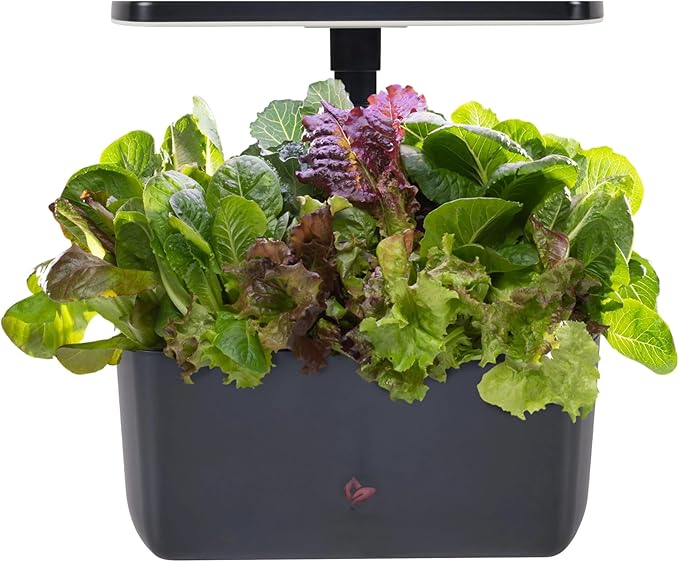
The AeroGarden Harvest Indoor Hydroponic Garden lets you grow fresh herbs and vegetables indoors year-round, even in small city apartments.
Legal Know-How and Rights During Urban Emergencies
Knowing your legal rights during emergencies, curfews, or police encounters is a crucial urban survival skill. Understanding how to interact respectfully yet confidently with authorities protects you from unnecessary trouble and ensures your rights are respected.
Preparing Your Urban Survival Plan: Step-by-Step Guide
Developing a comprehensive urban survival plan involves assessing risks, setting priorities, gathering resources, and practicing drills. This personalized plan should cover various scenarios, evacuation routes, communication protocols, and resource caches. Regular updates and practice ensure readiness.
Conclusion: Embrace Urban Survival Skills for Confidence and Safety
Urban survival skills are your toolkit for thriving in the unpredictable realities of city life. By investing time in learning and practicing these strategies, you gain not just safety but peace of mind. Whether facing natural disasters or man-made chaos, your preparedness transforms fear into confidence. Start today, and master the art of surviving—and thriving—in the urban jungle.
FAQs
1. How can I safely store important documents and valuables in an urban emergency?
Even with an urban survival kit and food/water supplies, protecting essential documents—IDs, passports, insurance papers—and valuables is critical. Options include fireproof and waterproof safes, portable document pouches, or digital backups stored securely in the cloud.
2. What are some low-cost ways to practice urban survival skills without specialized gear?
Not everyone can afford high-end survival tools. Skills like situational awareness, route planning, basic first aid, and self-defense can be practiced using everyday environments and household items. City walks, emergency drills at home, and community workshops are cost-effective ways to train.
3. How do I prepare for urban survival if I have mobility challenges or health issues?
Urban emergencies can be especially challenging for those with mobility limitations or chronic conditions. Planning should include mobility aids, prearranged help from neighbors or family, medication stockpiles, and accessible evacuation routes. Personalized plans ensure safety without compromising independence.
4. What urban survival strategies work for pets during emergencies?
Pets are often overlooked in survival planning. Urban survival skills should include pet food storage, emergency leashes or carriers, water, and first aid for animals. Identifying pet-friendly shelters and planning evacuation routes that accommodate animals is also important.
5. How can I identify safe urban spaces to shelter temporarily during civil unrest or natural disasters?
Beyond your home, knowing which public buildings, community centers, or businesses are safe during crises is crucial. Assessing structural integrity, accessibility, crowd control, and security measures ahead of time improves your chances of finding reliable temporary shelter during emergencies.
Other Useful Resources Related To Urban Survival Skills
- Ready.gov – Build a Kit (Emergency Preparedness Basics)
Official guidance from FEMA on building an emergency kit, including essential items and checklists for disaster readiness. - Ready.gov – Plan Ahead for Disasters
FEMA’s central preparedness portal with step‑by‑step instructions on making emergency plans for families, communities, and individuals. - Emergency Preparedness and Response — CDC
U.S. Centers for Disease Control and Prevention’s official page for public health emergency resources, safety tips, and detailed guidance for surviving disasters. - WHO Framework: Strengthening Health Emergency Preparedness in Cities and Urban Settings
A World Health Organization guidance document focused on building preparedness and resilience for health emergencies in urban areas. - UNEP – Risk Reduction & Disaster Preparedness for Cities
United Nations Environment Programme resource on environmental risk awareness, disaster preparedness, and resilience planning for urban communities.