
Table of Contents
Why Discreet Prepping Is Essential in Modern Life
When it comes to prepping, not everyone needs to know what you’re doing. Being too visible can attract unwanted attention, create social stigma, or even make your supplies a target. Discreet prepping ensures that you are ready for emergencies while keeping your lifestyle low-profile. By staying under the radar, you can prepare for disasters without causing alarm to family, neighbors, or coworkers.
Understanding the Risks of Being Too Obvious
Preppers who openly display their gear or talk extensively about their plans can unintentionally become targets. Opportunistic thieves and scammers often seek out visible prepping setups. Even social media posts or casual conversations about prepping can make others aware of your resources. A discreet approach minimizes these risks while still keeping you fully prepared.
How Public Prepping Can Backfire
Being too obvious with prepping can create unnecessary social tension. Friends or neighbors might judge you, leading to strained relationships or awkward questions. In extreme cases, it can attract people who want to exploit your supplies. By keeping your prepping subtle, you protect your assets and maintain your social harmony.
The Core Principles of Discreet Prepping
Discreet prepping isn’t about doing less; it’s about doing it smartly. You can have the same level of preparedness while remaining unnoticed. The key is balancing accessibility with invisibility, so your essentials are always ready when you need them. Understanding these core principles sets the foundation for all your stealthy prep efforts.
Keep It Low-Profile but Effective
Discreet prepping doesn’t mean skimping on essentials. Instead, it involves clever placement, compact gear, and multi-use items. Your storage should be invisible to visitors yet easy for you to access. Effectiveness comes from thoughtful selection, not public display.
Prioritize Essentials Without Drawing Attention
Focus on must-have items like water, food, medical supplies, and tools, but avoid stockpiling in obvious spots. Everyday furniture or hidden compartments can conceal significant quantities of supplies. Prioritization ensures that in an emergency, you have what you need without revealing your prepping habits. Strategic storage also reduces clutter and keeps your living space functional.
How to Balance Visibility and Accessibility
The goal is to make your supplies both invisible and easy to reach. Using clever hiding spots like hollow furniture, decoy boxes, or discreet shelving works well. Rotate items regularly to ensure freshness while maintaining stealth. Balancing accessibility and invisibility requires planning but pays off in emergencies.
Planning Your Discreet Prepping Strategy
Before you buy gear or stockpile food, you need a clear plan. A discreet prepping strategy involves understanding your household’s unique needs, setting goals, and knowing how to blend preparations into daily life. Without a plan, even the best gear can go underutilized or compromise your stealth.
Assessing Your Household Needs
Every household is different, and prepping should reflect that. Consider the number of people, dietary restrictions, and any medical requirements. Evaluate potential risks like natural disasters, power outages, or social unrest. Tailoring your prep strategy ensures that your efforts are both practical and discreet.
Choosing the Right Prepping Goals
Not all emergencies require the same level of preparation. Decide whether you want short-term self-sufficiency, a bug-out plan, or long-term survival. Set realistic goals that fit your living situation and lifestyle. Clear goals prevent overstocking or unnecessary exposure.
How to Adapt Plans for Urban vs Rural Settings
Urban prepping requires more stealth due to close neighbors and limited storage, while rural prepping allows larger stockpiles but still benefits from discretion. Urban preppers often focus on compact supplies and blending in, while rural setups can include hidden outdoor storage. Adapt your methods according to your environment. Planning with context in mind improves both security and efficiency.
Food and Water Storage Without Standing Out
Food and water are the heart of prepping, but large visible stockpiles can raise eyebrows. Discreet preppers use clever storage techniques and everyday items to keep essentials hidden. Small, manageable containers also make rotation easier, ensuring your supplies stay fresh.
For emergencies, a compact option like the LifeStraw Personal Water Filter ensures safe drinking water without bulky equipment.

Smart Storage Solutions for Small Spaces
Use stackable bins, vacuum-sealed containers, or hidden drawers to store food. Shelving disguised as furniture or decor can double as supply storage. Compact solutions make it easier to maintain a low profile. Efficient storage ensures your essentials are always accessible without cluttering your living space.
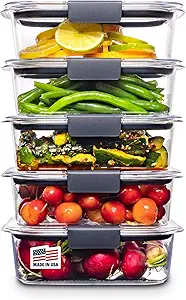
Everyday items like the Rubbermaid Brilliance Airtight Containers can double as discreet prep storage while looking like regular kitchen supplies.
Using Everyday Items as Stealth Storage
Think outside traditional containers. Empty cereal boxes, faux books, or hollow stools can conceal water purification tablets, canned goods, or small tools. These items blend seamlessly into your home environment. Discreet storage lets you prep without alerting anyone to your resources.
Rotating Stock Without Alarm
Regularly check expiration dates and rotate supplies into your regular meals. This ensures nothing goes bad while maintaining stealth. A disciplined rotation schedule prevents emergency stress and keeps your inventory functional. Consistency is key to staying prepared quietly.
Stealth Tools and Gear for Discreet Preppers
The right tools make a prepper’s life easier, but obvious survival gear can be a giveaway. Discreet tools look ordinary but serve multiple survival functions. They fit seamlessly into your daily life while remaining ready for emergencies.
Multipurpose Tools That Don’t Look Like Survival Gear
Items like tactical pens, compact multitools, and keychain gadgets provide emergency utility without drawing attention. Each piece should serve more than one function to maximize value and minimize visibility. Using multipurpose tools reduces clutter and keeps your prepping low-profile. These tools are perfect for urban and rural environments alike.
Compact multitools like the Gerber Dime Mini Multi-Tool fit in your pocket or keychain and provide utility without standing out.

A tactical pen like the Atomic Bear blends into everyday life while offering emergency utility.

Clothing and Accessories for Hidden Storage
Certain jackets, backpacks, or shoes come with hidden compartments for storing cash, keys, or small supplies. Wearing functional clothing doubles as emergency preparedness without signaling your intentions. Fashion and function can coexist for stealth preppers. Accessories with concealed storage are a game-changer for mobility and readiness.
Budget-Friendly Options That Blend In
You don’t need expensive gear to prep discreetly. Many affordable items, like concealed pouches or modular storage containers, blend into daily life. Prioritize items that are versatile and durable. Budget-conscious prepping still allows for high functionality without drawing attention.
Medical and First Aid Supplies You Can Hide
Emergency medical supplies are non-negotiable, but bulky first aid kits can be conspicuous. Smart preppers hide essential items in unexpected spots while keeping them accessible. The goal is readiness without alarming others.
The Surviveware Small First Aid Kit is compact enough to hide while still carrying essential supplies.

Essentials Every Discreet Prepper Should Have
Bandages, antiseptics, pain relievers, and prescription medications form the backbone of a prepper’s medical kit. Include small splints, gloves, and portable tools for quick response. Compact kits ensure that life-saving supplies are always on hand. Discreet storage protects both your privacy and your health.
Creative Ways to Conceal Medications and Supplies
Hollow containers, secret drawers, or disguised kitchen storage can hide vital medical supplies. Even common items like shoe boxes or pantry containers can double as hiding spots. Concealment allows you to access medications quickly without alerting others. Being creative is key to effective discreet prepping.
Security and Self-Defense Without Obvious Weapons
Safety is critical, but traditional weapons can raise suspicion. Discreet prepping emphasizes non-threatening self-defense and smart security measures. The goal is protection without drawing attention.
Non-Threatening Self-Defense Options
Pepper spray, tactical flashlights, and personal alarms provide safety without looking aggressive. Many items double as everyday tools, maintaining stealth. Training in their use ensures effectiveness in emergencies. Discreet self-defense balances preparedness with discretion.
Non-threatening tools, such as the SABRE Pepper Spray Keychain, provide personal safety without raising eyebrows.

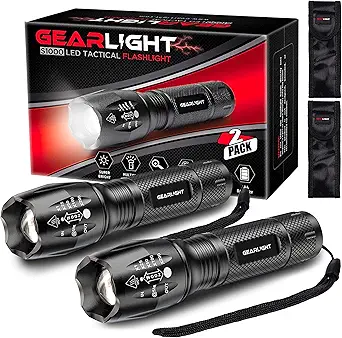
A GearLight LED Tactical Flashlight looks like any ordinary torch but offers durability and brightness for emergencies.
Safe Storage for Home Security Tools
Lockboxes, hidden safes, and inconspicuous compartments protect valuables and defensive items. Avoid overt security devices that make your home a target. Layered, subtle security measures enhance safety without attracting attention. Strategic placement is key to a low-profile setup.
Communications and Information Gathering
Discreet preppers need reliable information sources. Staying informed while avoiding digital footprints is essential. Knowledge is power, but privacy is paramount.
How to Stay Updated Without Using Obvious Channels
Use encrypted messaging apps, offline maps, and emergency radio scanners. Avoid posting prepping plans online. Create a personal alert system for weather, local news, and emergency notifications. This ensures you stay informed quietly.
Maintaining Privacy in Digital Prepping
Digital prepping includes secure passwords, offline backups, and anonymous browsing. Protect sensitive information from hackers or curious observers. Minimizing digital exposure complements your physical stealth measures. Privacy ensures your prepping remains effective and unseen.
Energy and Power Solutions That Stay Under the Radar
Reliable power is crucial for long-term survival. Discreet preppers use compact, hidden, and renewable energy solutions. These options maintain autonomy without revealing your capabilities.
Compact and Hidden Energy Sources
Portable power banks, small generators, and solar chargers provide discreet energy. They are easy to store and can support essential electronics. Smaller setups reduce noise and visibility while maintaining functionality. Energy independence can be achieved quietly.
Keep power discreetly available with the Anker PowerCore Portable Power Bank, which looks like a regular phone accessory.

Solar Options That Don’t Attract Attention
Foldable solar panels and rooftop micro-systems blend into the environment. Avoid large, obvious panels that draw attention. Proper placement and camouflage keep your energy setup invisible. Solar energy enhances self-sufficiency while remaining discreet.
For renewable power, the BigBlue Foldable Solar Charger offers a low-profile way to stay charged.

Discreet Transportation and Bug-Out Planning
Transportation is key in emergencies, but flashy vehicles can compromise stealth. Planning bug-out routes and mobility strategies ensures safety without attracting notice. Stealth is about blending in and moving efficiently.
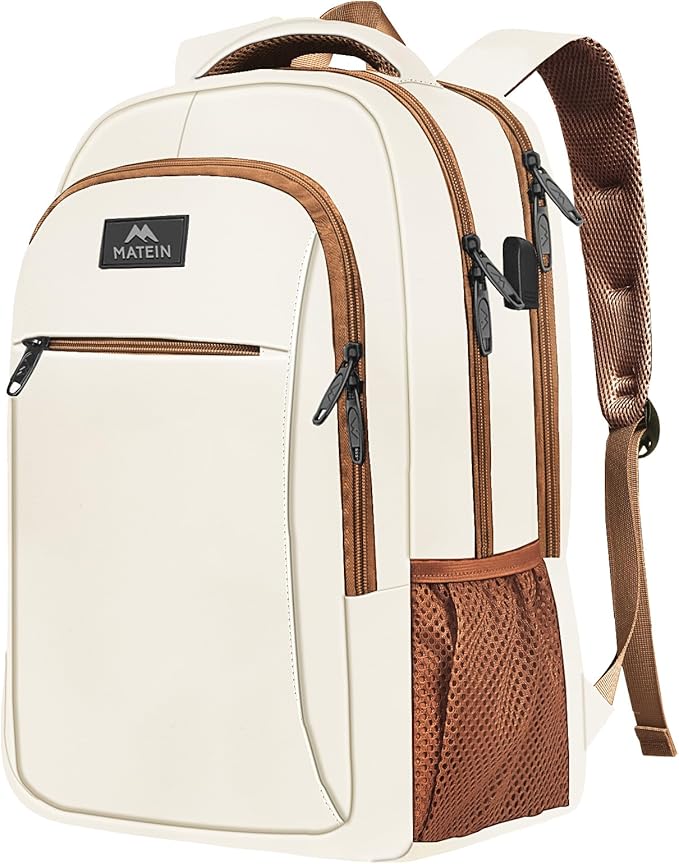
A stealthy option like the Matein Slim Laptop Backpack hides compartments for prepping gear while looking like an everyday commuter bag.
Vehicles and Gear That Don’t Draw Attention
Plain vehicles with hidden storage compartments are ideal. Avoid conspicuous off-road trucks or heavily modified cars that signal prepping. Multipurpose vehicles allow for daily use and emergency readiness. The right vehicle supports a quiet, efficient escape plan.
Urban Escape Routes vs Rural Exits
Urban preppers rely on back streets, alleyways, and public transport to remain unnoticed. Rural setups allow more flexible paths but still benefit from stealth. Planning multiple routes reduces risk during emergencies. Always consider local traffic, terrain, and potential hazards.
Tips for Silent Mobility and Minimal Footprint
Pack essentials in low-profile bags, use quiet gear, and avoid drawing attention to your movement. Practice quick, stealthy exits to familiarize yourself with routes. Minimalism in mobility enhances efficiency and discretion. Being prepared to move silently can save both time and safety.
Psychological Preparation for Discreet Prepping
Mental readiness is as important as physical supplies. Discreet preppers train themselves to stay calm, focused, and resilient without creating unnecessary fear. Mindset preparation complements physical strategies.
Mental Resilience Without Paranoia
Building mental strength involves planning, visualization, and controlled exercises. Avoid overthinking worst-case scenarios to maintain clarity. Being mentally prepared allows for quick, rational decisions in emergencies. Confidence is the ultimate stealth tool.
Teaching Family Members Without Causing Anxiety
Introduce prepping concepts gradually, focusing on safety rather than fear. Use practical exercises and teamwork to foster understanding. Keep discussions age-appropriate to prevent stress. Family coordination enhances readiness while maintaining normalcy.
Everyday Habits That Support Stealth Prepping
Prepping isn’t just about gear; it’s a lifestyle. Daily habits can reinforce your preparedness while remaining invisible to others. Subtle routines ensure continuous readiness without drawing attention.
Incorporating Prepping Into Routine Activities
Meal rotation, discreet inventory checks, and small maintenance tasks can be done daily. Integrating prepping into normal life makes it seamless. These habits reduce the need for large, conspicuous preparations. Routine ensures stealthy efficiency over time.
Social Strategies to Avoid Suspicion
Avoid discussing prepping openly or displaying supplies unnecessarily. Keep interactions normal and casual. Being socially aware complements your stealth strategy. Subtlety is key to staying prepared without alerting others.
Common Mistakes Discreet Preppers Make
Even experienced preppers can make mistakes that compromise stealth. Identifying and correcting these errors keeps your plans effective and low-profile. Awareness prevents unintentional exposure.
Overpacking and Drawing Attention
Excessive stockpiles or bulky storage can be obvious to neighbors or visitors. Focus on compact, well-distributed supplies. Overpacking often sacrifices stealth for quantity. Minimalism enhances both safety and preparedness.
Neglecting Key Essentials in Pursuit of Stealth
Sometimes stealth preppers hide so effectively that they forget critical items. Balance concealment with accessibility. Always keep essentials like water, first aid, and communication tools easy to reach. Proper planning ensures nothing vital is overlooked.
How to Learn from Others’ Prepping Mistakes
Observe and adapt lessons from experienced preppers. Avoid common errors like visible hoarding, inconsistent rotation, or poor communication. Continuous improvement ensures long-term success. Learning from others saves time, effort, and attention.
Advanced Discreet Prepping Techniques
For those seeking next-level stealth, advanced techniques can maximize efficiency. These methods often involve clever engineering, custom furniture, or modular setups. Advanced prepping combines creativity with functionality.
Camouflaging Larger Supplies
Paint, furniture modifications, or underground containers can hide bigger items. Blending storage with the environment minimizes exposure. Camouflage doesn’t reduce usefulness; it enhances stealth. Clever design can turn storage into a feature, not a liability.
Using Hidden Compartments and Furniture
Custom furniture with secret drawers, hollow walls, or false panels can store essentials invisibly. These setups allow easy access while remaining unnoticed. Modular and movable options improve flexibility. Integrating furniture and storage is a hallmark of expert, discreet prepping.
Discreet Prepping for Families
Preparing the whole family quietly requires careful planning. Teaching, coordination, and shared responsibilities must be balanced with stealth. Family-focused prepping ensures collective readiness without causing alarm.
Teaching Kids Without Alarm
Use games, chores, and routines to teach emergency skills. Keep lessons age-appropriate and stress-free. Encourage awareness without inducing fear. Early training builds confidence and competence.
Coordinating With Partners Without Overexposure
Discuss plans privately and maintain unified strategies. Avoid sharing sensitive details with outsiders. Collaborative planning strengthens family preparedness. Unity ensures stealth and efficiency in emergencies.
Conclusion: Stay Prepared, Stay Invisible
Discreet prepping is about smart, strategic, and low-profile preparation. By prioritizing essentials, using hidden storage, and cultivating mental resilience, you can be ready for almost any scenario. The best preppers are those who stay calm, invisible, and effective. Start small, refine your strategies, and your stealthy preparedness will grow over time.
FAQs
1. How Do You Handle Deliveries and Online Orders Without Revealing Your Prepping Activities?
Ordering prep supplies online can leave a paper trail — from shipping labels to curious neighbors seeing frequent deliveries. Discreet preppers often use staggered ordering, alternative pickup locations, or mix survival items with regular household purchases to avoid drawing attention. Managing the acquisition of supplies quietly is just as important as hiding the supplies themselves.
2. What Should You Do If Someone Accidentally Discovers Your Hidden Supplies?
Even the best concealment can fail — a guest opens the wrong drawer, or a repair worker spots something unusual. Having a believable explanation prepared in advance prevents panic and suspicion. Planning “cover stories” for hidden storage areas is an often-overlooked aspect of stealth prepping.
3. Can Discreet Prepping Be Maintained in Shared Living Spaces or Apartments with Roommates?
Many preppers don’t live alone, making secrecy more complex. Shared kitchens, closets, and storage areas require creative solutions to avoid conflicts or curiosity. Learning how to prep discreetly in co-living environments is essential for urban dwellers and younger preppers.
4. How Often Should You Audit Your Discreet Prepping Setup Without Attracting Attention?
Inventory checks, rotation, and maintenance are necessary — but frequent reorganizing can raise questions from family or visitors. Establishing a quiet, scheduled audit routine ensures readiness without disrupting everyday life.
5. Is There a Risk of Becoming Too Secretive in Discreet Prepping?
While privacy is valuable, excessive secrecy can lead to isolation, poor coordination with loved ones, or forgotten supplies. Healthy, discreet prepping balances stealth with practical communication and accessibility. Knowing where that line sits is key to sustainable preparedness.
Other Useful Resources Related To Discreet Prepping
- Prepper Guides – Ask a Prepper (comprehensive prepping guides) — A vault of free, no-nonsense prepping guides covering essentials from bug-out bags to survival basics.
- Emergency Preparedness Resources – Safety Kits Plus (trusted safety & survival links) — A curated list of emergency planning and preparedness links, including Ready.gov and FEMA resources.
- The Prepared – Emergency Preparedness & Checklists — Practical checklists and guides for a wide range of emergency scenarios and prepping topics.
- Practical Prepping Academy (prepping & survival training resources) — A resource hub for self-reliance, survival skills, and strategic preparedness.
- Ultimate Survival Library – USL Web (curated survival & prepping resource directory) — A comprehensive library of survival and prepping links across many categories.