Table of Contents
How to Secure Water in an Emergency: A Survival Priority
When chaos hits, water instantly becomes more valuable than cash, fuel, or even food. You can survive weeks without eating, but only days without hydration. Knowing how to secure water in an emergency is not a niche prepper skill—it is a fundamental survival requirement that can determine whether a crisis is manageable or catastrophic.
Most people assume clean water will always flow from the tap. That illusion shatters quickly during disasters such as hurricanes, earthquakes, grid failures, or civil unrest. This guide explains practical, proven strategies to secure safe water when normal systems collapse, using realistic methods that everyday people can apply under pressure.
Why Water Is the First Rule of Emergency Survival
Water keeps your organs functioning, your body temperature regulated, and your mind clear. During emergencies, dehydration sneaks up fast and quietly. Headaches, dizziness, confusion, and poor judgment follow, turning small problems into dangerous mistakes.
When you understand how to secure water in an emergency, you buy time. Water allows you to think clearly, care for injuries, prepare food, and maintain basic hygiene. In survival situations, time equals options, and options equal survival.
How Much Water Do You Really Need in an Emergency?
Daily Water Requirements for Survival
A healthy adult needs a minimum of one gallon of water per day for drinking and minimal hygiene. That number is not generous—it is the bare minimum. Children, elderly adults, and individuals with medical conditions may require additional support.
Drinking alone often takes half a gallon per day. Cooking, brushing teeth, and basic sanitation quickly consume the rest. If you want to truly master how to secure water in an emergency, you must plan for realistic usage, not optimistic estimates.
Factors That Increase Water Needs During Emergencies
Heat, physical exertion, illness, and stress all increase fluid loss. Evacuations, debris cleanup, walking long distances, or even standing in hot conditions can double water requirements.
Stress itself causes sweating and increased respiration. Ignoring these factors leads to dangerous underestimation. Smart emergency water planning prepares for worst-case conditions, not ideal scenarios.
Understanding Emergency Water Risks and Threats
Natural Disasters and Water Supply Failures
Floods contaminate water with sewage and chemicals. Earthquakes rupture underground pipes. Hurricanes knock out treatment plants. Winter storms freeze supply lines. When disaster strikes, water does not just disappear—it often becomes unsafe.
Understanding how to secure water in an emergency means recognizing that availability does not equal safety. Many post-disaster illnesses come from drinking water that people assumed was clean.
Infrastructure Collapse and Contaminated Sources
Power outages shut down pumping stations. Chemical spills poison reservoirs. Civil unrest may restrict access to public water distribution points. Once infrastructure fails, repairs can take days or even weeks.
This reality is why redundancy matters. You cannot rely on a single source or method. Water security requires layers of backup options.
How to Secure Water in an Emergency at Home
Storing Water Safely for Short-Term Emergencies
Water storage is your first line of defense. At minimum, store three days of water per person, though seven days provides far more breathing room. Use clean, food-grade containers designed for potable water.
Stored water must be rotated. Replace it every six to twelve months unless it is commercially sealed. Neglected water storage creates a false sense of security that can fail when you need it most.
The Reliance Products Aqua-Tainer 7 Gallon Water Container is a durable, BPA-free solution for emergency water storage, featuring a built-in spigot for easy dispensing during power outages or disasters.

Long-Term Water Storage Solutions for Preppers
For extended emergencies, large water containers and barrels provide stability. These systems enable families to shelter in place without having to immediately search for unsafe sources.
Long-term storage works best when combined with purification tools. Stored water eventually runs out, but systems and skills keep you alive long after supplies are gone.
The WaterPrepared 55-Gallon Water Storage Barrel allows families to store weeks of clean drinking water safely, making it ideal for long-term emergency preparedness and off-grid scenarios.

Choosing the Right Water Containers for Emergencies
Food-Grade Containers vs Improvised Containers
Food-grade containers are designed to hold water safely without leaching chemicals. Avoid containers that previously held milk, juice, or cleaning products, as residue can contaminate water.
Improvised containers may work briefly, but they increase health risks. If you are serious about how to secure water in an emergency, proper containers are a small investment with huge returns.
Where to Store Emergency Water Safely
Store water in cool, dark places to prevent algae growth and plastic degradation. Closets, basements, and under beds work well. Avoid garages with fuel fumes or extreme heat.
Label containers clearly and keep them accessible. Water buried behind clutter is useless during a crisis.
Finding Water Sources When Supplies Run Out
Urban Emergency Water Sources
Cities hide water in plain sight. Toilet tanks, water heaters, and plumbing pipes often contain drinkable water when systems fail. Swimming pools and decorative fountains can provide non-drinking water for sanitation.
Urban survival depends on knowing where water hides before you need it.
Rural and Wilderness Water Sources
Streams, rivers, lakes, snow, and even morning dew can provide water. Flowing water is usually safer than stagnant sources, but none are safe without treatment.
Terrain, weather, and seasonal changes dramatically affect availability. Knowledge of your environment is a survival multiplier.
How to Collect Rainwater in an Emergency
Simple Rainwater Catchment Systems
Rainwater is one of the cleanest emergency water sources available. Tarps, clean roofs, buckets, and barrels can capture large volumes quickly with minimal effort.
Even light rainfall can yield gallons if collected properly. Position containers strategically and cover them to reduce debris and insect contamination.
The VEVOR Rain Barrel Downspout Diverter Kit makes emergency rainwater collection simple by directing roof runoff into storage containers without permanent modifications.

Common Mistakes in Emergency Rainwater Collection
Dirty surfaces contaminate water quickly. Open containers invite insect and algae growth. Failing to purify rainwater increases illness risk.
Rainwater is valuable, but only when collected and handled correctly.
How to Purify Water in an Emergency
Boiling Water: The Oldest and Most Reliable Method
Boiling kills bacteria, viruses, and parasites. Bring water to a rolling boil for at least one minute, or three minutes at higher elevations.
The downside is fuel consumption. In prolonged emergencies, boiling should be balanced with other purification methods to conserve resources.
The Kelly Kettle Base Camp Survival Kettle boils water rapidly using natural fuel sources, making it a powerful backup when gas or electricity is unavailable.

Chemical Water Purification Methods
Water purification tablets and liquid disinfectants are lightweight and effective. They are ideal for travel, evacuation, and short-term emergencies.
Taste and wait times vary, but chemical purification remains a core part of how to secure water in an emergency when boiling is impractical.
Potable Aqua Water Purification Tablets provide a fast, compact way to disinfect emergency water, making them perfect for bug-out bags and vehicle kits.

Emergency Water Filters and Purifiers
Filters remove bacteria and protozoa, while purifiers also neutralize viruses. Gravity systems work well for families, while pump and straw filters excel in mobile situations.
No single system is perfect. Choose tools based on your environment, group size, and likely threats.
The LifeStraw Personal Water Filter removes bacteria and parasites from contaminated water sources, offering instant hydration during emergencies or evacuations.

How to Secure Water in an Emergency Without Power
Manual Filtration and Gravity Systems
Gravity-fed filters are ideal during power outages. They require no electricity, process large volumes, and operate quietly in the background.
Manual pump filters provide fast access to clean water and work well for individuals or small groups.
The PHOENIX GRAVITY Water Filter System allows hands-free purification of large volumes of water, making it ideal for families during prolonged power outages.

Low-Tech Survival Water Solutions
Cloth pre-filters remove sediment. Solar disinfection uses sunlight to kill pathogens in clear bottles. These methods are not perfect, but they extend your options when supplies are limited.
When power disappears, adaptability keeps water flowing.
Using Household Items to Secure Water in an Emergency
Water From Pipes, Heaters, and Appliances
Water heaters can hold 30 to 80 gallons of usable water. Washing machines, ice makers, and even canned foods contain recoverable liquid.
Always shut off the main water line before draining systems to prevent contamination.
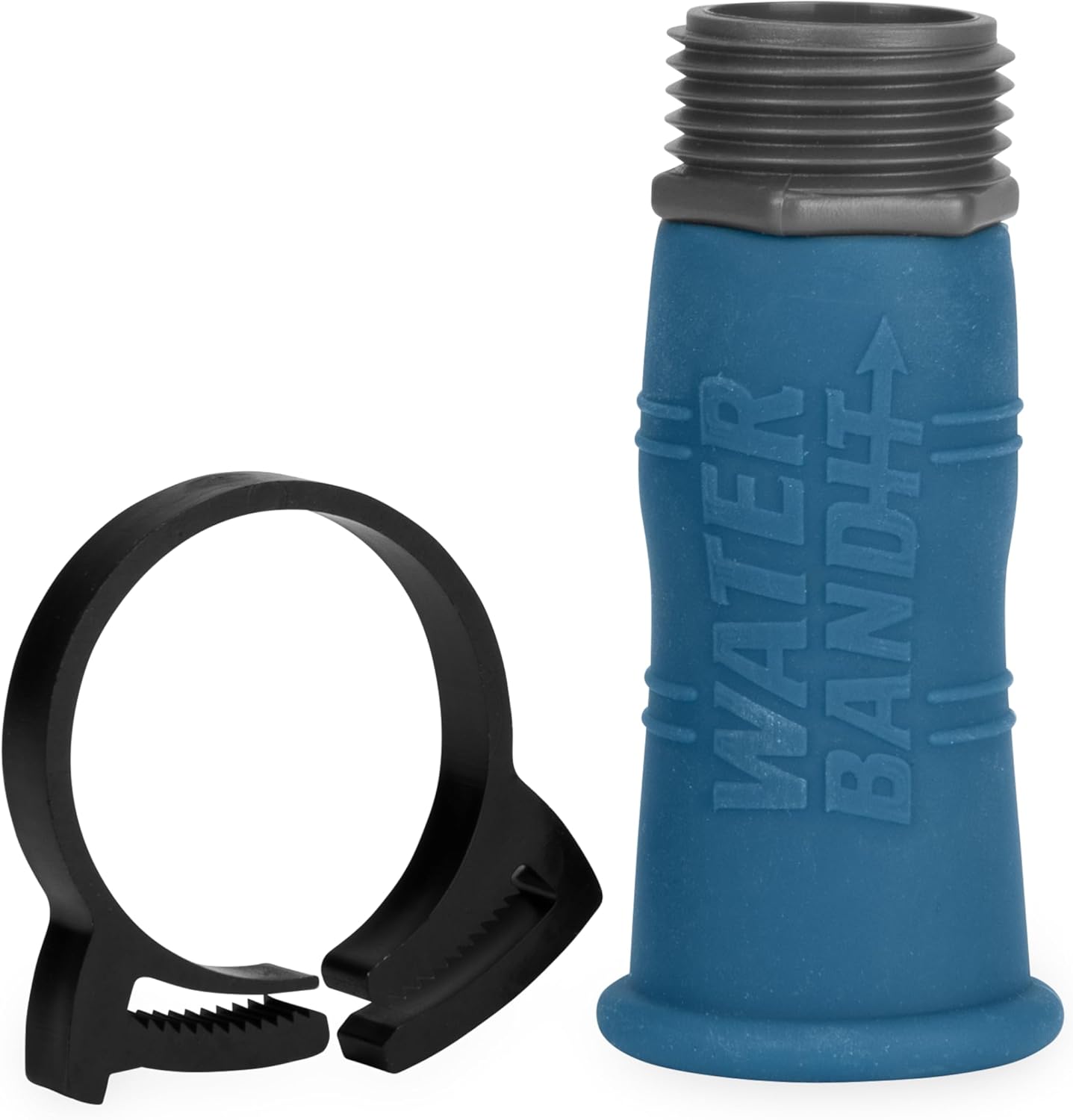
The Camco Water Heater Drain Pan with Hose Connector helps safely access stored water from residential water heaters during emergencies without contamination.
Creative Water Recovery Techniques
Condensation, melted ice, and moisture from food all contribute to hydration. These methods will not sustain you alone, but they help stretch limited supplies.
In survival situations, every drop matters.
Emergency Water Rationing Strategies That Work
How to Stretch Water Supplies Safely
Sip regularly instead of gulping. Reduce physical activity during heat. Choose foods that require less water to digest.
Rationing is not about suffering—it is about smart conservation.
Hygiene vs Hydration: Smart Tradeoffs
Drinking always comes first. Use wipes, alcohol-based sanitizers, and minimal-water cleaning techniques to stay sanitary without wasting water.
Good hygiene prevents illness without draining supplies.
Water Safety: Avoiding Contamination and Illness
Signs of Unsafe Water
Cloudiness, strong odors, oily films, or unusual colors are warning signs. When in doubt, purify or discard the water.
Trust your senses, but always back them up with treatment.
Common Waterborne Diseases During Emergencies
Diseases such as cholera, dysentery, and Giardia spread rapidly through unsafe water. Symptoms worsen dehydration and weaken the body quickly.
Prevention is far easier than treatment when medical care is limited.
Teaching Your Family How to Secure Water in an Emergency
Creating a Simple Water Emergency Plan
Assign responsibilities. Identify storage locations. Practice shutting off water mains and accessing backup sources.
Clear plans reduce panic and speed up decision-making.
Training Children and Elderly Family Members
Teach simple rules, such as never drinking untreated water and identifying clean containers. Visual instructions work best.
Prepared families survive together.
How to Secure Water in an Emergency While Traveling
Vehicle-Based Water Strategies
Keep bottled water in vehicles year-round. Use collapsible containers and portable purification tools for flexibility.
In emergencies, vehicles often become lifeboats.
The ITRAZ Collapsible Water Container stores compactly in vehicles while providing essential water capacity for evacuations or roadside emergencies.

Bug-Out and Evacuation Water Planning
Plan refill points along evacuation routes. Carry lightweight filters and purification tablets. Avoid relying solely on bottled water.
Mobility requires adaptability and foresight.
Building a Redundant Emergency Water System
Layered Water Security Approach
Combine storage, collection, filtration, and purification methods. If one layer fails, another fills the gap.
Redundancy is the backbone of survival resilience.
The Sawyer MINI Water Filtration System offers long-lasting filtration in a compact form, making it a reliable backup within a layered emergency water plan.

Testing and Rotating Your Water Supply
Practice using filters and purification tools. Rotate stored water. Fix weaknesses before emergencies expose them.
Preparation is not a one-time task.
Common Mistakes People Make With Emergency Water
Overlooking Water Until It’s Too Late
Many people stock food first and forget water. This mistake costs lives in every major disaster.
Water planning must come before everything else.
False Confidence in Unsafe Sources
Clear water is not always clean. Assumptions lead to illness and dehydration.
Respect water’s hidden dangers.
Final Thoughts: Why Water Security Equals Survival
Learning how to secure water in an emergency is about more than equipment. It is about mindset, planning, and adaptability. Water gives you clarity, strength, and time when everything else feels uncertain.
Prepare now, practice often, and treat water like the lifeline it truly is—because one day, it may be.
FAQs – How to Secure Eater in an Emergency
1. Can you drink distilled or desalinated water during an emergency?
Yes, distilled or desalinated water is safe to drink in an emergency, but it lacks essential minerals. While it will hydrate you short-term, it should ideally be supplemented with food or electrolyte sources during prolonged use to avoid mineral imbalance and fatigue.
2. How long can emergency water be stored before it goes bad?
Properly stored water in clean, food-grade containers can last up to one year when kept in a cool, dark place. Commercially sealed water can last even longer. However, containers should be rotated periodically to maintain taste and ensure safety.
3. Is bottled water always safe after a disaster?
Not necessarily. Bottled water can become unsafe if exposed to extreme heat, flooding, or chemical contamination. Cracked seals or floating debris are warning signs that bottled water should not be consumed.
4. Can you use bleach to purify water in an emergency, and how much is safe?
Yes, regular unscented household bleach can disinfect water if no other options exist. Typically, 2 drops of 5–6% bleach per liter of clear water is sufficient, but cloudy water should be filtered first and may require a slightly higher dose.
5. What should you do if you run out of all water purification methods?
If purification tools are unavailable, allow water to settle so sediment sinks, filter it through a clean cloth, and expose it to direct sunlight in clear bottles for several hours. While not perfect, this approach can significantly reduce pathogens and improve safety until better options are available.
Other Useful Resources Related To How To Secure Water In An Emergency
- FEMA – Water Preparedness for Emergencies
Government-backed emergency readiness guidance covering storage, purification, and disaster water planning. - Red Cross – Safe Water Collection and Treatment in Emergencies
Covers emergency water safety, contamination risks, and post-disaster hygiene considerations. - EPA – Household Water Treatment and Disinfection Methods
Technical but highly authoritative reference on boiling, chemical treatment, and filtration methods. - WHO – Drinking Water Safety in Emergencies
World Health Organization guidance on water safety, contamination risks, and disease prevention during crises. - CDC – How to Create and Store an Emergency Water Supply
Step-by-step guidance on building and maintaining an emergency water supply.