
Imagine waking up one day and turning on the tap—only to get nothing. No plumbing. No clean water. In that moment, knowing how to filter water without plumbing isn’t just useful—it’s absolutely critical.
Whether you’re off-grid, in a blackout, camping, or facing a natural disaster, your ability to purify water could literally mean life or death. The good news? You don’t need fancy pipes or plumbing to make dirty water drinkable.
This guide gives you 12 real-world, effective methods to filter water without plumbing, complete with step-by-step instructions and survival-tested solutions.
Table of Contents
Why You Might Need to Filter Water Without Plumbing
Plumbing systems are modern marvels—but they’re also fragile. Earthquakes, hurricanes, power outages, frozen pipes, or even infrastructure failure can render them useless. In many rural or off-grid living situations, plumbing isn’t even an option.
So what do you do when the taps go dry?
You filter water without plumbing—and do it confidently.
Understanding the Basics: What Makes Water Unsafe?
Common Contaminants Found in Unfiltered Water
Let’s get real—untreated water can be a toxic cocktail. You might be drinking:
- Bacteria (like E. coli and Salmonella)
- Viruses
- Parasites (giardia, cryptosporidium)
- Heavy metals (lead, mercury)
- Pesticides and industrial chemicals
- Sediments and dirt
Health Risks of Drinking Contaminated Water
Even one sip of bad water can cause:
- Severe diarrhea
- Vomiting
- Kidney damage
- Long-term neurological problems
- Death in extreme cases
Filtering isn’t optional—it’s non-negotiable.
The Golden Rule: Always Pre-Filter Before Purifying
Before you boil or treat water chemically, remove visible debris. Think of this like straining spaghetti before adding sauce. Use:
- A bandana
- A coffee filter
- A clean T-shirt
- Mesh screen
Pre-filtration removes dirt, leaves, and bugs. It also helps your actual purifier last longer.
Using Survivor Filter Collapsible Canteens makes pre-filtering much easier, allowing you to strain out dirt and debris before purifying.

Boiling Water: The Simplest Non-Plumbing Solution
What Boiling Removes (and What It Doesn’t)
Boiling is incredibly effective. It kills:
- Bacteria
- Parasites
- Viruses
However, it doesn’t remove:
- Heavy metals
- Chemicals
- Sediment
That’s why pre-filtering is vital.
The Stanley Adventure Camp Cook Set is the perfect lightweight stainless steel pot for boiling water during an outage or while camping.

How Long Should You Boil Water?
Bring water to a rolling boil for:
- 1 minute at sea level
- 3 minutes at high altitudes
Let it cool before drinking. Simple. Reliable. Timeless.
Gravity-Fed Water Filters: A Game-Changer in Emergencies
How Gravity Filters Work
These don’t need power or plumbing. Just pour dirty water in the top chamber and wait. Gravity pulls it through a filter into the clean bottom chamber.
Best Gravity Water Filter Brands for Off-Grid Use
- Berkey Filters – Top-tier, filters viruses, bacteria, heavy metals
- Platypus GravityWorks – Lightweight, backpacking favorite
- LifeStraw Mission – Great for group survival setups
The Big Berkey Gravity Water Filter is ideal for families, removing bacteria, viruses, and even heavy metals.

The Platypus GravityWorks is a favorite among backpackers and preppers for its lightweight, hands-free filtration.

The LifeStraw Mission is perfect for group survival setups, filtering large amounts of water quickly.
DIY Water Filter Using Sand, Gravel, and Charcoal
Step-by-Step Guide to Making Your Own Filter
- Cut a bottle in half (or use a bucket)
- Layer from bottom up: cloth, charcoal, fine sand, coarse sand, gravel
- Pour dirty water slowly
- Collect the filtered water in a clean container
🔧 Pro Tip: Use activated charcoal for best results. It traps toxins like a sponge.
Adding Activated Charcoal Pellets to your DIY filter boosts its ability to trap toxins and improve water taste.

Pros and Cons of Homemade Filters
Pros: Cheap, easy to build, no power required
Cons: Doesn’t kill viruses or bacteria—boil after filtering!
Portable Water Filter Straws and Pumps
Best Filter Straws for Hiking and Bug-Out Bags
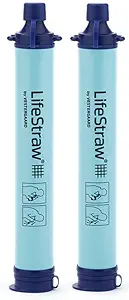
- LifeStraw Personal – Filters 1,000+ gallons, removes bacteria and protozoa
- Sawyer Mini – Super compact, filters down to 0.1 microns
The LifeStraw Personal Water Filter removes bacteria and protozoa while filtering over 1,000 gallons of water.
$14.95
$17.49

The Sawyer Mini is ultra-compact and filters down to 0.1 microns, making it a bug-out bag essential.
$29.99

Why Hand-Pump Filters Are Survival Must-Haves
Pump filters let you draw from shallow puddles or lakes. Great brands:
- Katadyn Hiker Pro
- MSR MiniWorks EX
The Katadyn Hiker Pro is a trusted hand-pump filter that works even with shallow or muddy water sources.
$52.95

The MSR MiniWorks EX is a rugged, field-maintainable pump filter designed for serious preppers.
$47.89
$62.95

They’re more work than gravity filters, but incredibly effective.
Solar Water Disinfection (SODIS): Clean Water Using the Sun
Materials Needed
- Clear PET bottles
- Sunny location
- Dirty but clear water
How Long Does It Take?
Place bottles in direct sunlight for 6 hours (or 2 days if cloudy). UV rays destroy pathogens—no fuel or filter needed.
🌞 SODIS is backed by science and used globally in rural villages.
Using Clear PET Water Bottles ensures maximum UV penetration so your solar disinfection method works effectively.

Using Bleach to Purify Water: When There’s Nothing Else
Proper Dosage and Safety Tips
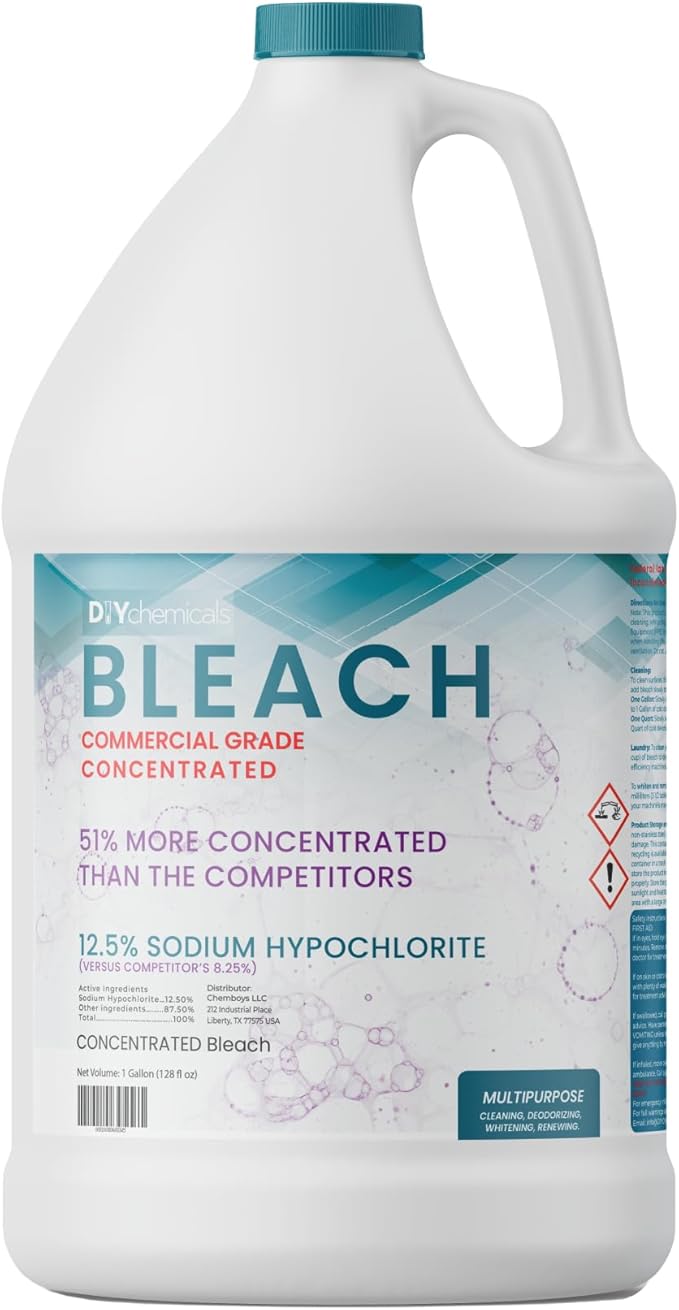
Use unscented household bleach (6% sodium hypochlorite):
- 2 drops per liter of clear water
- 4 drops per liter if cloudy
- Wait 30 minutes
When using Clorox Regular Bleach, just two drops per liter of clear water can make it safe to drink after 30 minutes.
Dangers of Overusing Bleach
Too much bleach = chemical poisoning. Use cautiously. Bleach also loses strength over time—rotate your stock.
UV Light Purifiers: Technology Meets Portability
Best Situations for UV Purifiers
Perfect for travelers or emergency kits. They’re quick and kill:
- Bacteria
- Viruses
- Protozoa
Battery-Powered vs Solar UV Options
Top picks:
- SteriPEN Ultra – Rechargeable via USB
- SteriPEN Adventurer – Battery-operated
Just stir the wand in water for 60 seconds. Done.
The SteriPEN Ultra is USB rechargeable and can sterilize a bottle of water in about a minute.
$94.95
$109.95

The SteriPEN Adventurer uses replaceable batteries, perfect for long trips or off-grid situations.
$99.95
$119.95

Distillation: Pure Water Using Heat and Condensation
How to Distill Water with Basic Tools
- Heat water in a pot
- Catch steam with a lid angled downward
- Let it drip into a clean container
The CO-Z 1.1 Gallon Water Distiller provides ultra-pure water by removing salts, metals, and microbes.

What Distillation Removes Best
Distillation gets rid of:
- Salt
- Heavy metals
- Microbes
It’s slow but yields ultra-pure water—ideal during saltwater emergencies.
Rainwater Harvesting and Filtration Systems
How to Set Up a Simple Rain Catchment
You need:
- A tarp or metal roof
- Gutter or funnel system
- Clean barrels or buckets
How to Filter Rainwater Without Pipes
- Use mesh screens to block debris
- Pre-filter through cloth
- Treat with a gravity filter or boil
🛑 Never drink rainwater straight from the catchment. It can contain bird droppings, leaves, or worse.
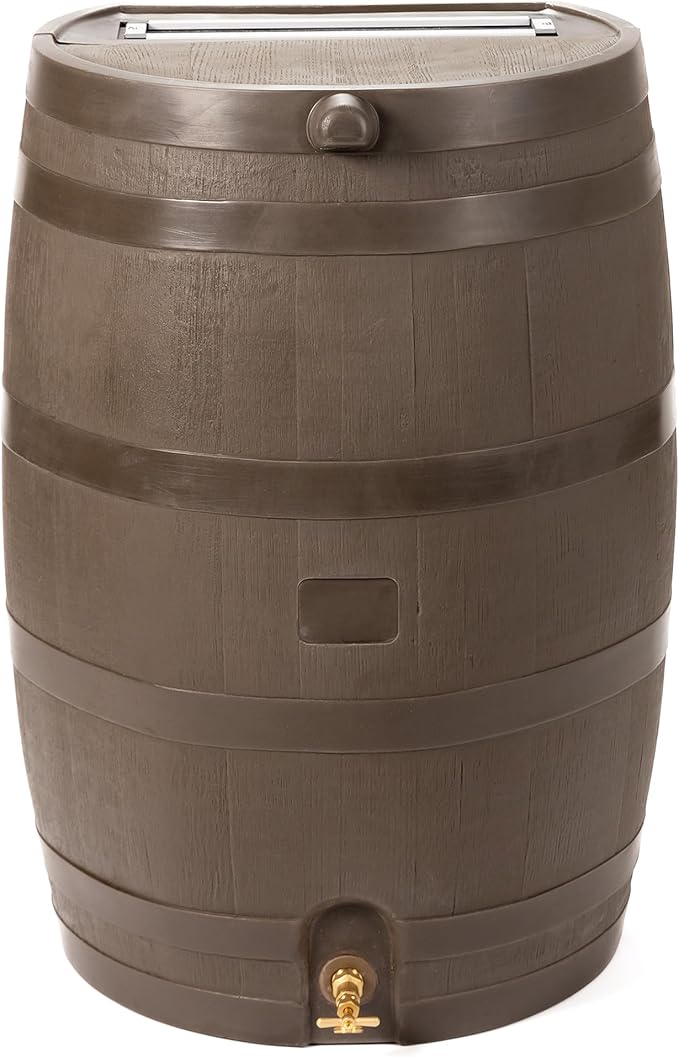
A 50-Gallon Rain Barrel makes collecting and storing rainwater simple and safe for later filtration.
Emergency Filtration Using Household Items
Coffee Filters, Bandanas, and More
No gear? No problem. Layer household materials:
- Bandanas
- Cotton pads
- Coffee filters
- Paper towels
Use multiple layers to increase effectiveness.
Best Practice: Layered Filtration
Stacking different materials mimics real filters. It won’t remove pathogens—but it’s a solid first line of defense.
Filtering Water with Plants and Natural Materials
Banana Peels, Cilantro, and Other Bio-Filters
Some plants absorb metals:
- Cilantro – Removes lead and arsenic
- Banana peels – Absorb toxins and dyes
- Moringa seeds – Coagulate particles
Risks and Limitations of Natural Filtering
While fascinating, these methods aren’t 100% reliable. Always follow up with boiling or chemical treatment.
Tips for Storing Clean Water Without Plumbing
Safe Containers for Long-Term Storage
Use:
- Food-grade water jugs
- BPA-free plastic
- Glass jars with tight lids
- Collapsible water bladders
The 5-Gallon Each Water Storage Tank is a durable, BPA-free jug perfect for emergency water storage.

WaterBrick Stackable Containers save space while keeping water safely stored and easy to transport.

Avoiding Recontamination
- Never touch the inside of the lid
- Store in cool, dark places
- Rotate your stored water every 6 months
Conclusion: You Can Survive Without Plumbing—If You Know How
Filtering water without plumbing isn’t just possible—it’s empowering. With the right know-how, you can purify water using everything from gravity filters to sunlight, even household scraps.
Water is life. And when the taps go dry, your knowledge becomes your lifeline.
Stay ready. Stay resilient.
FAQs
1. How much filtered water should one person store for emergencies?
A general preparedness guideline is at least one gallon (about 3.8 liters) per person per day for drinking and minimal hygiene. For realistic emergencies, storing 3–7 days’ worth per person provides a safer buffer.
2. Can filtered water go bad over time even if it’s clean?
Yes. Even properly filtered water can develop bacteria or algae if stored incorrectly. Exposure to light, heat, or contaminated containers can reduce safety over time.
3. Is clear water always safe after filtering?
No. Clear water can still contain invisible pathogens like viruses or dissolved chemicals. Visual clarity only means sediment is removed, not that the water is fully safe to drink.
4. What is the biggest mistake people make when filtering water off-grid?
Relying on a single method without understanding its limits. Combining methods—such as filtering first and then boiling or disinfecting—provides far better protection.
5. How do you know when a water filter needs to be replaced in an emergency?
Slower flow rate, unusual taste, or visible damage to the filter are warning signs. In survival situations, always follow the manufacturer’s maximum gallon rating when possible.
Other Useful Resources Related To How To Filter Water Without Plumbing
- CDC – How to Make Water Safe in an Emergency
Reliable step-by-step guidance on boiling, filtering, disinfecting, and solar disinfection for emergency water safety. - CDC – Fact Sheet: Make Water Safe During an Emergency (PDF)
A concise downloadable resource readers can print — covers boiling, disinfecting, and filtering water in emergencies. - EPA – Emergency Disinfection of Drinking Water
U.S. Environmental Protection Agency guidance for boiling and disinfecting water when plumbing is unavailable. - WHO – Household Water Treatment and Safe Storage After Emergencies
World Health Organization report on simple household water treatment methods like chlorination and solar disinfection. - Washington State Department of Health – Water Purification (Emergency Preparedness)
A practical guide to boiling, filtering, and chemical treatment of water during outages or disasters.