
Some of the links in this post are affiliate links. As an Amazon Associate, we earn a referral fee from qualifying purchases—at no extra cost to you.
Table of Contents
Why Prepping Matters More Than Ever
The world has changed. Natural disasters, inflation, pandemics, and supply chain disruptions have all reminded us how fragile our everyday comforts really are. If you’ve ever found empty grocery shelves during a storm warning, you know the panic that hits. That’s why prepping isn’t about paranoia—it’s about peace of mind.
And food? It’s the heart of it all.
Prepping gives you control in the chaos. No more depending on the store or waiting for help to arrive. When you know how much food to store prepping for your household, you turn anxiety into action. Let’s break it all down together.
Understanding Food Storage for Preppers
What Does “Prepping” Actually Mean?
Prepping is simply being ready for the unexpected. Whether it’s a three-day blackout or a full-blown economic collapse, prepping ensures you’ve got the resources to keep going. Food storage is the foundation of this lifestyle because without fuel, everything else falls apart.
Why Food Storage Is Your First Priority
Water is vital—but food keeps you thinking clearly, moving steadily, and staying emotionally grounded. You can’t guard your family, fix your home, or even think straight on an empty stomach. That’s why knowing how much food to store prepping should be your first priority.
How Much Food to Store Prepping for Different Timeframes
Emergency Prepping: 3-Day Supply Basics
Start simple. A three-day supply is your first line of defense in minor emergencies like storms, power outages, or evacuations.
You’ll need:
- 2,000–2,500 calories per person per day
- Easy-to-prepare meals (think: canned chili, protein bars, instant oats)
- A manual can opener and disposable utensils
Even this small stash can prevent panic when the lights go out.
Two Weeks to Freedom: FEMA’s Recommended Minimum
FEMA suggests having a minimum two-week supply of food and water. That’s enough to ride out most short-term disasters without outside help.
This means:
- 14 days × 2,000 calories × number of people
- Shelf-stable foods like rice, beans, canned soups, and pasta
- Some comfort items to boost morale (cookies, tea, chocolate)
This tier covers most hurricanes, blizzards, and short quarantines.
One to Three Months: Covering Most Crisis Scenarios
This is where prepping gets serious. A one-to-three-month food supply can shield you from layoffs, inflation spikes, or long-term grid failures.
What to store:
- Staples: rice, pasta, flour, sugar, oats
- Proteins: canned meats, peanut butter, legumes
- Fats: oils, nuts, powdered milk
- Variety: freeze-dried fruits, seasonings, drink mixes
This tier requires more organization—but also brings the most relief during tough times.
Six Months to One Year: Full-On Survival Mode
When you’re prepping for serious collapse or long-term emergencies, go big. A 6–12 month supply demands strategic planning, bulk purchasing, and the right storage methods.
Here’s what you’ll need:
- 750,000+ calories per person
- 400–500 pounds of dry staples (grains, beans)
- Long shelf life meals (Mountain House, Augason Farms, DIY dehydrated foods)
- Backup cooking methods (solar ovens, camp stoves, rocket stoves)
Calculating How Much Food You Really Need
Daily Calorie Requirements Per Person
The average adult needs 2,000–2,500 calories a day. Multiply that by the number of people in your household and the number of days you’re prepping for.
Macronutrients vs. Comfort Foods: Striking the Balance
You’ll need:
- Carbs: 55–65% of your intake (rice, pasta, oats)
- Protein: 10–15% (canned meat, legumes, eggs)
- Fats: 20–30% (oil, butter powder, nuts)
Don’t forget morale boosters. Comfort foods can keep spirits high when times get hard.
Prepping for Families, Kids, and Pets
Kids often need more calories than we think—especially teens. And don’t forget pet food. Stock what your pets eat now and rotate it just like human food.
Prepping Based on Storage Space
Living in a Small Apartment? Here’s What You Can Do
No basement? No problem. Use under-bed bins, stackable totes, closet space, or even turn a bookshelf into a pantry.
Pantry, Basement, or Bug-Out Location?
If you’ve got the room, a basement or dedicated prepper pantry is ideal. Store in cool, dry, dark areas to maximize shelf life. If you have a bug-out cabin, stash a cache there too.
Food Types and Shelf Life Essentials
Short-Term Foods: Ready-to-Eat and Quick Meals
Think canned soups, chili, fruit cups, and granola bars. These are easy to rotate and essential for quick-use.
Long-Term Foods: Freeze-Dried, Dehydrated, and Canned
Freeze-dried meals are lightweight, nutritious, and last decades. Dehydrated foods (veggie chips, jerky) last 1–5 years. Canned goods are affordable but heavier and need regular rotation.
Foods That Last 25+ Years Without Spoiling
Some foods are practically immortal:
- White rice
- Dried beans
- Pasta
- Powdered milk
- Honey
- Salt and sugar
- Wheat berries
Store these in mylar bags with oxygen absorbers and you’re set for decades.
How to Build a Balanced Prepper Pantry
Carbs, Proteins, Fats—You Need Them All
Balance your stores: 50% carbs, 25% protein, 25% fat. Too many carbs and you’ll crash; too little fat and you lose energy.
Vitamins, Spices, and Supplements You Shouldn’t Forget
Multivitamins can fill nutrient gaps. Don’t skip salt, pepper, garlic powder, or even bouillon cubes. These make bland food edible—and enjoyable.
Including Comfort Foods for Mental Health
Morale matters. Chocolate, coffee, powdered creamer, and even candy can lift your mood. Happy bellies = clearer thinking.
Budgeting Your Food Storage Plan
Prepping on a Shoestring Budget
Start with weekly additions: a can here, a bag of rice there. The goal is consistency—not panic buying.
Buy in Bulk vs. Gradual Stockpiling
Costco, Sam’s Club, Azure Standard, or LDS Home Storage Centers offer great bulk deals. But don’t forget to use what you buy to keep the rotation smooth.
The Best Storage Containers for Preppers
Mylar Bags, Food-Grade Buckets, and Oxygen Absorbers
Long-term storage? Use 5-gallon food-grade buckets with mylar liners and oxygen absorbers. Label everything with dates.
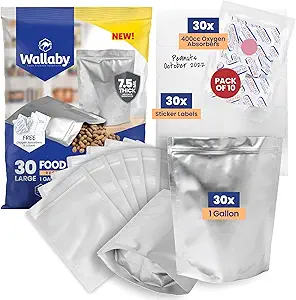
For long-term dry food storage, the Wallaby 7.5 Mil Mylar Bag Kit with Oxygen Absorbers is a prepper favorite. These thick, durable bags come with matching oxygen absorbers and provide an airtight seal that can keep rice, beans, flour, and other staples fresh for up to 30 years.
If you’re storing large quantities of grains or legumes, the Mighty Tuff 5 Gallon / 21 Pound Pet Food Storage Container is a top-tier choice. These airtight, stackable buckets help prevent moisture and pests, and the gamma lids offer easy access without breaking the seal.

Vacuum Sealing for Maximum Shelf Life
Vacuum sealers are perfect for preserving jerky, beans, rice, and even homemade meals. They save space and boost shelf life.
The FoodSaver Handheld 2-in-1 Vacuum Sealer is a space-saving, battery-powered tool that makes vacuum sealing accessible for everyone. Ideal for sealing dry goods like beans or homemade jerky, it’s a fantastic choice for preppers with limited space or budget.

Storing Water Alongside Food
How Much Water Do You Need Per Person
FEMA recommends 1 gallon of water per person per day, but that’s just for drinking. Double that for hygiene and cooking.
Water Storage Tips for Long-Term Use
Store in BPA-free containers. Rotate every 6–12 months. Add water purification tablets or invest in gravity-fed filters like Berkey.
For water filtration on the go, consider adding the LifeStraw Go Series Water Filter Bottle to your prep. It filters out harmful contaminants from untreated water sources and is ideal for bug-out bags or backup hydration in emergencies.

Rotation and Expiration: Keep Your Food Fresh
FIFO Method: First In, First Out
Place newer foods behind older ones, so you use the oldest stock first. Label with the date and use it before expiration.
Best Ways to Rotate Without Wasting
Build your meals around your preps. If you store what you eat and eat what you store, nothing goes to waste.
Where Most Preppers Go Wrong
Mistakes That Cost You Shelf Life
- Storing food in humid, hot areas
- Forgetting to label or date containers
- Not rotating stock
- Ignoring calorie counts
Foods to Avoid Stockpiling
Avoid:
- Brown rice (shorter shelf life)
- High-moisture snacks (can mold easily)
- Home-canned goods without proper sealing
Prepping for Special Diets and Allergies
Gluten-Free, Diabetic, Vegan: It’s Possible!
Store alternative grains like quinoa, gluten-free pasta, and almond flour. Diabetics need low-carb options like beans, lentils, and proteins.
Labeling and Tracking Special Needs
Color-code or label food bins clearly. Keep an inventory spreadsheet with allergy info and expiration dates.
A Sample Food Storage Plan for One Person
Week-by-Week Supply Buildout
- Week 1: 5 cans of soup + 5 cans of fruit
- Week 2: 10 lbs rice + 5 lbs beans
- Week 3: Canned meat + powdered milk
- Week 4: Salt, sugar, spices
- Week 5: Peanut butter, oats, granola bars
Keep building this each week, and in 2 months, you’ll have a strong foundation.
Long-Term Storage Tools Every Prepper Needs
Oxygen Absorbers, Moisture Packs, and Gamma Lids
These tiny tools make a massive difference in food life. Gamma lids provide easy access and resealing.
Inventory Systems to Stay Organized
Use a spreadsheet or app like Prepper Inventory. Know what you have, where it is, and when it expires.
Final Thoughts on How Much Food to Store Prepping
If you’ve made it this far, you’re already ahead of 90% of people. Start with a week. Build for a month. Then a year. You don’t need to do it all today—but you do need to start today.
The peace of mind that comes with a stocked pantry? It’s priceless.
FAQs – How Much Food To Store Prepping
1. How do I store food if I live in a hot or humid climate?
Extreme heat and humidity can ruin your preps. Consider storing food in airtight mylar bags with oxygen absorbers, and place them in cool, dark places like closets with fans or under beds with silica gel packs to reduce moisture.
2. What’s the best way to store food in an apartment with limited space?
Use vertical storage like shelves and over-the-door organizers. Slide bins under beds, stack buckets in closets, or hide food storage behind curtains or furniture skirts. Think creatively to maximize every square foot.
3. Can I store frozen food for long-term prepping?
Frozen food is great for short- to medium-term use, but it’s risky during power outages. If you rely on a freezer, consider a backup generator or solar freezer. For longer-term security, focus more on freeze-dried or shelf-stable goods.
4. How do I make sure stored food actually tastes good when I need it?
Do “test meals” once a month using only stored ingredients. This helps you rotate stock, practice cooking without fresh ingredients, and discover any items your family might dislike or be allergic to.
5. How much food should I store for barter during extended crises?
Some preppers keep extra low-cost items (like instant coffee, sugar, canned goods, or spices) specifically for trade. A good rule is to store 10–20% more than your family needs if you plan to barter or support others.
Some Useful Resources Related To How Much Food To Store For Prepping
- The Survival Mom – “Food Storage: Where Do I Begin?”
A helpful starting guide on assembling a weekly food supply you will actually eat—no refrigeration required (thesurvivalmom.com). - The Survival Mom – “How Much Food to Store”
Detailed guidance on calculating your family’s food needs based on favorite recipes and desired timeframes (thesurvivalmom.com). - The Survival Mom – “20+ Foods to Repackage for Long-Term Storage”
In-depth tips on which common foods need airtight re-packaging and the best methods for long-term shelf life (thesurvivalmom.com). - The Survival Mom – “10+ Forever Foods: Super Long‑Lasting Survival Options for Your Food Storage”
A curated list of pantry staples with virtually unlimited shelf life, ideal for emergency planning (thesurvivalmom.com). - The Survival Mom – “Simple Emergency Food: Stocking Up with Canned Goods”
Focuses on using affordable canned goods to build a reliable emergency pantry and best practices for storing and rotating them (thesurvivalmom.com).