

Keeping your valuables safe in an apartment can feel like walking a tightrope. Unlike houses with multiple layers of security, apartments have unique challenges—shared walls, easy-to-access windows, and limited storage options. But with clever strategies, creative hiding spots, and a touch of technology, you can protect your possessions without stress. This guide will show you exactly how to hide valuables in an apartment space effectively, safely, and discreetly.
Table of Contents
Why You Need to Hide Valuables in Your Apartment
The Rising Threat of Apartment Burglaries and Why You Should Care
Apartment burglaries are on the rise, and apartments are often easier targets than standalone homes. Shared walls, unlocked windows, and proximity to other units increase the likelihood of break-ins. Understanding these risks helps you make more informed choices about where to store your valuables. Being proactive can protect your possessions and give you lasting peace of mind.
Protecting Your Most Valuable Possessions from Opportunistic Theft
Your cash, jewelry, electronics, and important documents are not just valuable—they’re often irreplaceable. Leaving them in obvious spots increases the chance they’ll be stolen. Thoughtful hiding strategies keep your items out of sight from intruders. Proper concealment ensures your most critical possessions remain secure and accessible only to you.
The Fireproof and Waterproof Document Bag keeps passports, cash, and important papers safe from both theft and disasters. It’s compact, discreet, and can be tucked into almost any hiding spot.

Peace of Mind: Adding Layers of Security Beyond Just Locks
Locks and security doors provide some protection, but they aren’t foolproof. A burglar who gains entry could still access your items if they’re in predictable places. Hiding valuables adds a layer of defense, making theft less likely. The combination of concealment, smart placement, and occasional tech solutions offers true peace of mind.
Understanding Apartment Vulnerabilities
Common Entry Points Burglars Use to Access Apartments
Burglars often exploit easily accessible windows, sliding doors, or fire escapes. Even apartments on higher floors can be vulnerable if security measures are minimal. Identifying these weak points allows you to strategically hide items away from high-risk areas. Knowing the likely entry points is the first step in protecting your belongings effectively.
Why Traditional Safes Alone Aren’t Always Enough
While safes can be valuable, they often draw attention. A safe in plain sight can become the primary target for a burglar. Combining a safe with clever concealment strategies greatly improves the security of your valuables. Hidden safes or diversion safes can protect without signaling their presence.
A Book Safe with a Combination Lock looks just like an ordinary dictionary but has a lockable compartment inside. Unlike a traditional safe that draws attention, this blends right in on a shelf.

Apartment Layout Challenges That Make Hiding Valuables Tricky
Apartment layouts often limit storage options and create predictable spaces for hiding items. Shared walls, thin doors, and tight storage areas make some hiding spots risky. Understanding your unit’s layout helps you choose less obvious locations for valuables. Creative thinking is essential to overcome these inherent challenges.
Top Creative Spots to Hide Valuables in an Apartment
Hollowed-Out Books and Shelving Tricks for Discreet Storage
Bookshelves aren’t just for decoration—they can be your secret vault. Hollowed-out books or decorative boxes provide a concealed space for cash, jewelry, or small electronics. Most burglars won’t consider your reading material as a hiding spot. These clever tricks blend seamlessly with your home decor while keeping your items safe.
The Jssmst Book Safe with Key Lock is designed to look like a hardcover novel but opens to reveal hidden storage for cash or jewelry. Burglars are unlikely to notice it among regular books.

Furniture with Secret Compartments That Blend Into Your Space
Some furniture comes with hidden compartments, while DIY modifications like false bottoms can also create secure storage. Ottomans, coffee tables, and bed frames are perfect for this purpose. The key is to make the compartments inconspicuous and natural within your home. Well-chosen furniture can double as stylish décor and a safe hiding place.
The Songmics Storage Ottoman with Hidden Compartment doubles as seating or a footrest while concealing valuables inside. It blends seamlessly into your living room decor.

False Containers and Food Packages for Kitchen Concealment
Empty cereal boxes, canned goods, or spice jars can store small valuables without raising suspicion. The kitchen is full of everyday items that naturally blend into your space. Burglars rarely look inside seemingly ordinary containers. Using these items cleverly allows you to hide valuables while keeping them accessible.
A Barbasol Can Safe Diversion Container is disguised as a shaving cream can, making it nearly impossible for thieves to suspect while sitting in your bathroom or kitchen cabinet.

Inside Appliances Like Fridges, Ovens, and Microwaves Safely
Unused appliance spaces can serve as unconventional hiding spots for certain items. Ensure any valuables stored inside are heat-resistant or insulated. Burglars rarely check appliances, making this an effective strategy. Just be cautious to avoid damage and make items easy for you to retrieve.
Bathroom Mirrors and Soap Dispensers as Hidden Storage
Mirrors with storage behind them or hollowed-out soap dispensers can conceal smaller items like cash or jewelry. Bathrooms are often overlooked by burglars. These spots are ideal for items that need to stay secure but accessible. Clever use of everyday bathroom fixtures can increase your apartment’s security without extra cost.
Using Shower Caddies and Medicine Cabinets for Small Valuables
Small safes, waterproof pouches, or disguised items tucked into medicine cabinets or shower caddies offer excellent concealment. Moisture-resistant storage keeps items intact even in damp environments. Burglars often avoid bathrooms, making these locations low-risk. Combining utility and security is key in these creative hiding spots.
Innovative Technology-Based Hiding Solutions
Smart Safes and Biometric Lockboxes That Offer Extra Security
Smart safes and biometric lockboxes combine convenience with advanced protection. Only authorized users can access these devices, making it difficult for intruders to retrieve valuables. High-value items like jewelry, documents, and electronics are ideal for this setup. Integrating technology provides an extra layer of security that traditional safes cannot.
The SentrySafe Biometric Fingerprint Safe allows only registered users to open it with a touch. It’s ideal for securing jewelry, cash, or electronics with quick access.

Diversion Safes Disguised as Everyday Household Items
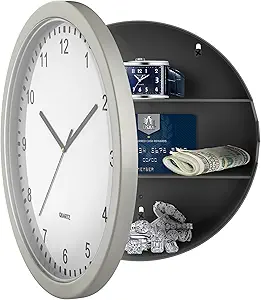
Diversion safes mimic ordinary items like soda cans, cleaning bottles, or wall clocks. These inconspicuous devices allow you to hide cash and documents in plain sight. Burglars rarely suspect everyday objects, increasing the effectiveness of these safes. Diversion safes are a clever, low-profile security solution for apartments.
The Hidden Wall Clock Safe looks like a working clock but opens up to store valuables inside. Burglars won’t think twice about glancing past it.
Motion Detectors and Alarm-Connected Storage for Added Safety
Pairing hidden storage with motion detectors or alarm systems enhances protection. Even small alerts can prevent theft before it occurs. Integrating these systems with discreet storage provides both concealment and active security. Technology ensures that your valuables are not only hidden but also monitored.
The GE Personal Security Motion-Sensing Alarm attaches easily to hidden compartments or drawers, sounding an alarm if tampered with.

Low-Cost Hiding Ideas That Work
Everyday Household Items Repurposed as Secret Storage
Hollow containers, empty boxes, and plastic bins can be converted into inexpensive hiding spots. Even cleaned-out detergent boxes or food packages can hold cash or electronics. Everyday items are natural concealment tools that blend seamlessly into your apartment. Low-cost solutions often offer high-security benefits if used creatively.
DIY Concealed Compartments for Drawers and Cabinets
Cutting false bottoms or creating hidden panels in drawers and cabinets is an effective, customizable solution. These DIY projects allow you to tailor hiding spots to your exact needs. Concealed compartments are often more secure than obvious safes or storage bins. A little effort goes a long way in protecting your valuables.
The Traps Hidden Compartment Kit allows you to create a false bottom in drawers or cabinets for an affordable but effective hiding spot.

Utilizing Vertical Spaces Like Shelves and Under-Bed Areas
Burglars often overlook high shelves, under-bed spaces, and even ceiling corners. Vertical hiding spots maximize your storage options without cluttering your apartment. These spaces keep valuables out of sight and within reach. Creative use of vertical areas ensures more secure and discreet storage.
The SentrySafe Portable Security Safe P005C is slim enough to slide under a bed, offering a hidden yet secure location for valuables.

High-Risk Items and How to Hide Them Safely
Cash and Jewelry: Strategies to Keep Them Secure
Divide cash into multiple hiding spots rather than storing it all in one location. Jewelry can be kept in disguised containers or lockboxes. Burglars usually search obvious places first, so unpredictability is key. Combining multiple methods keeps these high-risk items safer.
The Amazon Basics Security Safe Box is compact and perfect for storing cash and jewelry, and can easily be hidden in closets or disguised inside larger furniture.

Protecting Important Documents With Fireproof and Waterproof Storage
Important papers like passports, property deeds, or birth certificates should be stored in waterproof, fireproof containers. Hidden binders or hollowed-out books provide extra security and discretion. Even in emergencies, these storage methods protect against damage and theft. Concealment paired with proper protection ensures peace of mind.
The Honeywell 1104 Fireproof and Waterproof Document Chest keeps birth certificates, deeds, and other irreplaceable papers protected against both theft and disaster.

Electronics and Gadgets: Creative Hiding Techniques
Tablets, cameras, and other small electronics can be stored in hollow furniture, appliance compartments, or removable closet panels. These unconventional spots keep items safe without obvious visibility. Burglars rarely check cleverly disguised locations. Using creative hiding strategies protects both the device and your personal information.
The Hanger Diversion Safe Stash Closet Storage hides valuables inside what looks like an ordinary clothes hanger cover — perfect for electronics.

Organizational Tips to Keep Hidden Valuables Accessible
Labeling and Mapping Your Hidden Spots for Easy Access
Keep a personal map or coded notes to remember where your valuables are stored. Avoid obvious labels that could tip off others. Proper organization ensures quick access during emergencies. This strategy balances security and convenience effectively.
Rotating Storage Locations to Avoid Predictable Patterns
Changing hiding spots occasionally prevents burglars from learning your storage habits. Predictable placement increases the risk of theft. Rotating locations keeps your strategy dynamic and effective. This small effort greatly improves long-term security.
Common Hiding Mistakes That Could Put Valuables at Risk
Many people hide items in predictable spots like under mattresses or in sock drawers. Such locations are easy for burglars to guess. Avoiding common mistakes requires thinking creatively and using unconventional storage. Clever hiding significantly reduces the chance of theft.
Emergency Situations: Quick Grab-and-Go Solutions
Portable Safes for Fast Evacuation or Unexpected Emergencies
A small portable safe lets you take essential valuables during sudden emergencies. Items like cash, passports, or small electronics are ideal. Portability ensures you don’t leave important possessions behind. Being prepared allows for safety without sacrificing convenience.
The Vaultz Locking Storage Box is lightweight, portable, and easy to grab in an emergency while keeping your cash or small electronics safe.

Concealed Backpacks and Lockboxes for Quick Access
Backpacks with hidden compartments or lockboxes allow rapid access to important items. These solutions combine portability with security. Even in urgent situations, your valuables remain protected and organized. Concealment and mobility together enhance emergency preparedness.
The BANGE Anti-Theft Backpack features secret zippers, RFID blocking, and slash-resistant material — excellent for quick evacuations.

Strategically Placing Essential Valuables Near Exits
Keeping certain items near exits allows for quick retrieval in extreme situations. They should remain discreet and inaccessible to intruders. Strategically placed valuables save time while maintaining security. Planning ensures you’re ready for any scenario.
Psychological Tricks to Deter Burglars
Creating the Illusion of Empty Spaces to Reduce Risk
Sparse rooms and uncluttered areas reduce temptation for burglars. Creating the appearance of minimal valuables can discourage thieves. Even simple visual tricks can make a big difference in safety. Perception often influences where intruders search.
Using Noise, Lighting, and Surveillance to Discourage Theft
The WALI Bullet Dummy Fake Surveillance Camera comes with a blinking red light to simulate recording, deterring burglars at a fraction of the cost.

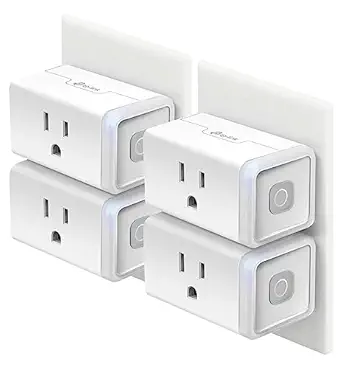
Timers, fake cameras, or motion-sensitive lights create an impression of occupancy. Burglars are less likely to target apartments that appear monitored. Combining environmental cues with hidden storage boosts security. Subtle deterrents make your apartment less appealing to break-ins.
The Kasa Smart Plug HS103P4 allows you to set lights or devices on timers, creating the illusion that someone is always home.
Maintaining Security While Renting
Discussing Apartment Security Options With Your Landlord
Landlords may offer built-in safes, lockable cabinets, or other security features. Discussing these options can improve your storage strategy. Understanding what’s available allows you to maximize your apartment’s security potential. Cooperation ensures better protection for your valuables.
The Addalock Portable Door Lock can be installed without tools and removed easily, giving renters an extra layer of security without violating lease agreements.

Choosing Apartments That Offer Built-In Hidden Safety Features
Some apartments include concealed storage nooks or secure utility closets. When moving in, identify these features and use them strategically. Built-in options reduce the need for DIY solutions. Taking advantage of existing security features enhances safety.
Insurance Tips to Protect Your Hidden Valuables
Even the best hiding strategies can’t prevent all theft. Renters’ insurance provides financial protection for lost or stolen items. Ensure your policy covers valuables stored in concealed locations. Insurance complements physical hiding strategies for total peace of mind.
Common Myths About Hiding Valuables in Apartments
“Burglars Never Check the Kitchen” and Other False Beliefs
The kitchen is often one of the first places burglars inspect. Assuming it’s safe can put valuables at risk. Clever concealment requires thinking beyond common misconceptions. Awareness helps you avoid predictable hiding mistakes.
Why Safes Are Not Always the Ultimate Security Solution
Visible safes attract attention and may become a primary target. Diversion safes or concealed options are often more effective. Combining safes with creative hiding enhances protection. True security comes from both concealment and access control.
Locked Closets Aren’t Impenetrable: What You Need to Know
Closets can be forced open if easily accessible. Relying solely on locks is insufficient. Pairing locked storage with hidden spots ensures better protection. Combining multiple strategies significantly reduces risk.
Conclusion: Master the Art of Hiding Valuables in an Apartment
Hiding valuables in your apartment isn’t about paranoia—it’s about proactive protection. Creative concealment, smart technology, and organization keep your items secure while giving you peace of mind. Burglars target the obvious, so rotating hiding spots and using unconventional locations ensures success. With these strategies, your apartment becomes a fortress for your most important possessions.
FAQs
1. Can I hide valuables in shared spaces without risking conflicts with neighbors or roommates?
Hiding valuables in shared areas requires careful planning. Use personal or locked storage that doesn’t interfere with common access, such as a lockable box inside your closet or a disguised container in your private room. Avoid shared furniture or appliances where others may unknowingly disturb or access your items.
2. Are there specific apartment materials (like drywall or hollow doors) that affect the safety of hidden spots?
Yes. Hollow walls, thin doors, or lightweight flooring can make certain hiding spots easier to breach. Understanding the construction of your apartment helps you avoid places that burglars can easily break into or dismantle. Reinforced or concealed compartments in sturdy furniture are generally safer.
3. How can I safely hide valuables if I have pets?
Pets can accidentally damage or expose hidden items. Avoid locations within their reach, and use pet-proof containers. Small lockboxes or high shelves are ideal, as they keep valuables out of sight and out of paws.
4. What’s the best way to hide digital valuables like USB drives or external hard drives?
For small electronics, consider disguised containers (like hollow books or diversion safes) or fireproof and waterproof storage. You can also secure them in lockable cabinets or integrate them into everyday appliances, but always ensure easy access for yourself while keeping them hidden from intruders.
5. How can I test whether my hiding spots are actually effective?
A simple test is to imagine a burglar’s perspective: Are the items easily visible or accessible? You can also have a trusted friend attempt to locate them (without actually taking anything). Monitoring devices like motion sensors or small cameras can indicate whether a spot is being approached without alerting anyone.
Other Useful Resources Related To Hiding Valuables In An Apartment
- Essential Apartment Security Tips — Practical ways to secure your unit and deter thieves. 10 Essential Apartment Security Tips (TBOTECH)
- Common “Safe” Hiding Spots Burglars Search First — Expert insight into where burglars look, helping you avoid predictable hiding places. 9 So‑Called ‘Safe’ Hiding Spots Where Burglars Look First (AAA Club Alliance)
- Apartment Security & Safety Guide for Renters — A comprehensive renter‑focused security resource covering locks, systems, and precautions. Apartment Security & Safety Tips for Renters (SafeWise)
- Best Places to Hide Valuables at Home — Practical concealment ideas with tips on what works and what to avoid. 9 of the Best Places to Hide Valuables at Home (ADT)
- Home Organization Hiding Spot Ideas — Creative ideas for hiding valuables using unconventional household spaces. Where To Hide Valuables At Home – Clever Options (Organise My House)