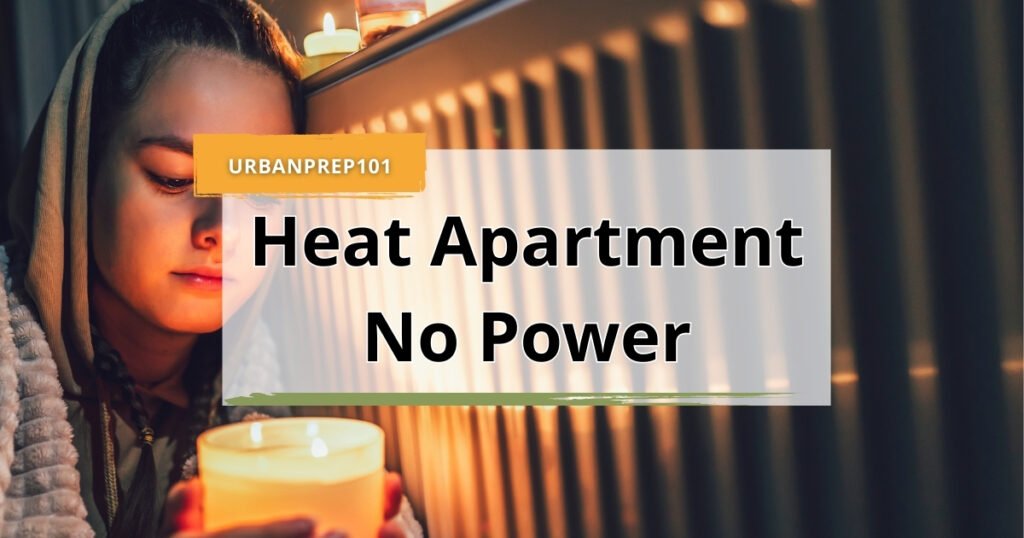
When the power goes out in the middle of winter, your apartment can go from cozy to freezing in just a few hours. Without heat, the temperature indoors can plummet fast, making it not just uncomfortable but potentially dangerous. If you’ve ever wondered how to heat an apartment with no power, you’re not alone. Every year, winter storms, grid failures, or accidents leave people shivering in the dark.
The good news? With a little preparation and some clever tricks, you can stay warm and safe during a blackout. In this guide, we’ll cover 10 proven ways to keep the heat in, generate warmth, and survive a cold-weather power outage in an apartment — all while staying safe.
Table of Contents
Understanding the Challenge of Heating an Apartment With No Power
Why Power Outages in Winter Are Dangerous
Winter blackouts are more than just an inconvenience — they can quickly become a survival situation. Without heat, indoor temperatures can drop low enough to cause hypothermia, especially for children, the elderly, and people with health issues. Frozen pipes can burst, causing water damage. And if you don’t have a plan, you might resort to unsafe heating methods that put you at risk of fire or carbon monoxide poisoning.
How Long Can an Apartment Stay Warm Without Power?
It depends on the building and the weather. Well-insulated apartments in mild climates might retain heat for 24–48 hours, while poorly insulated units in extreme cold can feel icy within 6–8 hours. High-rise buildings may hold heat a bit longer due to shared walls and neighbors’ residual warmth, but don’t count on it — your preparation is what makes the difference.
Common Mistakes People Make in a Winter Blackout
Many people attempt to heat their apartments without power by using outdoor grills, gas ovens, or running a car in an attached garage — all of which are extremely hazardous. Others forget to block drafts, wear proper layers, or gather everyone into one room, which wastes precious warmth. Knowing these mistakes ahead of time can save you a lot of trouble.
Pre-Blackout Preparations for Staying Warm Without Electricity
Weatherproofing Your Apartment Before Disaster Strikes
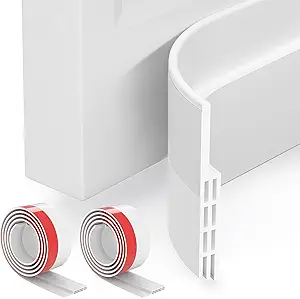
The best time to prepare for a winter power outage is before it happens. Seal gaps around windows and doors with weatherstripping. Apply window insulation film to reduce heat loss. Use door sweeps to block cold air from entering underneath doors. Even thick curtains can make a big difference.
Frost King Indoor Window Insulation Kit — Clear plastic film that seals windows to prevent heat loss. Easy DIY prep.

Suptikes Door Draft Stopper — A simple under-door seal that keeps cold air out and warm air in.
Stocking the Right Supplies for No-Power Heat
An emergency kit for winter should include thermal blankets, sleeping bags rated for subzero temperatures, wool socks, beanies, and gloves. Keep extra blankets in easy-to-reach spots. You’ll also want hand warmers, hot water bottles, and an indoor-safe emergency heater if possible.
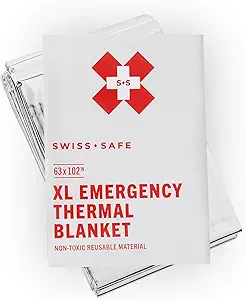
Swiss Safe Emergency Mylar Thermal Blankets (10 Pack) — Lightweight, compact blankets that retain 90% of body heat.
Teton Sports Celsius XXL Sleeping Bag — Extra-warm sleeping bag rated for subzero temperatures, perfect for blackouts.

HotHands Hand Warmers — Disposable warmers for hands, feet, and pockets.

Safe Alternative Heat Sources to Keep at Home
Indoor-safe propane heaters (like the Mr. Heater Buddy) can provide powerful warmth during outages — just follow ventilation guidelines. Alcohol stoves and tealight candle setups can also be helpful, although they’re more suitable for spot heating. Always check if your heating method is certified for indoor use.
Mr. Heater F232000 Buddy Indoor-Safe Propane Heater — One of the safest and most popular emergency heaters for apartments.

Esbit Alcohol Stove — Compact, indoor-safe stove for small cooking or heating tasks.

Proven Ways to Heat Your Apartment With No Power
Layer Up: Using Your Body Heat to Your Advantage
Your body is a built-in furnace, but you have to help it work efficiently. Wear moisture-wicking base layers, an insulating middle layer, and a wind-resistant outer layer (even indoors). Wool socks, hats, and gloves keep extremities warm, which helps your whole body retain heat. Avoid cotton — it traps moisture and makes you colder.
Build a Heat Tent or Microclimate
You can create a warm bubble inside your apartment by setting up a small “tent” with blankets or tarps. Use your bed or a table as a frame, and drape blankets to trap warmth. The smaller space will heat faster from your body heat and any heat source you have.
Etekcity LED Camping Lantern — Useful for lighting your heat tent or microclimate safely without open flames.

Harness Candle Power Safely
A few candles can’t heat your whole apartment, but they can warm a small area if used with a thermal mass. Place several tealight candles under an upside-down clay flower pot (raised slightly for airflow) to create a mini radiant heater. Warning: Never leave candles unattended, and ensure proper ventilation.
Stonebriar 100 Pack Unscented 8 Hour Extended Burn Time Tea Light Candles — Long-lasting candles perfect for clay pot heaters or small radiant setups.

Emergency Propane or Kerosene Heaters
If you own an indoor-safe propane or kerosene heater, now’s the time to use it. Follow the manufacturer’s instructions closely. Always keep a carbon monoxide detector nearby. These heaters can make a huge difference, but they require fuel, so store extra in advance.
Kidde Carbon Monoxide Detector — Essential when using propane or kerosene indoors.

DIY Thermal Mass Heaters
Bricks, stones, or even large ceramic tiles can store heat. Warm them with your emergency stove or candles, then wrap them in towels and place them near where you’re sitting. They’ll release warmth slowly over hours.
Block Off Unused Rooms to Concentrate Warmth
Close doors to unused rooms and focus your heating efforts in one small space. The less air you have to heat, the warmer it will stay. Hang blankets over doorways to reduce drafts.
Additional Tricks for Maximum Warmth in a Blackout
Using Rugs, Curtains, and Blankets to Trap Heat
Cold floors can steal heat fast. Lay down rugs or blankets to insulate them. Hang thick blankets over windows or even on walls to reduce heat loss. Draft stoppers at the base of doors also help keep warm air in.
Cooking Indoors Without Power for Added Warmth
Cooking not only gives you food but also generates heat. Use an indoor-safe alcohol stove, Sterno, or propane stove to make warm meals and drinks. Soups and hot tea warm you from the inside out.
Heat Stones or Water Bottles for Overnight Warmth
Fill metal water bottles or mason jars with hot water (from a stove or other heat source), wrap them in fabric, and place them in your bed before sleeping. They’ll radiate heat for hours. Smooth stones warmed near a heat source work similarly.
Fixed Star 1 — Indoor-safe cooking solution that Backpacking and Camping Stove System.

Nalgene Wide Mouth Water Bottle — Can be safely filled with boiling water to use as a bed warmer.

Cuddle Heat – Why Group Warmth Works Best
Huddling together under blankets reduces heat loss and increases warmth. Even pets can contribute to your microclimate. It’s a survival strategy humans have used for centuries.
Safety Precautions When Heating Without Electricity
The Dangers of Carbon Monoxide Poisoning
Any combustion-based heat source produces carbon monoxide (CO), an odorless, deadly gas. Use CO detectors, keep heat sources away from sleeping areas, and always have some ventilation.
Fire Safety in Small Apartments
Never leave open flames unattended. Keep flammable items away from heaters and candles. Keep a fire extinguisher handy and ensure smoke detectors work.
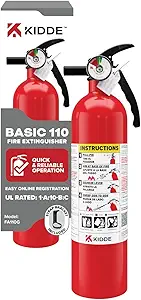
First Alert Fire Extinguisher (Multipurpose) — Compact extinguisher for quick fire safety in small apartments.
Ventilation Balance: Warmth Without Suffocation
While trapping heat is important, sealing your apartment too tightly can cause stale air and dangerous gas buildup. Crack a window slightly when using fuel-burning heaters.
Long-Term Solutions for Winter Preparedness
Investing in Renewable Heat Sources
Solar air heaters, portable solar blankets, and battery banks paired with small electric heaters can keep you warm without relying on the grid.
Patio Heater Reflector Shield — Affordable DIY solar option to reduce reliance on the grid.

Improving Insulation for Future Outages
Consider adding thermal curtains, insulating window inserts, or even removable wall insulation panels. Better insulation makes every heating method more effective.
NICETOWN Thermal Insulated Blackout Curtains — Heavy curtains that reduce heat loss year-round.

Building a Winter Blackout Emergency Kit
Include blankets, heaters, extra fuel, non-perishable food, water, flashlights, and a backup communication device. Store everything together so you can act quickly.
Conclusion
Heating an apartment with no power might sound impossible, but with the right preparation and techniques, you can stay safe and warm through even the coldest blackout. The key is to act early — stock supplies, improve insulation, and know safe heating methods before disaster strikes. When the lights go out, you’ll be ready to create warmth, protect your health, and ride out the storm in comfort.
FAQs
1. How can I tell if my apartment is becoming dangerously cold during a blackout?
It’s not always obvious when an indoor cold becomes a serious health risk. As a general rule, once indoor temperatures drop below 50°F (10°C), prolonged exposure can lead to hypothermia, especially for children, elderly individuals, or anyone with medical conditions. Below 40°F (4°C), the danger increases significantly. If you don’t have a thermometer, watch for warning signs like uncontrollable shivering, numb fingers or toes, slurred speech, confusion, or extreme fatigue. These are red flags that your body is losing heat faster than it can produce it. Having a simple indoor thermometer in your blackout kit can help you make informed decisions before conditions become dangerous.
2. Will my apartment’s plumbing freeze during a winter power outage?
Yes — frozen pipes are a real risk during extended cold outages. When indoor temperatures fall below freezing, water inside pipes can freeze and expand, causing pipes to burst and flood your apartment once temperatures rise again. To reduce risk, open cabinet doors under sinks to allow warmer air circulation, let faucets drip slowly if water is still running, and keep your main living space as warm as possible. If temperatures inside drop near freezing for many hours, shutting off the main water supply (if accessible) can prevent catastrophic water damage later.
3. Can battery-powered electric heaters keep an apartment warm during a blackout?
Most portable electric heaters require far more power than typical battery banks can provide. Even large power stations usually run a small space heater for only a short time before draining. However, low-wattage heating pads, electric blankets, or USB-powered hand warmers can run much longer and provide targeted personal warmth. Battery power is best used for personal heat, lighting, and communication — not whole-room heating. Pairing battery solutions with insulation and body-heat strategies is much more effective than relying on electric heaters alone.
4. How do I safely store fuel for emergency heaters in an apartment?
Fuel storage is often overlooked but critical. Propane cylinders should always be stored upright, away from direct heat sources, and ideally in a ventilated area such as a balcony or exterior storage space if allowed by building rules. Kerosene or alcohol fuels must be stored in approved containers, tightly sealed, and kept away from living areas. Never store fuel near open flames, stoves, or electrical panels. It’s also wise to label containers clearly and keep them out of reach of children or pets.
5. How long should I realistically prepare to stay warm without power in winter?
Storm-related outages often last 8–72 hours, but severe winter events can stretch longer. A practical preparedness target for apartment dwellers is at least 72 hours of self-sufficient warmth supplies — enough blankets, warm clothing, safe heat sources, and fuel for three days. If you live in an area prone to ice storms or blizzards, planning for 5–7 days adds a safety margin. The goal isn’t luxury — it’s maintaining safe body temperature until power returns or evacuation becomes possible.
Other Useful Resources Related To Heating Your Apartment With No Power
- U.S. Consumer Product Safety Commission — Winter Safety & Carbon Monoxide Tips — Official safety guidelines for preventing carbon monoxide poisoning, generator hazards, heater, and candle use during cold weather outages.
- FEMA #WinterReady Toolkit (PDF) — Comprehensive winter storm and cold weather preparedness information from a U.S. government emergency agency.
- Ready.gov — Winter Ready Guide — Official U.S. emergency preparedness guidance for winter hazards, including power outages, fire safety, and carbon monoxide awareness.
- American Red Cross – Power Outage Safety Tips — Practical advice on preparing for and staying safe during power outages, including heating and carbon monoxide guidance.
- National Weather Service – Winter Preparedness — Official winter storm safety and preparation information to help you prepare your home for extreme cold and outages.