
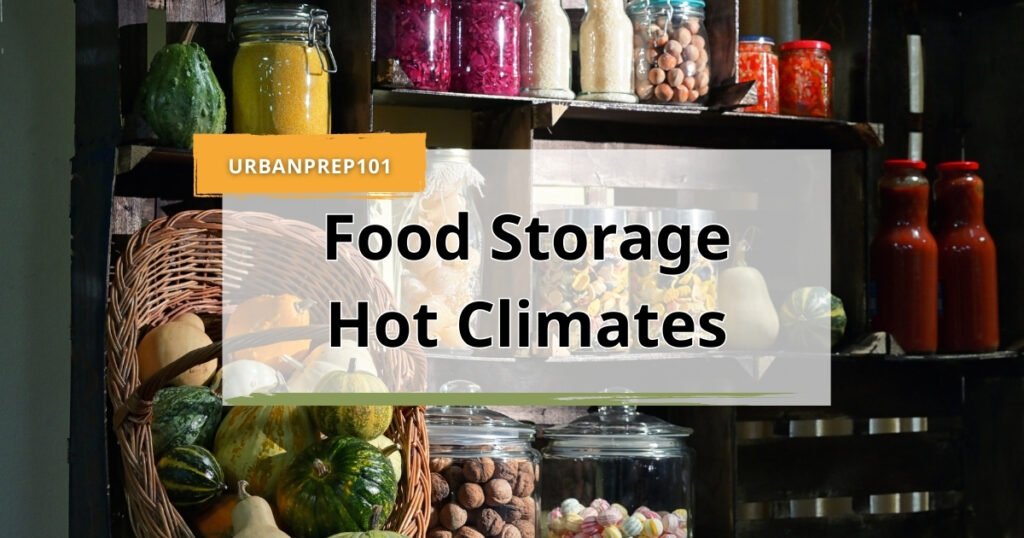
Storing food in hot climates is a challenge that every prepper, homeowner, or urban dweller must face. High temperatures and humidity can accelerate spoilage, attract pests, and ruin your carefully stocked supplies. Whether you’re preparing for emergencies or just want to make groceries last longer, understanding how to store food in heat-prone areas is essential. This guide provides 17 proven strategies to help you keep your food fresh, safe, and long-lasting even under extreme conditions.
Table of Contents
Understanding the Challenges of Food Storage in Hot Climates
Hot climates create a perfect storm for food spoilage. Heat speeds up bacterial growth, mold formation, and enzymatic reactions, causing food to deteriorate faster than usual. Humidity compounds the problem by introducing moisture that can ruin dry goods, promote mildew, and even corrode packaging. Without proper storage techniques, even non-perishable foods can lose quality quickly, costing you money and posing health risks.
Essential Principles for Storing Food in Hot Environments
Temperature control is the single most important factor when storing food in hot climates. Even a few degrees above recommended storage temperatures can significantly reduce shelf life. Airtight containers are equally crucial—they prevent moisture and pests from reaching your supplies. Additionally, keeping food organized and separated minimizes cross-contamination and ensures that perishable items do not affect longer-lasting goods.
Best Types of Containers for Hot Climate Food Storage
Glass Jars vs Plastic Bins
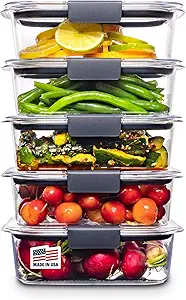
Glass jars are non-reactive, airtight, and excellent for preserving dry foods, but they can break easily and are heavier to move. Plastic bins, on the other hand, are lightweight, shatterproof, and stackable, making them ideal for larger storage setups. Both options work well if kept out of direct sunlight, but you must choose high-quality, food-grade materials to avoid chemical leaching. Labeling containers clearly will also help prevent mix-ups and wasted food.
Rubbermaid Brilliance Airtight Food Storage Containers – Crystal-clear, leak-proof, and stackable; perfect for sealing out heat and humidity.
Vacuum-Sealed Bags
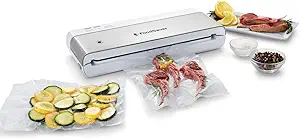
Vacuum sealing is a game-changer for food storage in hot climates. Removing air drastically slows oxidation, preserves flavor, and extends shelf life, especially for grains, nuts, and freeze-dried items. These bags take up minimal space and can be stored in bins, cupboards, or even under beds. They also provide an additional layer of protection against pests and moisture.
FoodSaver Vacuum Sealer Machine with Starter Bags – Extends shelf life dramatically by removing air and sealing in freshness, ideal for grains, beans, and dehydrated foods.
Metal and Tin Options
Metal containers, like tins and stainless steel bins, offer durability and some thermal resistance. They are excellent for bulk storage of dry foods such as rice, beans, or flour, but they can heat up quickly if exposed to sunlight. Ensure that metal containers are food-grade and airtight, and avoid placing them directly on hot surfaces. Adding desiccants or oxygen absorbers can further protect the contents.
Stainless Steel Airtight Canisters (Set of 4) – Durable, heat-resistant, and pest-proof, great for bulk dry storage like rice or flour.

Ideal Storage Locations in Hot Climates
Using Cool Basements and Cellars
Basements and cellars naturally maintain lower temperatures compared to above-ground rooms. Underground storage spaces protect food from temperature spikes and direct sunlight, which are the biggest threats in hot climates. Even a small, shaded cellar can dramatically extend the life of canned goods, grains, and root vegetables. If your home lacks a basement, consider creating a partially underground storage box in your yard.
Coleman 70-Quart Xtreme 5 Cooler – Keeps food cold for days, perfect for temporary or emergency storage in hot environments.

Kitchen Tips for Hot Homes
In homes without cool basements, the kitchen can still be adapted for safe storage. Keep dry goods in high cabinets or pantry corners away from ovens, stoves, or sunny windows. Reflective or insulated liners can help reduce heat transfer to stored food. Rotating stock regularly ensures that older items are used before they spoil.
Reflectix Insulation Roll – Easy DIY insulation to line pantry shelves or storage areas, keeping stored food cooler without electricity.

Portable and Temporary Solutions
When permanent cool storage isn’t available, portable options become essential. Insulated boxes, coolers with ice packs, or even DIY ice chest setups can maintain lower temperatures for short-term storage. These solutions are particularly useful for perishable items or during heat waves. Make sure to monitor temperatures inside these containers to avoid hidden spoilage.
Temperature-Sensitive Foods and How to Handle Them
Dry Goods: Rice, Pasta, and Grains
Dry goods may seem impervious to heat, but high temperatures and humidity can cause clumping, off-flavors, or insect infestations. Store them in airtight containers with oxygen absorbers to maintain freshness. Avoid storing near hot walls or appliances that radiate heat. Periodically check for signs of moisture or insects to prevent losses.
Canned Goods and Bottled Foods
Canned and bottled foods are more resilient but are not immune to heat. High temperatures can warp lids, compromise seals, and shorten shelf life. Store cans in a cool, dark spot and rotate them using the FIFO (first in, first out) method. Avoid placing metal cans directly on hot floors or near windows.
Perishable Foods: Fruits, Vegetables, and Dairy
Fruits, vegetables, and dairy are the first to spoil in hot climates. Keep them in the coolest part of your home or refrigerator and separate high-moisture items from dry ones. For short-term storage, insulated bags or coolers can help. Consider partially dehydrating or pickling some produce to extend shelf life without relying solely on refrigeration.
Smart Techniques to Extend Shelf Life
Rotating Stock
Rotating stock is a simple yet effective method to prevent waste. By using older items first and placing new ones behind, you ensure nothing sits long enough to spoil. Marking expiration dates and keeping a clear inventory can make this process much easier. Regular rotation is especially critical in hot climates where food deteriorates faster.
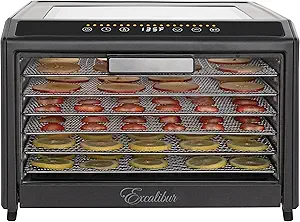
Excalibur 9-Tray Electric Food Dehydrator – A prepper favorite for dehydrating fruits, vegetables, and meats; removes moisture to prevent spoilage.
Freezing and Cold Storage Hacks
Even limited fridge or freezer space can be optimized for hot climates. Pre-chill items before freezing to reduce energy use and maintain consistent temperatures. Group items together to reduce air circulation and minimize heat exposure when the door opens. Consider investing in small, energy-efficient freezers if power reliability is a concern.
Dehydrating and Preserving
Dehydration removes moisture that bacteria and mold need to grow, making it perfect for hot climates. Sun-drying can work if the humidity is low, but ovens and dehydrators offer consistent results. Store dehydrated foods in vacuum-sealed bags or airtight containers for maximum longevity. Herbs, fruits, meats, and even vegetables can benefit from this method.
PackFreshUSA Oxygen Absorbers (100-Pack) – Keeps dry goods like rice, flour, and beans fresh for months by removing oxygen inside storage containers.

Using Natural Cooling Methods
Evaporative Cooling Tricks
Evaporative cooling uses water and airflow to lower temperatures around stored food. Clay pot coolers, also known as Zeer pots, are a low-tech solution that works surprisingly well. The outer pot is soaked in water, and as it evaporates, it draws heat away from the inner storage compartment. This method is ideal for small quantities of fruits, vegetables, and dairy in hot climates.
Shade and Insulation Strategies
Keeping foods out of direct sunlight is the simplest way to reduce heat exposure. Dark-colored containers in shaded areas can absorb less heat, while insulated covers further stabilize temperatures. Even simple techniques like reflective blankets or straw insulation can make a noticeable difference. These methods are inexpensive and scalable to any storage setup.
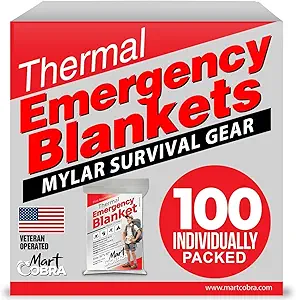
Emergency Mylar Thermal Blankets (12-Pack) – Cheap, lightweight reflective sheets to shield food containers from direct heat and sunlight.
Underground and Earth-Based Storage
Buried containers take advantage of natural thermal insulation provided by the soil. Root vegetables, tubers, and canned goods can last weeks longer when partially buried in cool, dry soil. Make sure containers are sealed to prevent moisture and pests from entering. This technique is particularly useful in regions with intense sun and minimal indoor cooling.
Protecting Stored Food from Pests and Insects
Hot climates attract pests like ants, cockroaches, and rodents, which can destroy your stock quickly. Airtight containers and vacuum-sealed bags are your first line of defense. Natural repellents like bay leaves, cloves, or diatomaceous earth can deter insects without chemicals. Regularly inspect stored food and clean storage areas to prevent infestations from taking hold.
Gamma2 Vittles Vault Airtight Pet Food Container – Pest-proof and airtight; originally for pet food but excellent for long-term grain or rice storage.

HARRIS Diatomaceous Earth (Food Grade) – Natural, chemical-free pest deterrent to protect your food storage from ants, roaches, and other insects.

Monitoring and Maintaining Food Storage Conditions
Consistent monitoring is essential in hot climates. Thermometers and hygrometers provide real-time data on temperature and humidity, helping you adjust storage methods as needed. Check foods regularly for spoilage signs such as mold, discoloration, or off smells. Seasonal changes may require relocating containers or adding extra insulation to maintain optimal conditions.
ThermoPro TP50 Digital Hygrometer and Thermometer – Monitors temperature and humidity in your pantry or storage area so you can react before spoilage starts.

Emergency Food Storage Considerations
Long-term emergency storage requires extra planning in heat-prone areas. Focus on foods with high heat tolerance, like grains, beans, and dehydrated meals. Store water alongside food and rotate it regularly. Portable emergency kits should include insulated bags or small coolers to maintain temperature stability during power outages or evacuations.
Augason Farms 30-Day Emergency Food Supply – Heat-tolerant, shelf-stable meals designed for emergencies in hot climates.

Engel 19 Quart Leak-Proof Drybox Cooler – Compact and portable cooler, ideal for evacuations or keeping perishables stable during outages.

Common Mistakes to Avoid in Hot Climate Food Storage
Many people inadvertently shorten shelf life by making simple mistakes. Avoid overcrowding containers, which prevents airflow and traps heat. Never store food in direct sunlight or near appliances that emit heat. Ignoring expiration dates or failing to rotate stock are common errors that lead to unnecessary spoilage.
Recommended Tools and Equipment
Quality tools can make a huge difference in preserving food in hot climates. Invest in airtight, food-grade containers and vacuum sealers for dry and perishable goods. Cooling packs, insulated storage boxes, and small thermometers provide extra protection. Even basic supplies like labels, markers, and inventory sheets help maintain an organized and safe storage system.
Budget-Friendly Storage Solutions
You don’t need a fortune to store food safely in hot climates. Repurposed jars, bins, and containers work surprisingly well when properly cleaned and sealed. DIY cooling methods, like clay pot coolers or insulated boxes, save money while keeping food fresh. Affordable natural repellents such as bay leaves or cloves can protect food from pests without costly chemicals.
Ball Wide Mouth Mason Jars with Lids (12-Pack) – Affordable, reusable glass jars perfect for preserving dry goods and homemade dehydrated foods.

Sustainable and Eco-Friendly Storage Practices
Eco-conscious storage is possible even in extreme heat. Use reusable containers instead of disposable packaging to reduce waste. Properly storing and rotating food reduces spoilage and prevents unnecessary purchases. Choosing heat-tolerant foods and sourcing locally can further reduce environmental impact and improve shelf life.
Food Storage Planning and Rotation Tips
Strategic planning is key to long-term success. Maintain an inventory list and track expiration dates to minimize waste. Rotate stock seasonally to accommodate changes in temperature and humidity. Planning ensures that you always have fresh, safe food available without overbuying or losing supplies to heat.
Advanced Strategies for Hot Climate Preppers
For serious preppers, advanced storage solutions offer unmatched reliability. Off-grid refrigeration systems, solar-powered coolers, and high-tech dehydrators can preserve food longer than traditional methods. Combining multiple preservation techniques—like vacuum sealing plus underground storage—provides maximum protection. Innovation and preparation are essential when living in hot climates.
Conclusion: Mastering Food Storage in Hot Climates
Food storage in hot climates doesn’t have to be overwhelming. By understanding heat-related risks, choosing the right containers, monitoring conditions, and implementing smart preservation techniques, you can keep your food safe and fresh for months. Whether you’re storing emergency supplies, groceries, or bulk purchases, these strategies provide peace of mind and reduce waste. With proper planning and a little creativity, hot climates don’t have to compromise your food security.
FAQs
1. Does altitude affect food storage in hot climates?
Yes. High-altitude locations often have stronger UV exposure and greater temperature swings between day and night. This can accelerate packaging breakdown and cause condensation inside containers. Using UV-resistant containers and allowing food to cool before sealing helps prevent moisture buildup and seal failures.
2. How does frequent power loss impact food storage strategies in hot climates?
In areas with unstable electricity, relying solely on refrigeration can be risky. Backup options like insulated coolers, ice packs, solar-powered fridges, or dehydration methods ensure food safety during outages. Planning no-power preservation methods is essential for true hot-climate preparedness.
3. Can heat affect the nutritional value of stored food over time?
Yes. Prolonged exposure to high temperatures can degrade vitamins, fats, and proteins — even if the food hasn’t visibly spoiled. This is especially true for oils, nuts, and vitamin-fortified foods. Keeping these items in the coolest possible storage area preserves nutritional quality longer.
4. What foods should never be stored in extreme heat, even if labeled shelf-stable?
Certain shelf-stable foods like cooking oils, peanut butter, protein bars, and powdered dairy break down quickly in high heat. They may separate, turn rancid, or lose texture. These items should always be kept in the coolest available space or rotated more frequently.
5. How can you test if heat has already compromised stored food?
Beyond checking expiration dates, look for swollen packaging, warped lids, unusual odors, color changes, or oily residue where it shouldn’t be. When in doubt, discard questionable items — heat damage isn’t always visible but can make food unsafe.
Other Useful Resources Related To Food Storage In Hot Climates
- Preserving Food at Home — Cooperative Extension Service
Research-based guidance on canning, freezing, and drying techniques that help extend food shelf life safely. - Food Storage in Home — Utah State University Extension
Detailed recommendations on optimal storage area conditions, moisture control, and common causes of food deterioration. - Food Storage for Emergencies — Oregon State University Extension
Practical tips on rotating supplies, choosing storage locations, and portable food containers for emergencies. - Storing Food Safely — New Mexico State University Extension
A comprehensive printable guide on why and how to store food safely and effectively in a home setting. - Food Safety and Storage — Better Health Channel
General food-safety principles, including temperature danger zones and safe storage practices for perishable foods.