
Let’s face it—life can go sideways in an instant. Whether it’s a wildfire, a medical emergency, or just a random Tuesday where something big goes wrong, you want to be ready. That’s where an emergency binder checklist becomes your secret weapon. It’s not just paperwork—it’s your lifeline during chaos.
You might not be able to control emergencies, but you can control how prepared you are for them.
Let’s dive into how you can create a life-saving, sanity-saving binder that keeps you and your loved ones safe and organized when every second counts.
Table of Contents
Why Every Family Needs an Emergency Binder Checklist
Imagine this: it’s 3 a.m., your house is being evacuated, and you’re frantically looking for your insurance documents, IDs, and medication info. Sound familiar? Now imagine calmly grabbing one binder and walking out the door knowing everything you need is inside.
That’s the power of a well-built emergency binder checklist.
It’s more than just for “doomsday preppers.” It’s smart planning. Fires, floods, theft, illness—emergencies don’t discriminate, and they don’t wait.
Creating an emergency binder gives you:
- Faster responses in a crisis
- Less mental stress during emergencies
- Vital information at your fingertips
- Easier recovery after disaster strikes
What Is an Emergency Binder and Why It’s a Game-Changer
An emergency binder is a physical (or digital) collection of your most important documents and information. It keeps everything in one place, so you’re never digging through drawers or scrolling through your phone when you need answers fast.
Think of it as your family’s safety command center. It holds everything from ID copies and insurance info to emergency contacts and pet records.
Your binder can be the difference between chaos and calm.
What to Include in an Emergency Binder Checklist
Let’s break it down piece by piece. Here’s what your emergency binder absolutely must have:
Personal Identification & Vital Documents
Start with the essentials. You’ll need copies of:
- Birth certificates
- Social security cards
- Driver’s licenses or IDs
- Passports
- Marriage licenses
- Adoption records
These documents prove who you are—and they’re often required for everything from getting shelter to filing insurance claims.
Medical Information for Each Family Member
Having medical details at your fingertips could save a life.
Include:
- Allergies and known conditions
- Medication list and dosages
- Primary doctor contact info
- Health insurance cards
- Immunization records
- Medical history summaries
Keep one page per person. Add recent lab work or test results if available.
Financial Information and Insurance Documents
Money doesn’t stop moving in an emergency.
Add these to your binder:
- Bank account numbers
- Credit card info
- Loan accounts
- Mortgage details
- Auto, home, and life insurance policies
- Claims procedures
Include contact numbers for banks and insurance providers.
Home and Property Information
In a natural disaster or theft, proof of ownership is critical.
Include:
- Home deed or lease agreement
- Property insurance policies
- Recent home appraisal
- Photos of your home and valuables
- Vehicle titles and registrations
Tip: Use a flash drive with backup digital photos of your belongings.
Legal Documents You Can’t Afford to Lose
Important legal documents should be easily accessible.
Include:
- Wills and living wills
- Power of attorney papers
- Custody agreements
- Trust documents
- Burial or funeral instructions
These documents speak for you when you can’t.
Emergency Contacts & Family Communication Plan
Who do you call when cell towers are down?
Add:
- Family phone tree
- Emergency out-of-town contact
- School and workplace emergency contacts
- Local utility numbers
- Meeting point instructions
Write it all down. Don’t rely on your phone’s memory.
Passwords, Logins, and Digital Access Details
In a digital world, your logins are just as vital.
Include:
- Online banking credentials
- Email accounts
- Medical portals
- Insurance logins
- Cloud storage access
- Device passcodes
Use a password manager export or write them by hand (and keep them secure).
Printable vs. Digital: Which Emergency Binder Format Works Best?
Paper or pixels? Each has its pros and cons.
Printable binders are easy to grab and don’t rely on electricity. They’re perfect for fast evacuations and power outages. Just make sure to keep them waterproof and secure.
Digital binders can store more information, update easily, and be backed up in the cloud. But they rely on devices and internet access, which might be a problem during disasters.
Pro tip: Use both. Print your main binder and store a digital backup on a password-protected USB drive or encrypted cloud folder.
How to Organize Your Emergency Binder for Quick Access
When you’re panicking, you don’t want to flip through 100 pages.
Here’s how to keep your binder tidy and intuitive:
Color-Coding and Tab Dividers
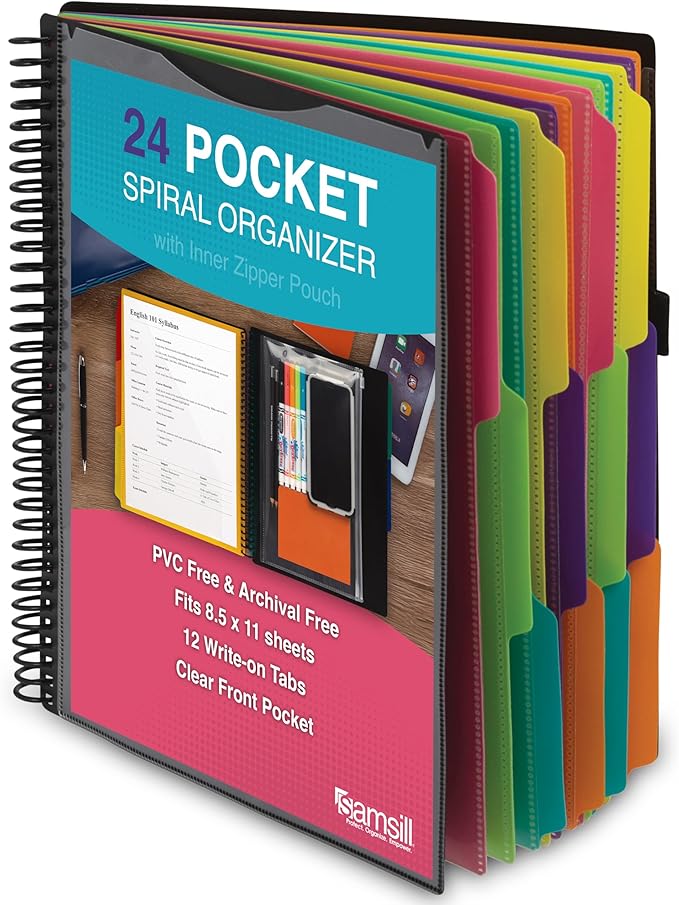
Use labeled tabs or color-coded sections (e.g., blue for health, red for legal). This makes it brain-dead simple to find what you need, fast.
Using Waterproof, Fireproof Document Holders
Emergencies don’t care about moisture or heat. Use sleeves or a waterproof pouch inside a fireproof bag for extra protection.
Backup Storage Options
Make a backup binder for your car or a trusted family member. Use a USB drive or secure online backup for digital duplicates.
Must-Have Supplies to Build Your Emergency Binder
Don’t overcomplicate it. A few key tools will make your binder last and work better.
Recommended Products for Emergency Binders
- 3-ring binder with durable rings (2-3 inches wide)
- Plastic sheet protectors to preserve documents
- Zippered pouch for USBs, keys, and extras
- Fireproof document bag for home storage
- Label maker or colored tabs
- Waterproof flash drive for digital copies
The Zipper Binder Bag is perfect for holding hundreds of documents securely with its zippered closure, keeping everything organized and protected.

Using Avery Plastic Sheet Protectors keeps your documents safe from spills, dirt, and tears, ensuring they last through repeated use.

A Samsill Zippered Binder Pouch gives you a place to store small items like USB drives, keys, or emergency cash inside your binder.
The ROLOWAY Fireproof Document Bag offers extra security by keeping your emergency binder safe from fire and water damage.

With the DYMO Label Maker, you can create professional-looking labels for tabs and sections, making your binder quick to navigate under pressure.

The SanDisk 128GB Ultra USB Flash Drive is ideal for storing digital copies of important documents, photos, and passwords as a backup.

Where to Store Your Emergency Binder Safely and Accessibly
Stash your binder in a spot that’s easy to grab but hard for burglars to find.
Best places to store it:
- Fireproof safe
- Grab-and-go bag (bug out bag)
- Locked file cabinet
- With a trusted relative (copy only)
Avoid high-moisture spots like basements or garages.
For at-home storage, the SentrySafe Fireproof Safe provides reliable fire and theft protection, ensuring your emergency binder is secure but accessible.

How Often Should You Update Your Emergency Binder Checklist?
Set a reminder to review your binder every 6 months or after major life changes.
Update whenever you:
- Move homes
- Change insurance policies
- Have a new child
- Get married or divorced
- Open new accounts
Fresh info saves lives.
Emergency Binder for Kids, Seniors, and Pets
Emergencies don’t just impact adults. Customize your checklist for every member of the household.
Child-Centric Emergency Info
Include:
- Pediatrician info
- School contacts
- Emergency pickup permissions
- Allergy and medication details
- Child ID cards or recent photos
Elderly Care Details
Include:
- Medical directives
- Power of attorney paperwork
- Senior care facility contacts
- Prescription charts
- Medicare/Medicaid numbers
Pet Emergency Documentation
Don’t forget your furry friends.
Include:
- Vet records
- Vaccination cards
- Microchip ID
- Pet insurance (if applicable)
- Emergency pet sitters
Mistakes to Avoid When Making an Emergency Binder
- Overcomplicating it. Keep it clean and to the point.
- Not updating regularly. An outdated binder is useless.
- Storing it in the wrong place. Keep it secure and accessible.
- Ignoring digital backups. Disasters don’t care about paper alone.
- Leaving out small things. Even your spare car key code can matter.
Using Your Emergency Binder in Real-Life Situations
Your emergency binder isn’t just for “what-ifs.” People have used theirs for:
- Hospital visits where the medical history was unknown
- Filing insurance claims after floods
- Evacuations during wildfires
- Sudden family deaths or illnesses
- Temporary relocation after disasters
It’s not just a binder. It’s your peace of mind in a zippered pouch.
Conclusion: Peace of Mind Starts with Preparation
Creating an emergency binder checklist may feel overwhelming at first, but it’s one of the smartest, most caring things you can do for your family.
When disaster hits, you won’t be panicking, fumbling, or guessing. You’ll be ready. You’ll be in control. You’ll be the calm in the storm.
Start building your binder today. Don’t wait until it’s too late.
FAQs
1. Should I keep original documents or only copies in my emergency binder?
In most cases, copies are safer to store in an emergency binder to reduce the risk of loss or theft. Originals like passports, birth certificates, and titles are best kept in a secure safe or safety deposit box, with clearly labeled copies in the binder for quick reference.
2. Is it safe to store sensitive information like passwords in an emergency binder?
It can be safe if done correctly. Use partial passwords, hints only you understand, or keep the binder inside a locked, fireproof container. For digital versions, encryption and strong master passwords are strongly recommended.
3. Can an emergency binder help during non-disaster situations?
Yes. Emergency binders are often used during hospital admissions, unexpected travel, legal appointments, or assisting aging parents. They’re just as useful for everyday crises as they are for large-scale disasters.
4. How many copies of an emergency binder should a household have?
Ideally, you should have at least two: one primary binder at home and one backup copy stored with a trusted relative or in a secure digital format. Larger households or those with split living arrangements may benefit from additional copies.
5. What size binder works best for a long-term emergency binder?
A 2–3 inch binder is ideal for most families, as it provides enough space for growth without becoming too bulky to grab quickly. If your documents exceed that, consider splitting them into two labeled binders (e.g., “Critical” and “Reference”).
Other Useful Resources Related To Emergency Binder Checklist
- Emergency Binder Checklist (Free Download & Guide) – A detailed overview of building an emergency binder with categories and a free downloadable checklist to help readers get started.
- Free Family Emergency Binder Printables – A comprehensive set of printable binder pages covering contacts, plans, utilities, supplies, and more — great for readers who want ready-made templates.
- Printable Emergency Binder Templates & Checklists – Another source of free printable emergency binder materials and document organization templates to include in a binder.
- Official Red Cross Preparedness Resources – A trusted organization’s guide on how to prepare for emergencies, including steps to make plans, kits, and checklists that complement your binder theme.
- Federal Emergency Management Agency (FEMA) Free Publications – A government source where readers can download official emergency preparedness publications (e.g., supply lists) that can be printed and added to their binders.