
Urban living doesn’t mean you have to sacrifice self-sufficiency. With a balcony survival garden, you can grow fresh food even in tight city spaces. These compact gardens are not only a way to save money on groceries but also a step toward preparedness in uncertain times. Whether you want herbs, vegetables, or even small fruits, a balcony garden can become your green sanctuary.
Table of Contents
Why a Balcony Survival Garden is Your Secret to Urban Resilience
A balcony survival garden turns unused space into a powerhouse of food production. Urban dwellers often rely entirely on grocery stores, leaving them vulnerable to supply chain disruptions. With a balcony garden, you can produce fresh vegetables and herbs right outside your door. Plus, gardening reduces stress, improves air quality, and connects you to the rhythms of nature even in the heart of the city.
Choosing the Perfect Balcony Space for Your Survival Garden
Not all balconies are created equal when it comes to gardening. Light exposure is critical; most edible plants need at least 4–6 hours of direct sunlight. You also need to consider wind protection, as strong gusts can damage plants or blow containers over. Finally, think about weight limits, especially in apartment buildings—choose lightweight containers and soil mixes to avoid overloading your balcony structure.
Essential Tools and Supplies for a Balcony Survival Garden
To start your balcony survival garden, gather a few essential tools. Containers of various sizes, quality potting soil, and organic fertilizers are a must. Watering cans or drip irrigation systems make maintenance easier, while gardening gloves protect your hands. Space-saving tools like trellises, hanging baskets, and vertical planters allow you to maximize every inch of your balcony.
Lechuza Balconera Self-Watering Planter Box – This planter has a built-in reservoir that automatically provides water to plants, reducing daily maintenance and helping prevent over- or under-watering.

Selecting Plants That Thrive in Balcony Conditions
Not every plant thrives in small containers or limited sunlight. Leafy greens like lettuce, spinach, and kale grow well in partial sun, while peppers, tomatoes, and dwarf fruits prefer full sun. Herbs such as basil, mint, and rosemary are hardy and low-maintenance, perfect for urban settings. Mixing plants strategically can also boost growth, reduce pests, and make your balcony a lush, productive oasis.
Growing High-Yield Vegetables in Small Containers
Even in compact spaces, you can grow vegetables that produce high yields. Tomatoes and peppers respond well to deep containers, while beans and peas benefit from vertical support. Lettuce and spinach are ideal for shallow pots and harvest continuously if picked regularly. Proper soil, watering, and sunlight are key to maximizing production in container gardens.
How to Grow Herbs for Daily Cooking and Survival Use
Herbs are the easiest and most rewarding plants for balcony survival gardens. Basil, parsley, cilantro, and mint thrive in small pots and can be harvested multiple times a season. They add flavor to your meals and provide essential nutrients. Regular pruning encourages fuller growth, ensuring your herb supply lasts longer.
Fruit Options for a Balcony Survival Garden
Growing fruits in containers is easier than many urban gardeners expect. Strawberries can hang in baskets, dwarf citrus trees can thrive in medium-sized pots, and small berries like blueberries perform well with the right soil. Vertical supports or trellises can help climbing fruits like tomatoes or small melons. With proper care, even a tiny balcony can yield a sweet and nutritious harvest.
Soil, Fertilizers, and Composting on Your Balcony
Healthy plants start with nutrient-rich soil. Use a high-quality potting mix and supplement with organic fertilizers for maximum growth. Composting kitchen scraps is possible even in apartments, using a small bin or worm composting system. This not only reduces waste but also provides a continuous source of organic nutrients for your plants.
FoxFarm Ocean Forest Potting Soil – A premium organic soil mix with excellent drainage and nutrient content, ideal for healthy and productive container gardening.

Watering Strategies for Balcony Survival Gardens
Efficient watering is crucial for container gardens since pots dry out faster than ground soil. Water deeply but less frequently to encourage strong root systems. Self-watering containers or simple drip irrigation systems save time and prevent overwatering. Always check soil moisture regularly to avoid stressing your plants, especially during hot months.
Sainlogic Automatic Plant Waterer – An easy-to-use drip irrigation system that delivers consistent moisture to multiple pots, perfect for hot climates or when you’re away from home.

Managing Pests and Diseases Naturally
Balcony gardens are not immune to pests, but chemical treatments are best avoided in small spaces. Companion planting can deter insects, while natural sprays made from neem or garlic keep plants healthy. Regularly inspect leaves and stems for early signs of disease. Healthy soil and proper spacing reduce the most common problems without the need for harmful chemicals.
Yield Rx’s Neem Oil – A natural pest control spray that protects edible plants against insects, mites, and fungal diseases without harsh chemicals.

Maximizing Space with Vertical Gardening and Trellises
Vertical gardening is a game-changer for small balconies. Wall-mounted planters, hanging baskets, and trellises allow you to grow more in less space. Climbing plants like beans, cucumbers, and cherry tomatoes thrive when given vertical support. This method also improves air circulation and sunlight exposure, boosting overall plant health.
Keter Urban Bloomer Elevated Garden Bed – A raised, self-watering garden bed that saves balcony floor space, conserves water, and provides ample soil depth for vegetables and herbs.

Seasonal Tips for Year-Round Balcony Gardening
Adapting your balcony garden to each season ensures continuous harvests. In cooler months, grow leafy greens or use mini-greenhouses to protect sensitive plants. During summer, monitor sunlight exposure and adjust watering schedules accordingly. Rotating crops seasonally keeps soil fertile and reduces the risk of pests and diseases.
How to Preserve Your Harvest for Survival Purposes
A productive balcony garden is only as valuable as your ability to preserve its bounty. Canning, drying, and freezing herbs and vegetables extend shelf life. Strawberries and small fruits can be frozen or turned into jams. Proper storage ensures you have a reliable food source even when fresh produce is scarce.
Nesco Snackmaster Food Dehydrator – A compact dehydrator that makes it easy to dry herbs, fruits, and vegetables for long-term storage.

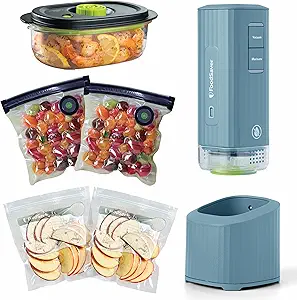
FoodSaver Vacuum Sealer Machine – Extends the shelf life of your preserved foods by sealing out air and moisture, keeping your harvest fresher for longer.
Creative DIY Projects for Balcony Gardening
Balcony gardening encourages creativity and resourcefulness. Upcycled containers like buckets, crates, and old baskets can serve as planters. Hanging shelves and pallet gardens save space while adding charm. DIY rainwater catchers or trellises can increase efficiency and sustainability, transforming your balcony into a mini urban farm.
Budget-Friendly Balcony Survival Garden Hacks
Creating a balcony garden doesn’t have to break the bank. Use recycled containers, compost kitchen waste, and propagate plants from cuttings. Dollar-store gardening tools and soil amendments are surprisingly effective. Planning carefully ensures maximum output from minimal investment, proving that survival gardening is accessible to everyone.
Common Mistakes to Avoid in Balcony Survival Gardening
Many beginners overcrowd containers or choose plants unsuited for their balcony conditions. Overwatering, neglecting soil quality, and ignoring sunlight needs are common pitfalls. Pests and diseases often result from poor maintenance rather than bad luck. Learning from mistakes quickly ensures a thriving and productive balcony garden.
Inspiring Success Stories of Urban Balcony Gardens
Urban gardeners worldwide are proving that even tiny spaces can be productive. Apartments in New York, Tokyo, and London host flourishing balcony farms with fresh vegetables and herbs year-round. Many gardeners report higher food security, lower grocery bills, and a newfound love for urban green spaces. Their experiences serve as motivation for anyone ready to start their balcony survival garden journey.
Conclusion: Transform Your Balcony into a Survival Garden Haven
A balcony survival garden is more than just a hobby—it’s a pathway to self-reliance, healthier meals, and urban resilience. By carefully selecting plants, optimizing space, and applying smart gardening techniques, anyone can cultivate a productive balcony oasis. Start small, experiment, and enjoy the satisfaction of growing your food in the city. Your balcony can become a thriving green haven that nourishes both body and soul.
FAQs
1. Can a balcony survival garden help during long power outages?
Yes. A balcony survival garden can continue producing food during extended power outages because it doesn’t rely on electricity to function. Unlike indoor grow setups with artificial lighting, balcony gardens use natural sunlight. This makes them a reliable food source when grid power fails, especially for leafy greens, herbs, and fast-growing vegetables that can be harvested continuously.
2. How do I protect my balcony survival garden during extreme weather events?
Severe storms, heatwaves, or cold snaps can damage container plants quickly. Portable planters allow you to move sensitive plants indoors temporarily. Shade cloths help prevent sun scorch in extreme heat, while frost blankets or clear plastic covers protect crops during unexpected cold nights. Preparing simple protective covers in advance keeps your garden resilient in sudden weather shifts.
3. Is it possible to grow enough calories on a balcony to meaningfully support survival needs?
While balconies can’t usually supply full daily caloric requirements, they can significantly supplement nutrition. High-yield crops like potatoes in grow bags, bush beans, cherry tomatoes, and leafy greens provide steady food output. Herbs and greens also add vital micronutrients that prevent deficiencies when other food supplies are limited.
4. How can I store seeds long-term for repeated balcony survival harvests?
Seed storage is an essential but often overlooked survival step. Seeds should be kept in airtight containers in a cool, dark, dry place. Silica gel packets help control moisture. Properly stored seeds remain viable for several years, ensuring you can restart your balcony garden even if seed supplies become unavailable later.
5. Are balcony survival gardens allowed in most apartment buildings?
Most apartment buildings allow balcony gardening, but some have restrictions on water runoff, hanging planters, or weight limits. Checking building regulations prevents future conflicts. Using drip trays under containers and lightweight soil mixes helps meet most building requirements while keeping your garden safe and compliant.
Other Useful Resources Related To Balcony Survival Garden
- Small Urban Garden – Balcony Gardening Guides
A dedicated site with articles and practical tips on starting and maintaining a balcony garden in tight urban spaces. - EcoCation – Urban Gardening Beginner’s Guide
A comprehensive beginner’s guide to urban gardening, including maximizing small spaces like balconies and selecting suitable plants. - Balcony Garden Web – Urban Gardening Tips
A large collection of articles on container and balcony gardening, covering plant ideas and creative growing methods. - Permaculture Practice – Balcony Permaculture Explained
A helpful overview of how permaculture principles can be applied to balcony gardens for more sustainable, productive systems. - Urban Balcony Garden PDF Guide (Balcony Gardening Basics)
A downloadable basics guide for balcony gardening that includes practical considerations like weight limits, microclimates, and setup planning.