Living with roommates can be an adventure, but it also comes with unique challenges—especially when it comes to emergency preparedness. Prepping with roommates isn’t just about stockpiling supplies; it’s about communication, teamwork, and creating a shared plan that everyone can follow. Imagine knowing that, no matter what happens, everyone in your apartment has a clear role and access to essential resources. This guide dives deep into practical strategies for stress-free roommate prepping, helping you stay ready without drama or chaos.
Table of Contents
Understanding the Importance of Prepping with Roommates
Prepping with roommates is more than just convenience—it’s a safety strategy that can save lives. When everyone participates, responsibilities are shared, costs are lowered, and the workload becomes manageable. A prepared household is less likely to panic during emergencies, creating a calm and efficient environment. Ignoring shared preparedness can lead to confusion, wasted resources, and even conflict during critical moments.
Identifying Common Challenges in Shared Prepping
Different Priorities and Mindsets
Every roommate has different ideas about what’s essential. Some may prioritize long-term food storage, while others focus on electronics or first aid. Aligning priorities requires honest discussions and compromise. By creating a shared vision, conflicts can be minimized, and everyone can contribute in a meaningful way.
Space Constraints
Apartments often have limited storage, making it tricky to stockpile emergency supplies. Cluttered spaces can lead to frustration or forgotten items. Maximizing vertical space, under-bed storage, and multi-purpose furniture can solve many of these problems. A smart organization ensures supplies are accessible when needed without overwhelming your living area.
Establishing a Shared Emergency Plan
Creating a Roommate Survival Pact
A written survival pact sets clear expectations for emergencies. This can include assigned responsibilities, communication methods, and shared resources. By having everything on paper, misunderstandings are minimized, and each roommate knows their role. The pact creates accountability and strengthens group cohesion.
Assigning Tasks and Responsibilities
Dividing tasks makes prepping manageable and efficient. One roommate might handle food, another water, and a third first aid or tools. Rotating responsibilities ensures no single person feels overwhelmed. Everyone gains practical experience and a sense of contribution.
Communication Channels
Clear communication is critical during emergencies. Group chats, shared apps, or even a whiteboard in the kitchen can keep everyone informed. Regular check-ins prevent confusion and allow quick updates on inventory, drills, or changes in plans. Consistent communication ensures the household acts as a cohesive unit.
Budgeting for Joint Prepping
Pooling Resources Without Conflict
Shared expenses can be tricky, but pooling resources helps the group buy better-quality items. Setting a monthly prep budget reduces arguments and ensures fairness. Transparency is key, and tracking contributions keeps everyone accountable. Small contributions from multiple roommates can add up to a robust emergency stockpile.
Affordable Prepping Options
Prepping doesn’t have to break the bank. Bulk purchases, off-brand survival gear, and DIY solutions save money. Planning purchases together prevents duplicate items and wasted funds. Budget-conscious prepping can be just as effective as high-end options if done thoughtfully.
Tracking Shared Expenses
Maintaining a shared expense log prevents disputes and misunderstandings. Apps or spreadsheets allow roommates to see contributions in real time. Clear records make it easier to plan future purchases or reimbursements. Accountability reduces tension and encourages consistent participation.
Food Storage and Meal Prep Strategies
Building a Shared Food Pantry
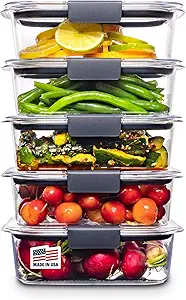
A shared food pantry is the backbone of apartment prepping. Include shelf-stable staples like canned goods, rice, and pasta for long-term emergencies. Rotate items regularly to prevent spoilage. Labeling supplies and keeping an organized system ensures everyone knows where to find what they need.
A stackable set of airtight food storage containers can keep pantry items fresh, organized, and easy to share among roommates.
Managing Dietary Preferences
Roommates often have different dietary needs or preferences. Accommodating these variations prevents wasted food and ensures everyone can eat safely during an emergency. Meal planning and clear labeling help navigate these differences effectively. Open discussions about allergies or restrictions are essential for peace of mind.
Rotating and Maintaining Supplies
Food rotation prevents waste and ensures freshness. Regularly check expiration dates, consume older items first, and restock with new supplies. Using a “first in, first out” system is simple and effective. A well-maintained pantry reduces stress and keeps everyone confident in their preparedness.
Water Storage and Filtration Solutions
Clean water is a non-negotiable necessity. Store at least one gallon per person per day for a minimum of three days. Compact water filters and purification tablets provide backup options if stored water runs out. Sharing these resources reduces costs and ensures everyone has access during emergencies.
Compact water filtration straws and filters are a smart backup if stored water runs out, giving everyone access to safe drinking water.

Emergency Gear and Essential Supplies
Sharing Tools and Equipment
Items like lanterns, multi-tools, and first aid kits can be shared to save space and money. Agree on storage locations so everyone knows where to find essential gear quickly. Assigning responsibilities for checking and maintaining equipment prevents neglect. Shared gear encourages teamwork and practical usage experience.
Consider investing in a reliable emergency lantern that can light up shared spaces during outages without draining batteries too quickly.

Personal vs. Shared Items
Some supplies should remain personal, like medications or specialty items. Clearly label personal and communal items to avoid confusion or conflict. Maintaining boundaries respects individual needs while ensuring group preparedness. Clear distinctions prevent disputes and make inventory management simpler.
Safety and Security in Shared Living Spaces
Home Safety Measures
Locks, window alarms, and secure entryways reduce the risk of intrusions. Establishing a routine for checking doors and windows creates consistent habits. Discussing safety plans ensures all roommates understand emergency protocols. A secure home lays the foundation for effective prepping.
Fire Safety and Evacuation Plans
Fire safety is critical in apartments. Keep fire extinguishers accessible, install smoke detectors, and designate evacuation routes. Conduct regular fire drills with roommates to ensure everyone knows what to do. Practicing these drills reduces panic and saves valuable time during real emergencies.
Every apartment should have a fire extinguisher, like the First Alert HOME1 Fire Extinguisher, within easy reach for emergencies.

Pair it with a Smoke and Carbon Monoxide Detector to ensure early warnings and peace of mind for all roommates.

Mental and Emotional Preparedness
Emergencies are stressful, and roommates may respond differently. Open conversations about fears and expectations strengthen emotional resilience. Encouraging each other and maintaining a positive attitude reduces anxiety. Prepping together builds confidence and a supportive community in shared living spaces.
Prepping for Different Scenarios
Natural Disasters
Earthquakes, floods, or storms can strike unexpectedly. Identify safe spots in your apartment and store essential supplies nearby. Discuss evacuation strategies and emergency contacts. Awareness and planning ensure quick, coordinated responses when disasters occur.
Power Outages
Shared lighting, heating, and refrigeration are critical during outages. Stock up on batteries, lanterns, and portable chargers. Establish rules for energy usage and prioritize essential equipment. A prepared apartment prevents panic and keeps everyone comfortable.
A portable power bank like the Anker model ensures phones stay charged for communication during outages.

For extended blackouts, a BigBlue Solar Phone Charger offers sustainable backup power.

Civil Emergencies
Social unrest or unexpected emergencies can disrupt daily routines. Maintain emergency communication plans and stockpile essential items. Discuss safe locations and escape routes as a group. Collective awareness ensures all roommates remain informed and protected.
Efficient Storage Solutions for Roommates
Compact, modular storage systems maximize limited apartment space. Use vertical shelving, under-bed containers, and multi-purpose furniture to store essentials. Clearly label and organize items for easy access. Efficient storage ensures the apartment stays livable while maintaining readiness.
Space-saving solutions like the Sterilite Under-Bed Storage Container keep emergency supplies hidden but accessible.

An Amazon Basics Modular Shelving Unit helps roommates store supplies vertically without cluttering common areas.

Conflict Resolution and Maintaining Harmony
Disagreements are natural when prepping with roommates. Address conflicts calmly and use clear communication to find a compromise. Rotating responsibilities or voting on key decisions keeps everyone engaged. Maintaining harmony ensures long-term success in shared prepping.
Regular Drills and Practice
Regular drills reinforce plans and expose weak points. Schedule quarterly or monthly exercises for fire, earthquake, or blackout scenarios. Hands-on experience builds confidence and helps identify areas for improvement. Practicing as a group strengthens teamwork and readiness.
Leveraging Technology for Roommate Prepping
Apps can track inventory, alert roommates, and organize emergency plans. Smart home devices enhance security and preparedness without cluttering space. Technology simplifies communication and monitoring, making shared prepping smoother. Digital tools reduce misunderstandings and improve efficiency.
Long-Term Planning and Continuous Improvement
Prepping is not a one-time activity; it’s a lifestyle. Review plans regularly, adjust for changing roommates or circumstances, and add supplies incrementally. Continuous improvement ensures long-term success and safety. A proactive mindset keeps everyone engaged and confident in their preparedness.
Conclusion
Prepping with roommates is both practical and empowering. Shared planning reduces costs, improves safety, and strengthens relationships. By communicating openly, dividing responsibilities, and maintaining a positive mindset, roommates can create a stress-free, prepared household. Start small, stay consistent, and build a secure, resilient environment together.
FAQs
1. What should you do if a roommate refuses to participate in emergency prepping?
Not every roommate will be interested in preparedness, and forcing participation can create tension. In this situation, focus on preparing personal essentials first, then build shared supplies gradually where possible. Keep communication respectful, explain benefits without pressure, and make sure your own critical items (medications, documents, personal food and water) are stored separately. Even partial household preparedness is better than none, and sometimes seeing your organization inspires others to join later.
2. How can roommates handle emergency preparedness when people frequently move in or out?
High roommate turnover can disrupt long-term prepping plans. To manage this, create a simple onboarding process for new roommates, including a brief overview of emergency plans, shared supply locations, and household safety rules. Keep shared purchases modular and low-cost so changes in household members don’t create financial disputes. A flexible system ensures continuity even when living arrangements shift.
3. Should roommates create a shared emergency contact list outside the household?
Yes. During emergencies, phones may die, or networks may fail. Having a written list of external contacts — such as relatives, close friends, or out-of-town contacts — ensures someone can relay information if communication breaks down. Store this list in a visible shared location and in each roommate’s personal go-bag. Redundant contact planning increases overall household safety.
4. How do roommates protect emergency supplies from accidental everyday use?
Shared emergency supplies often get consumed casually unless boundaries are clear. The best solution is to store emergency-only items in clearly labeled containers or sealed bins and establish a household rule that these supplies are for real emergencies or scheduled rotation only. Visual separation prevents accidental use and keeps preparedness intact.
5. Is renters’ insurance important for roommates who are emergency prepping?
Absolutely. Prepping protects survival, but renters’ insurance protects financial recovery after disasters like fires, floods, or theft. Encourage each roommate to maintain individual coverage for personal belongings. This ensures that after an emergency, rebuilding life doesn’t become a financial crisis on top of a physical one.
Other Useful Resources Related To Prepping With Roommates
- Ready.gov – Assemble a Disaster Supplies Kit — Practical federal guidance on building emergency kits (water, food, tools, communication plans, etc.).
- American Red Cross Household Preparedness Workbook (PDF) — A downloadable workbook with planning templates and emergency communication tools.
- SafeHome.org Emergency Prep Guide — A detailed, updated guide on home emergency preparation strategies, checklists, and planning tips.
- Washington State Department of Health – Home Emergency Preparedness — Public health guidance on preparing your household for emergencies and linking to Ready.gov resources.
- Prepper Network Resources Page — A collection of prepping and survival resource links, including Ready.gov and Red Cross references.