
Some of the links in this post are affiliate links. As an Amazon Associate, we earn a referral fee from qualifying purchases—at no extra cost to you.
Disaster doesn’t knock. It barges in uninvited—blackouts, job losses, supply chain breakdowns, or even a global crisis. That’s why having a 3-month emergency food plan isn’t optional—it’s essential.
Imagine the lights go out and the stores are wiped clean. Would your pantry keep your family safe, full, and healthy for 90 days?
Let’s dive into exactly how you can build a life-saving plan starting today.
Table of Contents
Why a 3-Month Emergency Food Plan Is Non-Negotiable
You don’t need to be a doomsday prepper to realize the world is fragile. Think about it: pandemics, extreme weather, cyberattacks—modern life is one domino away from disruption.
Having a 3-month emergency food plan isn’t fear-based. It’s smart, responsible, and empowering. It gives you the confidence to protect your family in uncertain times.
Who Needs a 3-Month Emergency Food Plan?
You might be thinking, “This is just for hardcore survivalists, right?” Nope.
- Families with kids
- Urban apartment dwellers
- People in disaster-prone areas
- Anyone living paycheck to paycheck
If you eat food and rely on a grocery store, this plan is for you.
The Shocking Truth About Food Supply Chains
Here’s a stat that’ll keep you up at night: grocery stores typically only stock 3 days’ worth of food for their area.
A single hiccup—like a transport strike or storm—can cause panic buying and empty shelves within hours. Your 3-month emergency food plan is your defense against being caught in that chaos.
How Much Food Does One Person Need for 3 Months?
It’s not just about calories—it’s about nutrition, sustainability, and comfort.
Calculating Daily Caloric Needs
Most adults need about 2,000 to 2,500 calories per day. Multiply that by 90 days and you’re looking at:
- Men: ~225,000 calories
- Women: ~180,000–200,000 calories
- Children: adjust based on age and size
Adjusting for Age, Activity, and Special Diets
Got teens who eat like bears? Diabetics? Vegans? Your plan must reflect those individual needs.
Don’t just buy bulk rice and beans—think in meals, not just ingredients.
The Core Components of a 3-Month Emergency Food Plan
A solid plan includes a variety of food types to meet macronutrient and micronutrient needs.
Long-Term Shelf-Stable Staples
White rice
A pantry must be cheap, filling, and super adaptable. For long-term storage, the Augason Farms 4-gallon Mylar rice pail keeps rice fresh for decades and eliminates repackaging stress.
Rolled oats
Perfect for oats-forward breakfasts or baked goods. Grab a big bag like the Nature’s Path Organic Quick Cook Instant Oatmeal, 18 oz—a great everyday option. (Link below)
Pasta
Easy, speedy, and satisfying. For a vibrant twist, try DIVELLA Tricolor Fusilli—colorful, shelf-stable, and beloved by all ages.
Lentils
Protein-rich and versatile. Go organic with Tasty Bite Organic Madras Lentils, excellent in soups or as a hearty side or salad staple.
Powdered milk
A smart, space-saving dairy swap. Keep it organized with the Milk Powder Container—ideal for portion control and reducing mess.


These form the foundation of your food plan. They’re cheap, filling, and versatile.
Freeze-Dried and Dehydrated Meals
These are lightweight, long-lasting, and easy to prepare—just add water. Perfect for when you’re tired or stressed.
Canned Goods: Still a Survival Staple
Tuna
Lean and ready-to-eat protein. Ideal for salads or rice bowls. Try Starkist Tuna Chunk in Light Water for a no-fuss pantry classic.
Chicken
Canned chicken is a great prep hack—fully cooked and lasts for years. Stock something like Swanson Premium Chunk Chicken for quick meals with minimal prep.
Soups
Soup bases like condensed cream of celery can elevate simple recipes. The Fresh Condensed Celery Soup adds richness to stews, casseroles, or sauces.
Chili
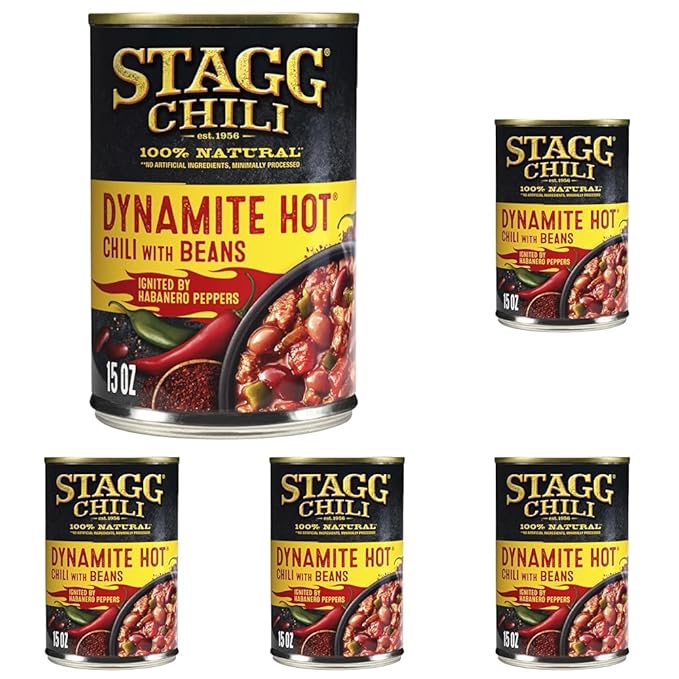
Protein-rich and meal-ready—just heat and serve. Stagg Classic Chili Con Carne hits the spot in flavor and convenience.
Beans
Canned black beans are nutrition-packed and versatile—great with rice, salads, or in chili.
Fruits & Vegetables
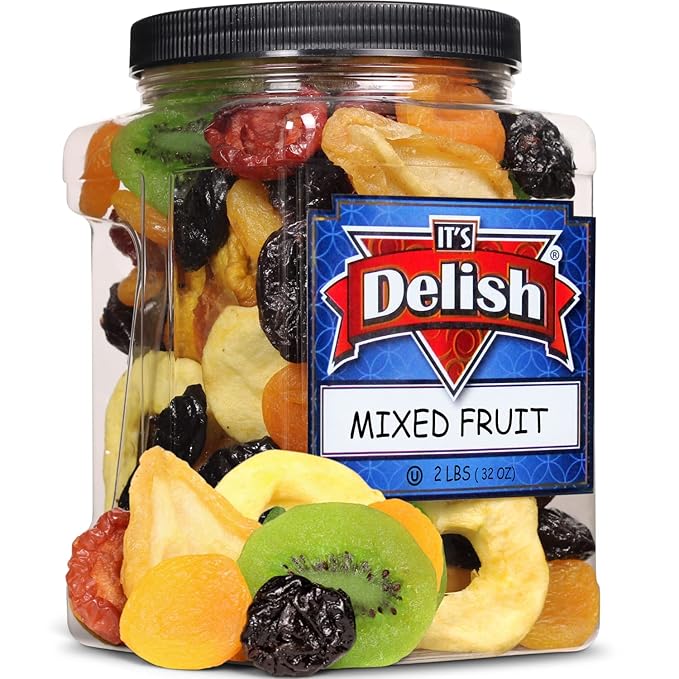
Dried fruit keeps the kitchen vibrant even when fresh produce isn’t available. The Assorted Dried Amazon Fruit Box is great for snacks or oatmeal boosters.
Stock up on:
They offer a long shelf life and variety in meals.



Comfort Foods That Boost Morale
Chocolate, instant coffee, hard candies, pancake mix—these aren’t luxuries. In a crisis, morale matters.
Storage Tips to Extend Shelf Life
Even the best food won’t help if it spoils in your closet.
Ideal Storage Conditions
- Cool (50–70°F)
- Dark (UV light breaks down nutrients)
- Dry (moisture = mold and rot)
Avoiding Common Storage Mistakes
- Don’t store food in garages or attics (temperature swings are deadly)
- Avoid clear containers unless kept in darkness
- Rotate frequently—first in, first out
DIY vs. Pre-Made Emergency Food Kits
Should you build your own or buy it in a box?
Benefits of DIY Food Storage
- Cheaper
- Customizable
- Allows for dietary preferences
But it takes time, planning, and space.
Pros and Cons of Pre-Packaged Kits
Pros: Convenience, long shelf life, minimal prep
Cons: Expensive, often high in sodium, limited variety
Hybrid strategy: use kits to supplement your DIY stash.
Best Foods to Include in Your 3-Month Emergency Food Plan
You want variety, nutrition, and energy in every bite.
Grains, Legumes, and Proteins
- Rice
- Quinoa
- Lentils
- Black beans
- Peanut butter
- Powdered eggs
- Canned meat
Fruits, Vegetables, and Vitamins
- Canned peaches, pineapple
- Dehydrated carrots, peas, and corn
- Vitamin C tablets or multivitamins
Fruits and vegetables are often easy to overlook, but they are essential for preventing nutrient deficiencies.
Oils, Sweeteners, and Cooking Basics
- Olive oil
- Coconut oil
- Sugar, honey
- Salt, baking soda
- Spices and bouillon cubes
These are the flavor-makers. They make bland food bearable.
Rotation Strategies to Prevent Waste
Use the FIFO method (First-In, First-Out). Mark every item with a purchase date.
Set a calendar reminder to rotate food every 6–12 months, especially canned and boxed items.
Water: The Most Forgotten Necessity
You can survive 3 weeks without food—but just 3 days without water.
How Much Water Do You Need
Aim for 1 gallon of water per person per day (for drinking, cooking, and sanitation). For a 3-month supply, that’s:
90 gallons per person minimum.
Water Storage and Filtration Tips
Store in BPA-free containers in a cool place. Invest in:
- Berkey filter
- Lifestraw
- Water purification tablets
When in doubt, filter it out.
Budgeting Your Emergency Food Plan
You don’t need to go broke prepping. Planning is everything.
Smart Shopping Tips
- Shop sales
- Use coupons
- Buy store brands
- Join warehouse clubs
Saving Money With Bulk Buys
Buy:
- 25-lb bags of rice
- Bulk beans and oats
- Case packs of canned goods
Then repackage using Mylar bags and oxygen absorbers.
Cooking Without Power: What You’ll Need
Power might not always be available. Be ready to cook off-grid.
Off-Grid Cooking Tools
- Butane stove
- Rocket stove
- Solar oven
- Fire pit grill
Don’t forget fuel and matches!
No-Cook Meal Options
Keep options that don’t need heating:
- Granola
- Trail mix
- Jerky
- Meal replacement shakes
These are lifesavers when time or conditions don’t allow cooking.
Sample 1-Week Menu to Get You Started
Here’s a basic rotation-friendly weekly plan:
Day 1: Oatmeal, Tuna & Crackers, Pasta & Veggie Sauce
Day 2: Granola, Lentil Soup, Canned Chili
Day 3: Pancakes, Peanut Butter Sandwiches, Rice & Beans
Day 4: Cereal, Ramen, Chicken Stew
Day 5: Protein Shake, Pasta Salad, Beef Chili
Day 6: Grits, Mac & Cheese, Stir-fried Rice
Day 7: Instant Eggs, Jerky & Nuts, Soup & Crackers
Repeat with variations!
Mistakes to Avoid With a 3-Month Emergency Food Plan
- Only storing carbs—no protein or fat
- Not storing enough water
- Forgetting a manual can opener
- Ignoring dietary needs
- Failing to rotate stock
- Buying what you won’t eat
Final Thoughts: Peace of Mind Through Preparation
The best time to build your 3-month emergency food plan was yesterday. The second-best time? Right now.
Whether disaster strikes or inflation spikes, you’ll sleep better knowing your pantry is prepped, your meals are covered, and your family is protected.
Don’t just survive—thrive in the face of uncertainty.
FAQs – 3-Month Emergency Food Plan
1. How do I keep pests out of my emergency food supply?
Rodents, insects, and even pantry moths can destroy months of hard work. Use airtight containers, Mylar bags with oxygen absorbers, and store food off the floor. Regularly inspect for signs of infestation and rotate stock to avoid long-term, unnoticed problems.
2. Can I store frozen food as part of my 3-month emergency plan?
Yes, but only if you have a backup power source. Without electricity, frozen food begins to spoil within 24–48 hours. Consider generators, solar freezers, or insulating blankets to extend freezer life during outages. Otherwise, prioritize shelf-stable foods.
3. How do I plan for people with food allergies in an emergency?
If a family member is allergic to common staples like wheat, peanuts, or dairy, your storage must be tailored. Keep a separate labeled bin for allergy-safe foods, and avoid cross-contamination when repackaging bulk items.
4. What’s the best way to test if my emergency meals are enjoyable?
Don’t wait for a crisis to find out you hate your stockpile. Schedule “test weeks” where you cook entirely from your emergency pantry. This helps you identify missing spices, prep difficulties, or foods your family won’t eat.
5. How do I handle cooking odors that might attract unwanted attention?
In certain emergencies, cooking smells can attract pests—or people. Opt for low-odor meals like cold oats, peanut butter wraps, or canned stews that can be heated minimally. If cooking outdoors, use a windscreen and cook during daylight to reduce visibility.
Other Useful Resources Related To 3-Month Emergency Food Plan
FEMA – Food and Water in an Emergency
A government-issued PDF guide covering safe storage times, rotation schedules, and recommended emergency food and water supplies.
FoodSafety.gov – Food Safety in a Disaster or Emergency
Practical advice on keeping food safe before, during, and after an emergency, including what to keep, where to store it, and how to avoid contamination.
Mira Safety – The Ultimate Guide to Long-Term Food Storage for Emergencies
An in-depth resource covering advanced storage techniques, oxygen absorbers, moisture control, and building a balanced long-term diet.
Oregon State University Extension – Food Storage for Emergencies
A beginner-friendly guide on starting your emergency food supply, budgeting tips, and selecting family-friendly foods.
SafeWise – Step-by-Step Emergency Food Planning
A straightforward step-by-step approach to customizing an emergency food plan for your family’s needs and local risks.