
Some of the links in this post are affiliate links. As an Amazon Associate, we earn a referral fee from qualifying purchases—at no extra cost to you.
Table of Contents
Getting Started with Prepping Doesn’t Have to Be Overwhelming
You don’t have to live in the woods or be a survival expert to be a prepper. The idea of a beginner prepper checklist is simple: make sure you and your loved ones have what you need in an emergency. This article is your personal roadmap to go from “not prepared at all” to “ready for almost anything.” Whether it’s a power outage, job loss, or natural disaster—this guide’s got you covered.
What is a Beginner Prepper Checklist?
A beginner prepper checklist is a simple, step-by-step list of essentials every new prepper should gather. It helps you avoid panic, keeps you organized, and makes sure you don’t overlook life-saving basics. Think of it as your emergency starter pack. No bunkers required. Just common sense.
Mindset Matters: Think Like a Prepper
Before you collect your first gallon of water, you need the right mindset. Prepping isn’t about fear—it’s about freedom. The freedom to not rely on others during chaos. The mindset to anticipate rather than react. A beginner prepper checklist helps build confidence. When you’re calm, your odds of thriving—not just surviving—skyrocket.
The Core Pillars of Prepping for Beginners
If you strip prepping down to the bones, it always comes back to six basic needs:
- Water
- Food
- Shelter
- Security
- Medical Supplies
- Communication
Master these and you’re already ahead of most people.
Water: The Absolute Lifesaver
Water is non-negotiable. You need at least one gallon per person per day—two if it’s hot or if you’re active.
Easy Water Storage
- Store bottled water under beds, in closets, or pantries.
- Use food-grade containers like 5-gallon jugs.
Purification Tools
- Keep water filters like the LifeStraw or Sawyer Mini.
- Boiling, bleach drops, or purification tablets also work.
Food: Building Your Emergency Pantry
You don’t need to become a freeze-dried food hoarder. Start simple.
Beginner Food Staples
- Canned beans, tuna, soups
- Rice, oats, and pasta
- Peanut butter, trail mix, crackers
Tips for Small Spaces
- Use over-the-door shelves, under-bed bins, and closet organizers.
- Rotate stock so nothing expires.
Shelter: Stay Safe and Comfortable
Your home is your fortress. Keep it ready.
At-Home Shelter Ideas
- Blackout curtains block light during a crisis.
- Use thermal blankets or foam to insulate rooms in winter.
Bug-In vs. Bug-Out
Most beginners should plan to bug in. It’s safer and easier. Only bug out when staying is dangerous.
Security: Protect What Matters
No need to go full Rambo here.
Simple Safety Upgrades
- Door braces or jammers
- Window locks
- Motion-sensor lights
Self-Defense Tools
- Pepper spray, tactical flashlights
- Personal alarms
- Know your local laws before considering firearms
Medical: First Aid and Beyond
Emergencies often bring injury.
Beginner First Aid Items
- Bandages, gauze, antiseptic
- Tweezers, gloves, scissors
- Thermometer and fever reducers
Extra Medical Needs
- Prescription meds
- Eyeglasses or contacts
- Women’s health products
Communication: Stay Informed, Stay Safe
During power or network outages, information is power.
Basic Tools
- Hand-crank or battery-powered radios
- NOAA weather alerts
- Backup power banks
Family Communication Plan
- Set meeting points and contact rules
- Practice it regularly
The Beginner Bug Out Bag Checklist
When you absolutely must leave…
Key Items for Your BOB
- Change of clothes
- Water filter and bottles
- Snacks and compact meals
- Flashlight and batteries
- Mini first-aid kit
- ID copies and cash
Pack lightweight, moisture-wicking clothing that dries quickly. A multipack like the Fruit of the Loom Men’s Crew T-Shirt is affordable and ideal for layering or backup changes when you’re on the move.

Staying hydrated is your #1 priority. The Sawyer Mini Water Filtration System fits in the palm of your hand and filters up to 100,000 gallons — perfect for purifying water on the go.

Pair it with a rugged Nalgene Tritan Wide Mouth Water Bottle that’s leak-proof and built for survival conditions.

Energy-dense foods are a must. CLIF BARS Energy Bar Variety Pack offers high-calorie snacks with a long shelf life that don’t require prep — ideal for quick grab-and-go fuel.

You need reliable light in blackouts or night evacuations. The GearLight LED Tactical Flashlight 2-Pack is bright, tough, and compact.

Don’t forget extra power — Amazon Basics AA Alkaline Batteries (20-Pack) are long-lasting and affordable.

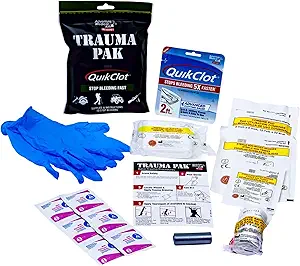
Minor injuries can quickly turn serious without treatment. The Adventure Medical Kits Ultralight/Watertight .5 is small enough to fit in your BOB but includes everything you need for basic wound care in wet or rugged conditions.
Always pack physical copies of your ID, insurance, and emergency contacts, along with some cash. Use the Rite in the Rain Weatherproof Document Holder to keep them safe from water, tears, and dirt.

Home Prepping Checklist for Beginners
Weekly Starter Tasks
- Fill and rotate water jugs
- Add one pantry item per week
- Test flashlights and radios
Room-by-Room Ideas
- Kitchen: food and tools
- Bedroom: blankets and emergency bags
- Bathroom: hygiene and sanitation kits
Vehicle Prepping for Newbies
Your car can save your life.
What to Keep in the Car
- Jumper cables
- Bottled water and granola bars
- Blanket and poncho
- Flashlight and spare charger
Financial Prepping 101
Emergencies often come with bills.
Easy Starter Tips
- Keep $100–$300 in small bills at home
- Start a $5/week emergency savings plan
- Buy barter items: lighters, batteries, meds
Mistakes Beginner Preppers Make (And How to Avoid Them)
- Don’t buy gear you don’t understand
- Avoid storing all food in one spot
- Don’t forget your pets!
Budget-Friendly Prepper Gear for Starters
You don’t need to break the bank.
Smart Starter Gear
- Morakniv Fixed Blade Knife
- Mini Sawyer Water Filter
- 4-in-1 Emergency Radio with Power Bank
Keeping It All Organized
Use a Prepper Binder
- Track inventory
- Add checklists
- Keep copies of important docs
Digital Backup
- Store a USB with emergency plans and PDFs
Staying Sane: Prep Without Panic
It’s easy to spiral. Don’t.
- Prepping is a marathon, not a sprint
- Share the journey with others
- Know that every small step adds up
Conclusion
You made it! You now have a clear, actionable beginner prepper checklist. Start with just one task today—store a gallon of water, grab some canned food, or build out your first-aid kit. You don’t have to do it all at once. The goal is progress, not perfection. You’ve already taken the most important step: starting.
FAQs – Beginner Prepper Checklist
1. What should be my very first prep as a beginner?
Start with water. It’s the most critical resource in any emergency. Store at least one gallon per person per day, and consider a basic water filter like the Sawyer Mini.
2. How do I get family on board with prepping without sounding paranoid?
Talk about realistic situations—like power outages, natural disasters, or job loss. Show them how prepping is just smart planning, not fear-mongering.
3. Is prepping possible in a small apartment?
Absolutely. Use vertical storage, multipurpose gear, and hidden spaces like under beds or behind furniture. Focus more on bugging in than bugging out.
3. Do I need to prepare for every kind of disaster right away?
Nope. Focus on the most likely emergencies in your area first. Once you’ve got the basics, expand slowly into broader scenarios.
5. How often should I check or rotate my supplies?
Every 3 to 6 months is a good rule of thumb. Replace expired food, test your gear, and update anything that no longer fits your needs.
Other Useful Resources Related To the Beginner Prepper Checklist
1. FEMA Emergency Supply List
https://www.ready.gov/kit
A comprehensive guide from FEMA on what to include in your emergency supply kit. It’s a great starting point for building your beginner prepper checklist.
2. American Red Cross: Disaster Preparedness Basics
https://www.redcross.org/get-help/how-to-prepare-for-emergencies.html
Covers the essentials of prepping for natural disasters, including checklists, first aid, and evacuation planning.
3. CDC Emergency Preparedness and Response
https://www.cdc.gov/prepyourhealth
Focuses on health and hygiene in emergencies—perfect for learning about medical supplies and sanitation as a beginner prepper.
4. The Prepared: Beginner’s Guide to Prepping
https://theprepared.com/prepping-basics/guides/quick-start-guide/
One of the most well-researched prepper websites with practical and updated tips tailored for newcomers.
5. REI Emergency Preparedness Checklist
https://www.rei.com/learn/expert-advice/emergency-preparedness-checklist.html
A gear-focused checklist for beginners who want to build their emergency kits with quality outdoor-ready items.