
Some of the links in this post are affiliate links. As an Amazon Associate, we earn a referral fee from qualifying purchases—at no extra cost to you.
If you think prepping is only for people with basements, bunkers, and barns full of food, think again. Building an apartment prepper pantry is not only possible, it’s essential. Whether you live in a high-rise, a studio, or a shared space, you can create a food supply that could save your life during emergencies.
Let’s dive deep into this lifesaving topic and uncover how you can prepare smart, even with limited space.
Table of Contents
Why Every Apartment Dweller Needs a Prepper Pantry
Emergencies don’t care if you live in a penthouse or a basement studio. Apartment dwellers are often at a higher risk of disruption during crises. Whether it’s a natural disaster, political unrest, power grid failure, or a supply chain breakdown, urban areas are especially vulnerable because they rely so heavily on just-in-time logistics and shared resources.
Think about it—how many people in your building rely on the same water source, the same grocery store, the same delivery services? Now imagine those systems failing for even a few days. It doesn’t take much for shelves to go empty and panic to set in. Having a well-stocked apartment prepper pantry allows you to rise above the chaos and care for yourself and your loved ones without relying on outside help.
Prepping isn’t about living in fear—it’s about removing fear through proactive action. It’s the safety net that lets you sleep better at night, knowing you can handle the unexpected with confidence.
Understanding the Apartment Prepper Pantry Concept
When most people hear the word “prepper,” they think of underground bunkers, doomsday preachers, and rooms lined with ammo cans and buckets of food. But prepping today—especially in an apartment setting—looks a lot more practical. The apartment prepper pantry isn’t about hoarding; it’s about smart, strategic stocking of foods and supplies that fit your space, lifestyle, and local risks.
At its core, the concept is simple: build a food reserve that can sustain you during emergencies, especially when regular resources aren’t available. The difference lies in how it’s executed in a small space. That means choosing foods with long shelf lives, optimizing every available inch of storage, and thinking creatively about organization.
This pantry might be hidden under your bed, behind closet doors, or built into everyday furniture. It may not look like much to outsiders, but it’s your personal safety vault—and every can, bag, and bottle is a step toward independence.
Key Challenges of Building a Prepper Pantry in an Apartment
Creating a functional prepper pantry in an apartment isn’t impossible, but it does come with its own set of hurdles. The good news? With a bit of creativity and strategic thinking, every one of these challenges can be turned into an opportunity.
Limited Storage Space
Probably the biggest complaint from apartment dwellers is the obvious one: lack of space. Most apartments don’t have basements, attics, or garages where you can stash 100-pound buckets of rice. But what you do have—vertical space, nooks, crannies, unused corners—can be incredibly useful. You just need to think differently. Don’t look for extra storage. Create it.
Strict Building Rules and Limitations
Some buildings have fire code restrictions, rules against large water storage, or limits on what appliances you can use. These regulations might seem frustrating, but they just mean you’ll need to focus on indoor-safe, non-electric, low-profile solutions. You’re not building a survival fortress—you’re building a stealthy, smart pantry that flies under the radar.
Urban Dependency on Supply Chains
City life is convenient… until it’s not. Urban areas rely heavily on regular deliveries and fragile infrastructure. If the grocery store only has three days’ worth of inventory—and it’s gone in one—you’ll want to be one of the few who already have a plan in place and food at home. You don’t need a year’s supply—just enough to weather the storm.
Best Places to Store Your Apartment Prepper Pantry
You don’t need to move to a rural cabin to start prepping. Even the smallest studio has hidden storage potential—you just need to uncover it.
Utilize Vertical Space
Most people waste their vertical space without realizing it. Think walls, closets, cabinets—all of it can be upgraded with tall shelves, over-the-door racks, or even hanging baskets. Install shelving units that go from floor to ceiling, and use the top shelves for items you don’t need to access often. You’ll be shocked at how much more you can store when you start stacking up instead of out.
Take advantage of vertical space with a 5-Tier Adjustable Storage Shelf. Its slim design fits closets or kitchen corners and holds plenty of food, supplies, or gear without taking up much floor space.

Under the Bed Storage Solutions
That dusty space under your bed? It’s prime real estate for pantry items. Use low-profile storage bins, vacuum-sealed food bags, or even long plastic totes to create a food cache you can access in seconds. If you’re serious, you might even consider raising your bed with risers to fit more underneath.
Make the most of the space under your bed with Sterilite 56 Quart Underbed Storage Box. These clear, low-profile bins slide in easily and let you see what’s inside without pulling everything out — perfect for pantry items, bottled water, or emergency gear.

Behind-the-Door and Closet Pantries
Your pantry doesn’t have to look like a pantry. Add adjustable shelving or hanging organizers to the inside of your closet doors, bedroom doors, or even your bathroom door. These spaces are ideal for lighter items like boxed goods, packets, snacks, or first-aid supplies.
Furniture That Doubles as Storage
Your furniture can work double duty. Ottomans, bed frames with drawers, lift-top coffee tables, and even benches with hidden storage compartments can house weeks of food and supplies without anyone knowing. No one needs to see your prepping stash unless you want them to.
What to Stock in Your Apartment Prepper Pantry
When you’re stocking a prepper pantry in an apartment, every item needs to earn its place. You’re working with limited space, so it’s important to focus on high-calorie, long-lasting, and versatile foods that support your survival and comfort.
Shelf-Stable Proteins
Protein is a core building block of any emergency food supply. In an apartment pantry, canned meats like chicken, tuna, salmon, and even SPAM can provide reliable nutrition and a long shelf life. Don’t overlook other protein sources like beans (canned or dry), lentils, peanut butter, and powdered eggs. If you’re looking to go lightweight, protein powder or meal replacement shakes also pack a punch in a small footprint.
Long-Lasting Carbohydrates
Carbs are your primary fuel source, and luckily, they’re easy to store. Rice, pasta, oats, quinoa, and flour are pantry staples with a long shelf life when kept sealed and dry. Instant mashed potatoes and pancake mix are great options, too. These foods serve as the foundation of meals, allowing you to stretch canned meats and sauces further.
Essential Fats and Oils
Fat is often overlooked in prepping, but it’s crucial for energy and nutrient absorption. Coconut oil and ghee are both shelf-stable and have long expiration dates. Olive oil, stored in a cool, dark space, will last a year or more. Nut butters, like almond or peanut butter, offer both fat and protein in a compact jar—perfect for small-space prepping.
Freeze-Dried and Dehydrated Foods
Freeze-dried meals are a goldmine for apartment preppers. They’re light, compact, and just need hot water to rehydrate. Consider brands that offer complete meal kits, or stock up on individual freeze-dried ingredients like fruit, vegetables, eggs, and meats. If you don’t mind a little DIY, a home dehydrator can also help you preserve your food in compact, storable form.
Freeze-dried meals save space and only need hot water. The Mountain House Classic Bucket has 24 servings, a 30-year shelf life, and is great for quick, no-cook meals in an emergency.

Comfort Foods and Morale Boosters
Let’s be real—survival isn’t just about calories. During a stressful event, your mental well-being matters too. Small luxuries like instant coffee, tea, chocolate, hard candy, or even shelf-stable pudding can lift spirits in a big way. These items take up little room but can offer massive morale boosts when everything feels uncertain.
Water Storage and Purification
Water is often the hardest thing to store in an apartment, but it’s the most essential. Aim for at least one gallon per person per day for a minimum of three days. Store sealed bottles wherever you can—closets, under sinks, even behind furniture. Also, invest in a reliable water filtration method, such as a Berkey filter or a portable LifeStraw, so you’re not relying solely on stored water.
Apartment dwellers should have a backup water filter. The LifeStraw Personal Water Filter is compact, affordable, and can filter up to 1,000 gallons of water — a must-have if tap water becomes unsafe.

How to Organize an Apartment Prepper Pantry for Maximum Efficiency
When space is limited, organization becomes survival. An unorganized prepper pantry leads to forgotten items, expired food, and wasted space. Here’s how to set yours up smartly and keep it running smoothly.
FIFO Method (First In, First Out)
This is the golden rule of pantry management. Always use the oldest food first and put the newest items in the back. That way, nothing gets buried or forgotten. This simple method ensures you constantly rotate your stock and keep everything fresh.
You can apply FIFO easily by labeling cans and boxes with purchase or expiration dates using a marker. When you add new supplies, slide older ones to the front. It’s a small habit that pays off big.
Label Everything Clearly
Whether you’re using storage bins, Mylar bags, or bulk containers, labeling is non-negotiable. Mark what’s inside, the date it was stored, and when it should be used by. For dried goods or items removed from their original packaging, clear labels can save you from confusion later, especially in an emergency when thinking clearly might be harder.
Inventory Tracking Made Easy
A simple spreadsheet, notebook, or dry-erase board can help you track what you have, what you’re running low on, and what you need to rotate out. You don’t need an app or fancy system. Even a basic checklist on your fridge keeps your pantry organized and your shopping more efficient.
Apartment Prepper Pantry Storage Hacks That Work
Small spaces require big creativity. These storage hacks can help you squeeze more into less space without sacrificing function or convenience.
Vacuum Sealing for Space-Saving and Freshness
Vacuum sealing is a powerful way to reduce food volume and extend shelf life. Rice, beans, pasta, flour, and even meats can be vacuum sealed to take up less space and avoid spoilage. Stack sealed bags in bins or boxes, and you’ve got compact food bricks that store neatly under beds or in closets.
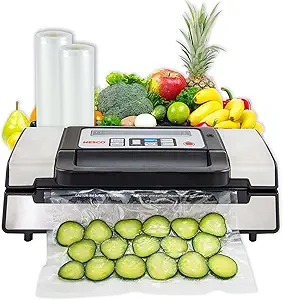
Vacuum sealing can save a ton of space and keep food fresh much longer. A great option is the Nesco Deluxe Food VS-12 Vacuum Sealer — it’s compact, easy to use, and perfect for sealing rice, beans, and dry goods into neat, stackable bricks for under-bed or closet storage.
Using Stackable Bins and Clear Containers
Stackable bins are a prepper’s best friend in tight quarters. They allow vertical stacking, which maximizes shelf space or floor areas. Choose clear containers so you can see exactly what’s inside without digging. Uniform shapes also make your pantry easier to manage and visually cleaner.
For an organized, easy-to-see pantry, try OXO Good Grips POP Containers. These airtight, stackable containers keep dry goods fresh and let you instantly check your stock levels.

Door Organizers and Hanging Racks
The backs of doors are often ignored goldmines. Over-the-door organizers can hold dozens of small items—spices, canned goods, snacks, or hygiene products. Closet rod hangers and hooks can also be repurposed to store gear like flashlights, water filters, or bug-out bags. You’re not just using space—you’re layering function into your living area.
How to Rotate Stock and Keep It Fresh
Keeping food fresh isn’t just about expiration dates—it’s about regular attention. Rotate your pantry every few months. Set a recurring reminder on your calendar to check dates and update your inventory.
Make it a habit to cook from your pantry regularly. Use canned vegetables, pasta, and dry beans in everyday meals so you’re constantly rotating stock. Not only does this keep your food fresh, but it also helps you and your family get used to eating from your emergency stores—no surprises when it counts.
If you notice something getting close to expiration and you won’t use it, donate it to a local food bank. This keeps your pantry current and helps your community.
Long-term dry storage is easy with PackFreshUSA Mylar Bags with Oxygen Absorbers. Perfect for rice, beans, or pasta — they keep food fresh for years and are easy to label and store flat.

Budget-Friendly Tips for Building Your Pantry
You don’t need to spend a fortune to prep smart. You can build a solid pantry over time without stressing your wallet.
- Buy in stages: Add one or two extra pantry items every time you shop. That’s all it takes.
- Shop store brands and bulk: Generic products are often just as good as name brands, and much cheaper.
- Watch for sales: When your go-to items are on sale, stock up a little more. Use coupons and loyalty rewards when possible.
- Start with core staples: Rice, beans, pasta, salt, sugar, oats, canned veggies—these are cheap and long-lasting. Begin here and expand later.
Think of your pantry like a savings account. Small deposits over time add up to big security when it matters most.
Mistakes to Avoid When Building an Apartment Prepper Pantry
Avoiding common mistakes can save you time, money, and frustration.
- Stocking food you don’t eat: It’s tempting to grab every survival food you see online, but if you never eat lentils now, why would you during a crisis? Stick to foods you already know how to cook and enjoy.
- Ignoring water needs: Water is heavy and bulky, but essential. Don’t just focus on food. Prioritize storing and filtering water.
- Overfilling one space: Don’t load up one cabinet with 300 cans. Distribute your storage throughout your home so it’s easier to access and more discreet.
- Forgetting tools: Canned food is useless without a can opener. Make sure your pantry includes non-electric kitchen tools and essentials.
Building a Pantry for Different Emergencies
No two emergencies are the same, so your pantry should be flexible enough to adapt.
Power Outages
Focus on foods that don’t need refrigeration or cooking. Think canned meals, shelf-stable snacks, crackers, and ready-to-eat protein. Include battery-operated lighting, a manual can opener, and extra drinking water.
Light is just as important as food. The Vont 2-Pack LED Camping Lantern is small, super bright, and runs on AA batteries. Perfect for blackouts without taking up much storage space.

Quarantines and Lockdowns
During long quarantines, variety matters. A stash of nutrient-dense, easy-to-make meals is essential—but so is comfort food. Include multi-use ingredients and spices to keep meals from becoming bland or repetitive.
Natural Disasters in Urban Areas
In cities, events like earthquakes, floods, or typhoons can disrupt access to stores or force evacuation. Prepare a grab-and-go food kit that includes lightweight, high-calorie items like energy bars, freeze-dried meals, and compact utensils.
Adding Non-Food Essentials to Your Pantry Space
A good prepper pantry goes beyond food. You should also store:
- Water filters or purification tablets
- Manual can openers
- Flashlights and spare batteries
- First aid kit
- Trash bags and zip ties
- Sanitation items like wet wipes and soap
- Emergency radio (battery or solar-powered)
These items don’t need to take up much room, but they’re critical during an emergency.
Don’t forget an emergency radio. The FosPower Emergency Weather Radio is a solid choice with solar, crank, and battery power options. It doubles as a flashlight and power bank, so you can stay informed and keep devices charged even during a blackout.

Don’t forget a manual can opener — electric ones are useless during a blackout. The Comfort Grip Can Opener is sturdy, reliable, and built to last.

Keep your backup power supplies neat with the Battery Daddy Storage Case with Tester. Holds over 180 batteries and includes a tester so you’re never guessing which ones still work.

Stay informed during outages with the FosPower Emergency Weather Radio. Solar, hand-crank, and USB power options mean it’s always ready — plus it doubles as a flashlight and power bank.
For quick energy, stock CLIF Energy Bars. They take up almost no space, have a long shelf life, and are perfect for grab-and-go nutrition during emergencies.

Creating a Discreet and Low-Profile Prepper Pantry
Not everyone needs to know you’re prepping. In apartments, especially, you may want to stay under the radar to avoid unwanted attention during emergencies.
Use opaque storage bins and label them with generic tags like “Seasonal Decor” or “Cleaning Supplies.” Store items in closets, behind furniture, or under beds. Keep your main pantry tidy and limit visibility from guests. Privacy isn’t about being paranoid—it’s about staying smart and secure.
How to Involve Roommates or Family Members
Prepping works best when everyone’s on board. If you live with others, explain the importance of having supplies and invite them to participate. Assign roles like inventory tracking, grocery contributions, or storage setup. Even minimal buy-in from others makes the process smoother and more sustainable.
If someone’s skeptical, start small. Share a real-world story or show how prepping actually saves money and time, especially when you can skip a grocery run during a storm or illness.
Final Thoughts on Starting Your Apartment Prepper Pantry
You don’t need a doomsday bunker or a rural farm to prepare wisely. Even in the smallest apartment, you can build a prepper pantry that gives you confidence, peace of mind, and real security when things go sideways.
Start with what you have, use the space creatively, and build your pantry one step at a time. You’ll be amazed how quickly it grows—and how empowered you feel knowing you’re ready for whatever life throws your way.
FAQs – Apartment Prepper Pantry
1. How can I store food in an apartment without attracting pests?
Keep all dry goods in airtight containers made of glass, heavy-duty plastic, or metal to prevent infestations. Regularly clean storage areas, avoid storing food directly on the floor, and use natural deterrents like bay leaves to discourage insects.
2. What’s the best way to keep a prepper pantry cool in an apartment without climate control?
Choose the coolest, darkest parts of your home—like closets or interior walls—and avoid placing food near appliances that produce heat. If possible, use blackout curtains to reduce room temperature in summer.
3. Can I build an apartment prepper pantry if my lease prohibits major modifications?
Absolutely. Use freestanding shelving units, under-bed containers, and portable racks that don’t require drilling or permanent changes. These keep you within lease rules while maximizing storage.
4. How do I handle apartment pantry storage if I plan to move soon?
Opt for portable storage bins and stackable totes so you can transport your entire pantry easily. Keep an updated inventory so you know exactly what’s worth moving and what should be donated or used up before your move.
5. What’s the safest way to store water in an apartment with limited space?
Use compact stackable water containers or collapsible water bags that can be filled when a crisis is imminent. Store them in closets, under beds, or behind furniture, and pair them with a small portable water filter for backup.
Other Useful Resources Related To Apartment Prepper Pantry
- Emergency Preparedness Ideas for Small-Space Preppers
Offers practical strategies for storing emergency food and supplies in tight spaces, emphasizing vertical storage, modular solutions, and smart food choices like lightweight freeze-dried meals. - 16 Food Storage Tips for the Space-Challenged Prepper
A treasure trove of creative storage spots – from under-stairs and behind bookshelves to luggage and bathtubs. Packed with visualizable tips that go beyond the usual under-bed and closet ideas. - How to Prep With Limited Space
Focuses on prioritizing what, why, and how to prep in limited-space environments. Includes smart use of vertical volume, multipurpose furniture, and compact water options, adding depth to the planning and storage mindset. - 7 Ways to Become an Apartment Prepper
Straightforward tips including calorie planning (≈2,000 calories/day), smart water storage (cool, dark places), and collapsible water containers—adding a practical and space-aware prepping checklist. - Emergency Food Storage, Short-Term Food Storage
Offers a research-backed list of non-perishables, essentials (like can openers and cooking tools), and tips for extending freezer life during power outages.