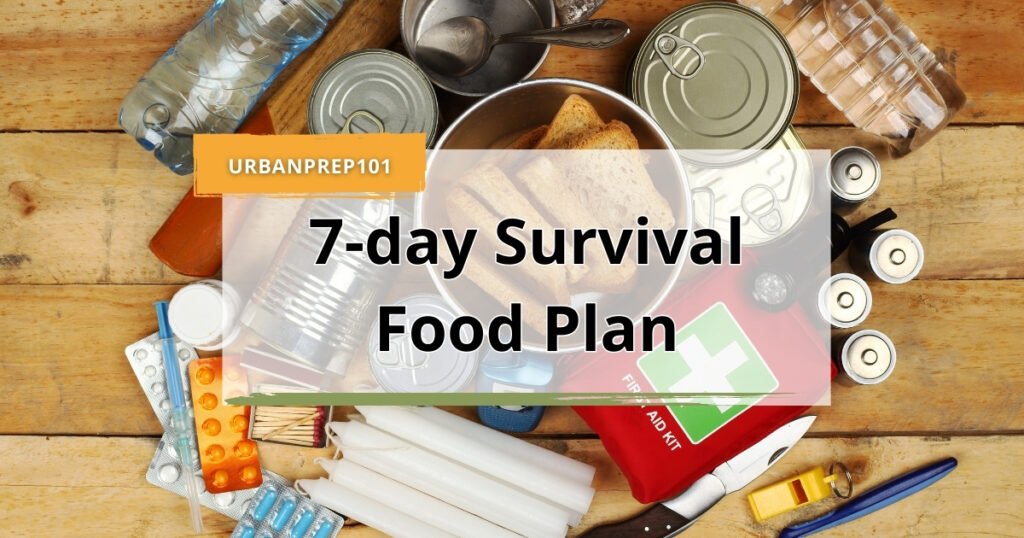
When disaster strikes, food security becomes one of your top priorities. A 7-day survival food plan ensures you and your loved ones have enough to eat without relying on last-minute grocery runs or uncertain aid deliveries. Whether you’re facing a hurricane, earthquake, extended blackout, or economic disruption, having a well-thought-out plan can mean the difference between staying calm and going hungry. This guide walks you step-by-step through building, storing, and using a week’s worth of emergency meals that are nutritious, affordable, and easy to prepare—even when resources are limited.
Table of Contents
Why a 7-Day Survival Food Plan is Essential for Any Emergency
When Disasters Strike Without Warning
Emergencies often hit without giving you time to prepare. Store shelves can be emptied in hours, leaving many people scrambling for anything edible. A 7-day survival food plan shields you from this chaos by ensuring you already have everything you need at home. Instead of competing with crowds, you can focus on safety and adapting to the situation.
How Having a Plan Reduces Panic and Stress
In high-pressure situations, making decisions becomes harder. Having a 7-day survival food plan in place removes the guesswork from meal preparation, letting you act with confidence. You won’t need to wonder what’s for dinner or whether you have enough supplies. This reduces stress, conserves energy, and helps keep morale up during challenging times.
Real-Life Scenarios Where a Food Plan Saves Lives
From the Texas winter storm of 2021 to global supply chain shortages, countless events have left families without access to stores. Those with a 7-day survival food plan didn’t just survive—they stayed nourished, avoided risky trips, and maintained a sense of routine. In many cases, having those supplies ready made the difference between safety and serious hardship.
Core Principles of a 7-Day Survival Food Plan
Shelf Life and Long-Term Storage
Your food choices should have a long shelf life and require minimal storage maintenance. Canned goods, dried grains, and freeze-dried meals can last months or even years when stored properly. For your 7-day survival food plan, aim for products with at least a one-year expiration date. Store them in cool, dry places to extend their life.
The ReadyWise Emergency Food Supply provides a full week of calorie-dense, ready-to-eat meals designed specifically for survival situations.

Calorie Requirements for Survival
During emergencies, you may be more active than usual—moving supplies, repairing damage, or walking long distances. Adults typically need between 2,000 and 2,500 calories a day in such conditions. Your 7-day survival food plan should meet these needs without running short before the week is over. Underestimating calories can lead to exhaustion and poor decision-making.
Balancing Nutrition in an Emergency
A survival plan isn’t just about calories—it’s about balanced nutrition. You’ll need a mix of protein, carbs, fats, vitamins, and minerals to keep your body functioning well. In your 7-day survival food plan, combine calorie-dense staples with nutrient-rich items like beans, lentils, nuts, canned vegetables, and fortified cereals.
Choosing the Right Foods for Your 7-Day Survival Food Plan
Non-Perishable Pantry Staples
Items like rice, pasta, canned soups, and powdered milk form the backbone of any 7-day survival food plan. These foods last for months, are easy to store, and can be used in multiple recipes. Having a variety prevents menu fatigue and ensures you have options even if cooking methods are limited.
High-Protein Survival Foods
Protein helps maintain energy and supports muscle recovery—essential in a crisis. Include canned tuna, chicken, beans, peanut butter, and protein bars in your 7-day survival food plan. They’re compact, filling, and require little or no preparation.
The Kirkland Signature Peanut Butter is calorie-rich, protein-packed, and shelf-stable—ideal for fueling high-energy days in an emergency.

Lightweight and Portable Options
If you need to evacuate, portability matters. Freeze-dried meals, instant oatmeal packets, and trail mix are light yet filling. Including these in your 7-day survival food plan ensures you have ready-to-eat meals that won’t slow you down if you have to move quickly.
The Mountain House Freeze-Dried Meal Pouches are lightweight, quick to prepare with hot water, and perfect for evacuation or no-power cooking.

Day-by-Day Breakdown: Your 7-Day Survival Food Plan
Day 1: Fresh to Start Strong
Start with perishable items like fresh bread, milk, and fruit before they spoil. This eases you into your 7-day survival food plan while preserving your long-term supplies. Use fresh protein sources like eggs or pre-cooked meat if safe to do so. Doing this helps prevent waste and keeps morale high early on.
Day 2: Shifting to Long-Lasting Foods
Transition to canned and packaged goods such as canned soup, rice, and shelf-stable milk. Your 7-day survival food plan should adapt as fresh items run out, focusing now on foods that can last the rest of the week. Keep meals simple but filling to maintain energy.
Day 3: Boosting Morale with Comfort Foods
By now, the situation may feel mentally draining. Include small morale boosters like chocolate, cookies, or flavored drink mixes in your 7-day survival food plan. These little treats can lift spirits and help everyone push through the week.
Day 4: Energy-Heavy Meals for Hard Work
If your emergency involves physical labor, make Day 4 calorie-rich. Your 7-day survival food plan could feature peanut butter sandwiches, pasta with canned meat sauce, or hearty stews. These meals keep you fueled for demanding tasks.
Day 5: Minimal Cooking for Low Energy Days
Emergencies can wear you out, and you might not feel like cooking. Include ready-to-eat items in your 7-day survival food plan, like protein bars, canned chili, or instant noodles. Quick meals conserve both your time and energy.
Day 6: Mixing Shelf-Stable and Fresh Finds
If you’ve been able to forage, garden, or safely source fresh food, Day 6 is a good time to mix it in. Your 7-day survival food plan could combine canned tuna with fresh greens or rice with garden vegetables. This keeps meals interesting and nutrient-rich.
Day 7: Stretching the Last of Your Supplies
The final day is about using up what’s left wisely. Combine smaller portions into soups, stews, or stir-fries to make them go further. Your 7-day survival food plan should ensure you still have enough for three balanced meals without running empty before the week ends.
Water Planning for a 7-Day Survival Food Plan
Daily Water Needs
Humans can survive weeks without food but only days without water. Your 7-day survival food plan should include at least one gallon of water per person per day. This covers drinking, cooking, and minimal hygiene.
The WaterBrick Stackable Water Containers are BPA-free, durable, and designed for both home storage and evacuation readiness.

Safe Storage and Purification Methods
Store water in BPA-free containers away from direct sunlight. If supply is uncertain, include purification tablets, portable filters, or a boiling method in your 7-day survival food plan. This ensures you have safe water regardless of the source.
The LifeStraw Personal Water Filter provides safe drinking water instantly from almost any source, making it an essential backup.

Smart Storage Strategies for Your 7-Day Survival Food Plan
Rotating Supplies for Freshness
Use the “first in, first out” method so older items are used before they expire. This keeps your 7-day survival food plan stocked with fresh supplies year-round. Regular rotation prevents waste and unexpected shortages.
Using Airtight Containers and Mylar Bags
Airtight containers protect dry goods from pests and moisture, extending their shelf life. Mylar bags with oxygen absorbers can preserve grains, beans, and pasta for years. These are must-haves for any 7-day survival food plan.
The Mylar Bags with Oxygen Absorbers help preserve rice, beans, and pasta for years, ensuring your supplies stay fresh.

Labeling and Inventory Tracking
Clearly label items with purchase and expiration dates. Keep an updated list of your 7-day survival food plan inventory so you know exactly what’s on hand. This makes restocking quicker and easier.
Cooking and Food Preparation in a Crisis
No-Power Cooking Options
Include a camping stove, rocket stove, or solar oven in your supplies. These let you prepare your 7-day survival food plan even during blackouts. Having more than one method gives you flexibility.
The Coleman Portable Butane Stove offers reliable, compact cooking power when gas and electricity are unavailable.

Fuel Storage and Safety
Stock enough propane, butane, or wood for at least a week of cooking. Store fuels in a safe, ventilated area away from living spaces. Your 7-day survival food plan should always account for safe fuel handling.
Minimal Equipment Survival Cooking
Choose recipes that require few utensils and one-pot cooking. This makes preparing your 7-day survival food plan faster and reduces cleanup. In emergencies, simplicity is key.
Budget-Friendly Tips for Building a 7-Day Survival Food Plan
Buying in Bulk
Purchasing large quantities of rice, beans, and pasta saves money over time. This approach also ensures your 7-day survival food plan stays fully stocked without frequent shopping trips.
The Mahatma Extra-Long-Grain Rice is affordable, versatile, and easy to store, making it a cornerstone of any survival pantry.

Seasonal Sales and Discounts
Watch for sales on canned goods, dried foods, and emergency supplies. Buying during seasonal clearances can cut costs significantly. Over time, this keeps your 7-day survival food plan affordable.
DIY Dehydrating and Preserving
Invest in a dehydrator to make your dried fruits, vegetables, and jerky. Homemade options often taste better and cost less than store-bought. Plus, you can customize your 7-day survival food plan to your preferences.
Mistakes to Avoid When Creating a 7-Day Survival Food Plan
Relying Too Much on One Type of Food
Variety is crucial. A 7-day survival food plan that’s too repetitive can lead to food fatigue and nutrient gaps. Mix different textures, flavors, and nutrients.
Forgetting Dietary Needs and Allergies
If someone in your household has allergies or special dietary needs, plan for them in advance. An overlooked allergy in your 7-day survival food plan could become dangerous during a crisis.
Not Testing Foods Before an Emergency
Always try new survival foods before adding them to your 7-day survival food plan. This ensures they’re both edible and enjoyable under stressful conditions.
How to Adapt Your 7-Day Survival Food Plan for Families
Adjusting for Children’s Needs
Kids require fewer calories but may need more frequent snacks. Include kid-friendly, nutrient-rich options in your 7-day survival food plan, like fruit cups, crackers, and powdered milk.
Meal Planning for Elderly Family Members
Older adults may need softer foods or specific nutrients. Stock easy-to-chew and high-calcium items in your 7-day survival food plan to meet these needs.
Including Pets in Your Plan
Don’t forget your animals. Store enough pet food and water alongside your 7-day survival food plan to keep your furry family members safe.
Printable and Ready-to-Use 7-Day Survival Food Plan Template
A printed version of your 7-day survival food plan makes it easy to follow during stressful times. Post it in your kitchen so everyone knows the daily meal schedule. This reduces confusion and ensures supplies are used correctly.
Conclusion: Your 7-Day Survival Food Plan is Your Lifeline
A 7-day survival food plan isn’t just a collection of meals—it’s a security blanket for you and your family. It removes uncertainty, preserves your health, and gives you control in unpredictable situations. Start small, build your supplies steadily, and review your plan regularly. When the next emergency comes, you’ll be ready—not just to survive, but to stay strong.
FAQs
1. How much space do I need to store a 7-day survival food plan in a small apartment?
You don’t need a large pantry to build an effective 7-day survival food plan. With smart organization, a full week of food for one person can fit in a single storage bin or under-bed container. Using stackable containers, vacuum-sealed bags, and vertical shelving allows even studio apartments to store sufficient supplies. The key is choosing compact, calorie-dense foods rather than bulky packaging.
2. Should I include vitamins or supplements in my 7-day survival food plan?
While short-term emergencies usually don’t cause vitamin deficiencies, adding a basic multivitamin can help maintain energy and immune function if your food variety is limited. This is especially useful for children, elderly family members, or people with restricted diets. Supplements take up almost no space and add an extra nutritional safety layer.
3. How do I handle food waste during a 7-day survival situation?
Trash buildup can attract pests and create sanitation problems during emergencies. Your survival food plan should include heavy-duty trash bags, a designated waste container, and a system for separating food scraps. If safe outdoor disposal isn’t possible, sealing waste tightly prevents odors and contamination.
4. What’s the best way to practice using my 7-day survival food plan before an emergency?
Running a “practice week” once or twice a year helps identify weak points in your plan. Try cooking only from your survival supplies for several days. You’ll discover missing ingredients, disliked foods, or cooking challenges before a real crisis happens — when mistakes are far less forgiving.
5. Can a 7-day survival food plan work for people with medical dietary restrictions?
Yes — but it requires careful customization. Diabetic, low-sodium, gluten-free, or renal-friendly food plans need alternative staples and precise portion planning. Prepping specialty shelf-stable foods ahead of time ensures medical conditions remain manageable even if pharmacies or fresh food sources are unavailable.
Other Useful Resources Related To 7-day Survival Food Plan
- TruePrepper – Survival Food List & Stockpile Checklist
Comprehensive survival food list with strategies and a printable stockpile checklist. - Oregon State University Extension – Food Storage for Emergencies
Practical guidance on emergency food storage basics and food safety for disaster situations. - Battlbox – Emergency Preparedness Guide for Survival Food
Detailed breakdown of survival food categories and what to include in your emergency food supply. - PDF Resource – Cornell Preparedness & Resiliency Cookbook
Emergency cookbook with pantry lists, 7-day menus, and simple recipes tailored for preparedness. - 7-Day Disaster Meal Planning PDF
A downloadable 7-day emergency meal plan with grocery list and meal ideas for disaster scenarios.