
In today’s unpredictable world, urban emergencies can strike without warning. From natural disasters to man-made crises, having a 72-hour kit urban ready can make the difference between chaos and calm. Imagine being prepared with everything you need to survive for three full days in the city—food, water, shelter, medical supplies, and tools—all in one compact, easy-to-carry bag. Let’s explore how to build a kit that ensures your safety and peace of mind.
Table of Contents
Why Every City Dweller Needs a 72-Hour Kit
Urban Risks That Make a 72-Hour Kit Essential
Cities are bustling with people, vehicles, and infrastructure, which means emergencies can escalate fast. Power outages, floods, fires, and transportation shutdowns are just a few risks city dwellers face. A 72-hour kit ensures that you aren’t dependent on outside help when these events strike. It’s not just about survival; it’s about maintaining dignity and control during chaos.
Common Misconceptions About Urban Preparedness
Many assume prepping is only for rural adventurers or doomsday scenarios. The truth is, urban emergencies are just as likely, and without a kit, you might be left stranded. Prepping doesn’t require a bunker or mountains of supplies—it requires smart planning, the right gear, and knowing how to use it efficiently.
Understanding the Basics of a 72-Hour Kit
What Is a 72-Hour Kit?
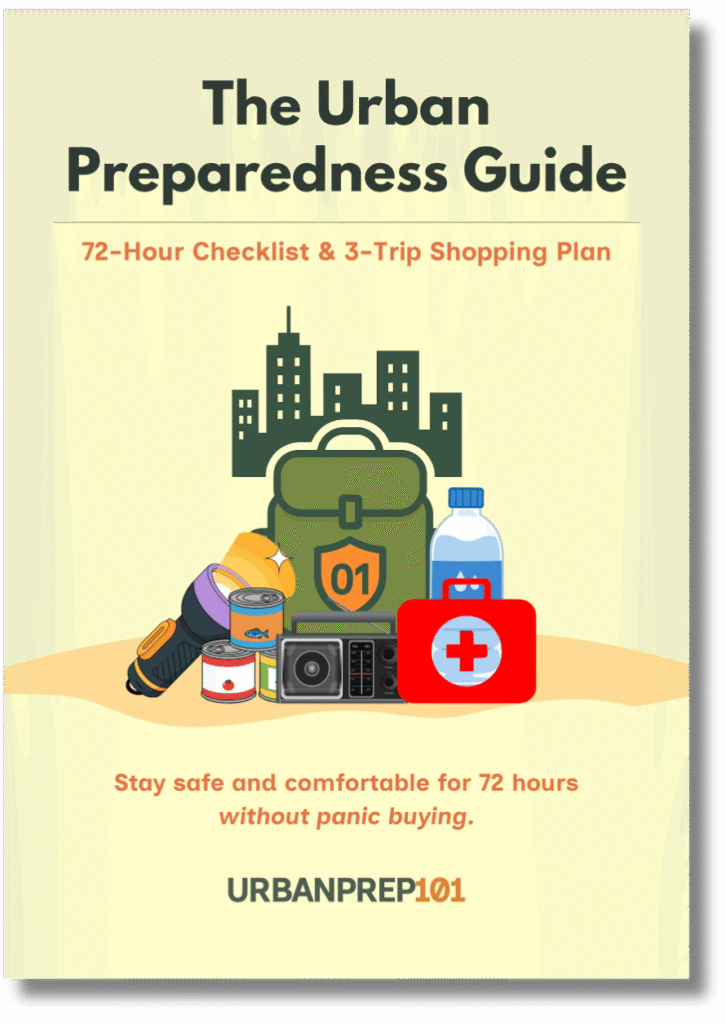
A 72-hour kit is a portable collection of essentials designed to keep you alive and functional for three days during an emergency. It focuses on immediate survival, covering food, water, medical needs, and basic tools. In urban settings, the kit also emphasizes compactness and accessibility, since storage space is limited.
The Difference Between Bug-Out Bags and Urban Kits
Bug-out bags are often designed for wilderness survival and may include heavy-duty gear and long-term food supplies. An urban kit is lighter, more portable, and tailored for city environments—think metro stations, apartment buildings, and crowded streets. It prioritizes mobility and essential survival items over long-term wilderness gear.
How a Well-Prepared Kit Saves Lives
When disaster strikes, the first 72 hours are critical. Emergency services may be overwhelmed, and resources scarce. A prepared kit allows you to stay hydrated, nourished, and safe while making smart decisions. It also reduces panic, giving you mental clarity to handle urban chaos effectively.
Core Components of a 72-Hour Kit Urban
Food and Water Essentials You Must Have
Aim for compact, calorie-dense food like protein bars, dehydrated meals, and canned goods. Water is non-negotiable—pack at least one gallon per person per day. Include a portable water filter or purification tablets to adapt to urban water disruptions. Remember, easy-to-open and non-perishable items make a huge difference when every second counts.
The Augason Farms 72-Hour Emergency Food Supply provides calorie-dense, shelf-stable meals that are lightweight and perfect for any urban survival kit.

First Aid and Medical Supplies for Urban Emergencies
Your kit should have a basic first aid kit, including bandages, antiseptics, pain relievers, and any personal medications. Add gloves, a CPR mask, and a small tourniquet for unexpected injuries. Urban emergencies often involve crowded conditions, so treating minor injuries quickly prevents complications.
The Surviveware Small First Aid Kit includes organized supplies like bandages, antiseptics, and gloves, making it a reliable choice for treating urban injuries.

Shelter, Clothing, and Warmth in a City Setting
A lightweight emergency blanket, poncho, and compact tarp can protect against the elements. Extra socks and a change of clothes can prevent hypothermia or discomfort in wet conditions. Urban shelters may be temporary—think subway stations or parking garages—so portable warmth and rain protection are essential.
The EVERLIT Emergency Mylar Thermal Blankets are lightweight, waterproof, and compact, designed to keep you warm in city emergencies.

Tools and Gear for Practical Urban Survival
Multi-Use Tools and Equipment
A sturdy multi-tool, duct tape, paracord, and a small folding knife are versatile lifesavers. They help with repairs, improvisation, and even self-defense. Urban survival is often about solving unexpected problems quickly, and these tools are your best allies.
The Leatherman Wingman Multitool offers pliers, knives, screwdrivers, and more in a single compact device—perfect for urban problem-solving.

Communication and Navigation Gear for City Emergencies
Keep a battery-powered or hand-crank radio to receive emergency alerts. A fully charged portable battery bank ensures your phone stays functional. Urban maps and a compass may seem old-school, but technology can fail, and knowing your surroundings could save you hours or even days.
Light, Power, and Energy Solutions
Flashlights with extra batteries, headlamps, and glow sticks provide visibility when power is out. Solar chargers and power banks keep essential devices running. In urban survival, light and power aren’t luxuries—they’re tools for safety, navigation, and communication.
The Energizer LED Headlamp provides hands-free lighting with long battery life, essential during blackouts or navigating dark city areas.

Personal Safety and Security in an Urban Environment
Self-Defense Items You Can Legally Carry
Pepper spray, personal alarms, and tactical flashlights enhance personal safety without violating city laws. Urban areas often pose threats from opportunistic crime during emergencies. Carrying legal self-defense tools empowers you to protect yourself without escalating danger.
The Sabre Red Pepper Spray Keychain is compact, legal in most cities, and gives you a non-lethal way to protect yourself.

Staying Safe in Crowded or Dangerous Areas
Situational awareness is key. Avoid panicked crowds, secure safe routes, and know the location of local shelters or hospitals. A 72-hour urban kit isn’t just about supplies—it’s about strategy, clear thinking, and navigating hazards efficiently.
Planning and Organization of Your 72-Hour Kit Urban
Strategically Packing for Easy Access
Organize your kit so essentials are quickly reachable—water, food, and first aid should be on top. Use small pouches or compartments to separate items. A well-organized kit saves precious minutes and reduces stress during emergencies.
Rotating Supplies and Maintaining Freshness
Check expiration dates regularly and replace food and medical items as needed. Rotate water supplies every six months. Regular maintenance ensures your kit is always ready, preventing unpleasant surprises when disaster strikes.
Customizing Your Kit for Family or Solo Use
Adapt your kit based on who will rely on it. Include child-specific items like diapers, snacks, or comfort toys, and for elderly family members, add medications and mobility aids. Personalization ensures your kit meets real-life needs instead of being a generic survival bag.
Budget-Friendly Tips for Urban Preppers
How to Build an Effective Kit Without Breaking the Bank
Shop for sales, buy multipurpose items, and repurpose everyday products. You don’t need high-end survival gear to be prepared—creativity and foresight go a long way. Even dollar-store finds can become valuable emergency tools when packed thoughtfully.
High-Value Low-Cost Gear Every Urban Prepper Needs
Items like LED flashlights, water bottles with built-in filters, and emergency blankets are inexpensive yet highly effective. Focus on the quality-to-price ratio rather than quantity. A smaller, well-chosen kit often outperforms a bulky, expensive one in a real emergency.
The LifeStraw Personal Water Filter is compact, affordable, and ensures you have access to safe drinking water from questionable urban sources.

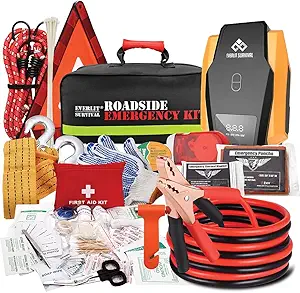
The Everlit Emergency Survival Kit combines first aid, tools, and fire starters at an affordable price, making it a solid entry point for new urban preppers.
Testing Your Kit Before Disaster Strikes
Conducting Practice Drills at Home
Run weekend drills to test packing, mobility, and accessibility. Simulate common urban emergencies like blackouts or transit shutdowns. Practicing helps identify missing items, prevents panic, and builds confidence in your kit’s effectiveness.
Common Mistakes to Avoid When Testing Your Kit
Avoid overloading your bag with unnecessary items, forgetting to rotate perishable supplies, or neglecting training. The best kit isn’t just about gear—it’s about knowing how to use it under pressure. Learn from practice runs to ensure smooth execution in a real scenario.
Adapting Your 72-Hour Kit Urban for Seasonal Changes
Summer vs Winter Gear Adjustments
In summer, prioritize hydration, lightweight clothing, and sun protection. Winter requires insulated layers, hand warmers, and thermal blankets. Seasonal adjustments keep you comfortable and prevent health risks in extreme weather conditions.
Handling Unexpected Weather Events in the City
Urban areas can experience sudden storms, heatwaves, or snowstorms. Include waterproof bags, ponchos, and hats. A 72-hour urban kit that accounts for unpredictable weather enhances survival while maintaining mobility.
Real-Life Scenarios Where a 72-Hour Kit Saves Lives
Natural Disasters in Cities
Earthquakes, floods, and tornadoes can trap city residents without access to essentials. A kit provides water, food, and shelter until help arrives. Being ready can significantly reduce injuries and stress during these events.
Man-Made Emergencies and Blackouts
Terrorism, fires, and power outages disrupt services quickly. Your kit allows you to maintain communication, light, and safety. Urban survival isn’t just physical—it’s about staying calm, informed, and prepared.
Advanced Tips for Urban Prepping Enthusiasts
High-Tech Gear That Enhances Survival
Consider GPS trackers, solar-powered chargers, and water purification devices. Technology can multiply your chances of staying safe and informed. However, always have manual backups—urban emergencies can render devices useless.
Psychological Preparation for Stressful Situations
Survival isn’t just about gear—it’s about mindset. Practice mental resilience techniques like controlled breathing, visualization, and stress management. Staying calm ensures that your 72-hour kit truly serves its purpose.
Common Questions About Urban 72 Hour Kits
How Much Should a 72 Hour Kit Weigh?
Aim for 20–30 pounds maximum, depending on your strength and mobility. The kit should be portable enough to carry across streets, stairs, or public transit. Balance weight with essentials to avoid fatigue during emergencies.
Can You Build One Without a Car?
Absolutely. Urban kits are designed to be carried by hand, on your back, or in a stroller for families. Mobility is a core principle—if you can’t carry it, it defeats the purpose.
How Often Should You Update Your Kit?
Check and replace items at least every six months. Seasonal gear, medications, and batteries need regular attention. An updated kit ensures you won’t face unpleasant surprises during a real emergency.
The Emotional Peace a 72-Hour Kit Brings
Confidence Knowing You Are Prepared
Having a 72-hour kit reduces anxiety about urban emergencies. Knowing you have food, water, shelter, and tools ready instills confidence and peace of mind. Preparation transforms fear into empowerment.
Reducing Anxiety During Urban Emergencies
Emergencies are stressful, but being equipped keeps panic at bay. Mental clarity allows you to make better decisions, keep your loved ones safe, and handle unexpected events efficiently. Your kit is as much a mental safeguard as a physical one.
Conclusion: Your Roadmap to Urban Readiness
A 72-hour kit urban is not just a bag of supplies—it’s a lifeline, a confidence booster, and a practical tool for survival. By carefully selecting essentials, organizing them strategically, and practicing their use, you can face urban emergencies with resilience and peace of mind. Whether it’s a blackout, natural disaster, or man-made crisis, preparation is the difference between chaos and control. Start building your kit today, and take the first step toward true urban readiness.
FAQs
1. Where is the best place to store a 72-hour kit in a small apartment?
In tight urban living spaces, storage matters. The best locations include near your main exit door, under your bed, inside a closet near shoes, or in a hallway cabinet. The key is quick grab-and-go access. Avoid deep storage areas like overhead shelves or locked storage units where retrieval could be delayed during an emergency.
2. Should I keep a separate 72-hour kit at work or school?
Yes. Many urban emergencies happen while people are away from home. A compact secondary kit stored in a desk drawer, locker, or car trunk can bridge the gap until you reach your primary kit. Even a mini version with water, snacks, a phone charger, and a flashlight can make a major difference.
3. How do I protect my 72-hour kit from theft in shared living spaces?
In apartments with roommates or shared buildings, consider using a discreet backpack instead of a tactical-looking bag. Store it out of sight and label it as “sports gear” or “travel bag.” If possible, use a small luggage lock on zippers to discourage tampering.
4. What documents should I include in an urban 72-hour kit?
Waterproof copies of ID, insurance cards, emergency contact lists, medical prescriptions, and some cash are often overlooked. In city evacuations or shelter situations, proof of identity and access to funds can be just as important as food and water.
5. How do I adapt a 72-hour kit if I rely on public transportation?
If you depend on buses or trains, prioritize lightweight gear, compact folding water containers, and shoes suitable for long walking distances. Include printed transit maps and alternate route notes in case digital systems go down. Mobility planning is essential for car-free urban survival.
Other Useful Resources Related To 72-Hour Kit Urban
- Build an Emergency Kit – Ready.gov (FEMA) — Official U.S. government guidance on assembling and maintaining a disaster supplies kit, including checklists and printable resources.
- 72‑Hour Emergency Kit Checklist (University of Texas PDF) — A downloadable checklist to help readers plan and verify their 72-hour kit contents.
- Urban Bug Out Bag List: 23 Survival Items for Urban Preppers (Telson Survival) — Curated gear list tailored for urban preparedness that complements your kit recommendations.
- Urban Preparedness | WHO Strategic Partnership Hub — World Health Organization’s perspective on health emergency readiness in cities, useful for context and planning strategies.
- Survival Kit Supplies by the American Red Cross (via Wikipedia) — Links to American Red Cross resources on survival kits and emergency planning guidance.