
Water is life. Yet, in today’s unpredictable world, clean water is not always guaranteed. From natural disasters to municipal contamination events, knowing how to secure safe water is crucial for your family’s survival and health. In this article, we explore water storage vs filtration, break down their benefits, limitations, and reveal how combining both strategies can give you ultimate peace of mind.
Table of Contents
Why Water Safety Should Be Your Top Priority
Unsafe water can cause serious illnesses, including diarrhea, cholera, and other waterborne diseases. Even seemingly clean tap water may harbor harmful bacteria, chemicals, or microplastics. Preparing in advance isn’t just a survivalist tactic—it’s about protecting your loved ones from preventable health risks. Clean, accessible water provides not only physical safety but emotional peace in uncertain times.
Understanding Water Storage: Basics and Benefits
What Is Water Storage and How Does It Work?
Water storage is simply the process of keeping a reserve supply of water in containers for future use. Common methods include barrels, jugs, tanks, or specialized reservoirs. Stored water can be tapped instantly in emergencies, making it a reliable short-term solution. Proper storage requires attention to container material, cleaning, and rotation to prevent bacterial growth.
Advantages of Storing Water at Home
Storing water ensures you always have a backup supply during disasters or supply shortages. It allows immediate access without relying on external sources. You can choose containers based on household size and anticipated needs. Beyond emergencies, water storage can also help with everyday convenience, such as gardening or cleaning during disruptions.
Common Mistakes in Water Storage
Many people overlook the importance of container quality and sanitation when storing water. Using non-food-grade containers or ignoring rotation schedules can lead to contamination. Failing to protect stored water from sunlight or temperature fluctuations also increases the risk of algae and bacterial growth. Understanding and avoiding these mistakes is essential to keep your water truly safe.
Water Filtration: Cleaning Water for Safe Use
How Water Filtration Differs from Storage
Water filtration is a process that cleans water by removing impurities, pathogens, and chemicals. Unlike storage, filtration requires a source of water to process, so it is not a standalone solution for shortages. Filters vary widely, including mechanical, carbon, ceramic, and UV sterilization. Essentially, filtration prioritizes water safety, whereas storage prioritizes quantity and accessibility.
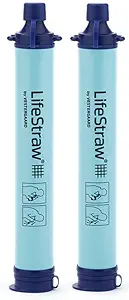
The LifeStraw Peak Series Gravity Water Filter removes bacteria, parasites, and microplastics without electricity, making it ideal for camping, travel, or emergency refills.
Benefits of Water Filtration Systems
Filtration guarantees that the water you drink is safe, even from questionable sources like rivers, lakes, or emergency taps. Modern filters can remove bacteria, viruses, heavy metals, and unpleasant tastes. Portable options make it easy to have clean water anywhere, from camping trips to urban emergencies. Filtration also allows for ongoing water use without hoarding massive quantities.
Limitations of Filtration
Filtration cannot create water—it only cleans what you already have. If your water source dries up, a filter alone won’t help. Filters require regular maintenance and replacements, which can add to costs over time. Additionally, some filtration systems may not remove all chemical contaminants, requiring more advanced methods or combined solutions.
Comparing Water Storage vs Filtration
Accessibility vs Safety: What You Need Most
Stored water is immediately accessible during emergencies, but it can deteriorate if improperly maintained. Filtered water ensures safety, but you need a water source to begin with. Balancing immediate availability with guaranteed safety is key. Understanding which risk matters more to your household determines the best strategy.
Cost Comparison: Budgeting for Water Preparedness
Water storage typically involves one-time purchases of containers and cleaning supplies, making initial costs predictable. Filtration systems can be expensive upfront, especially advanced models, and filters must be replaced periodically. Considering long-term maintenance is crucial when choosing between storage and filtration. Budget-friendly options exist for both, but hybrid strategies often provide the best value.
Emergency Situations: Which Is Better?
In natural disasters or water supply disruptions, storage can provide instant hydration, which is critical during the first hours or days. Filtration is ideal when water sources are uncertain or when stored water runs out. Each method covers different emergency scenarios, making a combined approach the most effective. Being prepared with both ensures no situation leaves you thirsty or unsafe.
Hybrid Solutions: Storage with Filtration
How Combining Storage and Filtration Works
The best water preparedness strategy is often a hybrid: store clean water for immediate use and use portable filters for ongoing supply. For example, pre-fill containers with filtered water, and carry portable filters for refills from lakes or municipal taps. This combination ensures you never run out and always have safe water. It’s a practical solution that addresses both safety and quantity.
The Sawyer MINI Water Filtration System is ultra-portable, attaches directly to bottles or hydration packs, and is perfect for bug-out bags or quick evacuation plans.

Recommended Systems for Home and Travel
Gravity-fed water systems are excellent for home storage, allowing you to filter as you dispense. Pump filters and UV sterilizers provide flexibility for travel or camping. Portable systems like LifeStraw or Sawyer Mini filters offer survival-ready options. Choosing the right system depends on household size, mobility needs, and anticipated scenarios.
DIY Water Storage and Filtration Tips
Safe Containers and Storage Practices
Always use BPA-free, food-grade containers for storing water. Rotate water every six months to prevent stagnation and microbial growth. Keep containers away from sunlight and extreme temperatures. Labeling storage dates and cleaning tanks periodically ensures safe water for the long term.
Budget-Friendly Filtration Solutions
For low-cost filtration, consider DIY charcoal filters or portable pump filters. Simple ceramic or gravity filters can provide clean water at a fraction of high-end system costs. Camping or survival kits often include affordable options that are easy to maintain. Even a small investment in filtration can dramatically improve water safety.
The WaterBrick Stackable Water Storage Containers are durable, BPA-free, and designed to stack neatly, making long-term water storage simple and space-efficient.

Water Quality Testing: Know Before You Drink
Simple At-Home Water Tests
Test strips, pH meters, and bacteria kits allow you to quickly check water safety. They provide immediate insight into chemical contamination or microbial presence. While not as accurate as lab testing, they give practical guidance for household decisions. Regular testing can prevent accidental exposure to unsafe water.
The Safe Home DIY Water Test Kit lets you quickly check for bacteria, heavy metals, and chemical contaminants in your stored or tap water.

Professional Testing Options
Certified labs can detect a full spectrum of contaminants, including heavy metals, chemicals, and viruses. Professional testing is essential if you suspect serious contamination. Results guide proper treatment and filtration choices. Investing in expert analysis is a small cost compared to the potential health risks.
Maintaining Your Water Supply
Cleaning and Sanitizing Stored Water
Water storage is not a set-it-and-forget-it solution. Containers need periodic cleaning and sanitizing to prevent algae and bacterial growth. Adding a small amount of chlorine or using commercial water preserver tablets can extend shelf life. Proper maintenance ensures your stored water remains safe during emergencies.
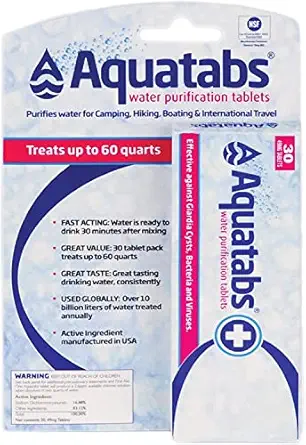
The Potable Aqua Water Purification Tablets use chlorine-based disinfection to make questionable water safe and extend the shelf life of your stored supply.
Filter Replacement and System Upkeep
Filters lose effectiveness over time as they trap contaminants. Regular inspection and timely replacement prevent breakdowns and unsafe water. Some systems indicate when a filter is clogged or exhausted. Maintaining your filtration system ensures continuous access to safe water, even during prolonged emergencies.
Common Misconceptions About Water Storage vs Filtration
Many believe boiling water makes storage unnecessary, but boiling doesn’t guarantee indefinite safety in storage containers. Others think filtration alone is enough during prolonged shortages, but without stored water, access is limited. Understanding the limits of each approach helps avoid dangerous assumptions. Correct knowledge is the first step toward true water preparedness.
Expert Recommendations for Prepared Families
Survivalists and health agencies agree: combining storage and filtration offers the best protection. For home use, store at least 1 gallon per person per day for two weeks and have a portable filter as backup. Keep an emergency kit that includes both stored water and filtration tools. Planning ensures you’re ready for any water-related emergency.
Final Thoughts: Choosing the Right Strategy for Your Needs
Both water storage and filtration have unique benefits and limitations. Storage guarantees immediate availability, while filtration ensures safety and flexibility. Combining the two offers unmatched security, whether at home or on the go. Prioritize your household’s needs, plan, and never underestimate the importance of clean, accessible water.
FAQs
1. How much water should I store if I have pets or livestock?
Most water storage guidelines focus on human needs, but pets and small livestock also require reliable water reserves. Dogs, cats, and backyard chickens all consume significant daily amounts, especially in hot climates or stressful emergency conditions. Factoring animals into your water plan prevents dangerous shortages and keeps your entire household safe.
2. Can stored water go bad even if the container is sealed?
Yes, sealed water containers can still develop bacterial growth or plastic leaching over time, especially if stored in warm or sunny environments. Even factory-sealed bottled water has a recommended shelf life. Understanding proper storage conditions and replacement schedules ensures your emergency supply remains safe to drink.
3. Are rainwater collection systems safe to combine with filtration?
Rainwater harvesting can be an excellent emergency water source, but collected rainwater often contains airborne pollutants, roof debris, and microorganisms. Using first-flush diverters and proper filtration is essential before drinking. Many preppers overlook this combination as a long-term sustainability strategy.
4. How do water storage needs change in extreme hot or cold climates?
Temperature greatly affects both stored water longevity and daily water consumption. Hot environments increase dehydration risk, while freezing temperatures can crack containers and disable filters. Adjusting storage volume, insulation methods, and container choice is crucial for climate-specific preparedness.
5. Can I safely store flavored or electrolyte-enhanced water for emergencies?
Many people consider storing sports drinks or flavored water, but sugars and additives dramatically shorten shelf life and encourage microbial growth. Knowing when these drinks are helpful — and when plain treated water is better — prevents waste and contamination issues in long-term storage plans.
Other Useful Resources Related To Water Storage Vs Filtration
- CDC: How to Create an Emergency Water Supply – Step-by-step guidance on storing and sanitizing emergency water.
- CDC: Fact Sheet – Make Water Safe During an Emergency – Compact PDF with methods to disinfect water in crises.
- Ready.gov – Water Preparedness – Federal overview on determining needs, storage, and treatment in disasters.
- FEMA: Food & Water in an Emergency (PDF) – Practical emergency supply planning and storage recommendations.
- NSF: Emergency Drinking Water Basics – Tips on alternate water sources and safe storage practices.