
Creating a solid apartment fire escape plan is not just a good idea—it’s essential for protecting your life and loved ones. Fires can spread quickly, leaving little time to think or react. Having a clear, practiced plan tailored for apartment living dramatically increases your chances of escaping safely. This guide will walk you through everything you need to know to build an effective, actionable apartment fire escape plan that works.
Table of Contents
Why Every Apartment Dweller Needs a Fire Escape Plan
Living in an apartment presents unique fire hazards: limited exits, close neighbors, and shared stairwells. Without a well-rehearsed plan, you risk confusion and delay in an emergency. A fire escape plan ensures you know exactly what to do, where to go, and how to get out fast, turning panic into confident action.
Understanding Apartment Fire Risks and Challenges
Apartment fires can be caused by cooking accidents, electrical faults, or even careless smoking. The challenges include narrow hallways, locked doors, and blocked fire exits. Understanding these risks helps you prepare your escape routes realistically and spot potential hazards before they turn deadly.
Identifying All Possible Exits in Your Apartment Building
Familiarize yourself with all possible exits: your apartment door, stairwells, fire escapes, and emergency exits. Sometimes, the closest exit might be blocked during a fire, so knowing alternative routes can save your life. Don’t rely solely on elevators—they are dangerous and often disabled during a fire.
Mapping Your Escape Routes
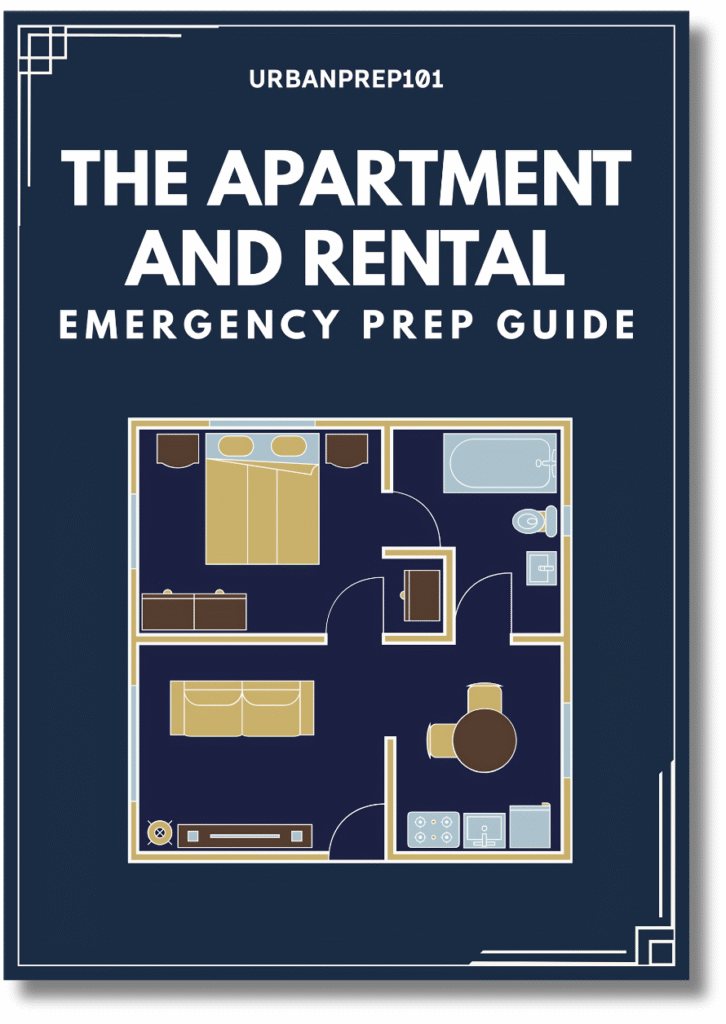
Draw a detailed map of your apartment layout, including windows, doors, and smoke detectors. Plan at least two ways to exit every room, especially bedrooms and living areas. This mental mapping prepares you to react even if smoke or flames block one route.
Creating a Fire Escape Plan for Every Family Member
Everyone in your household, from kids to seniors, must understand and participate in the escape plan. Tailor it to their abilities: for children, assign an adult to help; for pets, designate a handler. Practice communication signals and meeting spots to ensure everyone stays connected during an emergency.
The Importance of a Designated Meeting Point Outside
Choose a safe meeting point outside your building—far enough from danger but easy to find. This spot helps you quickly verify who escaped safely and informs firefighters if anyone is missing. Common places include a neighbor’s lawn, a street corner, or a nearby park bench.
How to Prepare Your Apartment for a Fire Emergency
Reduce fire risks by keeping flammable materials away from heat sources, installing smoke detectors, and maintaining fire extinguishers. Regularly check that your smoke alarms are working. Equip windows with quick-release locks for emergency escape and ensure doors are easy to open.
The Kidde Fire Extinguisher is lightweight, easy to use, and designed for home emergencies, giving you a quick way to stop small fires before they spread.

Practicing Your Apartment Fire Escape Plan Regularly
A plan is only good if you practice it. Conduct fire drills at least twice a year to test your escape routes, alarm systems, and family coordination. Simulate different scenarios, such as blocked exits or dark conditions, so everyone is ready for anything.
What to Do If Your Primary Exit Is Blocked by Fire or Smoke
If your main escape route is unsafe, stay calm and use your secondary route. If all exits are blocked, seal your door with wet towels to keep smoke out, call 911, and signal for help from a window. Know how to safely break a window if necessary, but only as a last resort.
The Role of Smoke Detectors and Fire Alarms in Escape Safety
Smoke detectors give you early warning, buying precious time to evacuate. Test your alarms monthly and replace batteries annually. Interconnected alarms ensure the entire apartment alerts you if a fire breaks out anywhere in the building.
The First Alert Battery-Operated Smoke Alarm provides reliable early warning with a loud alarm and simple installation, ensuring you have precious extra minutes to escape.

Using Fire Escape Ladders in High-Rise Apartments
For apartments above the second floor, a fire escape ladder can be a lifesaver. Choose a reliable, easy-to-use ladder and practice deploying it before an emergency. Store it near a window for quick access and check regularly for wear and damage.
The Hausse Retractable 2 Story Fire Escape Ladder unfolds quickly and hooks securely to most windows, providing a fast and safe escape route for upper-floor apartments.

How to Communicate with Firefighters During an Emergency
When firefighters arrive, clearly communicate who is inside and where. Stay calm, use a flashlight or wave a cloth from a window if trapped, and follow their instructions exactly. Your cooperation speeds rescue efforts and improves safety.
Fire Safety Tips for Visitors and New Tenants
Inform guests and new tenants about the building’s fire safety rules and escape plan. They should be familiar with exit locations, meeting points, and emergency contact numbers. This awareness can prevent chaos and help everyone evacuate quickly.
Essential Fire Safety Tools Every Apartment Should Have
Stock your apartment with fire extinguishers, smoke detectors, fire blankets, and a first-aid kit. Learn how to use these tools effectively. Keep flashlights and spare batteries readily available for use during power outages and emergencies.
The Tonyko Fire Blanket can smother small kitchen or electrical fires instantly, making it a vital backup tool when extinguishers aren’t within reach.

Common Mistakes to Avoid When Creating Your Apartment Fire Escape Plan
Don’t rely on elevators or ignore secondary routes. Avoid blocking exits with furniture or clutter. Never assume you’ll have lots of time to escape—fires spread fast. Test your plan regularly and adapt it as circumstances change.
How to Stay Calm and Focused During a Fire Emergency
Fear and confusion can freeze anyone. Train yourself and your family to stay calm through regular drills and mental preparation. Practice breathing techniques and focus on the steps you need to take. Staying composed saves lives.
Conclusion: Make Your Apartment Fire Escape Plan Today
Waiting for an emergency to strike before making a fire escape plan is a risk you can’t afford. Take action now: assess your apartment, draw your escape map, communicate with your household, and practice regularly. Your life could depend on it.
FAQs
1. Can I use my balcony as a temporary safe zone during a fire?
Many apartments have balconies that could serve as a temporary refuge if escape routes are blocked. Learn how to safely signal for help, keep doors closed to prevent smoke, and avoid jumping from high floors unless necessary.
2. What should I include in a “grab-and-go” fire emergency kit?
Aside from smoke detectors and fire extinguishers, a small kit with essentials like a flashlight, whistle, water, a phone charger, and important documents can make a big difference if you must evacuate quickly.
3. How can I help elderly or mobility-impaired neighbors during a fire?
Planning for residents who may need extra assistance ensures no one is left behind. Discuss evacuation roles in advance, identify who can help them, and keep accessible escape tools nearby.
4. Are there smartphone apps or alarms that can improve fire safety in apartments?
Some apps can alert you when smoke detectors go off, track escape routes, or provide step-by-step emergency instructions. Integrating technology can give you extra awareness and response time.
5. How often should I update my fire escape plan if I change apartments or redecorate?
Any change in layout, furniture placement, or apartment number may require a new plan. Update your escape routes, practice drills, and communicate changes with household members to maintain readiness.
Other Useful Resources Related To Apartment Fire Escape Plan
- FEMA — Home Fire Escape Plans (U.S. government resource)
A comprehensive guide on creating and practicing a fire escape plan, including maps and drill tips. - London Fire Brigade — Escape Plan Guidance
Official advice on planning a fire escape for flats and apartment buildings, including tailored tips for different living situations. - Country Fire Authority (Australia) — Apartment Fire Safety
Practical tips for apartment dwellers on recognizing hazards and preparing escape plans specific to multi‑unit buildings. - Seattle Fire Department — Home & Apartment Fire Safety
Easy‑to‑follow fire safety and evacuation steps, including what to do if you can’t escape your first route. - Valley Regional Fire Authority — Fire Escape Planning Tips
A downloadable escape planning worksheet and detailed tips on routes, meeting places, smoke alarms, and drills.