
Table of Contents
Understanding the Prepper Mindset: More Than Just Survival Gear
The prepper mindset goes far beyond stockpiling canned food or buying survival kits. It’s a mental shift—a way of thinking that prioritizes readiness, adaptability, and calmness in the face of uncertainty. This mindset empowers you to anticipate challenges before they happen, embrace self-reliance, and develop resilience no matter what life throws your way. Unlike casual preparedness, adopting a true prepper mindset means weaving survival skills and situational awareness into your daily life, creating a foundation that can sustain you in any crisis.
Why Cultivating a Prepper Mindset is Essential Today
With increasing global instability, natural disasters, and unexpected emergencies, having a prepper mindset isn’t just for doomsday enthusiasts anymore. It’s a practical approach to life that helps you stay ahead of disruptions and protect your loved ones. Developing this mindset reduces panic, encourages strategic planning, and instills confidence in your ability to face adversity. It’s about transforming fear into proactive action—turning “what if” scenarios into manageable realities.
The Core Principles of a Strong Prepper Mindset
At its heart, the prepper mindset revolves around several core principles: situational awareness, resourcefulness, mental toughness, and continuous learning. Situational awareness means staying alert to your surroundings and understanding potential risks. Resourcefulness helps you make the most out of limited supplies and improvise solutions. Mental toughness enables you to stay calm and think clearly under pressure. Continuous learning ensures you keep improving your skills and knowledge, staying prepared for evolving threats.
Developing Situational Awareness: The First Step to Preparedness
Situational awareness is like having a sixth sense for danger and opportunity. It starts with observing your environment, recognizing unusual patterns, and understanding local risks such as weather hazards or social unrest. Practicing mindfulness and paying attention to details—from changes in neighborhood activity to shifts in news trends—can sharpen this vital skill. The more you tune in, the quicker you can respond effectively when a situation changes.
Binoculars with Rangefinder – Great for outdoor practice in observation and situational awareness.

Midland NOAA Emergency Weather Radio – Keeps you aware of incoming storms and alerts.

Building Mental Resilience to Overcome Crisis
Mental resilience is your inner armor. It keeps you grounded during chaos, helping you make smart decisions without succumbing to panic. Strengthening this involves techniques like controlled breathing, positive visualization, and setting realistic expectations. It’s also about accepting uncertainty as a natural part of life and preparing emotionally for setbacks. The prepper mindset thrives on a strong mental foundation that refuses to crumble under pressure.
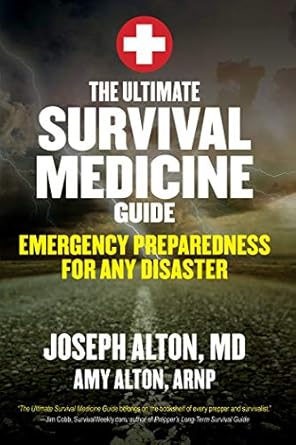
The Survival Medicine Handbook – A resource that boosts confidence when thinking about crisis management.
Mastering Self-Reliance: The Heartbeat of the Prepper Mindset
Self-reliance means trusting yourself to meet your own needs, especially when external help isn’t available. This encompasses skills such as growing your food, purifying water, basic first aid, and repairing essential tools. It also means building confidence through hands-on practice rather than just theory. The more capable you feel of handling emergencies independently, the stronger your prepper mindset becomes.
Sawyer Mini Water Filter – A Simple tool for clean water independence.

Morakniv Companion Fixed Blade Knife – Reliable multipurpose knife for food prep, repairs, and survival skills.

Back to Basics: A Complete Guide to Traditional Skills – A Book that aligns perfectly with self-reliance learning.

Practical Steps to Cultivate the Prepper Mindset Daily
Incorporating prepper thinking into everyday life starts with small, consistent habits. For example, maintaining a well-organized emergency kit, tracking expiration dates on food supplies, or learning new survival skills through online tutorials. Another key habit is practicing situational drills—such as planning escape routes or simulating power outages—which helps turn knowledge into instinct. Over time, these actions become second nature, embedding readiness into your lifestyle.
Ready America 72-Hour Emergency Kit – Beginner-friendly, covers food, water, and supplies.
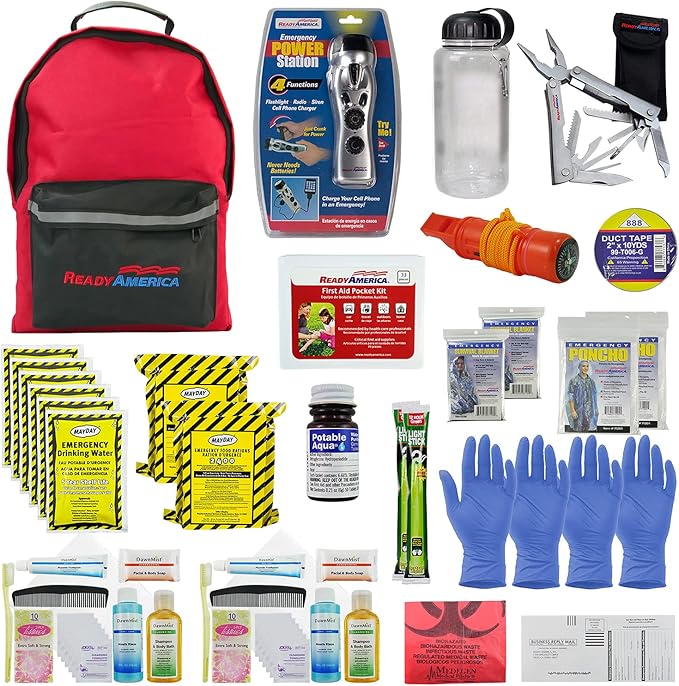
Vont LED Lanterns (4 Packs) – Long-lasting, lightweight lanterns ideal for power outage drills.

How to Overcome Common Mental Barriers in Prepping
Many people hesitate to fully embrace prepping due to fear, denial, or feeling overwhelmed. The prepper mindset helps break these barriers by reframing preparedness as empowerment rather than fear-mongering. Start by setting achievable goals, celebrating small wins, and connecting with like-minded communities for support. Recognizing that no one is perfect and that preparedness is a journey, not a destination, helps ease anxiety and build momentum.
The Role of Community in Enhancing Your Prepper Mindset
No prepper is an island. While self-reliance is crucial, strong community ties amplify survival chances dramatically. Sharing knowledge, resources, and support creates a safety net during emergencies. Participating in local preparedness groups or online forums can broaden your understanding and provide emotional encouragement. The prepper mindset embraces collaboration alongside independence.
Baofeng UV-5R Two-Way Radio – Affordable, widely used for group comms and local prepper networks.

Tools and Technology That Complement the Prepper Mindset
Modern preppers combine traditional skills with smart technology to enhance their readiness. Tools like solar chargers, portable water filters, communication radios, and durable multitools make survival more manageable. Technology can also offer access to real-time weather alerts, mapping apps, and emergency broadcasts. However, the prepper mindset stresses mastering basics first—technology is a tool, not a crutch.
Solar Charger Power Bank – Reliable backup for phones and small devices.

Leatherman Wave+ Multitool – Versatile tool for everyday problem-solving.
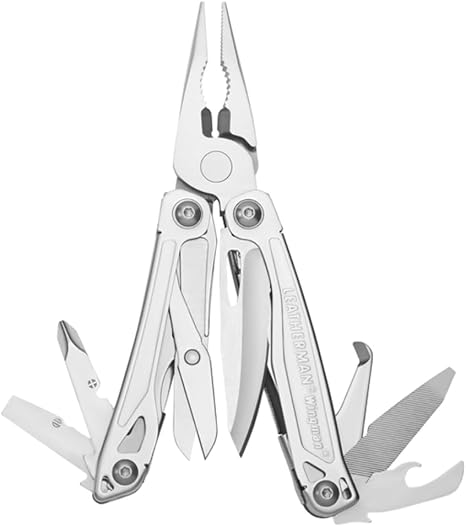
Garmin inReach Mini 2 – Satellite communicator for off-grid emergencies.

How to Stay Calm and Think Clearly Under Pressure
When chaos erupts, the ability to keep calm is a superpower. Techniques such as deep breathing exercises, mental rehearsals of emergency scenarios, and mindfulness meditation can train your brain to stay focused. Developing a “go-to” checklist or mantra during crises also helps override panic responses. This mental clarity leads to better decisions, faster problem-solving, and ultimately, safer outcomes.
Planning for the Unexpected: Scenario-Based Prepping
The prepper mindset thrives on flexibility and anticipates a wide range of disasters, from natural events like hurricanes to societal disruptions like power grid failures. Creating scenario-based plans helps you visualize possible emergencies and prepare accordingly. This includes having multiple fallback options, identifying safe locations, and preparing “bug-out” bags tailored to different situations. Being ready for the unexpected builds confidence and reduces guesswork.
Tacticon Red Rock Outdoor Gear Bug Out Bag – Durable backpack built for organizing bug-out essentials.

Continuous Learning: Keeping Your Prepper Mindset Sharp
Prepping isn’t a one-time task; it’s an ongoing commitment to knowledge and skill development. Reading books, attending workshops, practicing survival drills, and staying updated on current threats sharpen your abilities. The prepper mindset values humility, recognizing that there’s always something new to learn and improve. This attitude turns challenges into opportunities for growth.
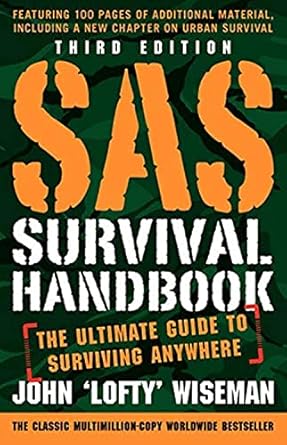
SAS Survival Handbook by John ‘Lofty’ Wiseman – Classic reference for practical skills.
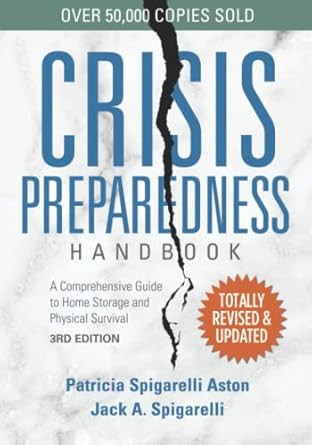
Crisis Preparedness Handbook – Focused on realistic, modern-day preparedness.
How the Prepper Mindset Transforms Everyday Life
Embracing the prepper mindset influences more than just emergencies—it enhances your daily decision-making, organization, and problem-solving skills. You become more disciplined with resources, proactive about safety, and adaptable to change. This mindset fosters a sense of empowerment and peace of mind that permeates your lifestyle, creating a stronger, more resilient you.
Common Myths About the Prepper Mindset Debunked
Many misconceptions surround prepping, such as the idea that it’s paranoid, extreme, or only for isolated individuals. In reality, the prepper mindset is practical and accessible to anyone willing to plan. It’s about empowerment, not panic; readiness, not obsession. Understanding these myths helps remove stigma and encourages more people to adopt smart preparedness habits.
How to Begin Your Journey Toward a Strong Prepper Mindset
Starting can feel overwhelming, but the prepper mindset grows through simple, intentional steps. Begin by assessing your current readiness, identifying gaps, and setting clear goals. Focus on building core skills like first aid and water storage. Connect with communities for advice and motivation. Remember, every expert started as a beginner, and progress—no matter how small—is success.
First Aid Only 299-Piece Kit – A great “first step” item for beginners starting their prep journey.

Conclusion: Embrace the Prepper Mindset for a Secure Tomorrow
Adopting the prepper mindset is a powerful way to take control of your safety and future. It’s more than just preparation—it’s a mindset that cultivates resilience, resourcefulness, and confidence in the face of uncertainty. By sharpening your awareness, building mental toughness, practicing self-reliance, and committing to lifelong learning, you position yourself to thrive no matter what happens. Ready to transform how you approach life’s challenges? Start cultivating your prepper mindset today and unlock a new level of preparedness and peace of mind.
FAQs
1. How long does it take to fully develop a strong prepper mindset?
There’s no fixed timeline, because developing a prepper mindset is a continuous process rather than a finish line. Some habits—like increased situational awareness or basic emergency planning—can form within weeks. Deeper traits such as emotional resilience, instinctive decision-making under pressure, and broad survival competence develop over months or years of practice. The key is consistency, not speed.
2. Can children or teenagers develop a prepper mindset safely?
Yes — in fact, teaching preparedness early helps build confidence and responsibility. The focus should be on age-appropriate skills like basic first aid awareness, emergency communication habits, and situational awareness. When framed as life skills rather than fear-based training, preparedness becomes empowering and practical for younger family members.
3. How do you maintain a prepper mindset during long periods without emergencies?
The biggest challenge for most people is staying consistent when nothing “bad” is happening. The solution is to integrate preparedness into everyday routines: rotating supplies, practicing short drills, reviewing plans quarterly, and learning new skills regularly. Treat it like physical fitness — maintenance prevents skill fade.
4. What’s the difference between a prepper mindset and general emergency preparedness?
Emergency preparedness focuses on supplies and plans. The prepper mindset goes further — it builds adaptive thinking, emotional control, creativity, and proactive awareness. Two people can own the same gear, but the one with the stronger mindset will use it more effectively under real stress.
5. How can you tell if your prepper mindset is improving?
Progress shows up in subtle ways: quicker risk recognition, calmer reactions to unexpected events, improved problem-solving, and reduced anxiety about uncertainty. If you find yourself planning naturally, staying composed under pressure, and adapting easily when plans change, your mindset is strengthening.
Other Useful Resources Related To Prepper Mindset
- FEMA – Assemble a Disaster Supplies Kit — Official U.S. government guide on building a basic emergency kit, planning steps, and preparedness practices.
- Survival Stoic – Practical Prepping Mindset Guide — A detailed article focused on the psychological and decision-making aspects of prepping beyond gear lists.
- Practical Prepping – Everyday Emergency Preparedness — A broad resource site with articles and guides that focus on real-world prepping tactics and community support.
- Prepping 101 – Emergency Preparedness Fundamentals — A comprehensive beginner’s guide to prepping basics and mindset principles.
- Prepper Network – Survival & Prep Resources — A curated list of prepper books and educational materials covering a wide range of preparedness topics.