

Rainwater is one of the most natural and renewable water sources available; however, in an urban environment, it’s not as clean as it appears. Rooftops, air pollution, and dirty gutters can all contaminate the water before it reaches your storage tank. To drink it safely, you need to know exactly how to purify rainwater in urban settings.
In this guide, you’ll learn step-by-step how to collect, filter, disinfect, and store rainwater so that it’s safe for drinking, cooking, and other household uses — even in the middle of a busy city.
Table of Contents
Why You Should Purify Rainwater in Urban Settings Before Drinking
The Hidden Dangers in City-Collected Rainwater
Urban rainwater often carries more than just fresh droplets from the sky. As it falls, it can pick up microscopic pollutants from the air, such as dust, vehicle emissions, and industrial residues. By the time it runs over rooftops and into gutters, it may also collect bird droppings, leaves, mold spores, and insect debris. Even if the water looks crystal clear, these invisible contaminants can pose serious health risks.
How Urban Pollution Affects Rainwater Quality
City air is typically filled with fine particles from cars, factories, and construction. When it rains, these pollutants can dissolve or attach to the droplets. The result? A mix of heavy metals, nitrates, and other chemical compounds makes purifying rainwater in urban areas essential before any human consumption. Skipping purification could mean exposing yourself to bacteria, viruses, and chemical toxins.
Understanding the Basics of Rainwater Harvesting in Urban Areas
What Rainwater Harvesting Is and How It Works
Rainwater harvesting is the process of collecting and storing rainwater for later use. In cities, this often involves rooftop catchment systems where gutters direct water into storage tanks. While it’s an eco-friendly solution, urban conditions make purification a crucial step — you can’t just rely on nature to provide perfectly clean water.
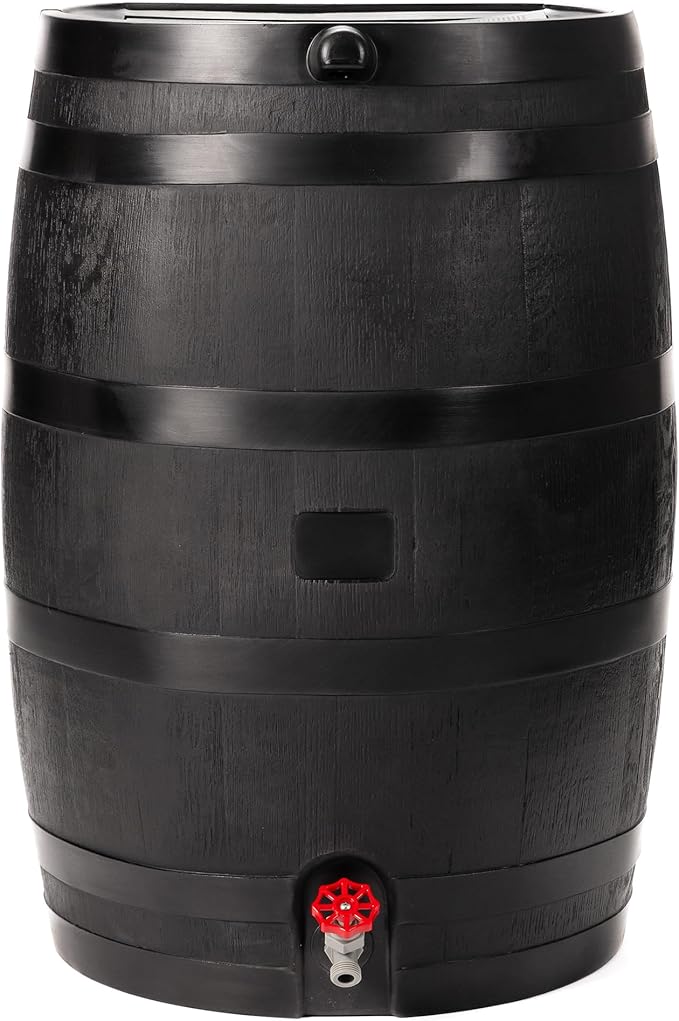
The ECO Rain Barrel is a durable, space-saving option for urban rainwater collection, designed to fit easily against a wall or under a downspout.
Urban Rainwater Collection Systems You Can Set Up at Home
In an urban home, a basic system includes:
- A clean, non-toxic rooftop catchment surface
- Gutter guards to prevent debris
- A downspout filter or first-flush diverter
- A sealed storage tank
Pairing this with a good filtration and disinfection setup ensures that your harvested rainwater stays safe.
Essential Pre-Filtration Steps for Purifying Urban Rainwater
Removing Large Debris Before Filtration
Before fine filtration even begins, you should remove visible debris. Leaves, twigs, and dead insects can quickly clog your system and lead to bacterial growth. Installing gutter guards and a coarse mesh filter at the downspout is the first line of defense.
The Berkey Gravity Filter removes bacteria, protozoa, and chemicals without electricity, making it perfect for long-term rainwater purification.

The Sawyer MINI Filter is small but powerful, filtering out 99.9999% of bacteria and protozoa — great for backup or bug-out kits.

First-Flush Diverters: Why They’re a Game Changer
The first few minutes of rainfall are the dirtiest. A first-flush diverter discards this initial water, ensuring that the rest of the rain collected is much cleaner. In an urban setting, this simple device can drastically reduce chemical and biological contamination.
Best Filtration Methods to Purify Rainwater in the City
Activated Carbon Filters for Chemical Removal
Activated carbon filters are excellent for removing chlorine, pesticides, and organic compounds. They work by adsorption — trapping impurities in the carbon’s porous surface. In urban areas, they’re invaluable for reducing bad odors and tastes caused by air pollution residues.
Ceramic Filters for Bacteria and Pathogens
Ceramic filters have tiny pores that physically block bacteria and protozoa from passing through. Some models are treated with silver, which adds an antibacterial layer, making them ideal for urban rainwater purification.
DIY vs. Commercial Filtration Systems
You can build your filter using gravel, sand, and charcoal, but commercial systems are generally more effective and consistent. For drinking water, a certified multi-stage filter is worth the investment.
Disinfection Techniques to Ensure Safe Urban Rainwater
Boiling as the Simplest Disinfection Method
Boiling rainwater for at least one minute (three minutes at high altitudes) kills most bacteria, viruses, and parasites. While it’s not practical for large volumes, it’s an effective emergency solution.
The SteriPEN Ultra uses ultraviolet light to neutralize bacteria, protozoa, and viruses in just minutes, without changing the water’s taste.

UV Light Systems for Pathogen-Free Water
UV purification systems use ultraviolet light to neutralize microorganisms without altering the water’s taste. They require electricity but work quickly and are perfect for permanent home setups.
Chlorination and Other Chemical Treatments
Adding chlorine tablets or bleach can kill bacteria and viruses, but it must be dosed correctly. Over-chlorination can make the water unsafe to drink, so always follow recommended guidelines.
Advanced Purification Methods for Urban Rainwater
Reverse Osmosis Systems for Ultra-Pure Water
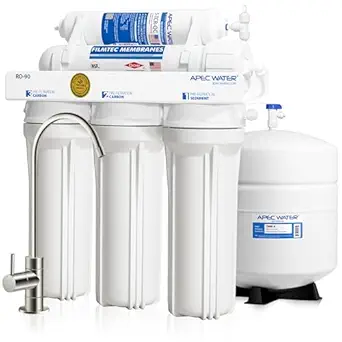
Reverse osmosis (RO) forces water through a semi-permeable membrane, removing up to 99% of contaminants — including heavy metals, nitrates, and microscopic pathogens. While more expensive, RO systems are unmatched in purity.
The APEC 5-Stage RO System removes up to 99% of contaminants, including heavy metals and nitrates, for ultra-pure drinking water.
Distillation for Removing Heavy Metals
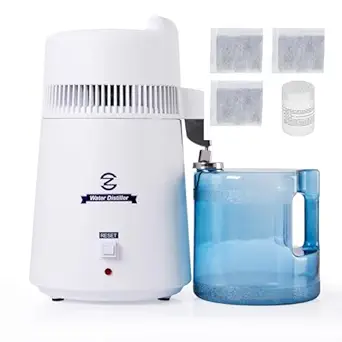
Distillation heats water until it turns into vapor, then condenses it back into liquid, leaving most contaminants behind. This method is especially useful if your urban rainwater contains high levels of heavy metals from industrial pollution.
The CO-Z 6L Water Distiller produces fresh, distilled water by removing heavy metals, chemicals, and biological contaminants.
Storage Tips to Keep Purified Urban Rainwater Clean
Choosing Safe Storage Containers
Use food-grade plastic, stainless steel, or glass containers. Avoid containers that once held chemicals, as they can leach toxins back into the water.
The kitchentoolz 2.5 Gallon Water Jug is BPA-free, food-grade, and designed for long-term storage without leaching chemicals.

Preventing Recontamination After Purification
Always keep containers sealed, store them in a cool, dark place, and clean them regularly. Even purified rainwater can become unsafe if exposed to dust, insects, or dirty hands.
Legal and Safety Considerations for Purifying Rainwater in Urban Areas
Rainwater Collection Laws in Different Cities
Some cities encourage rainwater harvesting, while others have restrictions due to water rights laws. Always check your local regulations before setting up your system.
Health Standards for Drinking Water
The World Health Organization (WHO) and local health departments provide guidelines for safe drinking water. Your purified urban rainwater should meet or exceed these standards before you drink it.
Cost-Effective Solutions for Purifying Rainwater in the City
Low-Budget DIY Setups
With a few basic tools, you can create a simple filtration and storage system for under $100. While it won’t match the purity of advanced systems, it’s a good starting point for emergencies.
The LifeStraw Filter is an ultra-affordable, lightweight tool that filters bacteria and protozoa instantly, perfect for backup purification.
$14.95
$17.49

When to Invest in Professional Systems
If you plan to rely on rainwater as your primary drinking source, investing in a certified multi-stage purification system will save money and prevent health issues in the long run.
Common Mistakes to Avoid When Purifying Rainwater in Urban Areas
Skipping the First Flush
Skipping this step can allow concentrated pollutants from rooftops and gutters into your tank, making purification harder and less effective.
Using the Wrong Filtration System
Not all filters remove all contaminants. Using only a carbon filter won’t protect you from bacteria, and relying solely on boiling won’t remove chemicals. A multi-step approach is essential.
Conclusion: Turning City Rainwater into a Safe and Sustainable Source
Purifying rainwater in an urban environment isn’t just about taste — it’s about health and safety. With the right collection methods, filtration systems, and disinfection techniques, you can transform city rain into a reliable, eco-friendly water source. Whether you’re preparing for emergencies or aiming for self-sufficiency, these strategies will keep your water clean, safe, and ready to drink.
FAQs
1. How Often Should You Test Purified Rainwater for Safety?
Even with a solid filtration and disinfection system, purified rainwater should be tested periodically to ensure it remains safe to drink. Factors like filter wear, bacterial regrowth in storage tanks, or unnoticed contamination can occur over time. Urban preppers should ideally test stored drinking water every few months using affordable home water testing kits or annual lab testing for full-spectrum analysis. Regular testing provides peace of mind and confirms your purification system is still performing as intended.
2. Can Rainwater Purification Systems Work During Power Outages?
Many urban purification setups rely on electricity, especially UV and reverse osmosis systems. During a blackout, these systems may stop functioning, leaving you without safe water unless you have backups. Gravity-fed filters, manual pumps, chemical disinfectants, and boiling methods provide reliable off-grid alternatives. A resilient urban rainwater plan should always include at least one non-electric purification method.
3. How Long Can Purified Rainwater Be Safely Stored for Drinking?
Properly purified and sealed rainwater can remain drinkable for several months, sometimes longer, if stored correctly. However, storage conditions such as heat, sunlight, or unclean containers can shorten safe shelf life. Rotating stored water every 3–6 months and cleaning containers before refilling helps prevent microbial regrowth. This is especially important in hot urban climates where bacteria multiply faster.
4. Does Roof Material Affect How You Should Purify Rainwater?
Different roofing materials release different contaminants into rainwater. Asphalt shingles may leach hydrocarbons, metal roofs can introduce trace metals, and old painted surfaces may contribute lead residue. Knowing your roof type helps determine whether you need extra carbon filtration, sediment filtering, or heavy metal removal stages. Urban preppers should always match purification methods to their roof material.
5. Can You Safely Use Purified Rainwater for Pets and Cooking Before Drinking It Yourself?
Pets and cooking applications can serve as a practical “first-use” stage for newly purified rainwater. This allows you to monitor taste, smell, and clarity before committing it to drinking water. However, final purification standards should still meet human drinking safety guidelines. This step adds an extra safety buffer in a real-world urban preparedness plan.
Other Useful Resources Related To Purifying Rainwater In Urban
- Essential Safety Tips for Rainwater Use — RainCatcher.org
Covers pre-filtration, safe tank storage, and disinfection methods for making rainwater safe. - WHO Drinking-Water Quality Guidelines (PDF)
Official World Health Organization guidance on safe water quality and rainwater harvesting design considerations. - Rainwater Harvesting Safety & Best Practices — WaterWorld
Explains how proper collection, filtration, and NSF standards help make rainwater safe for potable use. - Rainwater Harvesting Safety & Risks Overview — Wellri.com
A practical guide detailing contamination risks, system design, and water testing for harvest systems. - How to Ensure the Quality of Harvested Rainwater — CommonFloor
Offers hands-on tips for system setup, catchment cleanliness, first-flush diverters, and maintenance to preserve water quality.