
Fuel storage in apartments can feel like a daunting challenge. Limited space, strict regulations, and safety concerns make it seem nearly impossible to keep fuel on hand for emergencies or regular use. But it doesn’t have to be that way. With a bit of knowledge, careful planning, and smart strategies, you can store fuel safely and effectively—even in a small apartment. This guide reveals 10 powerful tips to help you master fuel storage apartment challenges and stay prepared without risking your safety or lease.
Table of Contents
Understanding the Basics of Fuel Storage Apartment Safety
What Types of Fuel Are Commonly Stored in Apartments?
Apartment dwellers usually store fuels like gasoline, propane, diesel, and kerosene for emergencies or occasional use, such as grilling or generators. Each type has distinct properties and storage requirements that renters must understand. For example, gasoline is extremely flammable and volatile, while propane is stored under pressure and demands specialized handling. Knowing the different fuels’ characteristics helps you make safer choices for your limited apartment space.
Legal Restrictions and Regulations on Fuel Storage in Apartments
Many apartment buildings enforce strict rules about storing flammable materials like fuel due to fire hazards and insurance liabilities. Local fire codes and building regulations often set maximum amounts and specific storage methods. Some leases may outright forbid keeping fuels indoors or in certain areas. Failing to comply with these legal restrictions can result in fines, eviction, or worse, so it’s crucial to check your lease and local laws before storing any fuel.
Risks and Hazards of Improper Fuel Storage
Improper fuel storage in apartments can lead to dangerous outcomes such as fires, explosions, or toxic fumes. Fuel vapors are heavier than air and can accumulate in low spots, increasing the risk of ignition from a small spark. Additionally, spills can cause property damage or pose health hazards. Understanding these risks and implementing proper storage techniques can significantly reduce potential dangers, protecting both you and your neighbors.
Choosing the Right Fuel Storage Containers for Apartments
Safe Fuel Containers That Comply With Apartment Rules
Choosing the right container is your first line of defense when storing fuel safely. Approved fuel containers are designed to prevent leaks and minimize vapor release, often made from materials like high-density polyethylene or metal with tight sealing caps. Using these containers also helps demonstrate compliance with apartment policies and local codes. Investing in quality containers ensures you avoid spills, odors, and dangerous situations.
A reliable gas container like the No-Spill 1450 5-Gallon Can is designed with a spill-proof nozzle and durable materials, making it a safe choice for apartment fuel storage.

Size and Capacity: Picking Containers That Fit Your Space
In apartments, space is limited, so choosing fuel containers with appropriate sizes is key. Small to medium-sized containers (1 to 5 gallons) strike a good balance between usability and safe storage. Oversized containers can be difficult to handle and increase fire hazards. Planning your fuel needs realistically and selecting containers that fit discreetly in your storage areas will keep your space safer and more organized.
Materials and Durability: What to Look For
Fuel containers come primarily in plastic or metal, each with pros and cons for apartment use. Metal cans tend to be more durable and resistant to punctures, but can rust over time if not maintained properly. Plastic containers are lighter, often easier to carry, and resistant to corrosion, but quality varies greatly. Whichever you choose, prioritize containers that are sturdy, leak-proof, and approved for fuel storage to ensure long-term safety.
Practical Fuel Storage Solutions for Apartment Living
Using Compact and Portable Fuel Storage Options
Compact, portable fuel containers are a game-changer for apartment dwellers with limited space. Smaller cans with ergonomic handles and secure spouts make transferring fuel easier and safer. Collapsible containers or small propane cylinders also help save space and reduce clutter. By choosing portable options, you ensure your fuel is easy to manage, carry, and store without overwhelming your living space.
Pair your fuel cans with an EZ-POUR Spout Kit, which helps transfer fuel cleanly and reduces mess in tight apartment spaces.

Creative Storage Ideas to Maximize Limited Space
Making the most of every inch in your apartment is essential when storing fuel. Consider utilizing vertical spaces like shelving units or storage racks to keep containers off the floor and reduce spill risk. Hidden spots such as closets or under-bed storage can be good candidates if well-ventilated. Avoid crowded areas or places exposed to heat, and always keep fuel away from living areas to minimize health risks.
The Role of Ventilation and Temperature Control in Fuel Storage
Ventilation is a critical but often overlooked aspect of fuel storage in apartments. Fuel vapors are toxic and flammable, so storing containers in well-ventilated spaces reduces the risk of dangerous vapor buildup. Additionally, temperature fluctuations can degrade fuel quality and increase pressure inside containers. Keeping fuel in a cool, shaded, and ventilated spot helps maintain safety and prolongs the life of your stored fuel.
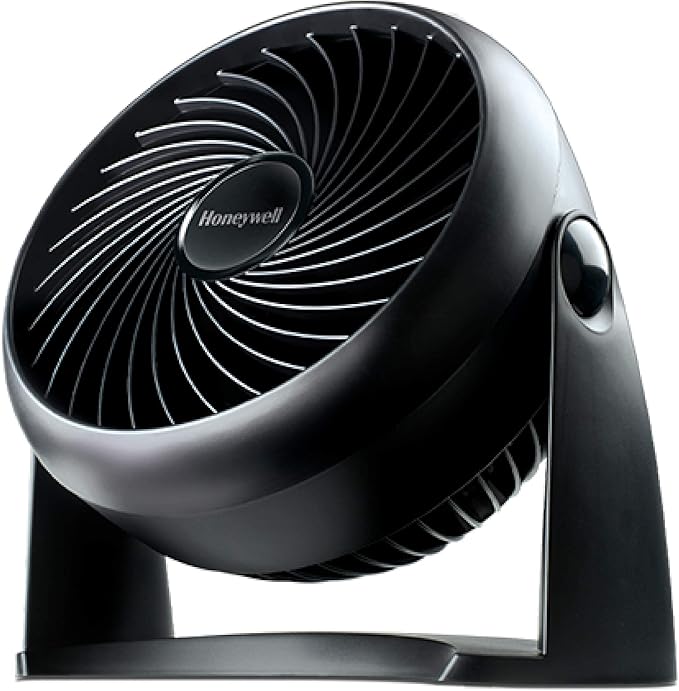
A compact fan like the Honeywell TurboForce can help maintain airflow in storage areas, reducing dangerous vapor accumulation.
How to Store Different Types of Fuel in an Apartment
Gasoline Storage Guidelines for Apartments
Gasoline is one of the trickiest fuels to store safely indoors due to its high volatility. Always keep gasoline in airtight, clearly labeled containers designed specifically for it. Store it away from living spaces, heat sources, or anything that can spark a fire. Keep the quantity minimal to reduce risk, and never use gasoline containers for other liquids to avoid contamination and confusion.
Propane Tank Storage: Tips and Safety Measures
Propane tanks require extra caution due to their pressurized nature. Ideally, store propane tanks outside, upright, and away from heat or open flames. Many apartment complexes restrict indoor propane storage because of these risks. If storing inside temporarily, ensure the area is well ventilated, cool, and the tanks are positioned upright on stable surfaces. Always check local regulations before deciding on propane storage indoors.
Diesel and Kerosene Storage in Small Spaces
Diesel and kerosene are less volatile than gasoline but still pose health and fire risks. Store these fuels in sturdy, leak-proof containers with tight seals, and keep them in well-ventilated areas away from living rooms or bedrooms. Both fuels emit fumes that can accumulate over time, so rotating your supplies and checking for leaks is essential. Proper storage helps maintain fuel quality and keeps your apartment safe.
Fire Safety and Prevention Tips for Apartment Fuel Storage
Fireproof Containers and Cabinets for Fuel
For an added layer of safety, fireproof storage cabinets can contain fuel spills and delay fire spread. These specially designed cabinets isolate flammable materials and are made of fire-resistant metals. While often used in industrial settings, smaller versions suitable for apartment use are available. Investing in one protects your home and complies with safety best practices, especially if you store multiple containers.
The Justrite Safety Can is made from fire-resistant metal and designed for flammable liquid storage, giving you extra protection in case of an accident.

Placement Strategies to Minimize Fire Risk
Where you place fuel containers can dramatically affect your safety. Avoid storing fuel near electrical outlets, heating appliances, or places with frequent foot traffic. Choose cool, dry corners that are well ventilated and away from sunlight to reduce vapor buildup. Using shelving or stands to elevate containers off the floor also helps prevent accidents and spills, keeping your apartment safer overall.
Smoke Detectors and Fire Extinguishers: Must-Have Safety Tools
Having functioning smoke detectors near your fuel storage area is non-negotiable for early fire detection. Pair these with a Class B fire extinguisher, designed for flammable liquids, to tackle potential fires quickly. Familiarize yourself with how to use the extinguisher properly and keep it within easy reach. These safety tools are your last line of defense and can save lives and property in emergencies.
Equip your space with a First Alert Fire Extinguisher, designed to handle flammable liquid fires quickly and effectively.

Monitoring and Maintaining Your Fuel Storage
How to Check Fuel Quality and Prevent Degradation
Fuel naturally degrades over time, especially when exposed to oxygen, heat, or moisture. Adding fuel stabilizers can extend the life of gasoline and prevent gumming or phase separation. Regularly inspect your fuel containers for discoloration or sediment, and rotate older supplies first. Proper sealing and storage in cool conditions slow degradation, ensuring your fuel remains reliable when you need it most.
A fuel additive like STA-BIL Stabilizer keeps gasoline fresh for up to 24 months, preventing clogs and gumming when you finally need to use it.

Routine Inspections and Leak Prevention
Monthly inspections help catch problems early before they escalate. Check for signs of corrosion, cracks, or leaks around container seals and valves. Any damage warrants immediate replacement of containers or cleanup of spills. Keeping absorbent materials like kitty litter or spill pads nearby helps manage minor leaks safely and prevents stains or odors in your apartment.
Keep Oil-Dri Absorbent Pads nearby to handle leaks or spills quickly without staining your apartment floors.

When and How to Safely Dispose of Old Fuel
Expired or contaminated fuel can be dangerous and should never be disposed of in regular trash or drains. Many communities offer hazardous waste collection events or facilities where you can drop off old fuel safely. Contact your local waste management for guidance on proper disposal. Responsible disposal protects your health, the environment, and complies with regulations.
Emergency Preparedness: Fuel Storage’s Role in Apartment Survival Plans
How Fuel Storage Supports Power Outages and Emergencies
In apartment living, power outages or emergencies can quickly become major inconveniences. Having stored fuel allows you to power generators, run portable heaters, or cook food safely when the grid fails. This independence can mean the difference between comfort and chaos during blackouts. Planning your fuel storage with emergencies in mind ensures you’re ready for unexpected disruptions.
For apartments where generators aren’t practical, the Jackery Explorer 300 Power Station offers clean, rechargeable backup power for lights, phones, and small appliances.

Building a Small-Scale Emergency Fuel Kit for Apartments
Creating a compact emergency fuel kit tailored for your apartment is a smart move. Include only what’s necessary for your generator or heating device, along with safety accessories like gloves, funnels, and fire extinguishers. Keep your kit accessible but secure, ensuring it won’t be disturbed accidentally. This focused approach maximizes readiness while respecting your space and safety limits.
The Scepter makes fueling up simple, with a no-spill design that’s perfect for a compact emergency fuel kit.

Balancing Safety and Readiness
There’s a delicate balance between storing enough fuel to be prepared and avoiding unsafe excess. Too little fuel leaves you vulnerable; too much increases risk. Focus on your genuine needs, space limitations, and legal guidelines when stocking fuel. Prioritizing safe storage methods ensures that your readiness doesn’t come at the cost of your apartment’s safety or your peace of mind.
Protect your hands while handling fuel with NoCry Chemical-Resistant Gloves, designed to resist spills, oils, and solvents.

Common Fuel Storage Mistakes Apartment Dwellers Make
Overpacking Fuel Without Adequate Space
Many renters fall into the trap of buying more fuel than their living space can safely accommodate. Overpacking not only clutters your apartment but also increases the chances of leaks, spills, and fire hazards. Being realistic about how much fuel you truly need — and having space to store it securely — helps avoid these common mistakes. Quality beats quantity every time.
Ignoring Lease or Building Rules About Fuel Storage
Ignoring or overlooking lease agreements regarding fuel storage can have serious consequences. Some landlords forbid any fuel storage indoors due to liability and safety concerns. Violating these rules risks eviction or fines. Always read your lease carefully and discuss your prepping needs with your landlord if unsure. Transparency protects your tenancy and your safety.
Failing to Label and Secure Fuel Properly
Unlabeled fuel containers can cause dangerous confusion, especially in emergencies. Proper labeling clearly identifies contents and hazards to everyone in your household. Additionally, securing containers to prevent unauthorized access, especially by children or pets, is essential. Taking these precautions prevents accidents and helps first responders if they need to act quickly.
Final Tips and Best Practices for Fuel Storage in Apartments
Prioritize Safety Above Convenience
No matter how tempting it is to cut corners, safety must always come first when storing fuel in apartments. This means using proper containers, following ventilation guidelines, and respecting storage limits. Convenience should never compromise your well-being or that of your neighbors. Staying disciplined protects your home and your community.
Invest in Quality Containers and Storage Solutions
Cheap or uncertified fuel containers may seem like a bargain, but they often fail under stress, leading to leaks or spills. Investing in certified, high-quality containers pays off in durability and safety. The same goes for storage racks, fireproof cabinets, and safety equipment. Quality gear ensures your prepping efforts last and protect you properly.
Regularly Update Your Fuel Storage Plan Based on Your Needs
Your fuel needs and apartment situation will change over time, so your storage plan should evolve as well. Regularly reassess how much fuel you store, where you keep it, and what safety measures you use. Keeping your plan flexible and current ensures ongoing safety and readiness without unnecessary risks.
Conclusion: Mastering Safe and Effective Fuel Storage in Apartments
Storing fuel safely in an apartment is possible with the right knowledge and approach. By understanding regulations, choosing the right containers, and applying smart storage techniques, you can keep fuel ready for emergencies without risking your safety or lease. Remember, safety always comes first — but with these tips, you can be confident and prepared, even in small spaces.
FAQs
1. How can I store fuel discreetly in an apartment without alarming neighbors or management?
Many apartment dwellers worry that visible fuel containers could raise concerns from neighbors or property managers. Discreet storage is best achieved by using clearly approved containers stored inside dedicated storage bins or cabinets rather than leaving them in open view. Keeping storage areas tidy and odor-free also prevents attention or complaints. The goal is to remain compliant and safe while avoiding unnecessary concern from others in the building.
2. Does fuel storage affect apartment insurance or liability coverage?
Some renters don’t realize that storing flammable fuel may impact their renters’ insurance policy or building insurance rules. Certain policies exclude coverage for damages caused by improperly stored hazardous materials. Checking your insurance policy or speaking with your provider helps you understand whether fuel storage affects your coverage. Being informed protects you financially as well as physically.
3. How do I prevent fuel odors from spreading inside my apartment?
Even high-quality containers can sometimes release faint fumes over time. Odor control comes from using certified airtight containers, keeping them in ventilated spaces, and inspecting seals regularly. Storing fuel away from fabrics and soft furnishings also prevents lingering smells. Managing odors isn’t just about comfort — it’s also a sign your storage system is functioning properly.
4. Can I legally transport stored fuel from my apartment when needed?
Some apartment preppers wonder whether moving stored fuel to a vehicle or outdoor use area could violate transport rules. Local regulations often limit how much fuel can be transported at once and may require approved containers. Understanding transport laws ahead of time ensures you don’t unintentionally break regulations during an emergency or routine use. Planning transport safely is just as important as storage.
5. What should I do if building management suddenly bans fuel storage?
Apartment policies can change, sometimes with little notice. If fuel storage becomes prohibited, the safest response is to remove stored fuel promptly and use approved hazardous waste disposal or legal outdoor storage alternatives. Keeping flexible preparedness plans ensures you’re never caught off guard by policy changes. Adaptability is key for renters who want to stay prepared without risking eviction.
Other Useful Resources Related To Fuel Storage Apartment
- Store gas and flammable liquids in an apartment (DSB Norway) – Guidelines on permitted amounts and safety measures for storing gas and other flammable liquids in residential units.
- OSHA Flammable Liquids Standard (29 CFR 1910.106) – U.S. OSHA regulatory text on safe storage and ventilation requirements for flammable liquids.
- Flammable & combustible liquid storage guidelines (Sentry Insurance) – Practical guidance on how to store flammable liquids safely in cabinets, labeling, and capacity limits.
- Fire safety guidance for dangerous substances (gov.scot) – Principles of safe handling and storage for flammable liquids and gases in premises.
- HSE Petrol storage guidance (HSE UK) – UK Health & Safety Executive advice on safe petrol storage, ventilation, and ignition prevention (not in living accommodation).