

Table of Contents
Understanding Mental Toughness for Survival
What Mental Toughness Means in Survival Situations
Mental toughness for survival is the ability to stay calm, focused, and determined even when everything around you is falling apart. It’s not about pretending fear doesn’t exist—it’s about pushing forward despite fear. In survival situations, your mind is your most powerful tool, and it can be the difference between success and failure. This type of resilience allows you to make decisions under pressure and keep going when your body wants to quit.
Why Mindset Matters More Than Gear in Life-or-Death Moments
Many people prepare with equipment, but gear is useless without the right mindset. Mental toughness ensures you can adapt when your plans go wrong or resources run out. The best survivalists know that staying calm and thinking is more valuable than the most expensive tool. When your mind stays sharp, you can find solutions with whatever you have on hand.
The Connection Between Emotional Resilience and Physical Endurance
Your body can often endure more than you think, but your mind has to believe it first. Emotional resilience keeps you from giving up when conditions become overwhelming. The stronger your mental state, the longer you can push through hunger, fatigue, and discomfort. Survival is a combination of physical ability and the emotional will to keep moving forward.
Building the Foundations of Survival Mindset
Self-Awareness – Knowing Your Limits and Strengths
Self-awareness helps you make realistic survival decisions based on your abilities. Knowing your strengths allows you to use them strategically, while understanding your limits prevents dangerous overreach. This awareness also helps you seek help or adapt strategies before it’s too late. In survival, honest self-assessment can save your life.
Reading Atomic Habits can help you build the self-discipline and consistency you talk about here, teaching small daily actions that add up to massive long-term results.

Developing Unbreakable Self-Discipline
Self-discipline means doing what needs to be done even when you don’t feel like it. In a survival situation, this could mean rationing food, sticking to a watch schedule, or maintaining shelter despite exhaustion. The ability to stay consistent is a cornerstone of mental toughness. Without it, even the best plans can quickly fall apart.
The Role of Adaptability in Staying Alive
Rigid thinking can be deadly in unpredictable situations. Adaptability allows you to change your plan without losing focus on your ultimate goal—survival. It means adjusting to new conditions, learning new skills on the fly, and staying flexible when circumstances change. Those who adapt fastest tend to survive longest.
Psychological Skills That Boost Survival Chances
Stress Management Techniques for High-Pressure Moments
In survival, stress can cloud your judgment and lead to mistakes. Learning to manage stress through breathing exercises, grounding techniques, or mental reframing keeps your mind clear. Even simple actions like counting to ten before making a decision can prevent panic-driven errors. Staying in control under pressure is a hallmark of mental toughness.
The book Mindfulness for Beginners is a practical guide to stress management and mental clarity, perfect for practicing the breathing and grounding techniques mentioned.

Visualization – Seeing Success Before It Happens
Visualization is more than daydreaming—it’s mentally rehearsing success. Athletes, soldiers, and survivalists use it to prepare for challenges and boost confidence. By imagining yourself building a shelter, finding water, or navigating to safety, you train your brain to perform under real conditions. When the moment comes, your mind will recognize the process.
Positive Self-Talk to Keep Fear Under Control
Fear can quickly spiral into paralysis if left unchecked. Positive self-talk acts as a mental anchor, keeping your thoughts focused and encouraging action. Replacing “I can’t do this” with “I’ve got this” changes your emotional state and energy level. Over time, these small mental shifts can make the difference between quitting and pushing forward.
Training Your Mind Before Disaster Strikes
Daily Habits That Build Mental Resilience
Mental toughness isn’t built overnight—it’s strengthened through daily habits. Practicing problem-solving, setting challenges, and stepping outside your comfort zone all contribute to resilience. Even small lifestyle changes like waking up early or taking cold showers can build grit. The more you practice discomfort now, the easier it is to handle later.
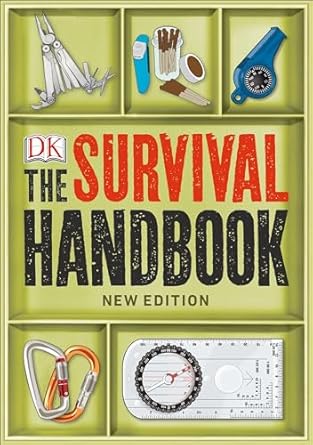
Use The Survival Handbook to practice small wins and realistic drills—it includes step-by-step guides to fire-starting, shelter building, and navigation, reinforcing your confidence.
The Power of Small Wins to Build Confidence
Confidence comes from experience, not wishful thinking. Achieving small survival-related goals—like learning to start a fire or navigate without GPS—proves to yourself that you can handle bigger challenges. Each win becomes a building block for mental strength. Over time, these successes create a strong belief in your ability to survive.
Simulating Survival Scenarios for Realistic Practice
Practice under realistic conditions prepares your mind for the shock of a real emergency. You can simulate scenarios like spending a night outdoors with minimal gear or going without electricity for 24 hours. These exercises reveal weaknesses in your plan and build your confidence in overcoming obstacles. The more realistic the training, the better prepared you’ll be.
Practicing survival scenarios is more effective when you use real gear. The LifeStraw Personal Water Filter is inexpensive and lets you safely try water-sourcing exercises without risk.

Overcoming Fear and Panic
Recognizing the Early Signs of Panic
Panic doesn’t come out of nowhere—it has warning signs like rapid breathing, racing thoughts, and shaky hands. Recognizing these symptoms early gives you a chance to stop them before they take over. Awareness allows you to switch into problem-solving mode instead of letting fear control you. This skill alone can prevent deadly mistakes.
The Wim Hof Method teaches breathing techniques that can calm panic and sharpen focus—exactly what your readers need for the section on overcoming fear.

Breathing and Grounding Techniques to Regain Focus
When panic sets in, controlling your breathing can bring your mind back under control. Deep, slow breaths signal your body that you are safe, even if you’re not. Grounding techniques, like focusing on physical sensations or describing your surroundings out loud, anchor you in the present. These methods are quick and highly effective in emergencies.
Turning Fear into Motivated Action
Fear isn’t always bad—it can be a powerful motivator when used correctly. Instead of letting fear freeze you, channel it into purposeful action. Think of fear as fuel for your survival engine, pushing you to move, think, and act faster. Survival often comes down to turning emotional energy into productive effort.
Staying Mentally Strong in Long-Term Survival
Maintaining Hope in Extended Crises
Hope is more than a feel-good emotion—it’s a survival necessity. In long-term crises, it gives you a reason to keep fighting even when progress seems slow. Small daily goals and reminders of what you’re fighting for can keep hope alive. Without it, mental strength begins to erode.
Keeping a routine and documenting daily goals is easier with the Rite in the Rain Notebook, which works in rain, mud, and even after getting wet.

The Role of Routine in Keeping Your Mind Stable
A simple daily routine can give structure to chaotic survival situations. Routine helps conserve mental energy by reducing decision fatigue. Whether it’s checking your gear at the same time each day or setting aside moments for rest, structure keeps your mind grounded. Stability is essential for long-term resilience.
Finding Purpose When the Situation Seems Hopeless
Purpose provides direction and meaning even when everything feels uncertain. It could be protecting loved ones, reaching a safe zone, or simply proving to yourself you can make it. Purpose keeps your actions intentional and your spirit strong. In survival, having a “why” often determines whether you make it through.
Real-World Examples of Mental Toughness in Survival
Case Studies from Wilderness Survivors
Stories from people who’ve endured extreme wilderness conditions show that mindset often outweighs physical resources. Survivors describe staying calm, improvising, and refusing to give up despite harsh weather and isolation. These real accounts highlight the importance of mental preparation. They prove that survival is as much a mental game as a physical one.
Lessons from Military and Special Forces Training
Military training focuses heavily on mental endurance, teaching soldiers to operate under extreme stress. Techniques like controlled breathing, mental conditioning, and teamwork build resilience. Special Forces units rely on these skills to push through fatigue, fear, and uncertainty. Civilians can adopt many of these strategies for personal preparedness.
What We Can Learn from Historical Survival Stories
History is full of survival stories where mental toughness played a decisive role. From shipwrecked sailors to explorers stranded in the Arctic, survivors consistently relied on mental resilience. These examples remind us that human endurance is often greater than we believe. The same principles apply today, whether in nature or urban emergencies.
Strengthening Mental Toughness for Everyday Life
How Survival Mindset Helps in Non-Emergency Challenges
Mental toughness isn’t just for life-or-death situations—it’s a valuable life skill. The same resilience that helps you survive a storm can help you navigate personal setbacks. Whether it’s a career challenge or a family crisis, the survival mindset builds confidence and perseverance. It’s a skill worth developing before you ever need it.
Training both mind and body is key. The Bear Grylls Adventure Kit includes simple, durable survival tools that make skill practice engaging for families and friends.

Passing Mental Toughness Skills to Family and Friends
Sharing these skills with loved ones makes your entire group stronger. Teaching children coping strategies, resilience habits, and problem-solving builds their independence. In a real emergency, a mentally strong team can function better than a single skilled individual. Preparedness is always stronger when shared.
Combining Mental and Physical Preparedness for Complete Readiness
While mental toughness is essential, pairing it with physical preparedness creates the strongest survival strategy. Skills like first aid, navigation, and self-defense complement a resilient mindset. Together, they form a balanced approach that increases your odds of survival in any situation. A strong body and a strong mind are an unbeatable combination.
Final Thoughts on Building Mental Toughness for Survival
Mental toughness for survival isn’t something you’re born with—it’s a skill you can build over time. Through self-awareness, daily resilience habits, and realistic practice, you can prepare your mind for the unexpected. In any crisis, your mindset will guide your actions and determine your outcome. Build your mental strength now, and you’ll be ready for whatever comes your way.
FAQs
1. Can mental toughness be trained at any age, or does it decline over time?
Mental toughness can be developed at any age. While stress responses may change with experience, consistent mental training, exposure to challenges, and reflective practices allow resilience and emotional control to improve well into later life.
2. How long does it take to noticeably improve mental toughness for survival situations?
Most people begin noticing improvements within a few weeks of consistent practice, especially with stress-control exercises, visualization, and controlled exposure to discomfort. Long-term resilience continues to build over months through repeated experience.
3. Does mental toughness differ between urban and wilderness survival scenarios?
Yes. Urban survival often requires heightened social awareness, decision-making under crowds, and information filtering, while wilderness survival emphasizes solitude tolerance, patience, and environmental adaptability. Both rely on the same core mental skills but apply them differently.
4. Can mental toughness prevent poor moral decisions in extreme survival situations?
Mental toughness helps reduce impulsive behavior and emotional decision-making, allowing individuals to think more clearly under pressure. While it doesn’t eliminate ethical dilemmas, it improves judgment and self-control when stress levels are extreme.
5. How can mental toughness be tested safely without real danger?
It can be tested through controlled challenges such as cold exposure, fasting under supervision, timed problem-solving tasks, simulated power outages, or navigation exercises. These scenarios build psychological resilience without placing someone in real harm.
Other Useful Resources Related To Mental Toughness For Survival
- American Psychological Association – Building Resilience
Authoritative guidance on emotional resilience, stress management, and coping under pressure—directly aligned with survival mindset and mental toughness. - Survival Mindset & Mental Resilience Concepts
A detailed article on how mental resilience, decision-making, and stress responses affect survival psychology. - Building Resilience (Cornell Health)
Practical guidance on self-awareness, focus, meaning, and mental resilience foundations. - Science-Based Resilience & Coping Skill Strategies
A detailed article on how mental resilience, decision-making, and stress responses affect survival psychology. - Psychological Resilience and Mental Strength Guide
Breakdown of resilience building, stress signal recognition, emotional awareness, and coping tools.