
Ever feel like the world’s spinning a little too fast lately? Natural disasters, power outages, food shortages, unexpected emergencies—they’re becoming way too common. That’s where a solid beginner prepping plan comes in. Think of it as your personal safety net, ready to catch you when life throws curveballs.
Prepping isn’t about living in fear. It’s about living with confidence. It’s about knowing you’ve done what it takes to protect yourself, your loved ones, and your peace of mind. And guess what? You don’t need to be a wilderness expert or have a secret bunker to get started.
This guide is for real people with real lives—just like you. Whether you’re in a city apartment or a country cabin, we’ll walk through everything you need to start prepping from scratch. We’re talking food, water, gear, skills, and yes—even prepping on a tight budget.
Ready to start your prepping journey? Let’s dive in.
Table of Contents
Understanding Prepping for Beginners
What Does Prepping Mean?
At its core, prepping means being prepared. It’s about having the right supplies, tools, and mindset to weather any storm—literally or figuratively. It’s not about paranoia or conspiracy theories. It’s about being smart, proactive, and responsible.
Prepping is like life insurance, but for everything else. You hope you never have to use it—but if you do, you’ll be so glad you did.
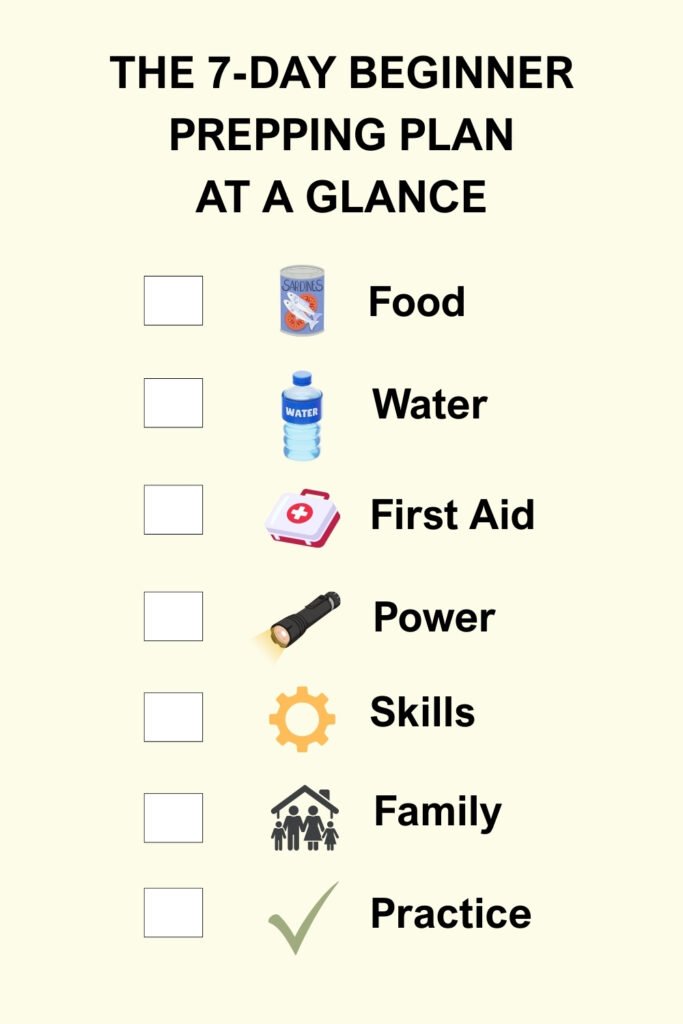
Why Prepping Isn’t Just for “Doomsday” Types
Thanks to reality shows and internet memes, prepping has a bit of a reputation. But the truth? Most preppers are everyday people—parents, teachers, truck drivers, small business owners—who want to be ready. Storms knock out power. Supply chains break. Pandemics happen. These aren’t sci-fi scenarios. They’re real, and they’re happening more often. Prepping isn’t extreme—it’s practical.
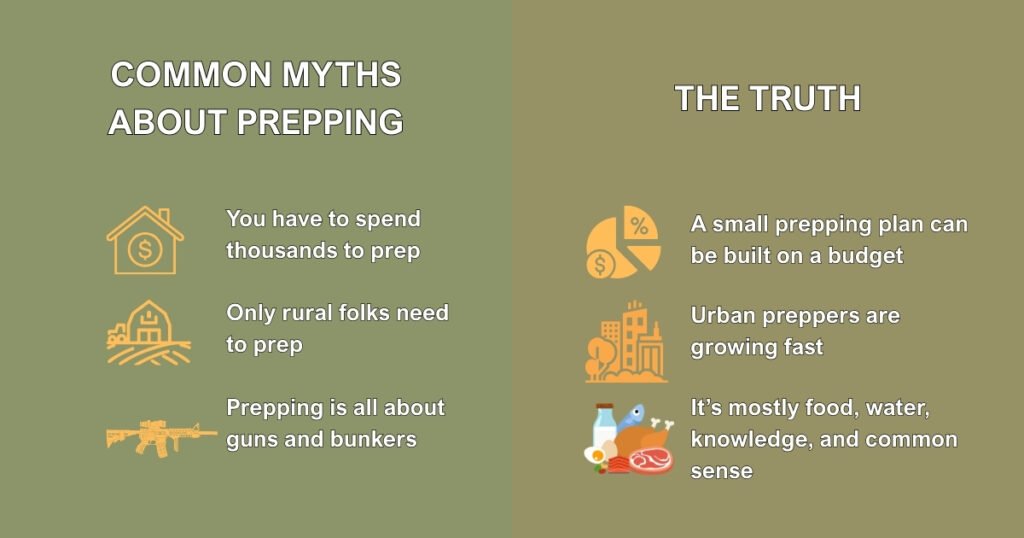
Common Myths About Prepping That You Should Ignore
Let’s bust a few myths right now:
- “You have to spend thousands to prep.” Nope. A smart prepping plan can be built on a budget.
- “Only rural folks need to prep.” Wrong. Urban preppers are growing fast.
- “Prepping is all about guns and bunkers.” Not even close. It’s mostly food, water, knowledge, and common sense.
If you can let go of the Hollywood version of prepping, you’ll be amazed at how approachable it is.
The Mindset Behind a Beginner Prepping Plan
It All Starts with Mindset
You can buy every survival gadget on Amazon, but if your mindset’s not right, it won’t help much. Prepping starts with one simple belief: I am responsible for my safety and well-being. That’s a powerful shift—and it changes how you see the world.
This mindset isn’t about fear. It’s about freedom.
Fear vs. Preparedness
Here’s the thing—fear makes people freeze. Preparedness makes people move. The goal isn’t to live in fear of disasters. It’s to be ready for them, so they don’t shake your world when they show up.
Think of prepping like car insurance. You don’t drive because you expect a crash. But you still keep your insurance, right?
The Psychology of Survival
In a crisis, your brain is your best tool. People who remain calm, think ahead, and stick to a plan are far more likely to navigate tough times successfully. Your prepping plan isn’t just about stockpiling gear. It’s about building mental toughness. Practicing scenarios. Staying cool when things get messy.
Essential Steps to Build Your Beginner Prepping Plan
Prepping Goals: Define What You’re Preparing For
Start simple. Are you worried about natural disasters? Grid failures? Financial collapse? Your plan will look different depending on the risks you care about most.
List your top 3 concerns. That’s your focus. Don’t prep for every apocalypse at once—you’ll burn out fast.
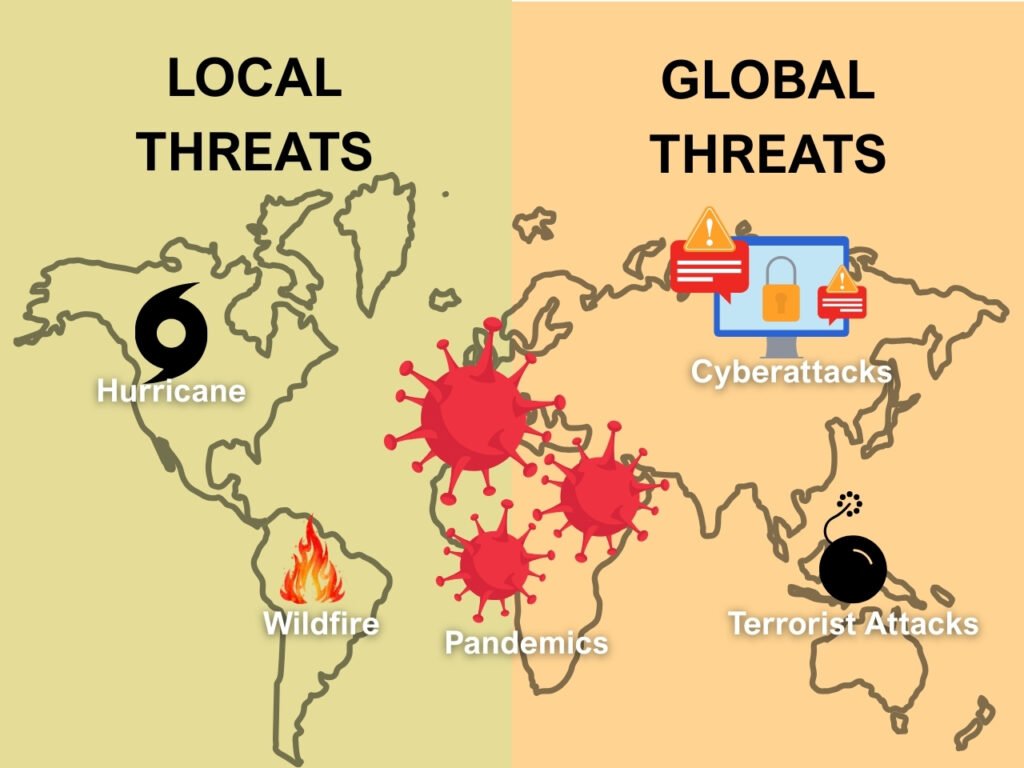
Risk Assessment: Local vs. Global Threats
Every area has unique risks. Floods, wildfires, hurricanes, blackouts—they hit some places harder than others. Make sure your plan fits your location. Check local emergency websites or talk to neighbors about past events.
Prepping smart means prepping specifically.
Location Analysis: Urban, Suburban, or Rural Prepping
- Urban preppers often face challenges such as space limitations, crowds, and infrastructure breakdowns.
- Suburban preppers have more flexibility, but still face grid reliance.
- Rural preppers may be isolated, but they often have more space for storing supplies and growing gardens.
Tailor your beginner prepping plan to where you live now, not where you dream of living someday.
The Must-Have Prepping Basics for Every Newbie
Food Storage Essentials
You don’t need freeze-dried astronaut food (unless you want it). Start with:
- Canned beans, soups, and veggies
- Rice, pasta, oats
- Peanut butter, powdered milk, and granola bars
Aim for at least 2 weeks of shelf-stable food per person. Store what you have already eaten. Rotate regularly.
Water Is Life
FEMA says 1 gallon per person per day. Store a minimum of 3 days’ worth, but go for 2 weeks if you can.
Use food-grade barrels, sealed jugs, or stackable containers. Learn to purify water with filters, tablets, or boiling.
The LifeStraw Personal Water Filter turns contaminated water into safe drinking water instantly. No chemicals, no batteries—just sip and survive. It’s a must-have for bug-out bags and home kits alike.

First Aid Kits
A solid kit should include:
- Bandages and antiseptics
- Pain relievers and allergy meds
- Gloves, tweezers, scissors
- Emergency medications
Bonus: Learn basic first aid and CPR. That knowledge is priceless.
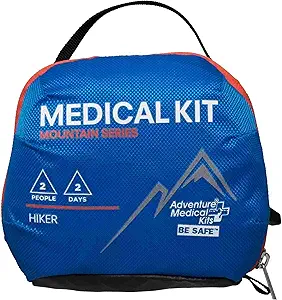
The Adventure Medical Kits Mountain Series offers a rugged, well-organized emergency first aid kit designed for quick access. It’s waterproof, comprehensive, and ideal for home, travel, or survival situations.
Power Outage Gear
Keep the lights on (or at least your phone charged):
- Flashlights and headlamps (with extra batteries)
- Solar chargers
- Hand-crank radios
- Power banks
Trust me, your future self will thank you when the power’s out and you can still make coffee.
Building Your Emergency Bug-Out Bag
What Is a Bug-Out Bag and Why Do You Need One
Imagine this: You’ve got minutes—maybe seconds—to evacuate. No time to pack. No time to think. That’s where your bug-out bag comes in. It’s a grab-and-go emergency kit packed with everything you need to survive for 72 hours.
Keep it somewhere accessible—by the door, in your car, or even under your desk at work.
The REEBOW GEAR Tactical Backpack is a military-style 3-day assault pack with a molle system, hydration compatibility, and plenty of compartments for organizing your bug-out essentials with ease.

Must-Pack Items: 72-Hour Essentials
Every bag should have:
- Water: At least 3 liters (or water purification tablets/filter)
- Food: High-calorie, no-cook options
- Clothing: A full change, including underwear and socks
- First Aid Kit
- Flashlight & Batteries
- Multi-tool or knife
- Cash
- Phone charger or power bank
- Important documents
Optional but smart:
- Blanket or sleeping bag
- Poncho
- Whistle
- Mask
- Local map
Lightweight Gear That Packs a Punch
Pick gear that’s:
- Multi-purpose
- Lightweight
- Weatherproof
Quality over quantity, always.
The Vont LED Tactical Flashlight is a compact but powerful flashlight built for emergencies, storms, or daily use. With zoom capabilities and multiple light modes, it’s ultra-bright, weather-resistant, and comes in a convenient 2-pack.

Home Prepping: Fortifying Your Living Space
Home Defense Basics for Peace of Mind
- Reinforced locks and window bars
- Motion sensor lights
- Basic tools for self-defense
- Emergency alert systems
Off-Grid Prepping: Generators, Solar, and Beyond
Options include:
- Portable generators
- Solar panels and power banks
- Solar lanterns
- Non-electric cooking stoves
The Jackery Portable Power Station Explorer 240 delivers reliable off-grid electricity for blackouts, emergencies, or remote camping. Compact and solar-ready, it charges your phone, lights, and more without noise or fumes.

Creating Safe Zones Inside Your Home
Designate one room in your home as your dedicated “safe zone” for emergencies like storms or civil unrest. Choose an interior room without windows, preferably on the lowest floor, to maximize protection. Stock this room with essential supplies such as water, non-perishable food, flashlights, a first aid kit, blankets, and a battery-powered radio. Having a well-prepared safe zone ensures your family has a secure place to retreat when danger strikes unexpectedly.
Skills Every Beginner Prepper Should Learn
Cooking Without Electricity
Practice using:
- Camp stoves
- Solar ovens
- No-cook meal plans
The Gas ONE Dual Fuel Portable Stove is a lightweight, powerful cooking option that works with both propane and butane. Great for cooking full meals during power outages or when off-grid.

Basic Medical Skills and CPR
Learn how to:
- Stop bleeding
- Treat burns
- Identify shock
- Perform CPR
Navigation and Communication During Chaos
Prepare to operate without GPS:
- Paper maps
- Compass
- Walkie-talkies
- Emergency radio
The Suunto MC-2 Compass is a professional-grade navigation tool built for survivalists and outdoor adventurers. When GPS fails, this mirror compass helps you stay on track and find your way safely.

The Midland 2-Way Emergency Radios provide long-range, battery-efficient communication and NOAA weather alerts. A smart backup communication tool for power outages or emergencies when phones don’t work.

Budget-Friendly Prepping Tips
Prepping on $10 a Week
Build your stash slowly:
- Week 1: Water
- Week 2: Batteries
- Week 3: Canned goods
- Week 4: First aid items
DIY Alternatives to Expensive Gear
- Homemade rocket stove
- DIY rainwater catchment
- Cardboard solar oven
Smart Prepping with Dollar Store Finds
Buy:
- Flashlights
- Shelf-stable food
- Hygiene items
- Bandages and meds
Prepping With Family in Mind
How to Prep With Kids or Elderly Relatives
Adapt your plan for:
- Medications
- Kid-friendly food and entertainment
- Lightweight gear for seniors
Building a Community or Prepping Group
A group gives you:
- Shared labor
- Extra security
- Diverse skill sets
Pets and Prepping
Include:
- Extra food
- Bowls and leashes
- Pet meds
- Vet records
The Ready America Pet Evacuation Kit includes food, water, collapsible bowls, a leash, and pet first aid—everything your furry friend needs to stay safe during a bug-out or shelter-in situation.

Staying Organized and Updated
How to Track Supplies and Expiration Dates
- Use bins and shelves
- Track with notebooks or apps
- Rotate regularly (FIFO)
Creating and Reviewing Checklists
Use checklists for:
- Food and gear
- First aid
- Go-bag
- Contacts
Keeping Digital and Physical Copies of Your Plan
Have:
- Printed maps and documents
- USB backups
- Emergency instructions
Mistakes to Avoid When Starting Your Beginner Prepping Plan
The Trap of Panic Buying
- Don’t hoard
- Stick to your plan
- Focus on needs, not hype
Skipping the Practice Runs
Do real-world tests:
- Cook meals using prep gear
- Practice bug-outs
- Go one weekend off-grid
Ignoring Mental and Emotional Prep
Prepping is psychological. Stay:
- Focused
- Calm
- Informed
Prepping for Short-Term vs. Long-Term Events
The Difference in Supplies and Mindset
- Short-term: Comfort and safety
- Long-term: Sustainability and adaptation
Temporary Disasters vs. Societal Collapse
Plan in layers:
- Power outage
- Economic instability
- Full-grid failure
Adapting Your Prepping Plan as Situations Evolve
- Update every 6 months
- Add new gear and skills
- Include life changes (kids, moves, jobs)
Prepping Scenarios to Practice
Fire, Flood, or Blackout Simulations
Try:
- 24-hour blackout
- Grab-and-go practice
- “No fridge” food drills
Family Evacuation Drills
- Assign roles
- Time how fast you can leave
- Use multiple exits
Lockdown or Shelter-in-Place Practice
- Secure your home
- Use emergency supplies
- Track weak points
Staying Informed and Adapting Your Beginner Prepping Plan
Best Resources: Books, Blogs, and YouTube Channels
Recommended:
- The Prepper’s Blueprint
- City Prepping (YouTube)
- Survival Mom (blog)
The Prepper’s Blueprint is a comprehensive guide that walks beginners through food storage, water filtration, security, and long-term prepping. A go-to book for anyone serious about being ready.

How to Verify Information in an Emergency
- Stick to official sources (FEMA, CDC)
- Cross-check reports
- Use HAM radios for updates
Evolving Threats and How to Keep Up
Keep learning and adjusting your plan.
Conclusion
Prepping doesn’t have to be scary, expensive, or complicated. With the right beginner prepping plan, you’re not just preparing for disaster—you’re building a lifestyle rooted in confidence, independence, and peace of mind. Start small. Be consistent. And remember: every can of food, every flashlight, every plan you make brings you one step closer to being ready, not just for emergencies, but for life.
You’ve got this.
So take that first step today.
Your future self will be so grateful you did.
FAQs – Beginner Prepping Plan
1. How do I talk to my spouse or family about prepping if they’re skeptical?
Start by focusing on everyday, relatable situations—like power outages or job loss—and how prepping provides peace of mind. Avoid doomsday talk and instead emphasize self-reliance and readiness for common disruptions. Share real-life examples or headlines that illustrate the value of being prepared. Over time, as they see your progress and reasoning, they’ll likely warm up to the idea.
2. Is it better to focus on bugging out or bugging in as a beginner?
3. What’s the best way to store important documents for emergencies?
Make both digital and physical copies. Store physical versions in a waterproof, fire-resistant pouch (like in your safe zone or bug-out bag), and scan copies to save on an encrypted USB drive or cloud storage. Documents should include IDs, insurance, medical records, and emergency contacts. In a crisis, access to these can save time, stress, and even lives.
4. How do I prep if I live in a small apartment with limited space?
Use vertical storage, under-bed bins, and closet organizers to maximize space. Focus on compact, multi-use gear and rotate supplies regularly to avoid clutter. Keep a well-organized bug-out bag handy in case you ever need to leave quickly. Even in a tiny space, you can build an efficient prepping setup by thinking creatively and minimizing waste.
5. How do I stay motivated to keep prepping after the first week?
Set small, achievable weekly goals—like buying one new item or learning one new skill. Join online prepping communities for support, tips, and motivation. Keep a visible checklist of progress to remind yourself how far you’ve come. Remember, prepping is a lifestyle, not a one-time task—consistency is key.
Other Useful Resources Related To The Beginner Prepping Plan
- Emergency Preparedness and Response – CDC: Offers comprehensive guidance on staying safe during various public health and natural emergencies (CDC)
- Build a Kit – Ready.gov: An official FEMA-backed checklist for assembling a basic emergency supply kit (Ready.gov)
- Preparing for Disaster – FEMA PDF: A concise guide outlining the four key preparedness steps: get informed, make a plan, assemble a kit, and maintain it (FEMA)
- Make a Plan – Ready.gov: A structured framework from Ready.gov on family communication, evacuation routes, and shelter plans (Ready.gov)
- Emergency Kit Checklist: Kids and Families – CDC: Tailored advice for household preparedness, including documents, child needs, and pets (CDC)