Some of the links in this post are affiliate links. As an Amazon Associate, we earn a referral fee from qualifying purchases—at no extra cost to you.
When it comes to emergencies, prepping with kids adds an extra layer of complexity — and urgency. You’re not just thinking about your own safety but also about how to keep your little ones calm, safe, and informed. This guide dives deep into prepping with kids’ emergencies so you can feel confident and prepared no matter what hits.
Table of Contents
Why Prep with Kids Emergencies Is Crucial for Every Parent
Emergencies can strike at any moment — from natural disasters to power outages. When children are involved, the stakes feel even higher. Kids depend on you for guidance, safety, and reassurance. Prepping with kids’ emergencies means planning to reduce fear and confusion and ensuring your whole family can handle whatever comes your way.
Understanding Children’s Unique Needs During Emergencies
Kids process stress differently from adults. Their emotional response can range from fear to confusion, and they often mirror the reactions of adults around them. Knowing this helps tailor your emergency plan to include emotional support, age-appropriate communication, and comfort items that help kids feel safe.
Building an Emergency Kit That Works for Kids
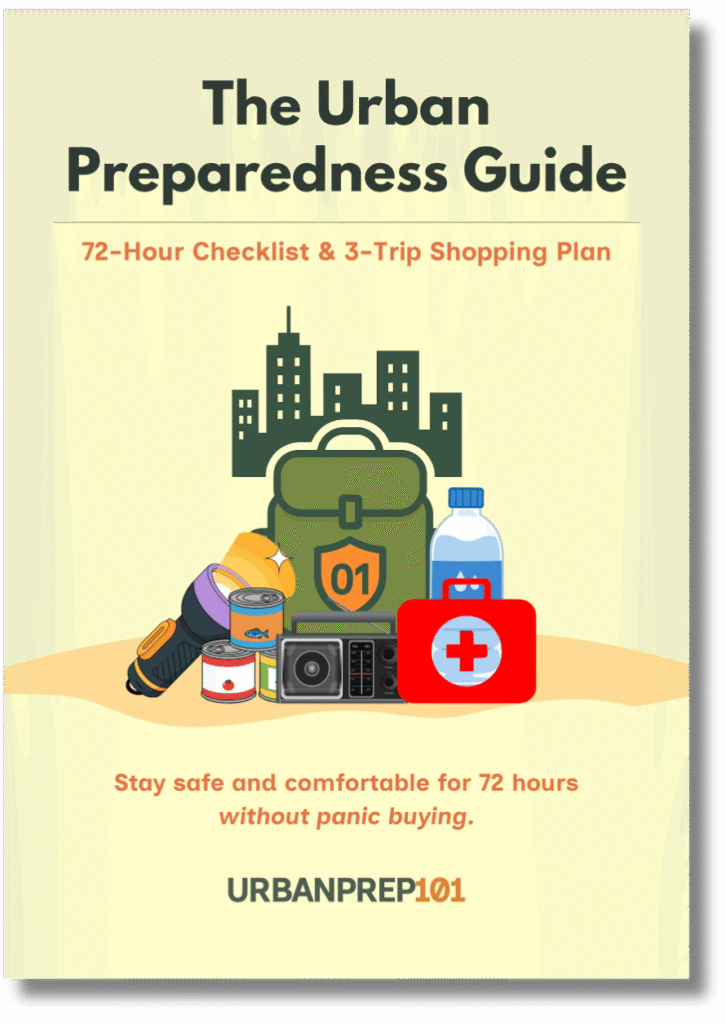
A standard emergency kit won’t cut it when prepping for emergencies with kids. You’ll need to add kid-specific items like favorite snacks, toys, extra diapers or wipes, and medications. Don’t forget entertainment—books or small games can make a huge difference in stressful situations.
Must-Have Items for Kids in Your Emergency Kit
- Non-perishable kid-friendly snacks
- Bottled water and formula
- Extra clothes and blankets
- First aid supplies tailored for children
- Comfort items like stuffed animals or blankets
- Hygiene products for infants and toddlers
GoGo SqueeZ Applesauce On The Go, Variety Pack
These shelf-stable, mess-free applesauce pouches are perfect for kids and require no refrigeration.

Similac Ready-to-Feed Infant Formula with Iron
No mixing or measuring required—just open and feed. Great for emergencies when water or time is limited.

TILLYOU Micro Fleece Baby Blanket
Lightweight, warm, and compact—ideal for your emergency kit without taking up space.

Designed specifically for children, this kit includes colorful bandages, kid-friendly ointments, and more.

GUND Baby Animated Flappy the Elephant Plush Toy
A soft, soothing stuffed animal that talks and flaps its ears—perfect emotional support during scary situations.

WaterWipes Baby Wipes, 720 Count
Chemical-free, hypoallergenic wipes that are safe for sensitive baby skin.

Creating a Family Emergency Communication Plan That Kids Can Understand
When prepping with kids in emergencies, communication is king. Make sure your plan includes a simple, clear way to contact each other, along with designated meeting spots. Teach your kids their full names, your phone numbers, and how to call emergency services.
Practicing Emergency Drills with Your Children: Make It Fun and Educational
Regular drills help kids feel less scared and more confident. Turn practice into a game—use flashlights for blackout drills or have a race to your safe spot. Repetition builds muscle memory and reduces panic during real emergencies.
Preparing for Common Emergencies: Tailored Tips for Families with Kids
From hurricanes to fires, each emergency requires specific planning when kids are involved. Learn what dangers to anticipate and how to prepare your family accordingly. For example, having a fire escape plan with multiple exits and practicing it is vital.
Managing Kids’ Anxiety and Fears During Emergencies
Kids pick up on tension and uncertainty, which can increase anxiety. Stay calm, provide clear information, and validate their feelings. Using simple explanations and reassuring gestures goes a long way in calming fears.
How to Educate Your Kids About Emergency Preparedness Without Scaring Them
Honesty is important, but so is keeping it age-appropriate. Use stories, cartoons, or kid-friendly books to explain emergencies. Let them ask questions and provide answers that empower rather than alarm.
The Role of Schools and Caregivers in Emergency Prep with Kids
Coordinate with your children’s schools and caregivers to ensure everyone is on the same page. Know their emergency protocols and supply requirements. Share your family plan, so children receive consistent messages.
Special Considerations for Infants, Toddlers, and Children with Special Needs
Emergency prepping isn’t one-size-fits-all. Babies require formula, diapers, and soothing items. Children with special needs might need medication, assistive devices, or calming tools. Tailor your emergency supplies and plans to accommodate these unique needs.
Staying Prepared on the Go: Car and Daycare Emergency Kits for Kids
Emergencies don’t always happen at home. Keep a smaller emergency kit in your car and send one with your child to daycare or school. Include essentials like water, snacks, and comfort items to cover unexpected delays.
How to Involve Kids in the Prepping Process to Build Confidence and Responsibility
Kids love to help! Involve them in packing kits, choosing supplies, and practicing drills. This involvement builds confidence, reduces fear, and teaches responsibility. Plus, it makes prepping a family bonding activity.
Balancing Normalcy and Preparedness: Keeping Life Fun While Staying Ready
It’s important that prepping doesn’t consume your family life. Maintain regular routines, playtime, and celebrations. Prepping should feel like part of life, not a looming threat. This balance helps kids feel secure and loved.
How Technology Can Help When You Prep Emergencies with Kids
Use apps for weather alerts, emergency contacts, and first aid guides. Some apps even have kid-friendly emergency instructions. Technology can be a great support tool, but don’t rely on it exclusively — always have backups.
What to Do After an Emergency: Supporting Your Kids Through Recovery
Emergencies leave lasting effects. Children may feel scared or unsettled long after the event. Be patient, listen, and create a safe space for them to share feelings. Seek professional help if needed and gradually return to routine.
Conclusion
Prepping for kids’ emergencies might seem daunting, but it’s one of the most important things you can do to protect your family. From building the right kit to practicing drills and managing emotions, every step you take boosts your family’s resilience. Remember, preparedness is love in action — and teaching your kids these skills today sets them up for a safer, calmer tomorrow.
FAQs – Prep With Kids Emergencies
1. What are the best ways to keep kids entertained during a prolonged emergency?
Parents can prepare a variety of activities such as coloring books, puzzles, storytelling, or portable electronic games with headphones to keep children engaged without causing stress.
2. How can I teach my child to stay calm if separated from family during an emergency?
Teach kids to find a trusted adult, like a police officer or teacher, memorize important phone numbers, and use a pre-agreed meeting spot if separation occurs.
3. What foods are safest to store for children with allergies in emergency kits?
Focus on non-perishable, allergy-friendly snacks such as rice cakes, certain dried fruits, or homemade granola bars made without common allergens. Always check labels and consider consulting your pediatrician.
4. How can parents prepare kids with sensory processing issues for emergencies?
Include calming sensory tools like weighted blankets, noise-canceling headphones, or fidget toys in emergency kits. Practice drills in a gentle, gradual way to avoid overwhelming the child.
5. Is it necessary to teach kids how to use emergency tools or first aid kits?
Yes! Age-appropriate training can empower children. Simple lessons like how to call 911 or basic first aid can build confidence and safety awareness.
Other Useful Resources Related To Preparing Emergencies with Kids
- Ready.gov – Emergency Preparedness for Children
This official government site offers comprehensive resources specifically designed to help families prepare children for emergencies. It includes games, activities, and practical advice to engage kids in emergency planning. - American Red Cross – Family Emergency Plan
The Red Cross provides a detailed guide on creating a family emergency plan, emphasizing communication, evacuation routes, and roles, with easy-to-follow steps that work well for families with kids. - Centers for Disease Control and Prevention (CDC) – Emergency Preparedness for Children
The CDC’s resource hub focuses on protecting children during disasters, offering guidance on health, safety, and emotional well-being tailored for kids in emergencies. - National Safety Council – Emergency Preparedness with Kids
This site shares practical safety tips for families, highlighting how to include children in emergency planning and preparedness to foster confidence and resilience. - FEMA – Creating a Family Emergency Communication Plan
FEMA provides a downloadable PDF guide on building a clear family communication plan, essential for keeping kids informed and connected during emergencies.