Some of the links in this post are affiliate links. As an Amazon Associate, we earn a referral fee from qualifying purchases—at no extra cost to you.
Starting your prepping journey feels empowering, doesn’t it? Like you’ve finally taken control. But here’s the harsh truth—most beginners make the same survival-wrecking mistakes.
It’s not your fault. There’s a ton of advice out there, but not all of it is helpful. Some of it can actually be dangerous. That’s why we’re going to break down the beginner prepper mistakes to avoid—so you can stay safe, smart, and one step ahead of disaster.
Let’s dive into the most common pitfalls and how you can sidestep them with confidence.
Table of Contents
Why Learning Beginner Prepper Mistakes to Avoid Is Crucial
Ignorance Can Be Dangerous
When disaster hits, ignorance isn’t bliss—it’s a death sentence. Beginners often skip the research stage and jump straight into buying gear. That’s like buying a parachute without learning how to skydive.
Lessons From Real-World Disasters
From Hurricane Katrina to the 2020 pandemic panic-buying, real emergencies expose the cracks in our planning. People ran out of food, water, and medicine—because they didn’t plan, they panicked. Learn from their mistakes so you don’t repeat them.
Overlooking the Basics of Survival
Not Covering the Core Survival Needs
Water, food, shelter, safety. That’s your foundation. But many new preppers stock up on flashlights and knives without securing a clean water source or a plan to stay warm in the winter.
Forgetting Water Is More Important Than Food
You can live for weeks without food, but only three days without water. Yet many preppers store buckets of rice and no water filter. Prioritize clean water first, always.
LifeStraw Personal Water Filter
Forget rice buckets—clean water is a survival priority #1. The LifeStraw filters up to 1,000 gallons without chemicals. Compact and reliable for any bug-out bag.

Relying Too Much on Gear
Buying Fancy Gadgets Instead of Learning Skills
Do you really need that $300 tactical spork? Probably not. Skills like fire-starting, basic first aid, and map reading are way more valuable—and free to learn.
SAS Survival Handbook by John ‘Lofty’ Wiseman
Instead of buying flashy tools, learn real-world survival skills from this time-tested manual used by military and civilian preppers alike.

Overpacking and Underplanning
A 60-pound bug-out bag might look cool, but can you carry it five miles uphill? Probably not. Know your physical limits and plan gear accordingly.
Ignoring Food Storage Fundamentals
Storing the Wrong Kind of Food
Don’t just fill your pantry with MREs and protein bars. Choose shelf-stable items your family actually eats. If you hate beans now, you’ll hate them even more in a crisis.
Augason Farms Freeze-Dried Whole Raspberries Can
Packed with Vitamin C, these crisp, tart raspberries are perfect for emergency food storage. With a 30-year shelf life and 23 servings per can, they add flavor and nutrition to your survival stash—no refrigeration needed.

Not Rotating Stock or Checking Expiry Dates
Nothing like opening your emergency stash during a blackout and finding everything expired. Rotate your stock regularly—“first in, first out” is your golden rule.
Not Having a Realistic Bug Out Plan
No Clear Destination or Route
Bugging out sounds heroic until you’re stuck on a clogged freeway with no plan B. Always have multiple routes, and know where you’re going. “Into the Woods” isn’t a plan—it’s a fantasy.
GPS might fail. This compass provides reliable navigation when roads are congested or technology is unavailable.

Relying on a Vehicle Only
Gas runs out. Roads get blocked. Have a backup plan that includes your feet. And yes, practice it. Your body will thank you later.
Skipping Physical and Mental Preparation
Underestimating the Need for Fitness
If you can’t walk up a flight of stairs without wheezing, you won’t last long in a crisis. Get fit—not for looks, but for survival.
Neglecting Stress and Panic Readiness
Can you think straight under pressure? If not, practice now. Meditation, visualization, and stress training can build your mental resilience.
Failing to Test or Practice Plans
Never Try a Dry Run
You wouldn’t use a parachute without a test jump, right? Same logic. Try living 72 hours using only your supplies. You’ll learn fast what you forgot.
Wise Owl Outfitters Camping Hammock
Perfect for backyard or wilderness trial runs. Learn what it feels like to sleep outside with this lightweight, compact, and highly rated hammock.

Assuming Your Family Will Just “Know” What to Do
Without communication and drills, your family might freeze when it matters most. Assign roles and run through scenarios together.
Focusing Only on One Type of Threat
Ignoring Natural Disasters for SHTF Scenarios
Too many preppers focus on EMPs and zombie apocalypses but ignore more likely disasters—like fires, floods, and storms. Prepare for what’s probable, not just what’s dramatic.
Midland ER310 Emergency Crank Radio
Natural disasters often hit first. This radio gives NOAA alerts, solar/crank power, and even charges your phone—versatile for all threats.

Not Preparing for Short-Term Crises
Even a three-day blackout or layoff can derail life. Short-term events happen more often, and being ready for them builds long-term resilience.
Not Including the Whole Family
Leaving Kids or Partners Out of the Plan
You’re not alone in this. If your partner doesn’t know how to purify water or where the supplies are, your plan has holes.
Ready America 4-Person Emergency Kit
A complete, ready-made 3-day survival kit for a family of four—water, food, tools, and more. Great for teaching each family member their role.

Not Having Roles Assigned
In an emergency, no one should be guessing. Everyone should know their job—whether it’s grabbing the bug out bag, turning off utilities, or managing supplies.
Hoarding Instead of Preparing
Accumulating Without a Strategy
Stacks of canned food mean nothing if they’re scattered in your garage. Organize, label, and know exactly what you have.
Stackable Emergency Storage Totes
Keep your preps labeled, sorted, and easy to access. Durable bins avoid the chaos of scattered supplies in a garage or closet.

Not Sharing With the Community
Prepping doesn’t mean turning into a lone wolf. Build relationships. A strong community increases your survival odds way more than isolation.
Skipping Financial Preparedness
Debt Is a Prepper’s Worst Enemy
You can’t stock up if your paycheck disappears into credit card bills. Reduce debt so you can invest in real preparedness.
Diversion Safe Can (Hidden Storage)
Looks like a soda can, but hides emergency cash. Perfect for keeping small bills safe and accessible when ATMs go down.

Not Having Emergency Cash on Hand
ATMs don’t work in a blackout. Keep small bills hidden in a safe place—you’ll need them for fuel, food, or unexpected bribes.
Depending Solely on Technology
No Backup for GPS or Digital Tools
If your phone dies, do you know how to find north? Carry physical maps and learn how to use a compass—your life may depend on it.
Forgetting How to Navigate Without a Phone
Apps are cool, but skills are better. Know how to navigate using the sun, landmarks, and good old-fashioned intuition.
Being Too Secretive or Too Open
The Risks of Telling Everyone
Don’t broadcast your stockpile to the world. That’s asking for trouble. Loose lips sink ships—and maybe your pantry too.
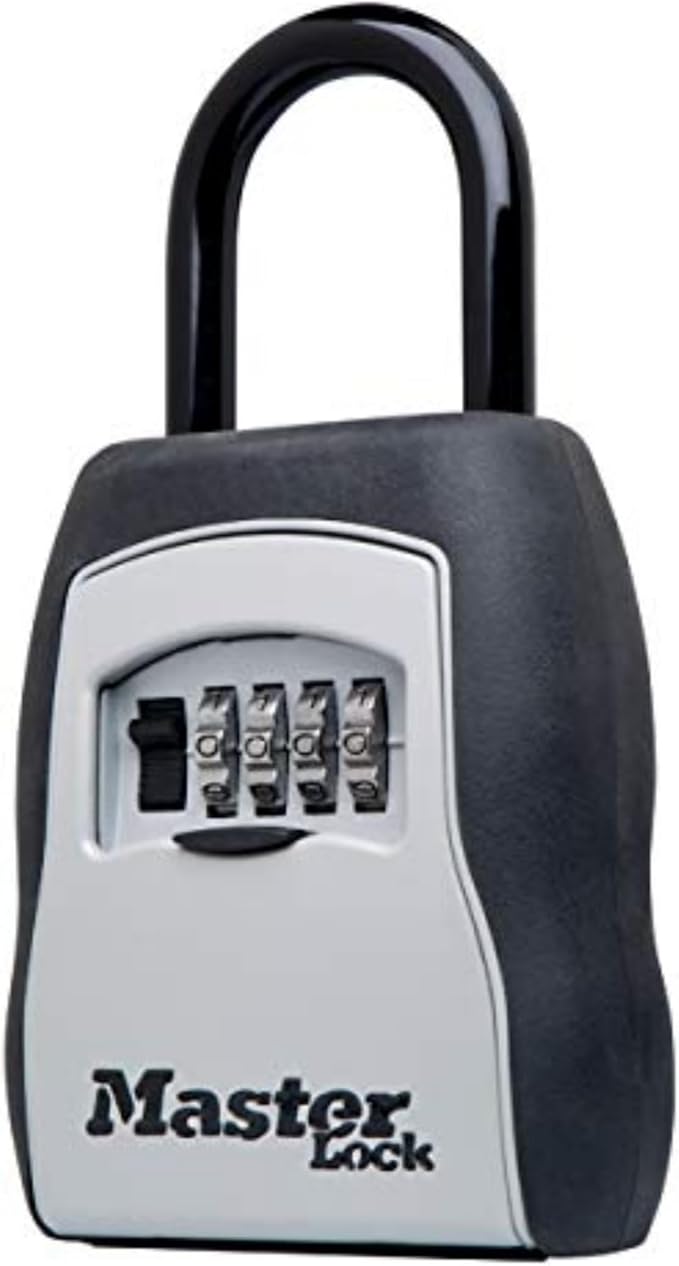
Secure your most vital supplies without broadcasting them. Great for apartment dwellers or car preppers who want stealth and control.
The Dangers of Total Isolation
But don’t be a lone wolf either. Trusted neighbors can be allies. Isolation in a disaster often leads to poor outcomes.
Poor Location Choices for Prepping
Not Understanding Your Surroundings
If your home’s in a floodplain or wildfire zone, prepping indoors won’t be enough. Evaluate risks and adapt your strategy.
NOAA All-Hazards Weather Alert Radio
Receive real-time alerts tailored to your exact location. Helps you understand environmental risks—and prep accordingly.

Living in Denial About Risks
Don’t assume “it won’t happen here.” Disasters strike anywhere. Wake up to the real risks around you.
Incomplete or Unorganized Bug Out Bag
Packing Too Much or Too Little
A cluttered pack slows you down, and a light one might leave you exposed. Balance is key—test your load and tweak as needed.
REEBOW GEAR Military Tactical Backpack
The gold standard in prepper bags. Tough, spacious, and compartmentalized to avoid the mistake of a poorly packed or cluttered BOB.

Missing Critical Items Like Meds or Maps
Did you remember your inhaler? How about backup glasses? Personal essentials matter just as much as knives and water filters.
Trusting Unverified Prepper Sources
Getting Advice From YouTube “Experts”
Just because someone has a cool beard and bunker doesn’t mean they know what they’re doing. Vet your sources. Use logic.
“Build the Perfect Bug Out Bag” by Creek Stewart
Skip YouTube nonsense. Creek Stewart is a certified survival instructor whose guide gives no-BS advice on what to pack and why.

Falling for Fear-Based Marketing
Not every emergency requires a $500 bucket of freeze-dried ice cream. Stay rational. Prep with your brain, not your fear.
Overconfidence and Complacency
Thinking “It Won’t Happen to Me”
This mindset is the silent killer of preppers. Complacency breeds failure. Stay humble, stay alert.
Prepping & Survival Checklist Notebook
Keep yourself humble and organized with a physical logbook. Perfect for tracking your gear, expiration dates, and training schedule.

Letting Your Guard Down After Progress
Just because you’ve prepped for a few months doesn’t mean you’re ready. Survival is a marathon, not a sprint.
How to Correct Beginner Prepper Mistakes
Create a Checklist and Audit Yourself
Once a month, review your gear, food, water, and plans. Cross-reference with this list and make necessary adjustments.
Stay Humble and Keep Learning
Prepping is never “done.” Keep reading, keep practicing, and keep learning. Your future self will thank you.
Final Thoughts on Beginner Prepper Mistakes to Avoid
Everyone starts somewhere, and making mistakes is part of the journey. But some errors are too costly to ignore. The good news? You don’t have to learn the hard way.
By recognizing these beginner prepper mistakes to avoid, you’re already ahead of 90% of the crowd. So keep preparing, keep practicing, and stay vigilant—your survival may one day depend on it.
FAQs – Beginner Prepper Mistakes To Avoid
1. What’s the biggest mindset mistake new preppers make?
Many new preppers adopt an “all or nothing” mindset—thinking they must go full survivalist immediately. This leads to burnout and poor decision-making. Prepping should be a gradual, sustainable lifestyle shift, not a panic-driven sprint.
2. How much money should a beginner invest in prepping?
There’s no one-size-fits-all amount. Start small—prioritize essentials like water filters, first aid, and food storage. You can build up over time. Overspending early is a common trap that leaves beginners broke and overwhelmed.
3. Is it better to bug in or bug out for most emergencies?
For most real-world scenarios (storms, blackouts, pandemics), bugging in is safer and more practical. Bugging out should be a last resort. Beginners often glamorize bugging out without realizing the risks involved.
4. Should beginners focus on prepping for rare doomsday events?
No. Start by prepping for likely, local events like power outages, job loss, or storms. These happen more often and prepare you better for larger disasters later.
5. How can I keep prepping without making myself feel paranoid or anxious?
Prepping should empower you, not stress you out. Avoid doomscrolling and fear-based media. Focus on learning practical skills, building confidence, and creating peace of mind through preparation.
Other Useful Resources Related to Beginner Prepper Mistakes to Avoid
1. Ready.gov – Emergency Supply Kit
https://www.ready.gov/kit
A comprehensive government guide outlining essential items for building your emergency supply kit, covering water, food, and safety essentials.
2. CDC – Emergency Water Supply Planning
https://www.cdc.gov/water-emergency/about/how-to-create-and-store-an-emergency-water-supply.html
Official advice on how to create, store, and maintain a safe emergency water supply to ensure hydration during crises.
3. Utah Department of Environmental Quality – Water Storage Tips
https://deq.utah.gov/drinking-water/emergency-water-storage
Detailed recommendations on home water storage, including container types, storage duration, and purification methods.
4. University of Georgia Extension – Emergency Food Supply Guide
https://www.fcs.uga.edu/extension/preparing-an-emergency-food-supply-short-term-food-storage
Expert guidance on selecting, storing, and rotating emergency food supplies that are practical and nutritious.
5. ThePrepared.com – Best Emergency Water Storage Containers
https://theprepared.com/homestead/reviews/best-two-week-emergency-water-storage-containers
In-depth reviews and comparisons of water storage containers to help you avoid beginner mistakes and choose reliable gear.