Life in the city feels stable until the moment it isn’t. A sudden blackout, a water disruption, or a citywide emergency can turn a comfortable apartment into a stressful environment within hours. That’s why building your first urban survival kit is not about panic or extreme thinking, but about taking responsibility for your own safety. It gives you options when systems fail and confidence when others feel overwhelmed.
An urban survival kit is very different from a wilderness setup. It focuses on practicality, discretion, and realistic city threats rather than outdoor survival fantasies. This guide walks you through how to build a reliable urban survival kit that fits apartments, offices, and everyday city life, while staying simple, effective, and easy to maintain.
Table of Contents
Why Building Your First Urban Survival Kit Is No Longer Optional
Modern cities rely on interconnected systems that tend to fail together instead of separately. When the power goes out, water pressure can drop, payment systems stop working, and mobile networks quickly become unreliable. What starts as a minor inconvenience often escalates into a serious disruption within a short period of time. Preparing in advance gives you a crucial buffer while others scramble for last-minute solutions.
Building your first urban survival kit allows you to remain calm and avoid risky situations like crowded stores or chaotic public spaces. Instead of reacting emotionally, you respond with purpose. Preparation turns emergencies into manageable situations rather than overwhelming crises.
Understanding Urban Survival vs Wilderness Survival
Urban survival is less about nature and more about infrastructure, people, and movement. In cities, high population density, limited space, and legal restrictions shape how emergencies unfold. Visibility, noise, and blending in often matter more than rugged gear or extreme tools. Survival favors those who can adapt quietly and efficiently.
When preparing for urban emergencies, realism is essential. You are far more likely to face blackouts, water shortages, lockdowns, or severe weather than a wilderness scenario. Understanding this difference helps you build a kit that actually works in a city environment.
The Core Philosophy Behind Building Your First Urban Survival Kit
The most effective urban survival kits are built around problem-solving. Every item should answer a clear question, such as how you will drink water, stay warm, treat an injury, or stay informed. Items that do not solve realistic urban problems add weight and confusion during stressful moments. Simplicity increases reliability.
Urban preparedness is about buying time, not surviving indefinitely without help. A well-designed kit allows you to function independently until services return or relocation becomes safe. This mindset keeps your preparation focused, efficient, and sustainable.
Common Urban Emergencies You Must Prepare For
Power outages and blackouts
Power outages in cities rarely affect only lighting. Elevators stop working, refrigeration fails, water pumps lose pressure, and phone batteries suddenly become critical. High-rise residents may find themselves climbing stairs in the darkness or unable to leave their building easily. Preparing in advance allows you to maintain visibility, communication, and basic comfort during extended outages.
Water shortages and contamination
Urban water systems depend heavily on electricity, meaning outages can disrupt supply quickly. Even when water continues to flow, contamination or boil advisories can make it unsafe to drink. Many people underestimate how much water they rely on until it becomes scarce. Having water stored and purification tools available removes panic from the equation.
Civil unrest and lockdowns
Cities can become tense quickly when fear and misinformation spread. Protests, curfews, or lockdowns can restrict movement and overwhelm emergency services. Crowds often increase risk rather than safety, especially during uncertain situations. Preparation allows you to remain sheltered, supplied, and calm while avoiding unnecessary exposure.
Extreme weather in cities
Urban environments amplify weather events due to concrete heat retention and limited drainage. Heatwaves can turn apartments into dangerous ovens, while winter storms can leave buildings unheated for days. Flooding can block roads and delay emergency response even after storms pass. Preparedness helps you remain safe and comfortable during these conditions.
Choosing the Right Bag for Your Urban Survival Kit
The bag you choose determines whether your kit is practical or ignored. In cities, a discreet appearance matters far more than tactical features. Neutral colors and everyday designs help you blend in without drawing attention. Comfort is equally important, as an uncomfortable bag will quickly be left behind.
Your bag should match your daily routine and movement patterns. Whether you commute, work from home, or travel frequently, accessibility is key. A survival kit only works if you can carry it when you need it.
Backpack vs sling vs messenger bag
Backpacks distribute weight evenly and allow hands-free movement, making them ideal for longer distances. Sling bags offer quick access and work well for compact kits, but can strain one shoulder over time. Messenger bags blend naturally into commuter environments but offer less stability when moving quickly. The best option is the one that fits how you already move through the city.
Size, weight, and discreet appearance
Bigger is not always better in urban preparedness. Overpacked bags slow down movement and attract attention in crowded environments. Compact, well-organized kits are easier to manage under stress. Discretion helps you stay unnoticed, which is often safer than standing out.
Water: The Foundation of Every Urban Survival Kit
Water is the most critical resource during any emergency. Even mild dehydration affects energy levels, focus, and decision-making. Urban disruptions can make clean water difficult to access faster than most people expect. Planning for hydration should always be a top priority.
A strong urban kit includes both stored water and purification options. This combination provides flexibility if conditions change. Redundancy reduces risk when water sources become uncertain.
Water storage options for apartments
Limited space does not mean you cannot store water effectively. Collapsible water containers and stackable bottles fit easily under beds or inside closets. Even a small reserve can dramatically reduce stress during outages. Consistent planning matters more than having large quantities.
Reliance Aqua-Tainer 7-Gallon Water Container
This container is compact, durable, and ideal for apartment storage, providing a reliable source of emergency water without taking up excessive space.

Portable water filtration and purification
Urban water sources may include rainwater, rooftop tanks, or public fixtures that are not always safe. Portable filters remove debris and contaminants, while purification tablets eliminate bacteria and viruses. Carrying both provides flexibility across different scenarios. This layered approach improves safety when water quality is uncertain.
LifeStraw Personal Water Filter
This lightweight filter allows you to drink safely from questionable water sources, making it ideal for city emergencies where clean water access is limited.

Food Essentials for Urban Survival
Food supports both physical energy and mental stability during emergencies. Stress increases calorie burn, and hunger quickly affects mood and judgment. Urban emergencies often limit cooking options, making food selection especially important. Convenience and shelf life matter more than variety.
Choose foods that require no preparation and minimal water. Familiar foods provide comfort during stressful situations. Simplicity increases reliability when conditions are unpredictable.
No-cook foods and calorie density
High-calorie foods like energy bars, canned protein, and nut butter provide sustained energy without cooking. These foods are easy to consume even under stress or fatigue. Dense calories reduce the amount of food you need to carry. Familiarity makes eating easier when appetite drops.
Datrex Emergency Survival Food Rations
These compact rations offer long shelf life and high calorie density, making them ideal for urban survival kits where space is limited.

Shelf life and rotation strategies
Even long-lasting foods eventually expire. Rotating supplies keeps everything fresh and prevents waste. Eating what you store ensures familiarity and avoids digestive surprises during emergencies. Simple calendar reminders make maintenance easy and consistent.
Urban Survival First Aid Essentials
Medical help may be delayed during widespread emergencies. Minor injuries can become serious without proper care. A well-stocked first aid kit helps bridge the gap when professional help is unavailable. Preparation reduces reliance on overwhelmed healthcare systems.
Your kit should cover both everyday injuries and more serious situations. Balanced preparation improves confidence and safety. Medical readiness is often overlooked but critically important.
Trauma vs basic medical supplies
Trauma supplies address bleeding, burns, and severe injuries that require immediate attention. Basic medical items support comfort, mobility, and hygiene during extended disruptions. Both categories play an important role in urban emergencies. A balanced kit prevents small problems from becoming major issues.
Everlit Emergency Trauma First Aid Kit
This kit includes essential trauma supplies suitable for handling serious injuries when medical response is delayed.

Medications and personal needs
Prescription medications should always be prioritized in your kit. Missing even a few doses can create serious complications. Including copies of prescriptions adds flexibility if replacements are needed. Medical continuity supports overall resilience.
Personal Safety and Self-Defense Tools
Urban emergencies can change social behavior rapidly. Darkness, fear, and scarcity increase risk in unpredictable ways. Situational awareness is often your most effective defense. Equipment should support avoidance rather than confrontation.
Safety tools must be chosen carefully and legally. Responsible preparation avoids creating additional problems. Prevention is always preferable to escalation.
Legal considerations in urban areas
Laws governing defensive tools vary widely by location. Items legal in one city may be restricted in another. Understanding local regulations prevents unnecessary legal trouble. Preparedness should never compromise safety through legal risk.
Non-lethal protection options
Non-lethal tools such as pepper spray or personal alarms create space and time without permanent harm. High-lumen flashlights can disorient threats while improving visibility. These tools support deterrence and escape rather than confrontation. Discretion remains essential.
Sabre Pepper Spray with Belt Clip
This compact, easy-to-carry option provides an effective non-lethal defense tool suitable for urban environments.

Lighting and Power Solutions for City Blackouts
Darkness changes how people behave and how environments feel. Reliable lighting restores a sense of control and safety. Power keeps communication tools functional during outages. Redundancy ensures you are never left completely in the dark.
A mix of lighting and charging options covers different needs. Efficiency matters when batteries are limited. Planning preserves functionality.
Flashlights, headlamps, and lanterns
Flashlights offer focused illumination for navigation, while headlamps free your hands for tasks. Lanterns provide ambient light for living spaces. Using multiple types ensures flexibility across different situations. Redundancy improves reliability.
Energizer LED Headlamp Pro
This headlamp provides hands-free lighting and long battery life, making it ideal for apartment and stairwell navigation during blackouts.

Power banks and solar chargers
Phones become lifelines during emergencies. Power banks extend usability when outlets are unavailable. Compact solar chargers add resilience during prolonged outages. Maintaining power keeps you informed and connected.
Anker PowerCore 20000 Portable Charger
This high-capacity power bank can recharge phones multiple times, making it a dependable backup during extended outages.

Clothing and Personal Comfort Items
Comfort directly affects morale and decision-making. Being cold, overheated, or uncomfortable increases fatigue and stress. Clothing acts as protection rather than a luxury during emergencies. Smart layering improves adaptability.
Hygiene also plays a role in health and confidence. Small comforts make extended disruptions more manageable. These items support mental resilience.
Layering for urban climates
Layering allows quick adjustment to changing temperatures. Lightweight layers trap heat efficiently without bulk. Accessories like hats and gloves provide significant warmth for minimal weight. Versatility increases comfort in unpredictable conditions.
Hygiene and sanitation essentials
Basic hygiene prevents illness and boosts morale. Wet wipes, toothbrushes, and hand sanitizer maintain cleanliness without running water. Cleanliness supports mental clarity and confidence. Small routines help restore normalcy.
Combat Wipes ACTIVE Biodegradable Wet Wipes
These large, durable wipes are ideal for staying clean when showers and running water are unavailable.

Communication Tools When Networks Fail
Cell networks overload quickly during emergencies. Internet access may disappear without warning. Reliable information becomes scarce and valuable. Backup communication tools reduce uncertainty and anxiety.
Planning for communication beyond smartphones increases resilience. Low-tech tools often remain effective when modern systems fail. Information supports better decision-making.
Radios and offline information
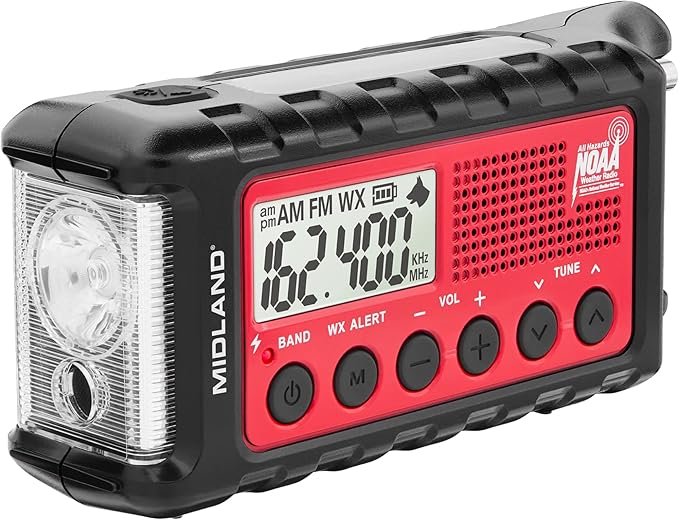
Battery-powered or hand-crank radios provide news updates without internet access. Accurate information reduces fear and rumors. Knowing what is happening helps you plan your next steps. Radios remain dependable when other systems fail.
Midland ER310 Emergency Crank Weather Radio
This radio provides weather alerts, emergency broadcasts, and multiple power options for extended emergencies.
Emergency signaling methods
Simple signaling tools require no power or infrastructure. Whistles and reflective items attract attention when needed. These tools are lightweight and dependable. Low-tech options often work best.
Navigation and Situational Awareness in Cities
Urban environments become confusing during disruptions. Familiar routes may be blocked or unsafe. GPS can fail without a signal or power. Backup navigation tools prevent hesitation and poor decisions.
Situational awareness helps you avoid trouble rather than react to it. Observation reduces risk. Planning improves confidence.
Maps, landmarks, and escape routes
Paper maps never lose power. Knowing landmarks improves orientation under stress. Planning multiple routes increases flexibility and safety. Preparation prevents paralysis during emergencies.
Staying informed during chaos
Pay attention to changes in behavior around you. Listen more than you speak. Avoid unnecessary attention or confrontation. Awareness keeps you ahead of developing risks.
Important Documents and Cash
Digital systems fail quickly during emergencies. Identification and records become essential for access and recovery. Cash still works when electronic payments do not. Preparation protects both identity and flexibility.
Physical backups complement digital storage. Redundancy prevents complications. Options increase security.
Protecting identity and records
Store copies of identification and insurance in waterproof sleeves. Physical documents remain useful when devices fail. Losing paperwork increases stress unnecessarily. Preparation simplifies recovery.
Pelican G40 Waterproof Go Case
This case protects important documents and small electronics from water damage during emergencies.

Why cash still matters in emergencies
ATMs require power and connectivity. Cash enables purchases and services when systems are down. Even small amounts increase options and independence. Financial flexibility supports resilience.
Tools That Matter in an Urban Environment
Urban tools solve practical problems amplified by emergencies. Repairs, access, and improvisation become essential. Versatility matters more than specialization. Simple tools often outperform complex ones.
Choose tools you know how to use. Familiarity increases effectiveness. Preparation favors practicality.
Multi-tools and everyday carry gear
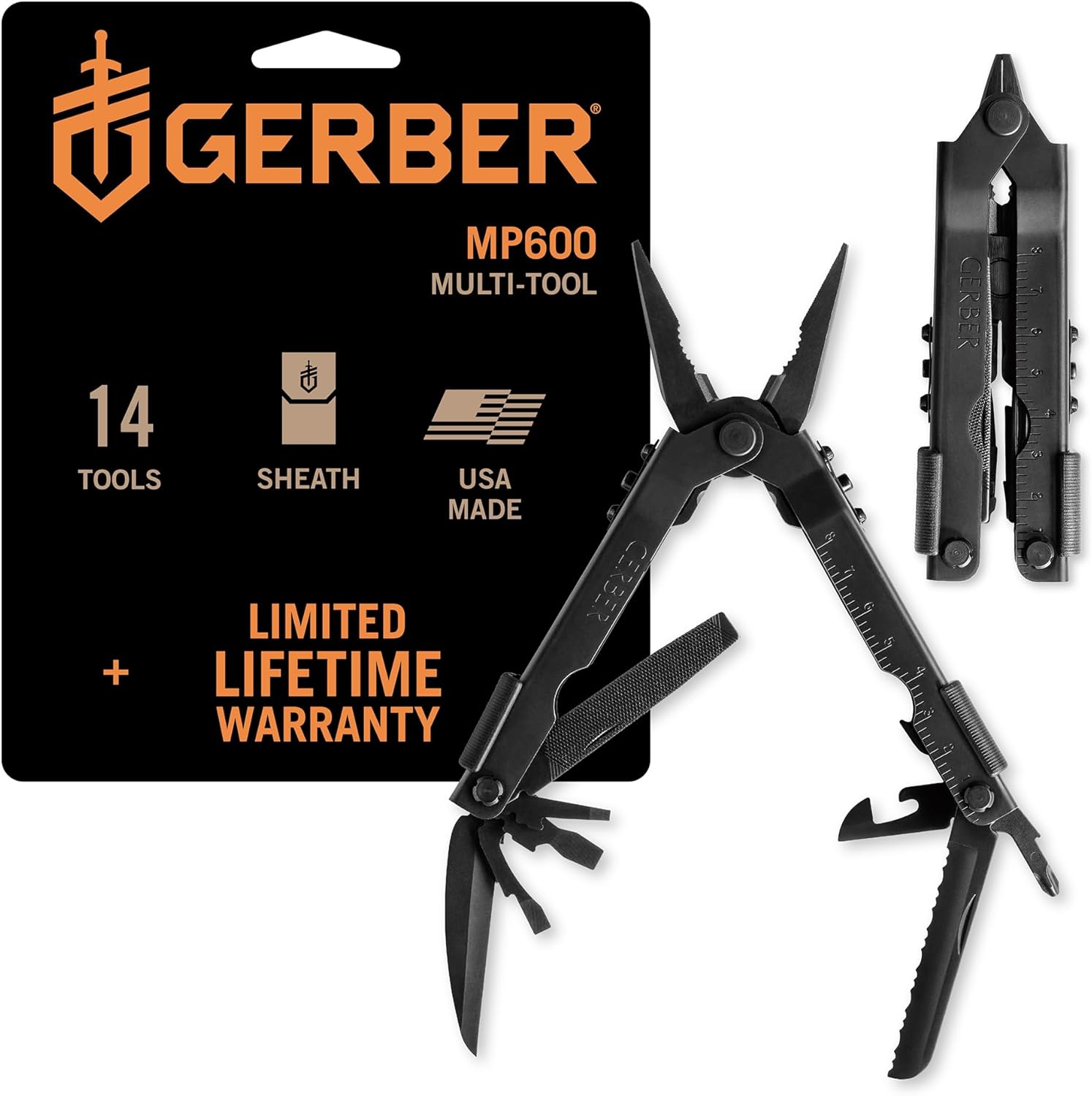
Multi-tools combine multiple functions into a compact form. They handle repairs, cutting, and adjustments efficiently. Discreet design suits urban environments. One tool replaces several items.
Recommended product: Leatherman Wingman Multitool
This multitool offers essential functions in a compact, city-friendly design ideal for everyday carry.
Leatherman Wingman Multitool
This multitool offers essential functions in a compact, city-friendly design ideal for everyday carry.
Practical urban repair items
Items like duct tape and zip ties solve countless problems. They secure broken gear and create temporary fixes. Lightweight and inexpensive, they offer high utility. Improvisation keeps you moving forward.
Psychological Preparedness and Urban Survival Mindset
Mental readiness determines how well you use your gear. Stress narrows thinking and impairs judgment. Preparation builds confidence before emergencies occur. Calm decision-making saves energy and reduces mistakes.
Mindset complements equipment. Training your reactions matters. Confidence grows with planning.
Managing stress and fear
Controlled breathing stabilizes the nervous system. Familiar routines reduce anxiety. Preparedness builds confidence over time. Calm minds make better decisions.
Decision-making under pressure
Pre-planned priorities reduce hesitation. Clear goals guide action. Confidence improves speed and accuracy. Preparation removes uncertainty.
Customizing Your Urban Survival Kit for Your Lifestyle
Urban lifestyles vary widely. A commuter’s needs differ from someone who works from home. Customization improves usefulness and relevance. Generic kits rarely fit real situations.
Your environment determines priorities. Personalization increases effectiveness. Thoughtful planning matters.
Apartment dwellers vs commuters
Commuters need lightweight, portable kits they can carry daily. Apartment dwellers can store additional supplies at home. Both approaches require planning. Location influences preparation.
Families, pets, and special needs
Children and pets increase planning requirements. Comfort items reduce stress for everyone involved. Medical and dietary needs must be addressed. Inclusive planning protects the entire household.
Storage, Organization, and Maintenance
A kit that is difficult to access is effectively useless. The organization improves response time during emergencies. Maintenance keeps gear functional and reliable. Consistency sustains readiness.
Preparedness is an ongoing process. Small habits make a big difference. Reliability builds confidence.
Keeping your kit accessible
Store your kit where it can be grabbed quickly. Avoid burying it behind clutter or seasonal items. Emergencies do not allow time for searching. Accessibility saves precious minutes.
Regular inspections and updates
Check batteries, food, and documents periodically. Replace expired items promptly. Familiarity with your kit improves confidence. Maintenance ensures readiness.
Mistakes to Avoid When Building Your First Urban Survival Kit
Overpacking adds unnecessary weight and draws attention. Underpacking leaves dangerous gaps. Buying gear without testing it leads to failure when it matters most. Balance and practice determine success.
Final Thoughts on Building Your First Urban Survival Kit
Building your first urban survival kit is about confidence and control, not fear. It allows you to stay calm when systems fail and gives you options when others feel trapped. Preparation replaces panic with clarity and purpose. Start small, improve gradually, and stay consistent.
FAQs – Building Your First Urban Survival Kit
1. How much should an urban survival kit realistically cost for beginners?
A beginner urban survival kit does not need to be expensive to be effective. Most people can build a reliable starter kit for a modest budget by focusing on water, food, lighting, and basic medical supplies first. Costs can be spread out over time by adding items gradually instead of buying everything at once. The goal is functionality and reliability, not premium or tactical gear.
2. How long should an urban survival kit be designed to last?
Most urban survival kits should be designed to sustain you for at least 72 hours, which aligns with common emergency response timelines. In large-scale city emergencies, help may take longer due to population density and infrastructure strain. Some people choose to extend their kits to 5–7 days, depending on space and lifestyle. Planning beyond 72 hours increases comfort and resilience, not panic.
3. Should I keep separate urban survival kits at home, work, and in my car?
Having multiple kits significantly improves preparedness in urban environments. Emergencies do not always happen when you are at home, and commuting disruptions are common in cities. A small workplace or commuter kit can bridge the gap until you reach your primary supplies. Redundancy increases safety without requiring full duplication of gear.
4. How often should an urban survival kit be updated or replaced?
Urban survival kits should be reviewed at least twice a year to account for expired food, depleted batteries, or lifestyle changes. Seasonal shifts may require clothing or comfort adjustments. Major life changes, such as moving apartments or changing jobs, also warrant updates. Regular maintenance keeps your kit relevant and reliable.
5. Is it safe to tell others that I have an urban survival kit?
Discretion is generally recommended in urban preparedness. Advertising that you are well-prepared can attract unwanted attention during emergencies. Sharing information selectively with trusted family members or household members is usually sufficient. Quiet preparedness helps you stay safe and avoid becoming a resource target.
Other Useful Resources Related To Building Your First Urban Survival Kit
- Ready.gov – Build a Basic Emergency Kit (U.S. Department of Homeland Security)
A clear, government-backed guide on assembling emergency kits — great for reinforcing your kit-building fundamentals. - American Red Cross – Emergency Preparedness Checklist
Offers practical guidance on emergency readiness, first aid, and family preparedness — aligns well with your mindset and planning sections. - Ready.gov – Emergency Planning & Printable Toolkit (PDF)
A free downloadable toolkit with checklists, planning templates, and an emergency supply kit checklist you can link or embed. - NYC Emergency Management – Disaster Preparedness Tips
City government guidance on household disaster planning, communication, and preparedness that’s directly usable for urban readers. - Urban Survival Kit Guide – Instructables
A practical, step-by-step guide showing how to put together an urban survival kit with everyday and affordable items.