
Some of the links in this post are affiliate links. As an Amazon Associate, we earn a referral fee from qualifying purchases—at no extra cost to you.
When the unexpected strikes in the city — a blackout, natural disaster, or civil unrest — having a DIY urban survival kit can be your lifeline. But what exactly should go in this kit? How do you build one that’s compact yet powerful enough to keep you safe and comfortable? Let’s dive into everything you need to know to craft the ultimate survival pack tailored for urban life.
Table of Contents
Why You Need a DIY Urban Survival Kit Today
The modern city feels safe, but beneath the surface, threats can pop up without warning. Imagine a sudden blackout plunging your neighborhood into darkness or a major storm knocking out power and water for days. In these moments, you’re on your own.
Having a DIY urban survival kit means you’re not waiting helplessly for help — you’re ready. It’s peace of mind wrapped in a backpack.
The Urban Jungle is Not as Safe as You Think
Cities pack thousands of people and infrastructure into tight spaces, which can become chaotic fast. From accidents to protests, power failures to pandemics, urban areas present unique survival challenges that a typical camping kit won’t solve.
Real-World Scenarios That Call for Urban Survival Preparedness
- Prolonged blackouts
- Natural disasters like earthquakes or floods
- Transportation shutdowns
- Food and water shortages
- Civil unrest and curfews
In any of these, a DIY urban survival kit can be your best friend.
What Is a DIY Urban Survival Kit?
Simply put, it’s a personalized collection of essential tools, supplies, and gear designed to help you survive and thrive during urban emergencies. Unlike pre-packaged kits, DIY means you pick exactly what fits your lifestyle, environment, and budget.
DIY vs Pre-Made Kits: Why Building Your Own Wins
Pre-made kits can be bulky or filled with stuff you don’t need. A DIY kit is custom-tailored — lightweight, compact, and exactly what YOU need to tackle your urban environment.
Plus, assembling your own kit teaches you valuable survival skills and awareness.
Key Components of a DIY Urban Survival Kit
Building a survival kit for the city is like packing for an unpredictable trip. You want compact, versatile, and reliable items.
Compact Emergency Shelter
Even in a city, shelter matters. Whether you’re stuck outside or your apartment is unsafe, shelter protects you from the elements.
- Lightweight Tarp: Can be pitched easily for quick cover.
- Emergency Bivy Sack: Compact and windproof for protection when space is tight.
Portable Food Supplies
Urban survival isn’t just about shelter — you need fuel to keep going.
- No-Cook Meals: Think energy bars, dehydrated fruits, nuts, and ready-to-eat canned goods.
- High-Calorie Snacks: Lightweight but packed with nutrition to sustain energy.
Long-Term Water Solutions
Water is the trickiest urban survival element. Tap water can be compromised, so prepare ahead.
- Water Pouches: Store clean water for emergencies.
- Portable Water Filter: Allows you to source water from questionable supplies safely.
Essential Urban Survival Tools You Can’t Skip
Your kit’s tools should cover a range of urban scenarios.
Multi-Tool for Every Situation
From fixing gear to opening cans or cutting rope, a good multi-tool is a survival staple.
A trusted multi-tool packed with 18 functions, perfect for quick repairs, food prep, or self-defense. Built tough for real-world emergencies.

Urban-Specific Self-Defense Items
In tight city environments, self-defense matters. Pepper spray, tactical pens, or even loud whistles can deter threats without causing harm.
Flashlight or Headlamp: Light in the Darkness
Power outages demand reliable light sources. A bright, compact flashlight or headlamp will keep you safe navigating dark streets.
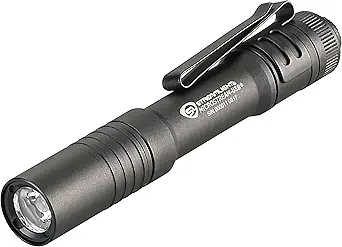
Streamlight MicroStream USB Rechargeable Flashlight
Ultra-compact but powerful. Clip to your hat or pocket and delivers up to 250 lumens. Recharge via USB—no batteries needed.
Must-Have First Aid Supplies for Urban Survival
In the city, medical help might be delayed. A solid first aid kit saves lives.
Adventure Medical Kits Urban Survivor Kit
Includes trauma tools, bandages, and treatments for urban-specific risks. Packable and designed for city threats.

Basic First Aid Components
Bandages, antiseptic wipes, painkillers, and allergy meds are essential.
Overlooked Items That Save Lives in Urban Chaos
Tourniquets, burn gel, and sterile gloves might not be glamorous but can be game-changers.
Communication Tools for the Grid-Down Scenario
When phones die or networks fail, stay connected with low-tech communication.
FosPower Emergency Weather Radio (Model A1)
Solar, hand-crank, and USB charging. Includes SOS alerts, flashlight, and power bank features — all in one compact radio.

Emergency Radios: Stay Informed When the Internet Fails
Battery-powered or hand-crank radios pick up news and alerts you can’t get online.
Signal Mirrors, Whistles, and Low-Tech Communication
Simple but effective for attracting help or communicating without electricity.
DIY Urban Survival Kit for Small Spaces
Apartment living means space is premium, so fitting a survival kit without clutter is a challenge. Focus on multi-use and compact gear that efficiently covers your needs. Prioritize items that serve several purposes to save space. Smart packing lets you stay ready without sacrificing your living area.
Fitting an Entire Kit in a Backpack
Choose lightweight, versatile gear to maximize what fits inside a single backpack. Multi-tools, compact food, and foldable items reduce bulk. Keeping your kit portable ensures quick access in emergencies. A well-packed backpack balances preparedness with convenience.
Space-Saving Hacks for Apartment Preppers
Vacuum bags can compress clothes and soft supplies to save space. Store gear in unused furniture or hidden compartments to keep clutter down. Rotate your supplies regularly to avoid expired items taking space. These tricks help maintain a neat and ready prep area.
Urban Camouflage and Blending In
Standing out during a crisis may attract unwanted attention and danger. Blending in with your surroundings helps keep you safe and unnoticed. Avoid carrying gear openly or dressing like you’re heading into the wild. Urban camouflage is a vital survival skill.
Why Looking “Normal” Might Save Your Life
Carrying prepper gear visibly can make you a target in unstable situations. Dressing and acting like a regular city dweller reduces suspicion. Keep your survival kit discreet and accessible without drawing attention. Normal appearance often means safer passage.
Concealing Your Gear in Plain Sight
Use everyday backpacks or bags that don’t look like survival kits. Choose neutral colors and common brands to avoid standing out. Clever concealment helps protect your gear from theft or scrutiny. Discretion is a key part of urban prepping.
Power and Energy Backup Essentials
Phones and devices keep you informed and connected — don’t let them die.
Anker PowerCore 20000mAh Portable Charger
Charge your phone multiple times. Reliable, fast-charging, and slim enough to fit your urban bug-out bag.

Pocket Solar Chargers and Hand Crank Options
Portable solar panels and hand crank generators provide power off-grid.
FosPower Emergency Solar Hand Crank Radio with Power Bank
19240mWh Portable Power Bank, solar panel, hand crank, flashlight, and SOS alerts — ideal for blackouts and emergencies.

Keeping Your Phone Alive in Emergencies
Carry extra power banks charged and ready.
Personal Hygiene and Sanitation in an Urban Crisis
Crowded, chaotic conditions breed germs fast. Stay clean to stay healthy.
Combat Wipes ACTIVE Outdoor Wet Wipes
Biodegradable, individually wrapped, and strong enough for full-body cleaning. A hygienic must-have in city emergencies.

Compact Hygiene Kit Items
Travel-size soap, hand sanitizer, toothbrush, and wet wipes.
Preventing Disease in Crowded Urban Environments
Don’t overlook sanitation. Pack portable toilet supplies if needed.
Budget-Friendly Tips for Assembling Your Kit
Survival doesn’t have to break the bank. With smart shopping and creativity, you can build a reliable kit on a budget. Prioritize essentials that provide the most value and utility. Stretching your dollars wisely ensures you’re prepared without overspending.
Dollar Store Finds That Work Surprisingly Well
Basic first aid supplies, flashlights, and hygiene items are often available cheaply at dollar stores. These low-cost options can cover foundational needs in your kit. While not always premium quality, they’re effective for everyday preparedness. Combine them with higher-quality gear for balance.
DIY Alternatives to Expensive Survival Gear
Making your own emergency blankets or water filters using household items saves money and builds useful skills. DIY solutions can be surprisingly effective when crafted correctly. Experimenting with homemade gear also increases your understanding of survival basics. These projects add value without draining your wallet.
Seasonal Considerations for Your Urban Survival Kit
Cities change with the seasons, and so should your survival kit. Adapting your gear to temperature and weather extremes is critical. A well-prepared kit addresses both heat and cold challenges. Seasonal readiness boosts your comfort and safety year-round.
Prepping for Winter Blackouts
Extra blankets, hand warmers, and insulated clothing can be lifesavers during winter power outages. Keeping warm is essential to prevent hypothermia and maintain morale. Stock seasonal items ahead of cold months for quick access. Proper winter prep minimizes risks when utilities fail.
Hot Climate Adjustments You Can’t Ignore
In hot weather, hydration packs, cooling towels, and sun protection become priorities. Heat exhaustion and dehydration pose serious dangers in urban survival scenarios. Adjust your kit to include these essentials before temperatures rise. Staying cool and hydrated preserves energy and focus.
Mental Toughness and Urban Survival Mindset
Survival is as much mental as physical. Psychological preparedness helps you stay calm and make smart decisions under pressure. Cultivating resilience and adaptability strengthens your response to unexpected events. A strong mindset often determines success or failure.
The Role of Psychological Preparedness
Stay calm, think clearly, and adapt quickly—your mindset can outlast many challenges. Mental training reduces panic and improves problem-solving during crises. Regular mindfulness and stress management exercises build this skill. Being mentally prepared complements your physical gear.
Training and Practice for Urban Survival Skills
Regular drills, first aid practice, and situational awareness sharpen your readiness. Skills degrade without use, so consistent practice keeps you sharp. Training also builds confidence and reduces fear in emergencies. Make learning a continuous part of your prep plan.
Maintenance and Rotation of Your DIY Urban Survival Kit
Your kit isn’t a one-and-done project; it requires ongoing care. Regular checks ensure gear functions properly and supplies are fresh. Without maintenance, even the best kit can fail when you need it most. Scheduling routine upkeep prevents last-minute surprises.
When and How to Rotate Items
Check expiration dates and replace used or outdated gear regularly. Rotate food, water, and medications based on manufacturer guidelines. Using a calendar or app reminder helps keep rotation on track. This simple habit keeps your kit safe and reliable.
Updating Based on Life Changes and New Threats
Final Thoughts on Creating Your DIY Urban Survival Kit
Building your own DIY urban survival kit isn’t about paranoia — it’s about empowerment. Start small, focus on essentials, and grow your kit as you learn. When the unexpected hits, you’ll be the calm in the storm — ready, equipped, and confident.
FAQs – DIY Urban Survival Kit
1. How often should I check and update my DIY urban survival kit?
You should check your survival kit at least every 6 months. Rotate out expired food, dead batteries, and seasonal items. After major life changes like moving or a new job, reassess your kit’s relevance.
2. Should I create different versions of my urban survival kit for work, home, and my car?
Yes. It’s smart to have tailored kits in each major location you frequent. A small EDC (Everyday Carry) version can stay at work or in your bag, a more complete version at home, and an emergency mini-kit in your car.
3. Can I take my DIY urban survival kit through airport security?
No, many items (like multi-tools, knives, or liquids over 100ml) are prohibited in carry-on luggage. If you’re traveling by air, consider creating a TSA-compliant version or shipping the full kit ahead of time.
4. What’s the best type of bag to use for an urban survival kit?
A discreet, durable backpack or messenger bag that blends in with your surroundings is ideal. Avoid tactical-looking gear that could draw attention during emergencies.
5. What skills should I learn to maximize the usefulness of my survival kit?
Learn basic first aid, how to purify water, read a map, start a fire (even indoors safely if needed), and develop situational awareness. Your gear is only as effective as your ability to use it.
Other Useful Resources Related To DIY Urban Survival Kit
1. Ready.gov – Emergency Supply Kit Checklist
Get a printable, authoritative checklist from FEMA’s Ready Campaign covering water, food, first aid, communication, sanitation, tools, and more—designed for both urban and rural scenarios. (thebugoutbagguide.com, Ready)
2. Instructables – DIY Survival Kit for Urban & Wilderness
A step-by-step guide detailing essential components—like folding shovels, 300 lb rope, and shelter materials—great for expanding your kit beyond basics. (Instructables)
3. Instructables – 30‑Item Altoids Tin Urban Survival Kit
A fun and practical breakdown of how to build a compact kit using everyday items that fit into an Altoids tin. Perfect for an ultra-lightweight EDC solution. (Instructables)
4. The Bug Out Bag Guide – TUUSK Urban Survival Kit
An expertly curated list of shelter, communication, and signaling tools (like SOL blankets, Eton FRX2 radio, paracord, duct tape, and emergency whistles) tailored for city conditions. (thebugoutbagguide.com)
5. SurvivalSchool.us – How to Build a Personal Urban Survival Kit
In-depth recommendations on cutting tools (Leatherman, Swiss Army Knife), fire starters (lighters, striker, waterproof matches), water keys, and map/navigation advice—great for professional insight. (survivalschool.us)