
Some of the links in this post are affiliate links. As an Amazon Associate, we earn a referral fee from qualifying purchases—at no extra cost to you.
When the taps stop running and bottled water vanishes from store shelves, what’s your backup plan? Water is life—literally. So knowing how to store water long term isn’t just smart; it’s essential for anyone who wants to stay safe, prepared, and confident in a crisis.
Let’s dive into everything you need to know to build a reliable long-term water supply you can count on when SHTF.
Table of Contents
Why Long-Term Water Storage Is a Life-Saving Priority
The Dangers of Running Out of Clean Water
You can survive weeks without food, but only a few days without water. When a natural disaster, power outage, or contamination event hits, access to clean drinking water can vanish in hours. That’s not paranoia—it’s reality.
When Will You Need Stored Water?
Think about hurricanes, grid failures, droughts, or even boil-water notices. In moments like these, people panic. Supermarket shelves get stripped bare. Your well-planned, long-term water storage could be the difference between comfort and chaos.
How Much Water Should You Store?
Daily Water Needs Per Person
The golden rule? One gallon per person, per day. Half a gallon for drinking, the rest for hygiene, cooking, and cleaning.
Storage Planning for Families and Pets
Got kids? Dogs? A parrot? Don’t forget them in your water budget. Multiply your gallon count accordingly, and always round up. Emergencies don’t follow strict schedules.
The Best Types of Water to Store Long Term
Tap Water – Can You Store It Safely?
Absolutely! Just make sure you treat it first if it’s not chlorinated. Use bleach or boil it before sealing in containers. Avoid storing tap water straight from the faucet unless you’re 100% confident it’s been disinfected.
Distilled Water vs. Spring Water for Storage
Distilled water has had impurities and minerals removed, making it safe for long storage, but not the tastiest. Spring water has minerals that can build up in containers. Choose based on purpose: distilled for medical uses, treated tap water for general use.
The Top Long-Term Water Storage Containers
FDA-Approved Plastic Barrels
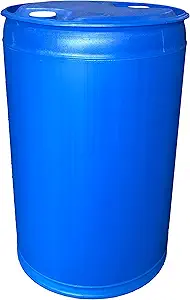
Blue 55-gallon drums are the gold standard. They block sunlight, are made from food-safe materials, and hold a huge amount.
This BPA-free 55-gallon drum is perfect for storing a large, safe supply of water. UV-resistant, stackable, and food-grade—ideal for emergency preparedness.
Stackable Water Bricks
Perfect for small spaces! These modular containers are portable and easy to move.
Perfect for small-space storage, these Reliance Products Aqua-Tainer 7 Gallon Rigid Water Containers are rugged, portable, and made from food-grade HDPE plastic

Glass Containers – Safe but Fragile
Glass won’t leach chemicals, but it’s breakable and heavy. Better for indoor or short-term storage.
Collapsible Water Bags for Portability
Ideal for bug-out situations. They’re lightweight and space-saving when empty.
Where to Store Water for Maximum Safety
Indoors vs. Outdoors Storage
Storing water indoors is ideal because it stays cool, shaded, and protected from contamination. Indoor areas like closets or basements help preserve water quality long-term. Outdoor storage is possible but riskier due to heat, sunlight, and pests. If storing outside, use UV-resistant containers and keep them covered.
Best Temperatures for Water Storage
Water stores best between 50°F and 70°F, where bacteria growth is minimized, and container integrity remains intact. Avoid extreme cold, which can cause freezing and cracks. High heat can warp plastic and encourage microbial growth. Always choose a stable, climate-controlled environment if possible.
How to Treat and Purify Water for Storage
Using Unscented Household Bleach
Add 1/8 teaspoon of bleach per gallon of water (that’s about 8 drops). Let it sit for 30 minutes before sealing.
Use this unscented bleach to purify water for storage. Just 8 drops per gallon ensures long-term safety.

Boiling Water Before Storage
Boiling for 1–3 minutes kills bacteria, viruses, and parasites. Let it cool before pouring into containers.
Water Purification Tablets or Drops
Perfect for backpacking or small-scale storage. Use per package instructions.
These compact tablets disinfect water in minutes—essential for travel, emergencies, or stored water backup.

Iodine vs. Chlorine Dioxide Drops
Iodine is effective but leaves a taste and isn’t recommended for pregnant women or long-term use. Chlorine dioxide is safer for larger batches and tastes better.
Aquamira’s chlorine dioxide solution treats up to 30 gallons of water—tasteless, effective, and lightweight

How to Label and Rotate Your Water Supply
Best Practices for Expiration Tracking
Use waterproof labels with the date of storage and treatment method. Stored water can last up to 5 years if treated correctly, but rotation every 6–12 months is ideal.
Use these waterproof Avery labels to mark storage dates and treatment methods—durable and fade-resistant.

FIFO Method (First In, First Out)
The oldest water gets used first. Simple and effective. Keep your storage organized and don’t let water sit forgotten in the corner.
Creative DIY Water Storage Solutions
Using Repurposed Containers (with Caution)
You can reuse soda bottles, juice jugs, and glass jars for water storage if they’re cleaned well and made of food-safe, BPA-free plastic. Never use old milk jugs—they degrade quickly and are prone to leaks. Glass works well but is heavy and breakable. Always label containers clearly with the date filled.
Building Rainwater Harvesting Systems
Rainwater collection is a smart way to build water reserves using your rooftop and gutters. Use food-grade barrels and install a basic filtration system to keep debris and bugs out. Be sure to check local laws, as rain harvesting isn’t legal everywhere. Filter and purify the water before drinking.
Common Mistakes in Long-Term Water Storage
Storing Water in Non-Food Grade Plastic
Non-food-grade containers may leach harmful chemicals into your water. Always use those labeled “food safe” or “BPA-free” for peace of mind. Industrial containers not meant for water storage should be avoided. Don’t risk poisoning your supply with the wrong materials.
Forgetting to Rotate Stored Water
Water doesn’t last forever, even if it’s treated. Plan to rotate your stockpile every 6 to 12 months for freshness. Mark dates clearly, so nothing gets forgotten. Stale water can smell bad and may not be safe to drink.
How to Keep Stored Water from Going Bad
Shielding from Light and Heat
UV rays and heat encourage algae growth and break down plastics over time. Keep water in a cool, dark location like a closet, under a bed, or in a basement. Avoid placing containers near windows or heat sources. Consistent conditions extend shelf life.
Sealing Containers Airtight
Air can introduce bacteria or debris, so tight seals are essential. Use screw-top lids or food-safe seals that won’t crack over time. After sealing, don’t reopen unless necessary. Inspect for leaks or damage during your rotation checks.
Emergency Water Sources You Can Use Last Minute
Hot Water Heaters, Toilet Tanks, and More
Most home water heaters hold 30–80 gallons of clean water you can access in an emergency. Toilet tanks (not the bowl) are also viable, provided they’re free of chemical tablets. Sinks, bathtubs, and pipes hold small amounts, too. Know how to safely extract water from each source.
Portable Filters for On-the-Go Purification
Compact filters like the Sawyer Mini or LifeStraw are crucial when stored water runs out. They remove harmful bacteria and parasites on the spot. Keep one in your car, go-bag, or bug-out kit at all times. They require no electricity or chemicals—just water and a filter.
Final Tips for Long-Term Water Storage Success
Practice Makes Perfect
Don’t wait until an emergency to learn how to purify or rotate water. Practice using filters, pouring from heavy containers, and accessing backup water sources. This builds confidence and reveals any weak spots. Make water drills part of your prepping routine.
Create a Written Water Storage Plan
Track how much water you’ve stored, where it’s kept, and the dates for rotation or treatment. Keep a printed copy in your emergency binder or kit. Update it when you add or use supplies. This keeps your system organized and ensures you’re always ready.
Conclusion: Prepare Today, Survive Tomorrow
Water is one of the simplest things to store, but the most vital. When disaster strikes, there’s no substitute. By learning how to store water long-term, you’re not just preparing for a storm. You’re investing in peace of mind, safety, and survival. So grab those containers, treat that water, and get ready—you’ve got this!
FAQs – How To Store Water Long Term
1. Can I store flavored or carbonated water for emergencies?
Flavored and carbonated waters generally aren’t recommended for long-term storage because the additives, sugars, and carbonation can break down or cause container damage over time. It’s best to stick to plain, purified water for the longest shelf life.
2. How do I know if stored water has gone bad?
If the water smells strange, looks cloudy, or tastes off, it’s a sign that it has gone bad. Even if the storage time hasn’t fully elapsed, it’s safest to discard and replace the water to avoid any health risks.
3. Is it safe to drink water stored in metal containers?
Some metal containers can corrode or react with water, potentially contaminating it. Food-grade stainless steel containers are safe options, but avoid regular steel or aluminum containers unless they are specifically designed for water storage.
How does water storage differ in humid versus dry climates?
In humid climates, condensation can form inside containers if they’re not sealed properly, encouraging microbial growth. In dry climates, evaporation or container shrinkage may occur. Proper sealing and choosing the right storage location are essential in both environments.
5. Can I store water in a swimming pool for emergencies?
While pool water is technically water, it contains chemicals like chlorine that aren’t safe for drinking without treatment. If you use pool water in an emergency, it must be thoroughly filtered and purified before consumption.
Other Useful Resources Related To How To Store Water Long Term
Family Handyman – How to Store Water Long Term
This guide offers practical advice on storing water safely, including container recommendations and storage conditions.
Ohio State University – Preserving Water for Emergency Use
This fact sheet offers practical advice on storing water for emergencies, covering container types, purification methods, and shelf life considerations.
Portland Water Bureau – How to Prepare for a Water Emergency
Offers guidelines on storing a backup water supply and preparing for water service interruptions.
San Francisco Public Utilities Commission – Storing and Treating Water
Provides information on storing tap water, including container types and replacement schedules.
EPA – Emergency Disinfection of Drinking Water
Covers emergency water disinfection techniques, including the proper use of bleach and other chemicals to keep stored water safe.