
Some of the links in this post are affiliate links. As an Amazon Associate, we earn a referral fee from qualifying purchases—at no extra cost to you.
Living in an apartment has its perks—convenience, location, community—but it also comes with unique challenges. Whether you’re preparing for emergencies or simply want to thrive in your urban space, mastering apartment survival tips is essential. This guide dives deep into practical strategies to help you stay safe, comfortable, and self-reliant, no matter what life throws your way.
Table of Contents
Why Apartment Survival Tips Matter More Than Ever
Apartment living means limited space, shared facilities, and often less control over your environment. Knowing how to survive and thrive in this setting isn’t just smart—it’s necessary. Emergencies like power outages, natural disasters, or even social unrest require preparedness tailored specifically for apartments.
Understanding the Challenges of Apartment Survival
Before diving into solutions, it’s important to understand the unique obstacles apartment dwellers face:
- Space constraints limit storage.
- Shared infrastructure means dependency on neighbors and management.
- Limited outdoor access affects self-sufficiency.
Recognizing these hurdles allows you to plan better and avoid common pitfalls.
Building Your Essential Apartment Survival Kit
A solid survival kit is your first defense. Focus on compact, multipurpose items that fit small spaces but deliver maximum utility:
- Water storage containers and purification tablets.
- Non-perishable food in space-saving packaging.
- First aid supplies tailored for common injuries.
- Multi-tools and portable chargers.
Keeping these essentials organized and accessible is key to a quick response during a crisis.
The LifeStraw Personal Filter is ultra-compact and eliminates bacteria and parasites—perfect for space-limited water kits.

The ReadyWise 72-Hour Kit provides freeze-dried meals in stackable packaging, ideal for small apartment pantries.

The Anker PowerCore charges phones multiple times, ensuring reliable communication during outages.

Water Storage Solutions for Tight Spaces
Water is the cornerstone of survival. Since apartment space is limited, consider collapsible water containers or stackable bottles. Don’t forget water purification methods like filters or tablets—stored in small kits, they ensure your water is safe without bulk.
WaterBricks are compact, modular, and stackable—great for storing water under beds or in closets.

Potable Aqua Tablets are affordable and compact, making them a reliable emergency backup for water safety.

Smart Food Storage for Apartment Survival
Storing food in an apartment requires creativity:
- Use airtight containers to keep food fresh longer.
- Opt for freeze-dried meals or MREs that need minimal storage space.
- Organize pantry shelves vertically to maximize room.
Rotate your food supplies regularly to avoid spoilage.
The OXO Airtight Container Set keeps dry goods fresh and is space-efficient for organizing tight pantry shelves.

Power Backup Strategies for Apartment Dwellers
Power outages can hit urban apartments hard. Prepare with:
- Portable power banks and solar chargers.
- Small, quiet generators if allowed.
- Battery-powered lighting, like LED lanterns.
Having multiple backup options ensures you’re never left in the dark.
The Jackery Explorer 240 provides clean, quiet energy—great for apartments where gas generators aren’t an option.

The Goal Zero Nomad 10 is lightweight and works with power banks to keep devices charged using sunlight.

Creating a Safe Haven: Apartment Security Tips
Survival isn’t just about emergencies; it’s also about safety. Enhance your apartment’s security by:
- Installing door and window alarms.
- Using security cameras or smart doorbells.
- Building relationships with neighbors for community watch.
A secure environment lowers stress and builds peace of mind.
The GE Alarm System installs easily without drilling—perfect for renters and urban dwellers.

Emergency Communication Plans in Apartments
Staying connected during an emergency is vital. Set up communication plans that include:
- A list of emergency contacts.
- Alternative ways to communicate (walkie-talkies, apps that work offline).
- A designated meeting spot inside or near your building.
Clear plans reduce confusion and keep everyone informed.
The Midland T51VP3 Walkie-Talkies are great for staying in touch when cell towers go down—no Wi-Fi or cell needed.

Evacuation Preparedness in Apartment Complexes
If evacuation becomes necessary, preparation is everything:
- Know all exit routes and keep keys accessible.
- Pack a grab-and-go bag with essentials.
- Inform neighbors and building management of your plans.
Practice your evacuation plan regularly to ensure swift action when needed.
The Tactical Pack is budget-friendly, compact, and fits all the essentials for quick evacuation.

Managing Waste and Hygiene During Crises
Maintaining hygiene in tight spaces is challenging but critical:
- Stock up on sanitation supplies like wipes, hand sanitizer, and trash bags.
- Set up a designated waste disposal area to prevent odor and pests.
- Use portable toilets if plumbing is disrupted.
Cleanliness helps prevent illness and keeps morale high.
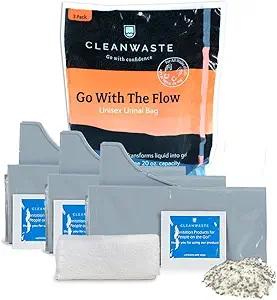
The Cleanwaste Portable Toilet folds flat and is ideal for apartment dwellers during plumbing failures or extended blackouts.
Combat Wipes are compact and hygienic for cleaning up when showers are unavailable.

Urban Gardening: Growing Food in Your Apartment
Even a small balcony or windowsill can become a food source:
- Use vertical planters or container gardens.
- Grow herbs and fast-growing veggies.
- Learn about hydroponics for soil-free gardening.
Gardening boosts self-sufficiency and brings fresh air and greenery inside.
The Mr. Stacky Vertical Planter makes it easy to grow herbs and vegetables on a balcony or near a sunny window.

The AeroGarden Harvest is a countertop hydroponic system—ideal for apartments without outdoor space.

Water Conservation Tips for Apartment Survival
Water might be limited during emergencies. Conserve by:
- Using greywater for plants.
- Collecting rainwater safely (if allowed).
- Fixing leaks promptly to avoid waste.
Smart conservation extends your water supply significantly.
Staying Mentally Strong in Confined Spaces
Mental survival is just as important as physical:
- Create routines to maintain normalcy.
- Stay connected virtually with friends and family.
- Engage in hobbies or meditation to reduce stress.
Emotional resilience helps you face challenges with clarity and calm.
Leveraging Technology for Apartment Survival
Modern tools can make survival easier:
- Apps for emergency alerts and first aid.
- Smart home devices for monitoring air quality and security.
- Online communities for support and information.
Technology bridges gaps in resources and knowledge.
The Govee Sensor monitors air quality, humidity, and temperature to keep your apartment safe and comfortable.

Building a Community Network Within Your Apartment Complex
Neighbors are your greatest asset in urban survival:
- Organize group preparedness plans.
- Share resources and skills.
- Communicate regularly to build trust and cooperation.
Together, you can face emergencies stronger than alone.
Maintaining Your Apartment Survival Plan Year-Round
Survival isn’t a one-time setup—it requires upkeep:
- Regularly review and update supplies.
- Practice drills for evacuation and emergencies.
- Stay informed about local risks and news.
Consistency keeps you ready no matter what.
Conclusion: Master Your Apartment Survival Today
Thriving in an apartment isn’t about luck—it’s about preparation, smart choices, and community. By applying these apartment survival tips, you’ll transform your small urban space into a fortress of safety and resilience. Start today, and face tomorrow with confidence.
FAQs – Apartment Survival Tips
1. What can I do if my apartment doesn’t allow generators or open flames?
If you can’t use traditional emergency gear, go for battery-powered or solar alternatives. Solar-powered chargers, LED lanterns, and USB-powered heating pads are safe and effective. Gel fuel stoves might also be allowed indoors—just double-check with your landlord first.
2. How do I store survival supplies without making my apartment look cluttered?
Use what you already have! Store gear in bins under your bed, in high closets, or inside furniture with hidden compartments. Vacuum-sealed bags also work wonders for bulky items like blankets or clothes.
3. Can I make emergency modifications to my rental unit?
Most permanent changes aren’t allowed in rentals, but there are plenty of non-damaging options. Try peel-and-stick alarms, removable window locks, or portable door braces. Always read your lease and ask your landlord if you’re unsure.
4. What if I have pets—how do I prep for them too?
Your pets need a survival kit just like you. Pack extra food, water, meds, waste bags, and comfort items. A collapsible bowl, backup leash, and portable carrier are must-haves if you need to evacuate quickly.
5. How do I keep indoor air clean during a disaster if HVAC systems go down?
Buy a small HEPA air purifier or create a DIY air filter using a box fan and a furnace filter. Keep plastic sheeting and duct tape nearby in case you need to seal windows during smoke or chemical events.
Other Useful Resources Related To Apartment Survival Tips
1. Small Space Prepping: How to Store Lots of Supplies in a Little Home or Apartment
A detailed guide exploring creative storage methods, hidden compartments, and maximizing every inch of a small apartment—even for extended emergency stockpiles.
2. Compact Prepping Solutions: Thriving in Small Spaces During Emergencies
This article covers vertical storage hacks, multi-purpose furniture, compact water containers, and prepping essentials perfectly suited for tight urban dwellings.
3. DIY Air Purifier with a Box Fan (Greatist)
An easy-to-follow tutorial on building a homemade air purifier using a standard box fan and MERV or HEPA filters. Includes supply list, detailed instructions, and safety tips.
4. “These DIY air purifiers could make clean air more accessible during wildfires” (Washington Post)
Covers the Corsi–Rosenthal Box—an effective, low-cost DIY air filtration system developed to filter wildfire smoke and airborne pollutants.
5. Do‑It‑Yourself Portable Air Cleaners — Healthy Buildings (Harvard)
An authoritative step-by-step guide to building the Corsi Box purifier, including recommended filter configurations, airflow guidance, and safety considerations.