When disaster strikes or electricity goes out unexpectedly, having reliable budget emergency cooking gear can make the difference between scrambling for food and enjoying a warm, nourishing meal. Whether you’re prepping for a natural disaster, urban emergencies, or weekend survival adventures, the right gear ensures you stay fed, safe, and stress-free. This guide will show you the essential gear, storage tips, meal ideas, and safety advice—all while sticking to a budget. By the end, you’ll know exactly what to invest in to keep your meals secure and stress-free in any emergency.
Table of Contents
Why You Need Budget Emergency Cooking Gear for Any Crisis
Emergencies are unpredictable. Power outages, floods, hurricanes, and even sudden apartment blackouts can leave you without your usual cooking appliances. Having budget emergency cooking gear ensures you can prepare meals no matter the situation. Not only does this gear save you money, but it also allows for flexibility—you don’t need to rely on takeout, restaurants, or frozen meals when life throws a curveball. Think of it as peace of mind in a box, ready to deploy whenever you need it most.
How to Choose the Right Budget Emergency Cooking Gear
Assessing Your Cooking Needs in an Emergency
Before choosing your gear, it’s crucial to think about who you’ll be cooking for and how often. Single-person prepper needs are very different from a family of four, and the amount of gear required changes accordingly. Consider the types of meals you want to make, whether it’s simple soups or full hot meals, because this affects your stove and cookware choices. Planning ensures you buy only what you truly need, saving both money and space.
Prioritizing Affordability Without Sacrificing Quality
Finding a balance between price and quality is key when selecting budget emergency cooking gear. Durable materials like stainless steel or hard-anodized aluminum last longer and provide consistent heat. Multi-functional tools like nesting pots or collapsible kettles can cut down on storage space while offering versatility. Smart shopping ensures your gear is cost-effective without compromising safety or performance.
Fuel Options and Their Pros and Cons
Understanding different fuel types helps you prepare for any situation. Propane is efficient and widely available, but it can take up significant storage space. Solid fuel tablets and alcohol burners are lightweight and portable but produce less heat. Choosing the right fuel combination ensures you can cook in emergencies without worrying about shortages.
Top 10 Budget Emergency Cooking Gear Essentials
Portable Butane Stove for Quick and Easy Cooking
A portable butane stove is a must-have for its simplicity and convenience. It heats up quickly, making it perfect for small, fast meals in a pinch. Many models include safety features like auto shut-off valves, reducing risk during use. Lightweight and compact, these stoves are easy to store or carry on trips.
A portable butane stove heats up fast and is perfect for quick meals during outages. Compact and lightweight, it’s easy to store and often includes safety features like auto shut-off.

Compact Propane Burner for High Heat Needs
A compact propane burner is ideal when you need stronger heat for cooking larger meals. It’s perfect for simmering stews, frying proteins, or boiling water efficiently. Paired with a sturdy propane canister, it becomes a reliable cooking solution in emergencies. Its portability ensures you can cook indoors or outdoors with minimal hassle.
A compact propane burner provides strong, steady heat for boiling, frying, or cooking larger meals. Paired with a propane canister, it’s a reliable indoor or outdoor option.

Solar-Powered Oven for Eco-Friendly Cooking
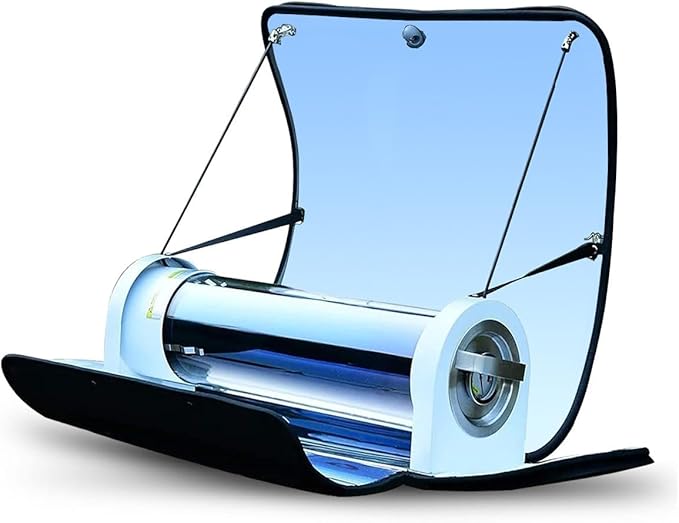
A solar-powered oven uses renewable energy, making it extremely useful during prolonged outages. It’s slower than traditional stoves but allows for hands-free cooking without fuel. Solar ovens are ideal for baking, warming, and dehydrating foods safely. They’re quiet, eco-friendly, and virtually maintenance-free, which makes them invaluable in emergencies.
A solar-powered oven uses free, renewable energy to bake or warm food without fuel. It’s slower but ideal for long-term emergencies and fuel savings.
Lightweight Camping Cookware Set
A lightweight cookware set is essential for any emergency cooking kit. Nesting pots and pans save storage space and provide versatility for a range of meals. Durable materials like stainless steel or aluminum ensure even cooking and long-lasting use. Having a compact, organized set makes cooking simpler when space is limited.
A lightweight camping cookware set with nesting pots and pans saves space while offering versatility. Durable stainless steel or aluminum ensures even cooking in tight spaces.

Foldable Grill or Fire Pit for Versatility
Foldable grills or fire pits allow you to cook over wood, charcoal, or solid fuel, offering maximum flexibility. They are portable and can be set up in small outdoor spaces or campsites. Many foldable designs are lightweight yet sturdy, making them easy to store. This versatility ensures you can cook efficiently in any environment.
A foldable grill or fire pit lets you cook over wood, charcoal, or fuel tablets. Portable and sturdy, it’s great for emergencies or small outdoor setups.

Emergency Mess Kit for On-the-Go Meals
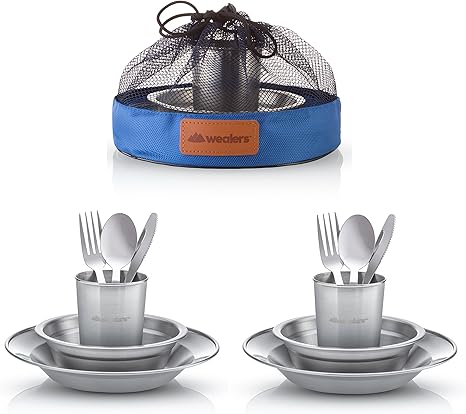
An emergency mess kit combines plates, cups, and utensils into a single compact unit. It’s perfect for outdoor cooking, camping, or emergencies where convenience matters. The lightweight design allows for easy portability and minimal storage requirements. Using a mess kit keeps meals organized, clean, and hygienic during emergencies.
An emergency mess kit packs plates, cups, and utensils into one compact set. Lightweight and hygienic, it keeps meals organized during crises or camping.
Long-Lasting Charcoal or Solid Fuel Tablets
Charcoal and solid fuel tablets are essential for budget emergency cooking because they last for years when stored properly. They are portable, easy to ignite, and create a reliable heat source. Solid fuel tablets are mess-free and perfect for backpacking or small stoves. Having a ready supply ensures you can cook without relying on electricity or propane.
Charcoal or solid fuel tablets are portable, easy to light, and last for years in storage. They’re perfect backup heat sources when propane or butane runs out.

Multi-Fuel Backpacking Stove
A multi-fuel stove provides ultimate flexibility by using wood, alcohol, or solid fuel depending on availability. It’s lightweight, compact, and ideal for emergencies when fuel options vary. This adaptability ensures you’re never left without a cooking solution. Multi-fuel stoves are a smart choice for long-term prepping and survival scenarios.
A multi-fuel backpacking stove burns wood, alcohol, or solid fuel, giving you flexibility in any situation. Compact and reliable, it ensures you’re never without a way to cook.

Collapsible Kettle for Boiling Water
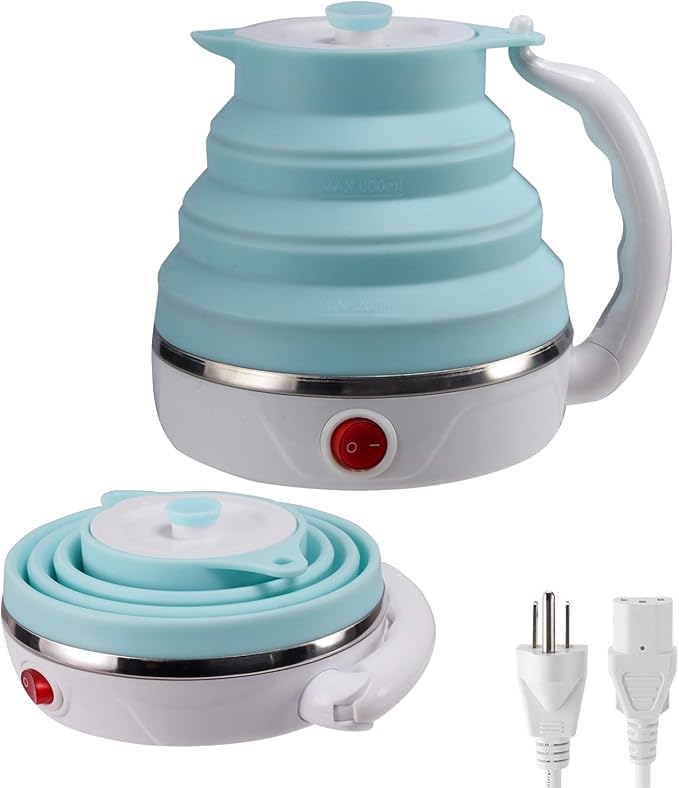
A collapsible kettle saves space while allowing you to boil water for drinking, cooking, or sterilizing. Made from silicone or stainless steel, it’s durable and lightweight. The folding design makes it easy to store in small spaces like backpacks or cabinets. Having a collapsible kettle ensures you can always make hot beverages or meals, even in tight quarters.
A collapsible kettle folds flat for storage yet quickly boils water for meals or drinks. Durable and lightweight, it’s perfect for tight spaces or bug-out bags.
Emergency Cooking Utensils and Tools
Essential utensils include spatulas, tongs, ladles, and cutting boards, which make cooking safer and more efficient. Multi-functional tools reduce the number of items you need, saving space and money. High-quality utensils can withstand repeated use and high temperatures. Without these basic tools, even the best stove or cookware can be frustrating to use.
Emergency cooking utensils like tongs, spatulas, and ladles make cooking safer and more efficient. Multi-purpose designs save space while withstanding repeated use.

Tips for Storing and Maintaining Budget Emergency Cooking Gear
Space-Saving Storage Solutions
Proper storage keeps your emergency cooking gear organized and ready for action. Nesting cookware, foldable stoves, and compact mess kits reduce clutter and free up space. Label bins or bags so you can quickly grab what you need. Efficient storage is especially important if you live in an apartment or have limited space.
Cleaning and Maintenance Tricks
Keeping gear clean ensures it lasts longer and operates safely. Wipe down stoves after each use, clean pots thoroughly, and inspect utensils regularly. Simple maintenance prevents rust, corrosion, and mechanical failures. A little care goes a long way in maintaining readiness.
Checking Fuel and Expiration Dates Regularly
Fuel types like propane, butane, or solid tablets degrade over time and should be checked regularly. Rotate supplies to prevent them from expiring unnoticed. Proper storage in cool, dry areas extends shelf life and maintains effectiveness. Staying on top of fuel management ensures your gear is always ready when you need it.
Affordable Meal Ideas Using Emergency Cooking Gear
One-Pot Meals That Maximize Flavor and Nutrition
One-pot meals save time, fuel, and cleanup, making them perfect for emergencies. Soups, stews, and pasta dishes provide balanced nutrition with minimal effort. You can use dried vegetables, canned proteins, or pre-cooked grains for convenience. Simple recipes allow you to cook efficiently without sacrificing flavor or variety.
Cooking With Limited Fuel Resources
Fuel rationing is essential to make your supplies last longer. Using lids to trap heat and stacking pots can maximize efficiency. Pre-soaking grains and beans also reduces cooking time, saving fuel. Strategic planning ensures you get the most out of limited fuel supplies.
Preserving Leftovers Without Electricity
Without refrigeration, preserving leftovers requires smart techniques. Use airtight containers, coolers with ice packs, or cook only what you can eat immediately. Proper handling prevents foodborne illnesses and reduces waste. These small habits help maintain safety and nutrition during prolonged outages.
Safety First: Preventing Accidents With Emergency Cooking Gear
Fire Safety Tips for Indoor and Outdoor Cooking
Cooking with stoves or open flames always carries risk. Ensure good ventilation, clear surrounding areas, and have a fire extinguisher nearby. Keep stoves on stable, heat-resistant surfaces to prevent tipping. Following these precautions minimizes accidents and keeps your emergency cooking safe.
Handling Fuel and Flammable Materials Carefully
Proper fuel handling is critical to avoid accidents. Store fuel away from heat, sparks, or sunlight, and never mix different types. Follow manufacturer instructions and always handle with care. Awareness and caution can prevent dangerous mishaps during emergencies.
Child and Pet Safety Around Cooking Gear
Children and pets can easily get hurt around stoves or open flames. Create barriers or designate safe zones around cooking areas. Supervise all activity when the gear is in use to avoid accidents. Taking preventive steps ensures the safety of everyone in your household.
How Budget Emergency Cooking Gear Fits Into Your Prepping Plan
Emergency cooking gear is part of a bigger preparedness strategy. Combine it with stored water, non-perishable foods, and first aid kits for full readiness. A well-thought-out plan ensures that no matter the crisis, you and your family are nourished and safe. Preparing in advance makes any emergency manageable rather than chaotic.
Final Thoughts on Choosing Budget Emergency Cooking Gear
Selecting the right budget emergency cooking gear is about balance—affordable, durable, and versatile items that meet your needs without breaking the bank. Prioritize portable stoves, multi-functional cookware, and reliable fuel sources. With careful planning, your gear becomes your lifeline during crises, providing not just meals but peace of mind. By investing smartly now, you’ll be prepared for whatever emergencies come your way.
FAQs
1. Can I use regular kitchen pots and pans for emergency cooking instead of buying camping-specific gear?
Yes, regular cookware can be used in emergencies if it’s compatible with your heat source. However, camping cookware is often lighter, more compact, and designed for portability, making it easier to store and carry. For apartment prepping or bug-out situations, specialized gear may save space and fuel.
2. How do I cook safely indoors with emergency stoves if there’s no ventilation?
Indoor use of stoves like propane or butane carries carbon monoxide risks. Always ensure proper ventilation—open windows or use near an exterior door. Never use outdoor-only stoves in small enclosed spaces. Carbon monoxide detectors are highly recommended if you plan to cook indoors during outages.
3. Are there budget-friendly ways to sterilize cooking water during an emergency?
Yes, you can boil water on any stove or portable burner to sterilize it. A collapsible kettle or pot works well for this. In addition, using water purification tablets or portable filters can provide an extra layer of safety if fuel or stoves are limited.
4. How long can solid fuel tablets or charcoal last if stored for emergencies?
When stored in a cool, dry place and in their original packaging, solid fuel tablets and charcoal can last several years—often 5–10 years. Moisture is the main factor that degrades them, so airtight containers and moisture-proof storage bags are essential for longevity.
5. Can I combine multiple fuel types in one emergency cooking setup?
Yes, multi-fuel stoves allow switching between wood, alcohol, propane, or solid fuel depending on availability. However, never mix fuels in the same burner simultaneously, as this can be dangerous. Understanding your stove’s specifications and fuel compatibility ensures safety and maximum flexibility during emergencies.
Other Useful Resources Related To Budget Emergency Cooking Gear
- 10 Effective Emergency Cooking Options To Cover in 2025 — Comprehensive guide to various emergency cooking methods like solar cookers and rocket stoves.
- How To Cook In An Emergency: 10 Tips To Help You Survive — Practical tips on cookware selection, planning, and safe emergency cooking.
- 12 Ways to Cook Off‑Grid During Societal Collapse — Covers a range of methods from butane stoves to wood stoves and BioLite systems.
- Survival Basics: Food — How to Stock Up and Prepare for Natural Disasters — Extension service resource with tips on stocking food and associated tools for emergencies.
- Prepping On A Budget: Smart Tips and Affordable Survival Guide — Budget‑conscious prepping advice and strategies to build emergency supplies over time.